
During PSPS days, staying calm and prepared helps you manage power outages caused by wildfire risks. You should have an emergency kit ready, keep communication devices charged, and monitor reliable updates to stay safe. It’s also important to secure your home, store food and medications properly, and maintain safety while reentering after outages. To learn practical tips for handling these days smoothly, continue exploring ways to stay resilient and informed.
Key Takeaways
- Prepare emergency kits, communication plans, and safety measures well before PSPS events to ensure household readiness.
- Stock essential supplies like water, non-perishable food, batteries, and medications, and store them safely.
- Stay informed through reliable alerts, monitor weather and outage maps, and keep devices charged with backup power.
- Establish clear safety protocols for reentry, inspecting property for damage and ensuring utilities are safe before use.
- Use smart technologies and community networks to enhance awareness, coordination, and calmness during power shutoff days.

Jackery Portable Power Station Explorer 300, 293Wh Backup Lithium Battery, Solar Generator for Outdoors Camping Travel Hunting Blackout (Solar Panel Optional)
SPEED UP YOUR RECHARGEABILITY: It takes only 2 hours to recharge 80% battery of the power station through...
As an affiliate, we earn on qualifying purchases.
Understanding the Purpose of PSPS Events

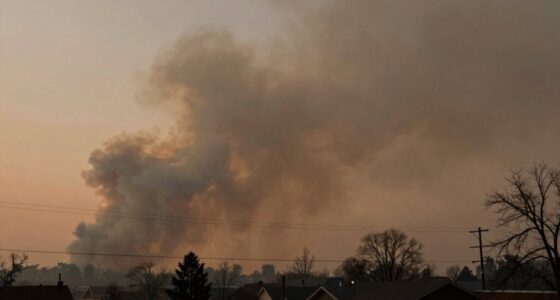
When wildfire danger reaches critical levels, utility companies may turn to Public Safety Power Shutoffs (PSPS) to reduce the risk of sparking new fires. These shutoffs are a proactive fire prevention measure designed to prevent electrical equipment from igniting wildfires during high-risk conditions. Understanding the purpose of PSPS events helps you appreciate their role in protecting communities. During a PSPS, power is temporarily turned off in areas most vulnerable to wildfire ignition. This action isn’t taken lightly; it’s part of a broader effort to enhance community awareness about wildfire risks. By reducing electrical sparks, PSPS events help prevent destructive fires and keep residents safe. Staying informed about these events fosters a collective effort to prioritize safety and fire prevention during dangerous conditions. Additionally, integrating innovative energy management solutions can help utilities better predict and mitigate the need for shutdowns. Smart grid technology is also playing an increasing role in optimizing responses to wildfire threats, potentially reducing the frequency and duration of power shutoffs. Incorporating advanced grid resilience strategies further enhances the ability to maintain power and safety during high-risk periods. Developing predictive analytics can improve early warning systems and reduce unnecessary outages.

Anker SOLIX C1000 Gen 2 Portable Power Station, 2,000W (Peak 3,000W) Solar Generator, Full Charge in 49 Min, 1,024Wh LiFePO4 Battery for Home Backup, Power Outages, and Camping (Optional Solar Panel)
49 Min UltraFast Recharging: With upgraded HyperFlash tech, fully recharge at 1,600W—for outage prepping, camping trips, or tailgating...
As an affiliate, we earn on qualifying purchases.
Preparing Your Home and Family in Advance

To stay safe during a power shutoff, you need to prepare your home and family ahead of time. Make sure your emergency kit has essentials like water, food, and batteries, and establish a clear communication plan. Additionally, implement home safety measures to reduce fire risk and protect your loved ones. Leveraging smart appliances can help monitor and manage your home’s safety more effectively during PSPS days. Planning ahead with fire-resistant materials can further enhance your home’s resilience against wildfire risks. Incorporating whole-house water filtration systems can ensure access to clean water, even during emergency situations. Regularly inspecting and maintaining your sauna and cold‑plunge systems can prevent malfunctions that might compromise safety during power outages. Being aware of fire safety protocols can also help you respond promptly if a fire occurs nearby.
Emergency Kit Essentials
Preparing an emergency kit before a wildfire power shutoff is vital to keep your family safe and comfortable. Your kit should include key items to handle unexpected outages and emergencies. Portable lighting is essential—think flashlights, headlamps, or battery-powered lanterns—to maintain visibility. Water purification supplies, like tablets or filters, guarantee access to clean drinking water if supply lines are disrupted. Other essentials include non-perishable food, a first aid kit, batteries, and personal hygiene items. Store these in an easy-to-access container. Consider adding extra batteries or power banks to keep devices charged. Additionally, emergency preparedness resources can help you create a comprehensive plan tailored to your needs. Being familiar with power outage procedures can make a significant difference during an emergency. Ensuring your home is equipped with backup power solutions can provide peace of mind during prolonged outages. Recognizing common challenges during outages can help you better prepare for unexpected situations. Regularly practicing your emergency plan ensures everyone in your household knows what to do when the power goes out. Preparing now means you’re ready to handle the situation calmly and efficiently when the power goes out. Be proactive, stay safe, and keep your family equipped for any scenario.
Communication Plan Setup
Creating a communication plan guarantees your family stays connected and informed during a wildfire power shutoff. To do this, engage stakeholders like neighbors, family members, and local authorities to assure everyone understands the plan. Clear messaging is crucial; define how you’ll share updates, emergency contacts, and safety instructions. Use multiple channels such as cell phones, emergency alerts, and walkie-talkies to guarantee message clarity and reach everyone. Assign roles so each person knows their responsibilities, like checking on vulnerable neighbors or monitoring weather updates. Practice the plan regularly to identify gaps and improve coordination. By establishing this communication setup in advance, you minimize confusion, guarantee timely information flow, and keep your family safe during PSPS events.
Home Safety Measures
Since wildfire power shutoffs can happen unexpectedly, taking proactive steps to safeguard your home and family is essential. You should focus on enhancing your home’s fire resistance and safety features. Install fire-resistant windows to reduce the risk of fire entering your home. Make sure smoke detectors are functioning properly and have fresh batteries, alerting you early to smoke or fire. Create clear defensible space around your property by removing dead vegetation and debris. Consider using fire-resistant landscaping materials and installing a garden hose or sprinkler system for quick fire suppression. Regularly review and practice your family’s emergency plan to guarantee everyone knows what to do during a PSPS event. Additionally, integrating a focused workspace can help you stay organized and prepared for emergencies without unnecessary distractions. Maintaining an organized emergency kit with essential supplies ensures you’re ready for any situation. Implementing a fire safety plan that includes communication protocols and escape routes can further enhance your preparedness. Being aware of fire behavior and staying informed through local alerts can significantly improve your response time and safety. You can also create a home safety checklist to regularly assess and improve your fire preparedness measures. These measures help protect your loved ones and minimize damage when wildfire threats arise.

BLUETTI Elite 30 V2 Portable Power Station 600W (Power Lifting 1500W), 288Wh LiFePO4 Battery with 10ms UPS, Emergency Backup Power for Home Blackout/Winter Storm, Solar Generator for Camping/Road Trip
[288Wh On-the-Go Power] - Only 9.4 lbs lightweight, carry it anywhere during storms! 288Wh capacity meets daily &...
As an affiliate, we earn on qualifying purchases.
Creating an Emergency Kit for Power Outages

When a power outage hits unexpectedly, having a well-stocked emergency kit can make all the difference. Your kit should include essentials like water, non-perishable food, flashlights, batteries, and a first aid kit. Prioritize fire safety by keeping a fire extinguisher nearby and avoiding flammable materials. Include personal hygiene items and necessary medications. Don’t forget to add extra phone chargers and a portable power bank to stay connected. Familiarize yourself with community resources, such as local shelters and emergency contact numbers, so you can quickly access support if needed. Regularly check and update your kit to guarantee everything remains functional. Additionally, understanding navigation and mapping tools can help you stay oriented and plan safe routes during an emergency. Staying informed about technology-based communication methods can also be crucial if traditional networks are down. Being prepared not only helps you stay safe but also reinforces your community’s resilience during wildfire power shutoffs. Incorporating a reliable communication plan ensures that everyone in your household knows how to stay connected and where to meet if separated.

EnginStar Portable Power Station 300W 296Wh Battery Bank with 110V Pure Sine Wave AC Outlet for Outdoors Camping Hunting and Emergency, 80000mAh Backup Battery Power Supply for CPAP
PORTABLE BUT POWERFUL: EnginStar Portable Power Station with ETL Certification, and the portable size of 9 x 5.5...
As an affiliate, we earn on qualifying purchases.
Staying Informed With Reliable Updates

Staying informed with reliable updates is essential during wildfire power shutoffs to guarantee your safety and make informed decisions. Keep yourself updated with real-time information about local weather conditions and power outage alerts. This proactive approach enables you to anticipate changes and plan accordingly, reducing stress and confusion. Additionally, monitoring water purification systems can ensure access to safe drinking water during extended outages. Being aware of emergency supplies and how to use them effectively can further improve your readiness and response during these events. Regularly checking power outage maps can help you understand the scope of outages and estimated restoration times. Familiarizing yourself with butter storage techniques can help preserve your food supplies and prevent spoilage during prolonged outages. Staying informed about community alerts and local resources can also enhance your overall preparedness.
Managing Communication and Connectivity

During a wildfire power shutoff, staying connected safely is vital. You should have emergency communication tools ready to maintain contact if cell service drops. Ensuring your devices are charged and knowing how to use backup options can make all the difference. Additionally, utilizing local automation features on your smart devices can help keep essential systems operational even during outages.
Stay Connected Safely
Ever wonder how to keep your communication lines open when wildfire power shutoffs strike? Staying connected safely is essential. Start by investing in a solar backup power source to keep your devices charged without relying on the grid. Join or establish community networks that can share information and coordinate assistance during outages. Keep a list of emergency contacts and make sure everyone in your household knows how to reach them. Use text messages or low-bandwidth apps to conserve battery life and avoid network overload. Consider portable chargers and battery packs as backups. Regularly test your communication devices and update emergency plans with neighbors. These steps help you stay informed, connected, and safe, even when the power is out.
Emergency Communication Tools
Effective emergency communication tools are indispensable for maintaining contact when wildfire power shutoffs occur. Satellite communication devices let you stay connected even when traditional cell service fails, ensuring you can call for help or stay informed. Emergency alert systems are crucial for receiving timely updates about fire conditions, evacuation orders, and safety instructions. Keep a portable satellite phone or device charged and accessible, especially if you rely on cell service that might be disrupted. Register for local emergency alert systems to receive notifications directly on your device or home phone. Combining these tools helps you stay informed, coordinate with loved ones, and respond quickly during PSPS days. Preparing in advance ensures you won’t be left in the dark when power is out.
Keeping Food and Medications Safe Without Power

When the power goes out, keeping your food and medications safe becomes a top priority. Without electricity, proper food storage and medication safety are essential to prevent spoilage and health risks. To protect your food, consider using a cooler with ice packs or a neighborhood community fridge. Keep perishable items like dairy, meat, and leftovers cold, ideally below 40°F. For medications, store them in a cool, dry place away from direct sunlight, and avoid exposure to extreme heat. You can also:
- Use insulated bags or coolers for critical medications
- Keep a list of emergency contact info for pharmacy needs
- Regularly check on stored food and medications for signs of spoilage
Being prepared guarantees your food stays fresh and medications remain effective, even without power.
Maintaining Comfort and Safety During Outages

To stay comfortable and safe during power outages, it’s important to take proactive steps to manage your environment and guarantee your well-being. Ensure good indoor air quality by opening windows when possible and avoiding sources that decrease air quality. Use alternative lighting options like battery-powered lanterns, flashlights, or candles to maintain visibility safely. Stock extra batteries and keep flashlights accessible. Consider placing a portable fan or hand-held fans for ventilation if indoor air feels stagnant.
| Indoor Air Tips | Lighting Options |
|---|---|
| Open windows for fresh air | Use battery-powered lanterns |
| Avoid mold and pollutants | Keep flashlights handy |
| Use air purifiers if available | Use candles cautiously |
| Ventilate regularly | Charge portable lights in advance |
| Keep indoor areas well-ventilated | Avoid relying solely on candles |
Reoccupying Your Home and Post-Outage Tips

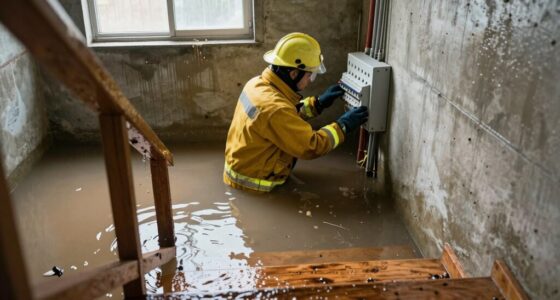
After a power outage, reentering your home requires careful inspection to guarantee safety. First, check for signs of property damage, such as broken windows, downed power lines, or leaks. Turn on lights cautiously to avoid sparks or electrical hazards. Remember to inspect appliances and electronics before using them. To protect your home and belongings, review your home insurance policy and document any damages with photos for claims. When reoccupying your house, ensure ventilation is adequate, especially if there’s a lingering smell of smoke or gas.
- Inspect for property damage and hazards before entering
- Turn on utilities cautiously, checking for damages
- Document damages for insurance claims and safety
Taking these steps helps ensure safety and smooth reentry after an outage.
Frequently Asked Questions
How Do PSPS Events Impact Local Emergency Services and Response Times?
PSPS events can slow down emergency response times because they strain local emergency services. You might find that emergency communication becomes more challenging, making it harder to coordinate efforts quickly. Resource allocation shifts as teams prioritize critical needs, which can delay response to less urgent calls. Staying prepared and having a plan helps you, but these events still impact how efficiently emergency services respond to your community.
Are There Specific Insurance Considerations Related to Wildfire-Related Power Shutoffs?
You should review your insurance policies for wildfire-related power shutoffs, as they may involve specific coverage adjustments. Some insurers might cover damages caused by outages, but others may exclude power shutoffs from standard policies. If you experience damage or losses, file insurance claims promptly. Understanding your policy’s details helps ensure you’re adequately protected, and you can take steps to clarify coverage modifications before a PSPS event occurs.
What Community Resources Are Available During Extended PSPS Periods?
Think of extended PSPS periods as quiet islands where support is waiting. You can access community centers for information, charging stations, and shelter. Food assistance programs help make certain you’re fed, even when the power’s out. Local agencies often organize resources like emergency kits and communication hubs. Keep your community’s contact info handy, and remember, these resources are here to help you stay safe and connected during these calm, yet challenging, days.
How Can I Prepare Pets and Livestock for Power Shutoff Days?
To prepare pets and livestock for power shutoff days, guarantee pet safety by keeping plenty of food, water, and comfort items nearby. For livestock care, stock extra feed and ensure they have a safe, sheltered space. Charge your phone and any necessary medical devices in advance. Keep important supplies accessible, and plan for outdoor animals by providing shade and water. Being proactive helps keep your animals safe during PSPS days.
What Are the Long-Term Health Effects of Prolonged Power Outages?
Prolonged power outages can negatively impact your mental health, causing stress and anxiety from uncertainty. If you have chronic conditions, disruptions may worsen symptoms due to interrupted medical devices or treatments. To minimize these effects, stay connected with support networks, maintain routines, and have backup plans for medical needs. Preparing in advance helps you stay resilient, reducing long-term health risks associated with extended power failures.
Conclusion
By staying prepared and informed, you’ll find that PSPS days become less disruptive, almost like a coincidence of calm amid chaos. When you have your plan in place and know what to do, you naturally create a sense of security—making power outages feel less like emergencies and more like routine. In this way, your calm approach turns what could be a stressful event into an opportunity for resilience, reminding you that readiness truly makes all the difference.