TL;DR
With forecasts calling for a stormy winter in California, emergency-management and insurance professionals recommend that homeowners make a video record of their belongings and property before severe weather. The free step can help document what existed and the home’s condition, but it does not guarantee an insurance payout or replace checking policy coverage.
With forecasts calling for a stormy winter in California, emergency-management and insurance professionals are urging homeowners to use a smartphone to record their belongings and the condition of their property before severe weather arrives. The free video inventory can provide documentation for a later insurance claim, though it does not change what a policy covers or guarantee reimbursement.

Get backup power and energy gear delivered free with Prime
- Fast, free delivery on millions of items
- Prime Video, Amazon Music and more included
- Member-only deals all year
Jackie Thornhill, communications manager for the San Francisco Department of Emergency Management, described the weather outlook as an opportunity to prepare in advance. She said people often do not have time to document possessions when disasters such as wildfires or earthquakes strike without warning. A short video made beforehand can preserve a record of items and conditions that may be difficult to recall after a loss.
Steve Severaid, president of Greenspan Co./Adjusters International, recommends walking through every room while filming and narrating what the camera shows. Open closets, cabinets and drawers, and include spaces such as the garage, basement and entryway. A written list is not necessary for everyone, he said; a narrated video is a practical starting point. He cautioned that people often underestimate the combined value of ordinary belongings, from towels to items kept in a junk drawer.
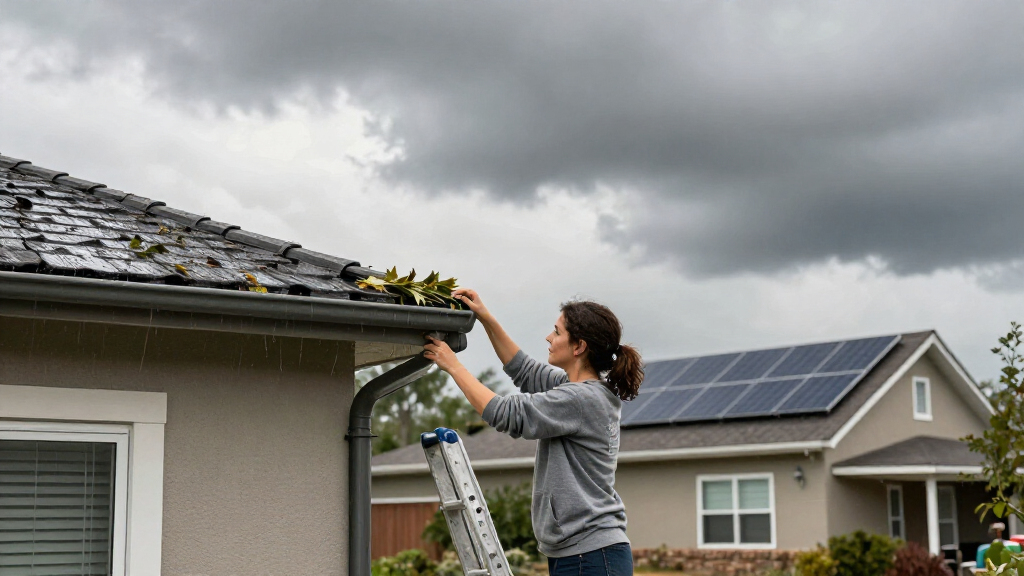
The California Department of Insurance recommends recording furniture, appliances, electronics, clothing, jewelry, tools, collectibles and storage areas. For electronics and appliances, Brian Schneider, president and founder of Schneider and Associates Claims Services, advises filming brand names and serial numbers. Keep receipts, appraisals and packaging when available. Make a separate video of the home’s exterior, including the roof from multiple angles, to show its pre-storm condition. Store the files somewhere they will remain accessible if the home is damaged, such as cloud storage or a secure off-site location.
Record your home before El Niño
A narrated smartphone video can document belongings and your home’s pre-storm condition. It may support an insurance claim, but does not guarantee coverage or payment.
What to record
Narrate as you walk through the home and show identifying details.
Rooms and belongings
Open closets, cabinets and drawers. Include furniture, clothing, jewelry, tools and storage areas.
Valuable items
Show brand names and serial numbers on electronics and appliances. Keep receipts and appraisals when available.
Home and roof
Film the exterior and roof from several angles to document their pre-storm condition.
Keep the record accessible
A copy stored away from the property may still be available if the home is damaged.
Walk through every room, narrating what the camera shows.
Use cloud storage or keep a drive in a secure location away from home.
Add records after major purchases or changes to the home.
Check what your policy covers
Coverage depends on the policy, the cause of damage, exclusions and applicable limits.
- Flood coverage and separate flood insurance
- Limits on jewelry and other valuables
- Coverage for fallen tree removal
- Standard homeowners and renters policies generally do not cover flood damage
- Many flood policies have a 30-day waiting period
- A video does not guarantee an insurance payout
A Record Can Support a Storm Claim
A home inventory can help establish that belongings existed before a loss and give homeowners a more reliable starting point when describing damage to an insurer. That matters after a storm, when possessions may be destroyed, inaccessible or difficult to identify from memory. Exterior footage can also help show the condition of a roof or other parts of the property before the weather event.
The video is documentation, not coverage. The California Department of Insurance says standard homeowners and renters policies generally do not cover flood damage. The source distinguishes water entering through a storm-damaged opening from water that pools on the ground and seeps into a home; coverage depends on the policy and circumstances. Homeowners should also check policy limits for items such as jewelry and valuables, and any sublimit for removing fallen trees. A video cannot remove those limits or substitute for a separate flood policy.
Products Worth Considering

iRobot Roomba Max 875 Robot Vacuum and Mop

Blueair Blue Signature SP4i Air Purifier for Large Rooms

Philips Hue Bridge Pro Starter Kit with 4 A19 E26 Color Smart Bulbs
As an affiliate, we earn on qualifying purchases.
Why Document Before the Storm
The advice follows forecasts of a stormy winter in California, giving residents a chance to make a record before damage occurs. The source describes the El Niño as exceptionally strong, but does not provide a dated forecast, specify which areas face the greatest risk, or identify a particular storm. The immediate recommendation is preparedness, not a claim that a specific event is imminent.
Flood insurance is a separate consideration. According to the Insurance Information Institute, cited in the source, 2% of Californians have flood insurance. The source also says many such policies have a 30-day waiting period, so residents who are considering coverage should check policy terms and timing directly rather than assume protection begins immediately.
““Standard homeowners and renters insurance policies generally do not cover flood damage. Many consumers do not realize there is a coverage gap until after a flood occurs.””
— Allison Castro Hensley, senior deputy press secretary for the California Department of Insurance
Forecasts and Coverage Still Vary
The source does not state when the forecast stormy period is expected to begin, how severe it may be, or which California communities will face the greatest exposure. It also does not establish that any particular home will be damaged. The recommendation is a precaution based on the outlook described in the source.
Whether a specific loss is covered depends on the homeowner’s policy, the cause of the damage, exclusions and applicable limits. The source gives general examples, not a determination for an individual claim. It also does not establish that a video alone will satisfy an insurer’s documentation requirements or settle a dispute about how damage occurred.
Record the Home and Review Coverage
Homeowners can start with a narrated walkthrough of every room, opening storage spaces and recording valuable items, identifying details and the property’s exterior. Save a copy in cloud storage or place it on a drive stored away from the home. Add receipts, appraisals or other records when available, and update the inventory after major purchases or changes.
They should also read their policy or contact their insurer to ask about flood coverage, limits on valuables, and tree-removal costs. Residents considering flood insurance should verify its terms and any waiting period with the insurer. The source provides no date for a next forecast update or specific storm milestone; the next step is for homeowners to document conditions and clarify coverage before severe weather occurs.
Key Questions
What is the 10-minute step homeowners are being urged to take?
Make a narrated smartphone video of the home’s rooms, belongings and storage areas, then record the exterior, including the roof from several angles. The source presents this as a quick starting point, not a fixed time guarantee for every home.
Where should I store the video?
Save it to cloud storage or put it on a USB drive kept in a secure location away from the home, such as a safe-deposit box or workplace. Keeping a copy off-site can make it accessible if the property is damaged.
Does a home video guarantee an insurance payout?
No. It may help document what belongings existed and the property’s condition, but a claim is subject to policy terms, exclusions, limits and the circumstances of the damage.
Does standard homeowners insurance cover flood damage?
The California Department of Insurance says standard homeowners and renters policies generally do not cover flood damage. Homeowners should review their policy and ask their insurer about separate flood coverage and any waiting period.
What details should I capture for valuable items?
Film brand names and serial numbers on electronics and appliances. Keep receipts, appraisals and packaging when possible, and record antiques, gifts or inherited items that may not have purchase records.
Source: Google Trends