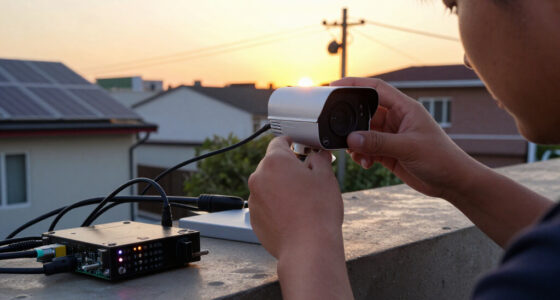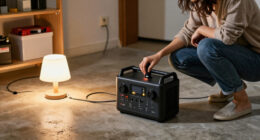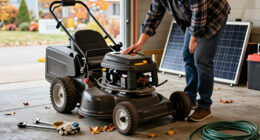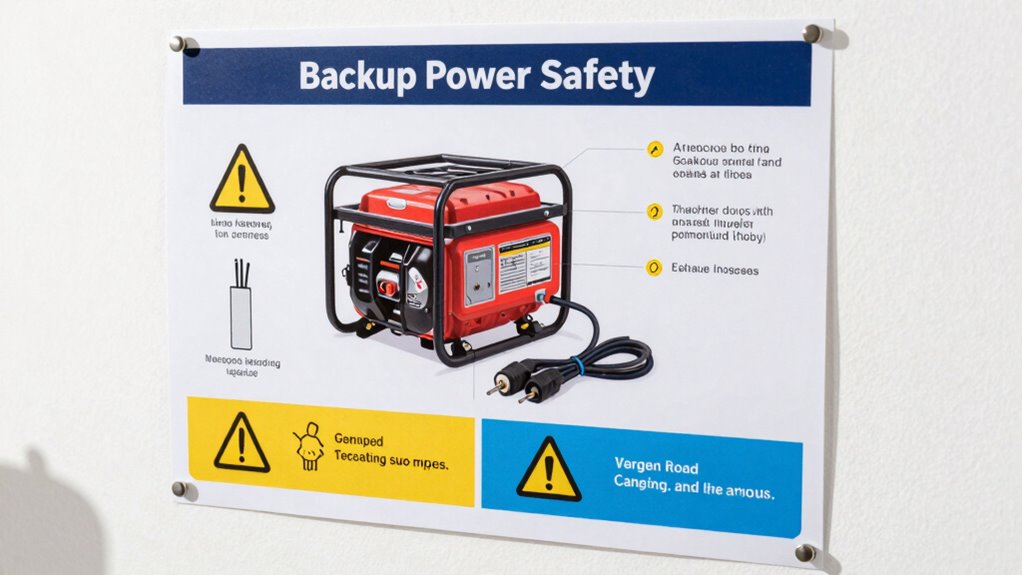

To stay safe with backup power, always follow basic rules like inspecting your generator regularly and keeping it outdoors in a well-ventilated area. Never connect it directly to your home’s main system without a transfer switch, and use proper extension cords. Turn off appliances before starting, keep children away, and have a fire extinguisher nearby. Staying aware of these safety tips helps prevent accidents and keeps your household protected—more important guidance awaits if you continue exploring.

Get backup power and energy gear delivered free with Prime
- Fast, free delivery on millions of items
- Prime Video, Amazon Music and more included
- Member-only deals all year
Key Takeaways
- Never connect a generator directly to your home’s main electrical system without a transfer switch.
- Operate the generator outdoors in a well-ventilated area to prevent carbon monoxide buildup.
- Use only heavy-duty, outdoor-rated extension cords in good condition for power connections.
- Turn off appliances before starting the generator, then connect after it runs smoothly; disconnect before shutting down.
- Keep a fire extinguisher nearby and regularly review safety guidelines to prevent fires and accidents.
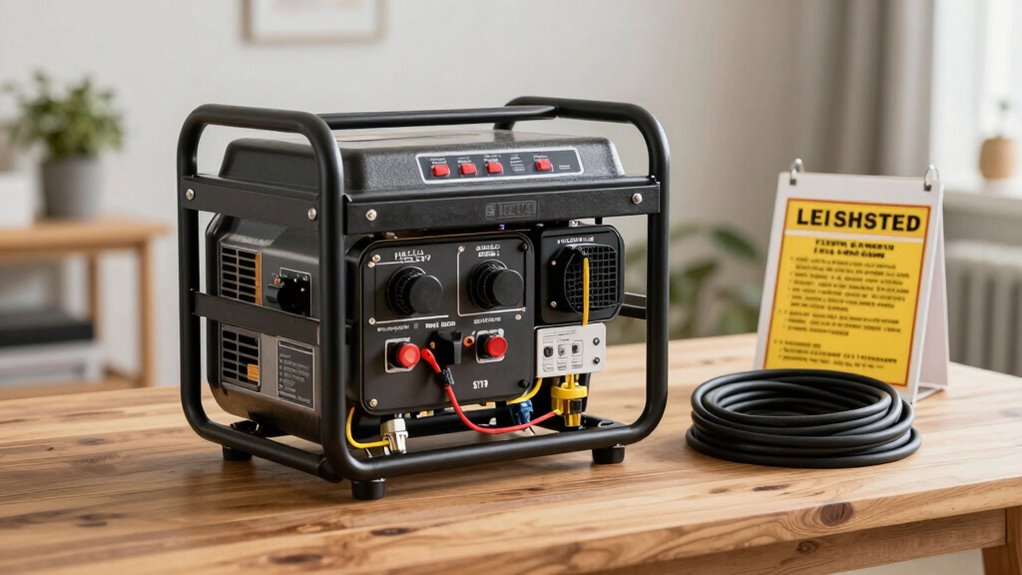
Having backup power sources at home can be a lifesaver during outages, but it’s vital to prioritize safety to prevent accidents or injuries. One of the most important safety measures is understanding proper generator maintenance. Regularly check your generator for any signs of wear or damage, and follow the manufacturer’s instructions for routine upkeep. Proper generator maintenance ensures it operates smoothly and reduces the risk of malfunctions that could lead to dangerous situations. Before each use, inspect the cord connections, fuel levels, and ventilation areas to prevent potential hazards. Keeping your generator in good condition isn’t just about extending its lifespan; it’s about safeguarding your household. Additionally, understanding the importance of generators and safety can help you stay informed about best practices during power outages. Electrical safety is another essential aspect to take into account. Never connect your generator directly to your home’s main electrical system without a transfer switch installed by a qualified electrician. Doing so creates a risk of backfeeding electricity into the grid, which can endanger utility workers and your neighbors. Always operate your generator outdoors in a well-ventilated area to avoid the buildup of carbon monoxide—a colorless, odorless gas that can be deadly. Never run the generator inside your garage, basement, or any enclosed space, even if doors or windows are open. Make sure to keep children and pets away from the generator during operation to prevent accidental injuries. When it comes to electrical safety, use only appliances and tools that are rated for generator use. Avoid overloading your generator, which can cause overheating or damage to your equipment. Use heavy-duty, outdoor-rated extension cords to connect appliances, and ensure cords are in good condition, free of cuts or frays. Remember, never plug your generator into a standard wall outlet or attempt to power your entire house from a single outlet, as this is extremely dangerous and can cause electrical fires. Proper generator operation is crucial for safety, including how you start and shut down the unit. Additionally, familiarize yourself with outdoor generator safety guidelines to further reduce risks during operation. It is also important to keep a fire extinguisher nearby in case of emergencies related to electrical or fuel-related fires. Furthermore, understanding home electrical systems can help prevent improper connections that might lead to dangerous situations. Finally, always follow safety rules when starting and shutting down your generator. Turn off all appliances before starting the generator, then connect only after the generator is running smoothly. When shutting down, disconnect appliances before turning off the generator. Keeping these safety rules in mind and practicing proper generator maintenance and electrical safety protocols can make your backup power system a reliable and safe resource during emergencies. Printing out these guidelines and reviewing them regularly helps guarantee you stay prepared and safe whenever you need backup power.
As an affiliate, we earn on qualifying purchases.
Frequently Asked Questions
Can I Connect Backup Power Directly to My Home’s Main Electrical Panel?
You shouldn’t connect backup power directly to your home’s main electrical panel without a proper transfer switch. Generator placement is essential—place it outdoors, away from windows and vents. Using a power transfer switch guarantees safe, reliable operation and prevents backfeeding, which can harm utility workers and damage your system. Always follow safety rules and consult a professional to set up your backup power correctly, making certain your home stays powered safely during outages.
What Should I Do if My Backup Generator Emits Strange Odors?
Think of your generator as a trusted friend—you need to pay close attention to its health. If it emits strange odors, stop using it immediately. Check for signs of overheating or fuel leaks, and perform routine generator maintenance to prevent issues. Odor detection is essential for safety, so ventilate the area and call a professional if odors persist. Don’t ignore warning signs; your safety depends on it.
Is It Safe to Run My Generator Indoors to Avoid Weather?
No, it’s not safe to run your generator indoors, even with indoor ventilation. Proper generator placement is essential; always operate it outside in a well-ventilated area to prevent carbon monoxide buildup. Running it indoors can lead to dangerous carbon monoxide poisoning, which is silent but deadly. Always follow safety guidelines, keep the generator away from windows and vents, and never compromise on outdoor placement for indoor use.
How Often Should I Test My Backup Power System?
An ounce of prevention is worth a pound of cure. You should test your backup power system at least once every three to six months. During these tests, check battery maintenance, making sure terminals are clean and connections tight. Also, inspect fuel storage for leaks or deterioration. Regular testing keeps your system reliable when needed most, so don’t delay—staying proactive guarantees safety and readiness when power’s out.
What Permits Are Required for Installing a Backup Generator?
You’ll need to obtain permits before installing your backup generator. Start by researching local regulations and the permit application process through your city or county building department. Proper generator placement is vital for safety and compliance, so include details about placement in your permit application. Following these steps helps guarantee your installation meets all safety standards, avoids penalties, and assures your generator functions reliably during power outages.
heavy-duty outdoor extension cords
As an affiliate, we earn on qualifying purchases.
As an affiliate, we earn on qualifying purchases.
Conclusion
By following these home backup power safety rules, you protect your loved ones, prevent hazards, and guarantee peace of mind. Stay alert, stay cautious, and stay prepared—because safety is your shield against potential danger. Keep your generator dry, your cords organized, and your knowledge sharp, so you’re ready for any outage. Remember, safety isn’t just a rule; it’s the foundation that keeps your home and family secure, now and always.
home backup generator transfer switch
As an affiliate, we earn on qualifying purchases.
As an affiliate, we earn on qualifying purchases.
portable fire extinguisher for generator use
As an affiliate, we earn on qualifying purchases.
As an affiliate, we earn on qualifying purchases.
Fall Picks
fall essentials
As an affiliate, we earn on qualifying purchases.