During long outages, guarantee your smoke detectors stay reliable by checking and replacing batteries regularly, ideally every 6–12 months, even if they seem fine. Install sealed 10-year alarms in hard-to-reach spots to cut maintenance; keep spare high-quality batteries nearby. Test alarms monthly and develop emergency plans for darkness. Proper placement and upkeep of your smoke detectors can save lives—discover more tips to keep your home safe during extended outages.
Key Takeaways
- Replace batteries every 6–12 months to ensure smoke detector reliability during outages.
- Use sealed 10-year lithium alarms to eliminate battery replacement needs during long outages.
- Keep spare high-quality batteries in a cool, dry place for quick replacement when needed.
- Test alarms monthly to confirm proper operation, especially after power restorations.
- Install backup, battery-powered alarms in hard-to-reach areas to maintain safety during electrical outages.

Anker SOLIX C1000 Gen 2 Portable Power Station, 2,000W (Peak 3,000W) Solar Generator, Full Charge in 49 Min, 1,024Wh LiFePO4 Battery for Home Backup, Power Outages, and Camping (Optional Solar Panel)
49 Min UltraFast Recharging: With upgraded HyperFlash tech, fully recharge at 1,600W—for outage prepping, camping trips, or tailgating...
As an affiliate, we earn on qualifying purchases.
Understanding Your Smoke Detector’s Power Sources

Understanding your smoke detector’s power sources is vital for guaranteeing it functions properly during emergencies. Your detector may rely on different power options: replaceable batteries, sealed long‑life batteries, or direct electrical wiring with backup batteries. Alkaline 9V or AA batteries typically last 6–12 months, so regular replacement is essential. Some models use sealed lithium batteries designed to last the full 10-year lifespan of the alarm, eliminating the need for battery changes during that period. Hardwired alarms depend on household electricity but still require backup batteries, which vary in lifespan based on capacity. Knowing the type of power source your smoke detector uses helps you plan maintenance, prevents failures, and guarantees your safety during power outages or emergencies. Regular checks and understanding these sources keep your alarm ready to alert you when it matters most. Proper maintenance of your smoke detector’s power sources is crucial for ensuring reliable operation during extended outages. Additionally, familiarizing yourself with battery lifespan and replacement schedules can prevent unexpected failures when you need your alarm the most. Being aware of the different power options ensures you select the right type for your home’s needs and maintain optimal safety. Recognizing the power source type can also influence your choice of smoke detector to suit specific household requirements. Regular testing and awareness of battery replacement procedures further enhance safety and device reliability.

Jackery Portable Power Station Explorer 300, 293Wh Backup Lithium Battery, Solar Generator for Outdoors Camping Travel Hunting Blackout (Solar Panel Optional)
SPEED UP YOUR RECHARGEABILITY: It takes only 2 hours to recharge 80% battery of the power station through...
As an affiliate, we earn on qualifying purchases.
Best Practices for Battery Maintenance and Replacement
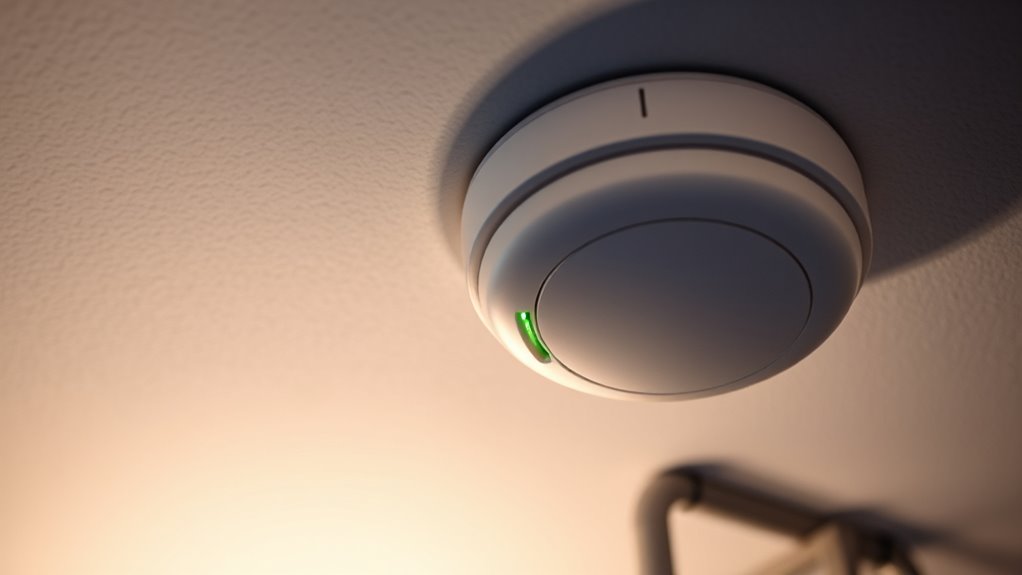
To guarantee your smoke detector remains reliable during emergencies, maintaining and replacing batteries on a regular schedule is essential. Test your alarms monthly by pressing the test button to ensure proper operation. Replace batteries at least every 6–12 months, or immediately if you hear chirping, indicating low power. For alarms with replaceable batteries, use high-quality alkaline or manufacturer-recommended lithium cells. Never delay replacing batteries to avoid false alarms or failure during outages. Keep a record or set reminders to track replacements, ideally aligning with calendar dates or daylight saving time changes. For 10-year sealed-battery alarms, replace the entire unit after a decade. Regular maintenance ensures your smoke detector functions correctly when you need it most, especially during prolonged outages. Additionally, integrating smart home safety devices can enhance your home’s overall fire safety and monitoring capabilities. Understanding battery technology can help you make better choices for long-term reliability and safety, as advancements such as long-life batteries can reduce the frequency of replacements. Being aware of battery lifespan can also guide you in planning timely replacements and upgrades. Staying informed about new battery innovations can further improve your fire safety preparedness.

APC UPS 600VA / 330W UPS Battery Backup & Surge Protector, 7 Outlets (NEMA 5-15R), USB Charging Port, BE600M1 Uninterruptible Power Supply for Computers, Wi-Fi Routers, and Home Office Electronics
KEEP YOUR COMPUTER, WI-FI AND ROUTER RUNNING THROUGH POWER OUTAGES: Supplies short‑term battery power during outages to maintain...
As an affiliate, we earn on qualifying purchases.
Strategies for Managing Power Outages and Extended Darkness

During extended power outages and periods of darkness, proactive planning is essential to guarantee your smoke detectors stay operational. Start by ensuring all alarms have fresh batteries before an outage occurs, ideally replacing batteries every 6–12 months. Keep spare high-quality batteries stored in a cool, dry place, and rotate stock regularly to prevent expiration. Consider installing 10-year sealed-battery alarms in hard-to-reach areas to minimize maintenance during outages. Maintain a portable, battery-powered smoke alarm or a charged backup unit in your emergency kit. Keep a small step ladder and tools nearby for quick battery changes if needed. After a power outage, test your alarms immediately to confirm functionality. Regularly review and update your emergency plan to include smoke detector checks during prolonged darkness to ensure safety. Utilizing innovative European cloud servers can also help manage and monitor your safety devices remotely during extended outages. Additionally, incorporating reliable backup power sources like generators or solar-powered units can further enhance your safety preparedness during long-term outages.

CyberPower ST425 Standby UPS Battery Backup and Surge Protector, 425VA/260W, 8 Outlets, Compact, UL Certified
425VA/260W Standby Battery Backup Uninterruptible Power Supply (UPS) System uses simulated sine wave output to safeguard home office...
As an affiliate, we earn on qualifying purchases.
Choosing the Right Alarm for Long-Term Reliability

Choosing the right smoke alarm can substantially improve your long-term reliability and safety, especially during extended outages. Opt for models with sealed 10-year lithium batteries to minimize maintenance and guarantee continuous operation without frequent battery changes. These alarms last their full service life without replacement, reducing the risk of failure during outages. If you prefer traditional alarms, select those with alkaline batteries that are easy to replace every 6–12 months. Hardwired alarms with backup batteries provide added reliability, especially in critical areas, but require regular testing and backup battery replacement. Consider the environment—high ceilings or hard-to-reach spots are best suited for sealed-battery units. Always follow manufacturer recommendations, and prioritize alarms with clear indicators of battery status and sensor health for maximum safety. Additionally, choosing reliable smoke alarms can significantly enhance your safety during prolonged power outages, especially when equipped with long-lasting batteries designed for extended reliability. Incorporating advanced sensor technology can also improve detection accuracy and reduce false alarms, ensuring you stay protected in all scenarios. To ensure consistent safety, regularly testing your alarms and understanding their battery status indicators is crucial for reliable operation.
Safety Tips for Outage Preparedness and Emergency Response
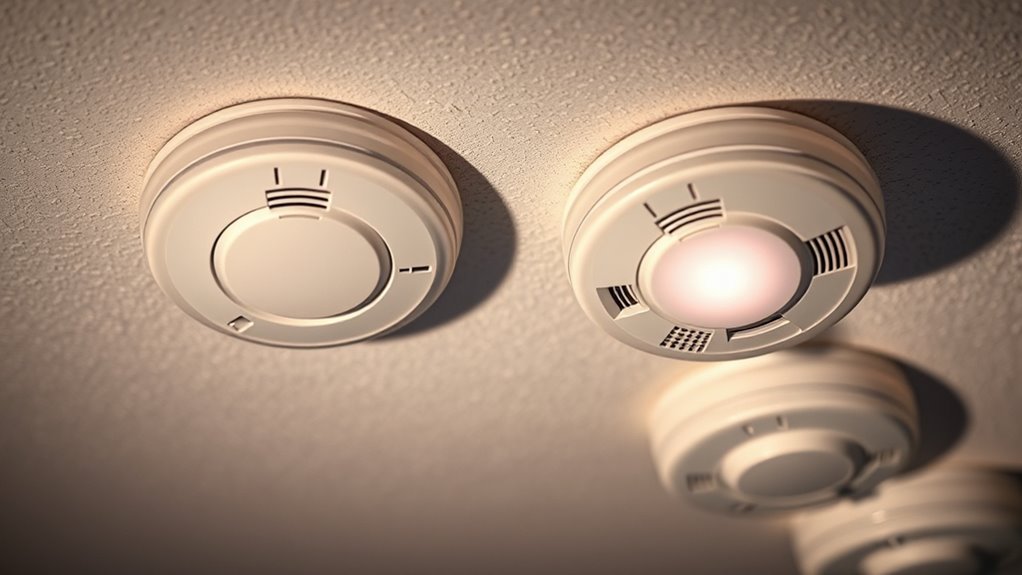
Preparing for power outages involves proactive steps to guarantee your smoke alarms remain reliable and your safety is maintained. First, test all alarms monthly to ensure they’re functioning properly. Replace batteries at least every 6–12 months, or immediately if you hear chirping. Keep spare, high-quality batteries in a cool, dry place for quick replacements during outages. Consider installing sealed 10-year alarms in hard-to-reach areas to minimize maintenance. Create and practice an emergency plan with your household, including escape routes and safe meeting points. Keep a portable, battery-powered smoke alarm or charged backup in your emergency kit for extended outages. Maintain a ladder and tools nearby for quick access to alarms if needed. Regularly review and update your plans to stay prepared for any situation. Additionally, understanding your home’s cleaning appliances and systems can help ensure they remain in good working order, contributing indirectly to overall safety during emergencies. Staying informed about power outage preparedness can further enhance your safety measures. For example, knowing how to properly maintain battery habits can be a lifesaver during extended outages, and being aware of the importance of smoke alarm placement can maximize detection effectiveness. Regularly checking the alarm testing procedures ensures consistent safety performance.
Frequently Asked Questions
Can I Use Rechargeable Batteries in My Smoke Detector for Long-Term Power?
You can use rechargeable batteries in your smoke detector, but it’s not ideal for long-term power. Rechargeable cells like lithium-ion or NiMH may not hold a charge as long as alkaline or sealed 10-year lithium batteries, especially during outages. They also require regular recharging and maintenance. For reliable safety, opt for sealed 10-year batteries or replace standard batteries every 6–12 months, and test your alarm monthly to guarantee proper function.
How Do I Identify if My Alarm’s Battery Is Truly Dead or Faulty?
Did you know that most smoke alarms chirp when the battery is low? To identify if your alarm’s battery is dead or faulty, press the test button—if it doesn’t sound or responds weakly, the battery is likely bad. Check for consistent chirping or warning signals. Replacing the battery with a fresh, manufacturer-recommended type often solves the issue. If problems persist, consider replacing the entire unit to ensure safety.
Are There Specific Brands Recommended for Long-Lasting Backup Batteries?
You should choose brands like Duracell, Energizer, or Panasonic for long-lasting backup batteries. These brands are known for their reliability, stable power output, and longer shelf life, making them ideal for emergency preparedness. Always opt for fresh, high-quality batteries, and verify the expiration date before purchasing. Regularly test your smoke alarms and replace batteries at recommended intervals to ensure they function properly during outages.
What Are the Signs That a Smoke Detector Needs Replacement Before 10 Years?
You notice your smoke detector chirping unexpectedly or failing to respond during tests—that’s a warning sign. Reduced sensitivity or persistent false alarms also signal trouble. If it’s over 10 years old, replace it immediately, even if it seems fine. Don’t overlook these signs; your safety depends on a fully functioning detector. Regular testing and prompt replacement ensure you’re protected when it matters most.
Can External Power Sources Extend the Backup Life During Outages?
External power sources can extend your smoke detector’s backup life during outages by providing continuous power, reducing reliance on batteries. Hardwired alarms with backup batteries benefit from this, especially if the main power stays on. However, during extended outages, the backup batteries will still eventually drain, so it’s wise to have spare batteries and a plan to replace them. Regular testing and maintenance remain essential for safety.
Conclusion
Remember, your smoke detector is the silent guardian watching over your home, a steady lighthouse amid darkness. By maintaining its batteries and choosing reliable models, you keep that beacon shining bright during life’s storms. When you prioritize these small acts, you’re forging a shield that protects what matters most—your loved ones. Keep the flame of safety alive, and let your preparedness be the guiding light that leads you through every blackout and emergency.