
TL;DR

Get backup power and energy gear delivered free — and shop member deals
- Fast, free delivery on millions of items
- Access to Prime Big Deal Days deals on October 6–7
- Prime Video, Amazon Music and more included
London Underground has initiated a facial recognition pilot program, scanning passengers’ faces at select stations. The move aims to improve security but raises privacy questions. The program’s scope and legal basis remain unclear.
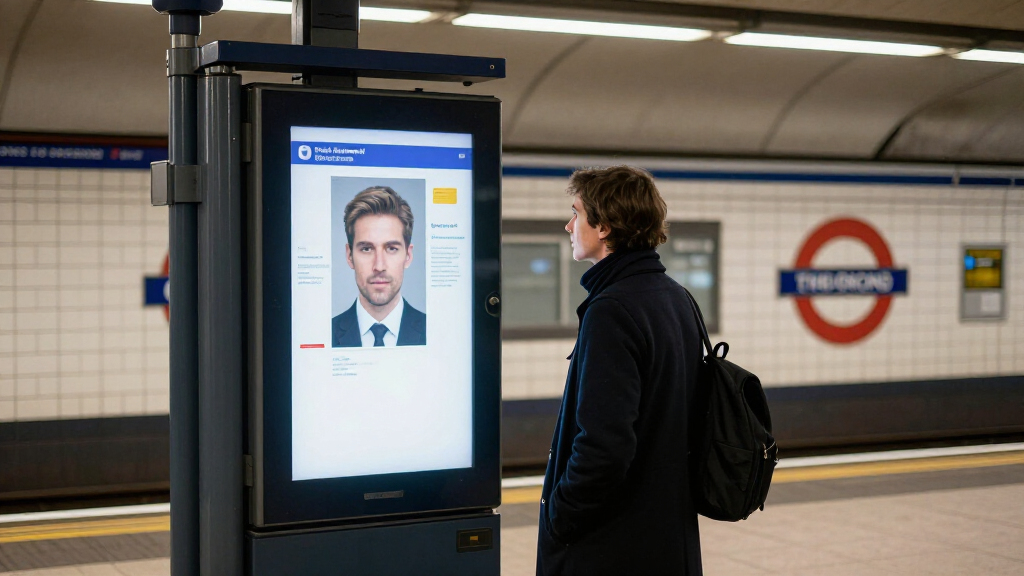
London Underground has begun implementing facial recognition technology to scan passengers at select stations, marking a significant shift in security procedures. The initiative, confirmed by Transport for London (TfL), aims to enhance safety and streamline passenger verification, but it has sparked privacy concerns among advocacy groups and passengers.
According to TfL officials, the face scanning system is currently in a trial phase at a few central London stations. The technology captures images of passengers’ faces and compares them against a database of wanted individuals or persons of interest. TfL states that the data collected is processed locally and not stored long-term. The pilot program was launched approximately two weeks ago and is expected to run for several months.
Passengers at the participating stations have reported the presence of new cameras equipped with facial recognition software. TfL has emphasized that the system is voluntary, with signage informing travelers about the process. The technology is supplied by a private security firm, with TfL overseeing its deployment and compliance with data protection laws.
Legal experts and privacy advocates have raised concerns about the potential for misuse and the lack of explicit consent from passengers. The UK Information Commissioner’s Office (ICO) has stated it is monitoring the situation and has not yet issued any specific rulings regarding the pilot.
Implications for Passenger Privacy and Security
This development signals a potential shift in how public transit authorities may use biometric data for security purposes. While TfL asserts that the system is designed to enhance safety and aid law enforcement, critics argue that it raises fundamental questions about individual privacy rights and data security. The pilot could set a precedent for broader adoption of facial recognition technology across other transport networks and public spaces.
facial recognition security camera
As an affiliate, we earn on qualifying purchases.
As an affiliate, we earn on qualifying purchases.
Previous Use of Facial Recognition in UK Public Spaces
Facial recognition technology has been tested in the UK in various contexts, including at football matches and in shopping centers, often amid controversy. The Metropolitan Police previously used similar technology for crime prevention, but its use has faced legal challenges and public scrutiny. TfL’s move to implement it on the London Underground marks a notable expansion of biometric surveillance in everyday transit.
The UK government has expressed support for biometric tools to combat crime, but legal frameworks governing their deployment remain under debate. The current pilot is part of a broader trend toward integrating advanced surveillance tools in public infrastructure.
“The facial recognition system is a voluntary pilot aimed at exploring new security measures to protect passengers and staff.”
— Transport for London spokesperson
As an affiliate, we earn on qualifying purchases.
Legal and Privacy Risks Still Under Review
It is not yet clear whether the facial recognition pilot fully complies with UK data protection laws or if it will be expanded beyond the current stations. The ICO has not issued specific rulings related to this trial, and legal challenges could arise as more details emerge.
As an affiliate, we earn on qualifying purchases.
Monitoring, Evaluation, and Possible Expansion
TfL plans to monitor the pilot closely, collecting data on its effectiveness and public response. Results will inform decisions on whether to expand the program across the network or modify its operation. Legal and privacy reviews are ongoing, and further government guidance may influence future deployment.
face recognition anti-surveillance device
As an affiliate, we earn on qualifying purchases.
As an affiliate, we earn on qualifying purchases.
Key Questions
Is participation in face scanning mandatory for London Underground passengers?
No, the system is described as voluntary, with signage informing passengers about the process. Passengers can choose whether to proceed through the scanning area.
What data is collected during the facial recognition process?
According to TfL, images are captured and processed locally, with no long-term storage of biometric data. The system compares faces against a watchlist for security purposes.
Could this technology be expanded across all London Underground stations?
It is currently under trial at select stations. Any expansion would depend on the pilot’s success, legal considerations, and public acceptance.
What legal protections exist for passengers’ biometric data?
The UK Data Protection Act and GDPR govern biometric data handling. TfL states it is complying with these laws, but privacy groups remain cautious about potential misuse.
Source: hn
Fall Picks
fall essentials
As an affiliate, we earn on qualifying purchases.