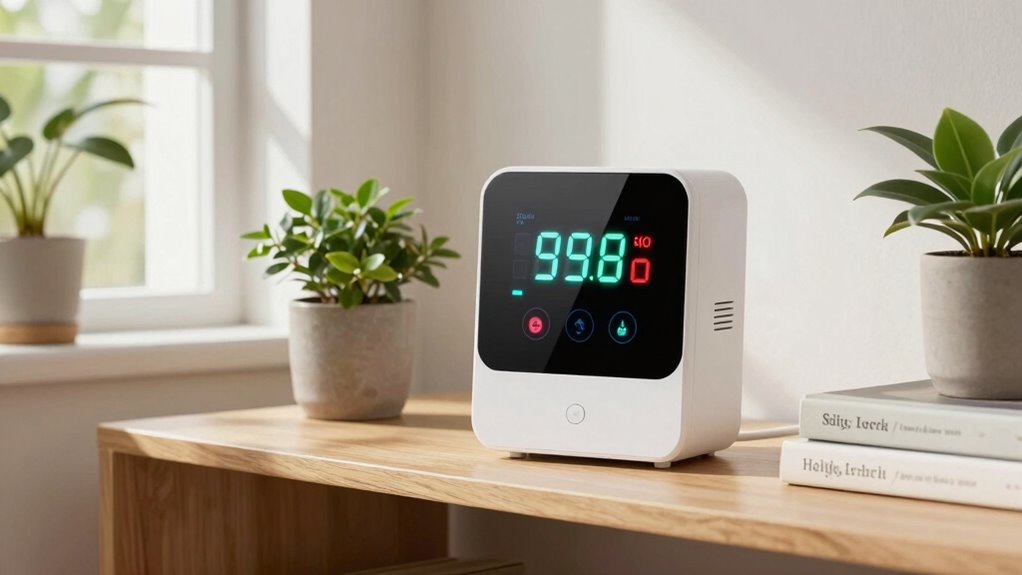
A good air quality monitor helps you identify hidden pollution sources like cooking fumes, cleaning products, and outdoor pollutants that can harm your health. It provides real-time data on VOCs, CO₂, and particulate matter, allowing you to make quick adjustments to ventilation or use air purifiers effectively. By understanding indoor pollution patterns, you can take proactive steps to improve safety and health. Keep exploring to learn how this tool can make your home safer every day.
Open a free Amazon Business account
Business pricing, bulk buying and tax-exempt orders.
As an affiliate, we earn on qualifying purchases.
Key Takeaways
- Provides real-time data to identify and address indoor pollution sources promptly.
- Guides effective ventilation and airflow management to maintain healthy indoor environments.
- Detects hazardous pollutant spikes, preventing long-term health risks.
- Monitors humidity and mold risk, safeguarding home structure and occupant health.
- Supports targeted interventions, improving overall safety and indoor air quality control.
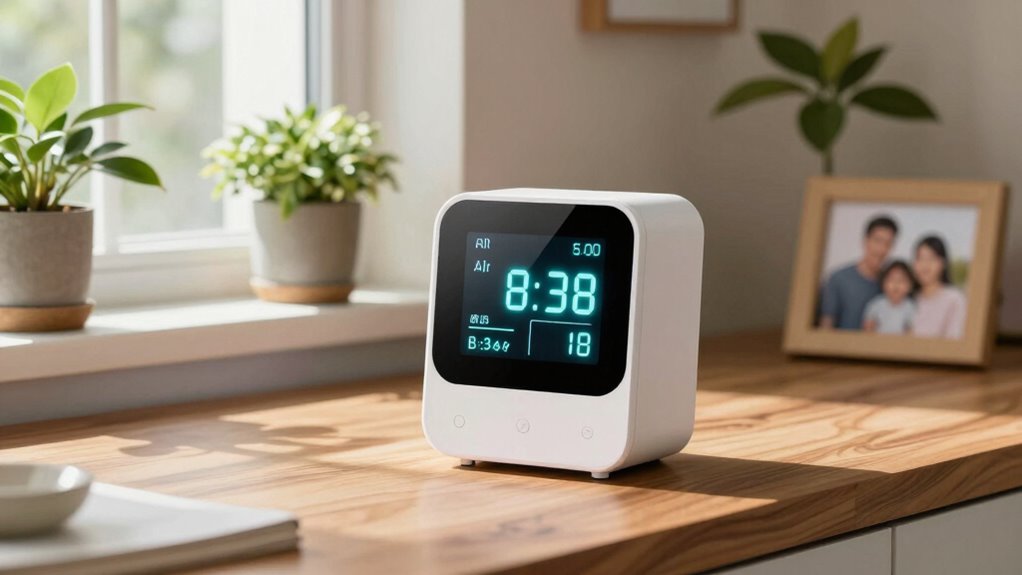
Maintaining a safe and healthy home environment starts with understanding the air you breathe. Indoor pollution can silently affect your well-being, often stemming from sources like cooking, cleaning products, or even outdoor pollutants that enter through open windows. An air quality monitor becomes an essential tool in identifying these hidden dangers, allowing you to take proactive steps toward improving your indoor environment. By continuously measuring levels of pollutants such as volatile organic compounds (VOCs), carbon dioxide, and particulate matter, you gain real-time insights into your home’s air quality. This information empowers you to make informed decisions, whether it’s opening a window, adjusting your ventilation system, or using air purifiers more effectively.
Ventilation systems play a vital role in maintaining good indoor air quality, but they work best when you understand what’s happening inside your home. An air quality monitor acts as a feedback loop, alerting you to when your ventilation isn’t enough or when certain pollutants are rising to unsafe levels. For example, if your monitor detects a spike in VOCs after cleaning, you know to increase ventilation or switch to less toxic cleaning agents. In homes with poor airflow, a monitor can highlight the need for upgrades or repairs to your ventilation systems, preventing the buildup of indoor pollution that might cause health issues down the line. Understanding indoor pollution sources is crucial for effective mitigation and maintaining a healthier living environment. Additionally, knowing how to interpret air quality data helps you respond more effectively to potential hazards.
Having a good air quality monitor also helps you get ahead of potential hazards, especially in areas prone to mold or high humidity. Elevated humidity levels can foster mold growth, which not only damages your home but can also lead to respiratory problems. Recognizing these issues early allows you to adjust your ventilation systems or dehumidifiers, reducing health risks and protecting your home structure. Additionally, in homes with pets or smokers, an air quality monitor provides ongoing insight into how much pollutants are accumulating, helping you maintain a safer environment for everyone. Proper air quality management is essential to creating and sustaining a healthier living space. Furthermore, understanding indoor pollution sources enables you to implement targeted strategies for better air quality control.
air quality monitor VOC CO2 particulate matter
As an affiliate, we earn on qualifying purchases.
As an affiliate, we earn on qualifying purchases.
Frequently Asked Questions
How Often Should I Calibrate My Air Quality Monitor?
You should calibrate your air quality monitor at least once every six months to guarantee accurate readings. Regular sensor calibration is essential for device maintenance, helping the monitor detect pollutants precisely. If you notice inconsistent or unexpected readings, recalibrate sooner. Proper calibration maintains the device’s reliability, ensuring you get accurate data for safe, healthy living. Follow your manufacturer’s instructions for calibration frequency and procedures for maximum performance.
Can an Air Quality Monitor Detect All Indoor Pollutants?
An air quality monitor can’t detect all indoor pollutants because of limitations in monitoring technology. It primarily tracks common issues like particulate matter, VOCs, and carbon dioxide, but may miss specific indoor pollution sources like mold spores or certain chemicals. To guarantee thorough indoor pollution detection, you might need specialized sensors or additional testing. Regular monitoring helps you identify air quality shifts, but understanding its limitations keeps you informed.
What Is the Typical Lifespan of an Air Quality Monitor?
A stitch in time saves nine: the typical lifespan of an air quality monitor usually ranges from 3 to 5 years. To keep your device performing well, you need to prioritize sensor maintenance and monitor device durability. Regular calibration and cleaning extend its life, ensuring accurate readings. While some models last longer, investing in quality and proper upkeep guarantees your monitor stays reliable, safeguarding your home effectively.
Are There Any False Alarms With Air Quality Monitors?
False alarms can happen with air quality monitors, often caused by sudden changes or sensor glitches. To reduce false alarms, you should check the calibration frequency recommended by the manufacturer and guarantee the device is properly maintained. Regular calibration helps keep readings accurate, minimizing unnecessary alerts. While false alarms are possible, proper upkeep and understanding your monitor’s settings make it easier to trust the alerts and maintain safe indoor air quality.
How Does Outdoor Air Quality Impact Indoor Readings?
Outdoor pollution directly impacts indoor readings because outdoor air often carries pollutants like smog, pollen, and dust indoors through open windows, doors, and ventilation systems. Poor indoor ventilation can trap these pollutants inside, worsening air quality. To maintain safe indoor environments, you should monitor outdoor pollution levels and improve ventilation when outdoor air quality is poor, ensuring your indoor air remains fresh and healthy.
indoor air quality sensor with real-time data
As an affiliate, we earn on qualifying purchases.
As an affiliate, we earn on qualifying purchases.
Conclusion
So, here’s the truth: a good air quality monitor isn’t just a gadget—it’s your home’s safety watchdog. Many believe these devices only track pollution, but they also catch hidden dangers like carbon monoxide and humidity issues that can threaten your family’s health. By investing in one, you’re not just monitoring air; you’re actively safeguarding your home and loved ones. Think of it as a small device with a big impact—peace of mind starts with awareness.
As an affiliate, we earn on qualifying purchases.
smart air quality monitor for home
As an affiliate, we earn on qualifying purchases.
As an affiliate, we earn on qualifying purchases.
Fall yard work Picks
leaf blowers
As an affiliate, we earn on qualifying purchases.