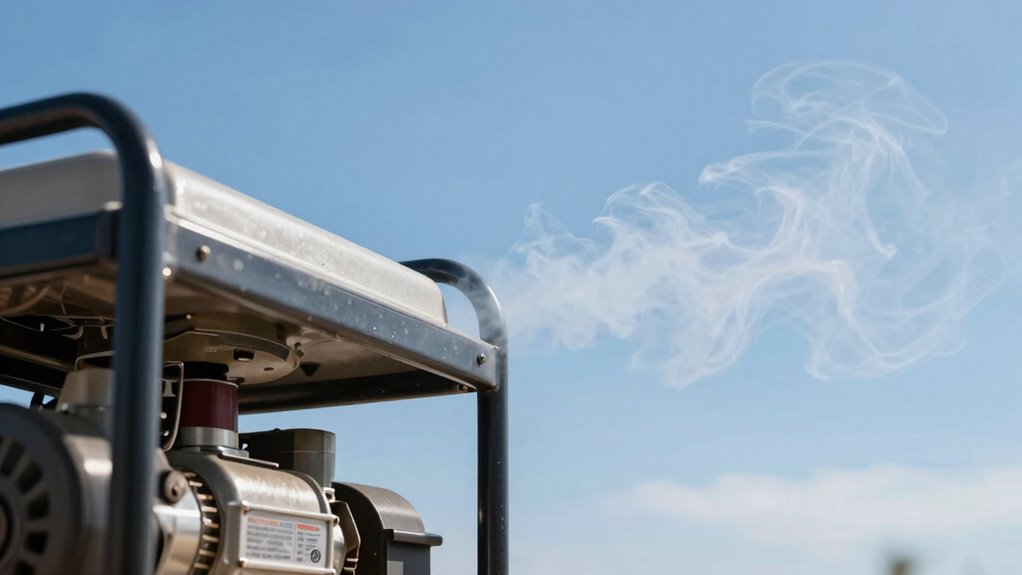

Generator exhaust releases carbon monoxide (CO), an odorless and dangerous gas, and wind greatly influences how it disperses. If wind blows away from you, exhaust is safer; if it blows toward you, CO can concentrate and pose serious risks. Proper placement, wind awareness, and using barriers help keep you safe. Understanding how wind affects exhaust dispersal is key—a point you’ll find essential to staying protected as you explore more.
Key Takeaways
- Wind direction and speed critically influence how generator exhaust disperses, affecting CO concentration levels nearby.
- Proper placement of generators, away from structures and vents, minimizes the risk of CO accumulation due to wind effects.
- Wind can either dilute CO gases, reducing danger, or recirculate them toward occupied areas, increasing health risks.
- Sudden wind shifts can cause unpredictable exhaust dispersal, creating dangerous CO pockets close to generators.
- Using barriers, elevated outlets, and monitoring weather conditions enhances exhaust dispersal and safety.
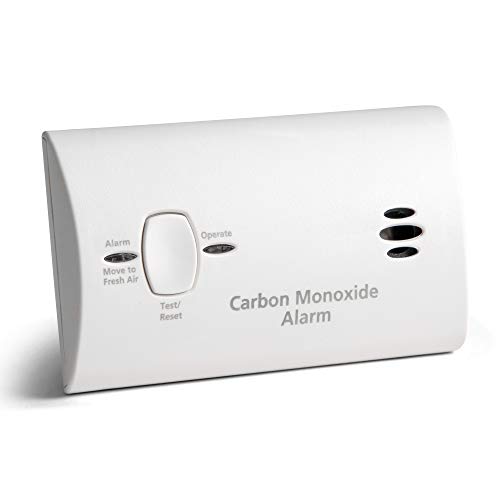
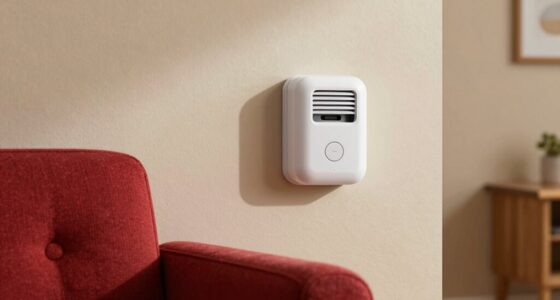
Kidde Carbon Monoxide Detector, AA Battery Powered, Portable for Travel or Home, 85 dB Alarm, LED Status Indicators, 3rd Edition
Electrochemical sensor technology detects CO gas
As an affiliate, we earn on qualifying purchases.
As an affiliate, we earn on qualifying purchases.
How Generator Exhaust Contributes to Carbon Monoxide Risks
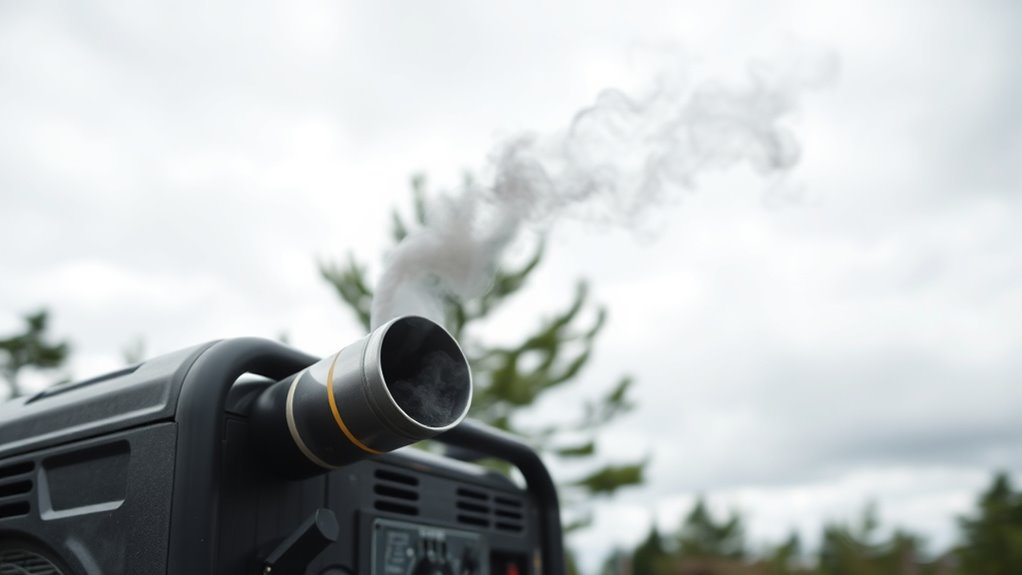
Generator exhaust is a primary source of carbon monoxide (CO) in residential and emergency settings, and its dangers are often underestimated. When you operate a generator, it releases CO at high rates—sometimes hundreds or thousands of grams per hour—comparable to emissions from dozens of cars. If you place the generator too close to your home or in enclosed spaces, the CO can quickly accumulate to deadly levels. Even small, continuous emissions can cause dangerous indoor concentrations over time, especially when ventilation is poor. Proper placement and ventilation are essential to reduce risks, as air circulation can significantly impact CO buildup indoors. Poor maintenance, malfunctioning equipment, or improper fueling can increase emissions further. Additionally, emission control devices can help reduce the amount of CO released from generators, improving safety. Regular equipment inspections are vital to ensure your generator operates efficiently and safely. Without proper placement, control devices, or early detection, you risk exposing yourself and others to a silent, invisible threat that can cause illness or death. modern kitchen technology can also help in monitoring indoor air quality to prevent CO buildup. Additionally, installing carbon monoxide detectors is critical for early warning and safety.

Generator Exhaust Extension Silencer Kit with Three Universal Adapters Compatible ALL Portable Generators with ALL-IN-ONE KIT,Insulated Through-Wall Mounting Plate Safely Vent Exhaust Reduce Noise 55%
【ENHANCED COMPATIBILITY & CUSTOM FIT】Our upgraded generator exhaust extension kit is designed to fit most makes and models…
As an affiliate, we earn on qualifying purchases.
As an affiliate, we earn on qualifying purchases.
The Role of Wind in Dispersing or Concentrating Exhaust Plumes
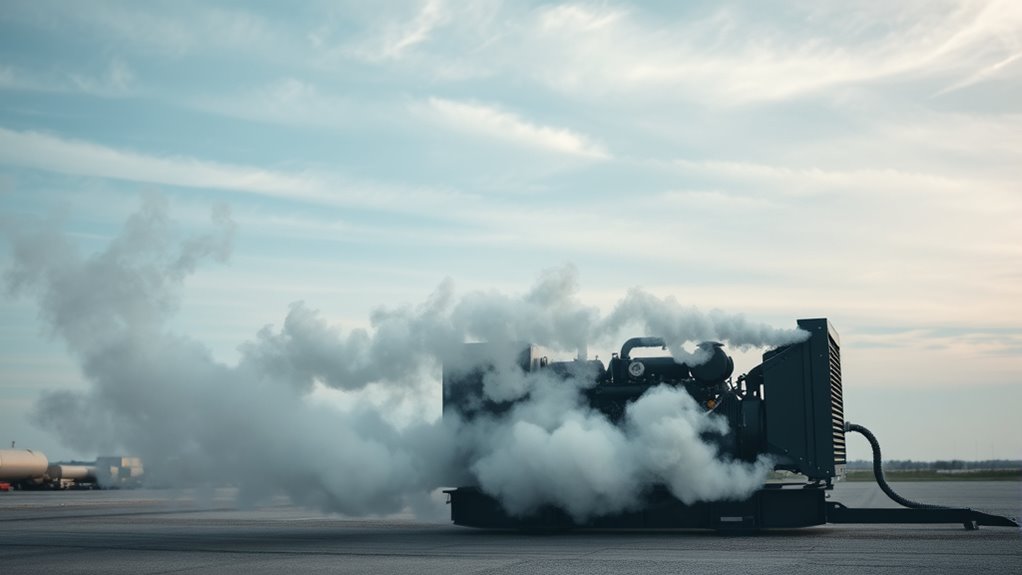
Wind plays a significant role in determining whether exhaust plumes from a generator disperse harmlessly into the environment or concentrate dangerously around occupied spaces. When wind blows steadily, it can rapidly dilute exhaust, reducing CO buildup outside and decreasing the risk of infiltration into buildings. However, variable or calm conditions can cause exhaust to linger and recirculate, especially near structures. Turbulent winds can entrain and carry concentrated plumes unpredictably, directing dangerous CO levels toward open windows or vents. Complex site features, like walls or overhangs, create recirculation zones that trap exhaust and raise local CO levels despite ambient wind. Poor placement—such as near air intakes or close to buildings—exacerbates risks, as wind may carry exhaust directly into occupied spaces, increasing danger. Understanding airflow patterns is crucial for safe generator placement and operation. Additionally, wind speed and direction can change rapidly, making it essential to monitor weather conditions before operating a generator outdoors. Recognizing the importance of airflow dynamics can help prevent dangerous CO accumulation and ensure safer operation of outdoor generators.

DIY Small Wind Turbine Generator Kit and Light Strip for Backyard Decoration Free Energy Generator Garden Decor 18 Inches Diameter
Wind-Powered Automatic Lighting: This small wind-mill generator powers a 10-meter colorful tape lights that is used to decorate…
As an affiliate, we earn on qualifying purchases.
As an affiliate, we earn on qualifying purchases.
Common Placement Mistakes That Increase Danger
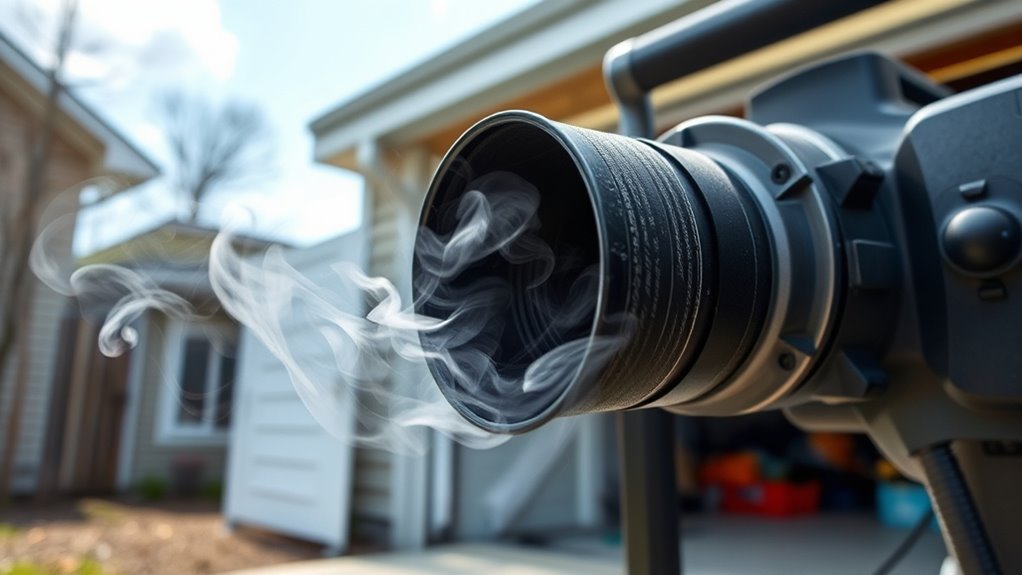
Placing a generator too close to your home or open windows can create a dangerous buildup of carbon monoxide. When you position your generator near doors, vents, or air intakes, exhaust can easily infiltrate indoor spaces, especially if wind blows toward these openings. Using generators on porches, balconies, or under overhangs traps exhaust in semi-enclosed areas, increasing CO risk. Operating generators inside garages, sheds, or enclosed structures—even with doors or windows open—causes rapid CO accumulation. Moving generators close to open windows or vents without considering wind direction worsens the danger, as exhaust can be drawn inside. Failing to maintain proper distance and neglecting wind effects can turn your outdoor setup into a deadly trap, highlighting the importance of thoughtful placement. Proper placement of equipment and awareness of environmental factors are crucial for safe generator operation. Additionally, understanding wind patterns can help you position your generator safely to prevent exhaust from entering living spaces. Recognizing terrain and surrounding structures can further enhance safety measures. Being mindful of wave and wind conditions can significantly influence how exhaust disperses, further reducing risk.

AEGTEST AGT-2309 Portable Carbon Monoxide Detector, 15-Day Standby, Rechargeable Mini CO Monitor with Lanyard for Travel & Camping, Handheld CO Meter with Audible & Visual Alerts, 0-1000ppm – Blue
Carbon Monoxide Detector: The AGT-2309 is a portable carbon monoxide detector designed for long-term monitoring of carbon monoxide…
As an affiliate, we earn on qualifying purchases.
As an affiliate, we earn on qualifying purchases.
Strategies for Safe Generator Use in Varying Wind Conditions
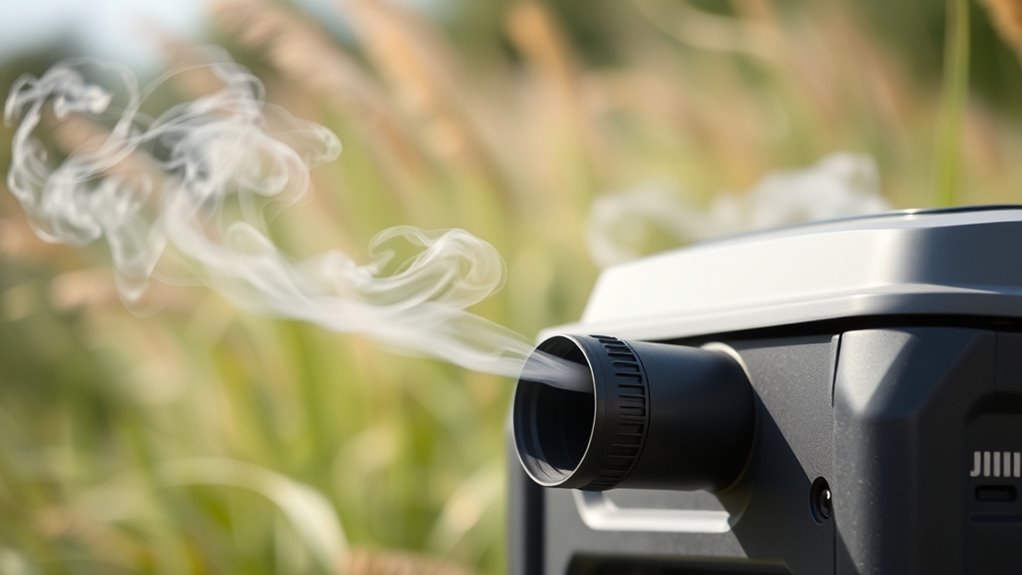
Adapting your generator setup to changing wind conditions is essential for preventing carbon monoxide buildup. First, always position your generator at least 20 feet away from your home, directing exhaust away from windows, vents, and air intakes. Monitor wind direction and speed before operating; if wind shifts toward your home, reposition the generator immediately. Use windocks, barriers, or shields to deflect exhaust in adverse conditions. Avoid placing the generator in enclosed or semi-enclosed spaces, especially during calm or stable weather when exhaust can linger. Regularly check that your generator is well-maintained and equipped with safety features like CO sensors and automatic shutoff. Being attentive to wind changes and adjusting placement accordingly considerably reduces the risk of dangerous CO concentrations inside your home. Incorporating creative storytelling into your safety instructions can help ensure clear communication and better adherence to these precautions. Additionally, understanding the dynamics of wind can aid in predicting how exhaust disperses in different weather scenarios. Recognizing wind patterns allows you to anticipate potential changes and proactively adjust your setup for maximum safety. Paying attention to dog safety considerations can also help in developing comprehensive safety measures, especially if pets are present during generator use. Moreover, being aware of aviation regulations related to outdoor equipment placement can ensure compliance and safety.
Public Health Measures and Recommendations for Prevention
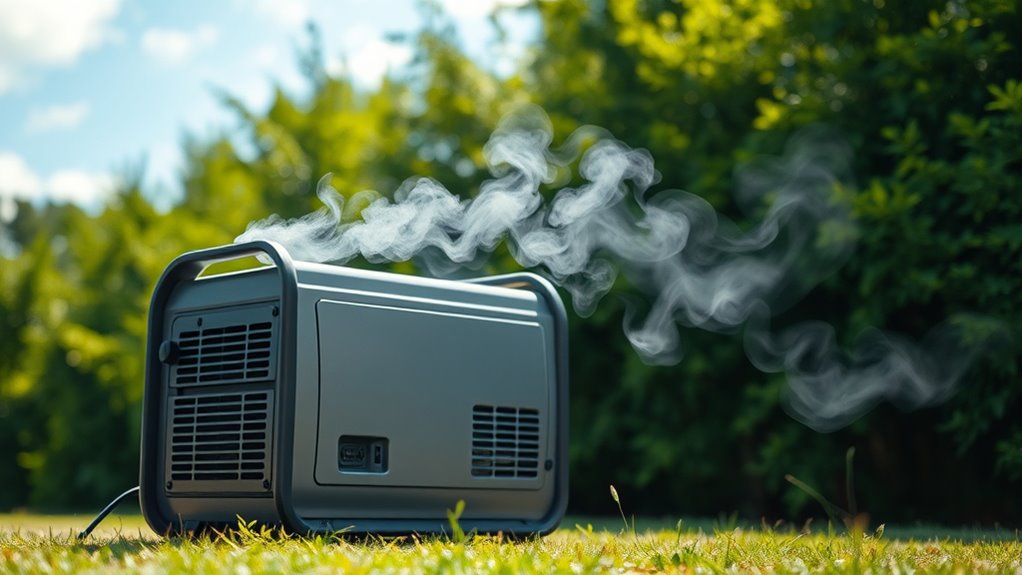
Effective public health strategies are vital for reducing generator-related carbon monoxide (CO) poisoning risks. You should always keep generators outdoors, at least 20 feet from occupied spaces, and direct exhaust away from buildings. Installing CO alarms in sleeping areas and living spaces provides early warning, but they’re not substitutes for proper placement. Use models with automatic shutoff and modern safety certifications like UL 2201 or PGMA G300-2018 to lower risks. Avoid placing generators in alcoves, under overhangs, or near HVAC intakes, and maintain your equipment properly. During power outages, community messaging and distribution of CO-safe generators and detectors help prevent incidents. Training first responders and raising awareness about safe practices are vital to protecting vulnerable populations from hidden dangers of CO exposure. Proper placement and maintenance of generators are essential components of an effective safety plan. Additionally, understanding and implementing generator exhaust airflow best practices can significantly reduce CO accumulation in nearby areas, especially when considering ventilation techniques to improve exhaust dispersal. Furthermore, employing airflow management strategies can further optimize exhaust dispersal and minimize CO risks in various environments. Incorporating public awareness campaigns about CO dangers can also enhance community safety and compliance with safety guidelines.
Frequently Asked Questions
How Do Different Wind Speeds Impact CO Accumulation Around Generators?
You should know that wind speed substantially affects CO buildup around generators. Calm or low winds allow exhaust to accumulate near structures, increasing danger. Moderate winds can disperse CO, reducing risks outdoors, but unpredictable turbulent winds may carry concentrated exhaust into occupied spaces. Strong winds generally help dilute CO but can also direct exhaust toward buildings if not properly positioned. Always consider wind conditions when placing your generator to prevent dangerous indoor CO levels.
Can Natural Terrain Features Influence Exhaust Dispersion and Re-Entry Risks?
Have you considered how natural terrain features can affect exhaust dispersion and re-entry risks? They can substantially influence CO buildup by creating recirculation zones, trapping exhaust near structures, or redirecting plumes toward occupied spaces. Hills, valleys, or nearby terrain features can block wind flow, enabling exhaust to linger and infiltrate homes. To stay safe, always assess your environment and avoid placing generators near these features, especially during calm or wind-shift conditions.
What Are the Signs of Dangerous CO Buildup Inside a Home?
You’ll notice symptoms like headaches, dizziness, weakness, nausea, or confusion, which are early signs of dangerous CO buildup. As levels increase, you might experience chest pain, shortness of breath, or loss of consciousness. If you suspect CO poisoning, get outside immediately and seek medical help. Install CO detectors in your home, especially near sleeping areas, and guarantee proper generator placement to prevent dangerous accumulation indoors.
How Effective Are Automatic CO Shutoff Features During Variable Wind COnditions?
Automatic CO shutoff features are quite effective, especially when they detect high CO levels, regardless of wind conditions. However, their effectiveness can be compromised if wind directs exhaust toward structures or creates recirculation zones, causing delayed detection or false alarms. To maximize safety, you should always place generators properly outside, away from openings, and rely on CO alarms alongside shutoff features for the best protection in variable wind conditions.
What COmmunity Planning Measures Can Reduce Wind-Related CO Risks?
Community planning measures, like establishing safe generator placement zones, are crucial in reducing wind-related CO risks. You should enforce minimum distances—at least 20 feet from structures—and discourage placing generators near vents or open windows. Incorporate wind studies into site assessments and promote open space designs. While some worry about costs, these proactive strategies greatly lower CO infiltration risks, protecting residents during power outages and unpredictable weather conditions.
Conclusion
To stay safe, always be aware of how wind can turn your generator into a hidden danger. Don’t let your guard down or assume conditions won’t change—bad weather can quickly turn a safe setup into a risky one. Remember, a little caution goes a long way. When it comes to generator exhaust, it’s better to be safe than sorry. Keep safety measures in mind, and you won’t be caught off guard when the wind shifts.