
TL;DR

Get backup power and energy gear delivered free — and shop member deals
- Fast, free delivery on millions of items
- Access to Prime Big Deal Days deals on October 6–7
- Prime Video, Amazon Music and more included
Flock, a company providing automated license plate recognition cameras, claims its technology can track every vehicle across the United States. Law enforcement agencies support the system for traffic enforcement, while privacy advocates warn of potential misuse. The development raises questions about surveillance and citizens’ rights.
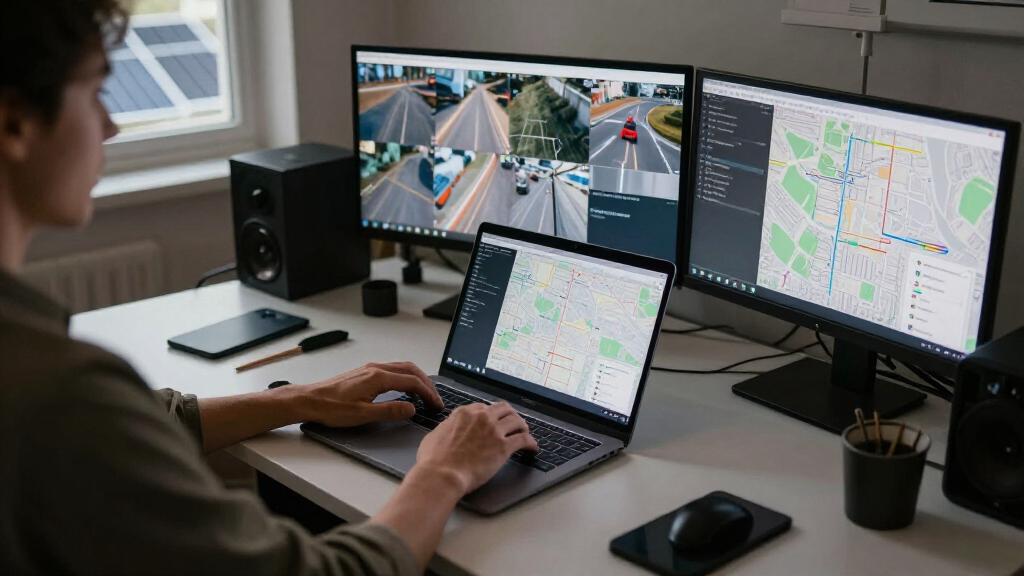
Flock, a provider of automated license plate recognition (ALPR) cameras, asserts its system can track every vehicle across the United States. Law enforcement agencies have increasingly adopted Flock’s technology for traffic management and law enforcement. Meanwhile, privacy advocates express concern over the potential for mass surveillance and data misuse, making this a significant development in public privacy and policing.
Flock’s cameras are designed to capture license plates of vehicles in real-time, with claims that their network can cover large areas and potentially track vehicles nationwide. The company states that its system is used by over 1,000 agencies across multiple states, providing tools for traffic enforcement, stolen vehicle recovery, and investigative support. Law enforcement officials praise the technology for its efficiency and effectiveness in solving crimes and managing traffic.
However, privacy advocates and civil liberties groups warn that such extensive tracking capabilities could lead to mass surveillance, eroding personal privacy and civil rights. Critics argue that without strict regulations, the data collected could be misused or shared improperly. The scope of Flock’s coverage and the extent of data retention are still not fully transparent, fueling public concern.
Implications of Nationwide Vehicle Surveillance
This development matters because it highlights a shift toward pervasive surveillance technology in the U.S., with potential impacts on privacy rights. The widespread adoption of Flock’s cameras by law enforcement could lead to increased monitoring of individuals’ movements, raising questions about consent and data security. Citizens may face a future where their vehicle locations are continuously tracked without their knowledge or approval, affecting personal privacy and civil liberties.
automated license plate recognition camera
As an affiliate, we earn on qualifying purchases.
As an affiliate, we earn on qualifying purchases.
Growth of ALPR Technology and Law Enforcement Adoption
Automated license plate recognition (ALPR) technology has been expanding for over a decade, initially used for parking management and toll collection. In recent years, law enforcement agencies have increasingly integrated ALPR systems into their operations, citing benefits in crime solving and traffic management. Flock is among the leading providers, with claims of extensive coverage and real-time tracking capabilities. The debate over privacy concerns has intensified as these systems become more widespread and sophisticated.
“Our cameras can cover vast areas and help law enforcement solve crimes more efficiently. We believe this technology is a valuable tool for public safety.”
— Flock CEO, Jay Stanley
As an affiliate, we earn on qualifying purchases.
Extent of Nationwide Coverage and Data Use Still Unclear
It is not yet confirmed how comprehensive Flock’s coverage is across all states or whether the company has access to all vehicle movements nationwide. Details about data retention policies, sharing practices, and oversight are still emerging, raising questions about privacy safeguards and potential misuse.
law enforcement license plate reader
As an affiliate, we earn on qualifying purchases.
As an affiliate, we earn on qualifying purchases.
Regulatory and Public Response to Widespread Vehicle Tracking
Expect ongoing debates over privacy rights, potential legislation, and stricter regulations governing ALPR systems. Law enforcement agencies may expand the use of Flock’s cameras, while advocacy groups push for transparency and limits on data collection. Future developments will likely include legal challenges and policy discussions about surveillance limits.
As an affiliate, we earn on qualifying purchases.
Key Questions
Can Flock cameras track every vehicle in the U.S.?
Flock claims its network can cover large areas and track vehicles nationwide, but the full extent of coverage is not publicly confirmed and may vary by region.
What are the privacy concerns associated with this technology?
Privacy advocates warn that widespread vehicle tracking could lead to mass surveillance, data misuse, and erosion of personal privacy without proper safeguards.
How are law enforcement agencies using Flock’s cameras?
They primarily use the system for traffic enforcement, stolen vehicle recovery, and criminal investigations, citing increased efficiency and crime-solving capabilities.
Is there any regulation governing the use of Flock’s cameras?
Regulations are still developing; current laws vary by state, and there is ongoing debate about privacy protections and data management standards.
What happens next in this story?
Expect continued expansion of ALPR systems, legislative discussions on surveillance limits, and increased public scrutiny of privacy implications as more details emerge about Flock’s coverage and data policies.
Source: hn
Halloween Picks
halloween
As an affiliate, we earn on qualifying purchases.