
When you use a long cord, resistance increases, causing voltage to drop before it reaches your device. This reduction in voltage can make lights dim, motors run sluggishly, and electronics behave unpredictably. The longer the cord or the thinner the wire, the worse the voltage drop gets. To keep your devices working properly, you need to understand how wire length and gauge affect voltage stability. Keep going to discover simple ways to fix this.
Key Takeaways
- Longer cords increase electrical resistance, causing more voltage to be lost before reaching devices.
- Resistance in long cables leads to reduced voltage, making devices behave erratically or perform poorly.
- Voltage drop causes dimming lights and sluggish motors, especially with thinner or extended cords.
- Proper wire gauge and shorter cords help minimize voltage loss and ensure device stability.
- Using high-quality, appropriately gauged cables prevents voltage drop-related issues and maintains consistent device operation.

GOLDENMATE 1000VA/800W Lithium UPS Battery Backup and Surge Protector, Backup Battery Power Supply with LiFePO4 Batteries(230.4 Wh), Sinewave UPS System, 10 Years Lifespan, 8 Outlets, LCD Display
[LiFePO4 Battery, Ultra-long Endurance]: This lithium UPS is equipped with a state-of-the-art Lithium Iron Phosphate Battery Pack, delivering...
As an affiliate, we earn on qualifying purchases.
Understanding Voltage Drop and Its Causes
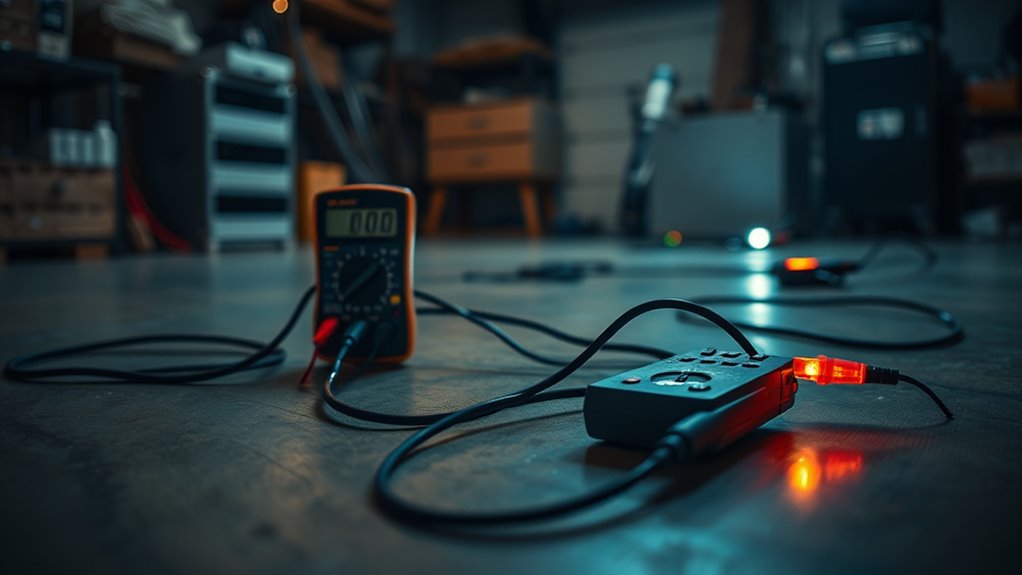
Voltage drop happens when electrical resistance in wires reduces the voltage that reaches your device. When current flows through a wire, resistance causes some energy to be lost as heat, lowering the voltage at the device’s end. When longer cords are used, the resistance increases, leading to more significant voltage drops. The amount of voltage drop depends on the current drawn and the wire’s resistance, which is influenced by the wire’s material, thickness, and length. Using thinner or longer cables makes this effect worse. As a result, your device may not perform ideally, experiencing dimmer lights, slower motors, or errors. Understanding these causes helps you choose the right cord length and gauge to minimize voltage loss and keep your devices running smoothly. Knowing how to choose appropriate cables can help prevent issues caused by voltage drop, especially when considering projector cable requirements for home theater setups. Additionally, selecting cables with appropriate wire gauge can significantly reduce voltage loss and improve device performance. Being aware of electrical resistance and how it impacts voltage drop allows for better planning of cable specifications to ensure device reliability. Recognizing the impact of cable length on resistance emphasizes the importance of choosing the shortest suitable cord to minimize voltage drop.
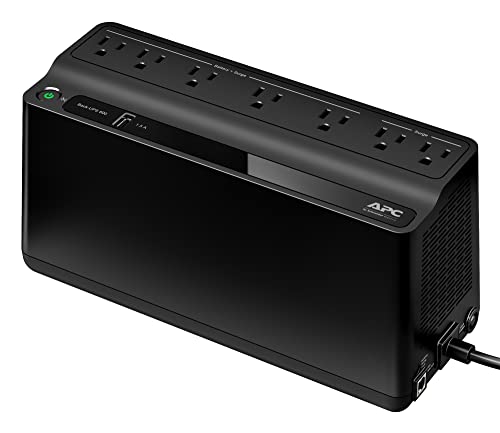
APC UPS 600VA / 330W UPS Battery Backup & Surge Protector, 7 Outlets (NEMA 5-15R), USB Charging Port, BE600M1 Uninterruptible Power Supply for Computers, Wi-Fi Routers, and Home Office Electronics
KEEP YOUR COMPUTER, WI-FI AND ROUTER RUNNING THROUGH POWER OUTAGES: Supplies short‑term battery power during outages to maintain...
As an affiliate, we earn on qualifying purchases.
How Cord Length Influences Voltage Loss
As your cord length increases, so does its resistance, leading to more significant voltage loss. Longer cords mean more energy is wasted as heat, reducing the power reaching your device. To keep performance ideal, you need to contemplate how length impacts voltage drop and adjust accordingly. Incorporating connected fitness equipment can help optimize power efficiency and device performance in your home gym setup. Additionally, understanding how water-related factors can influence electrical safety is essential when setting up outdoor or poolside equipment. Being aware of electrical standards ensures safer and more reliable connections in various environments. Recognizing the importance of proper wiring practices can further minimize voltage issues and protect your devices from potential damage. Moreover, considering smartCR technologies could assist in monitoring and managing voltage fluctuations for enhanced safety.
Resistance Increases With Length
Longer extension cords naturally have more resistance, which directly impacts the amount of voltage that reaches your device. As the length increases, so does the resistance within the wire, causing more voltage to be lost along the way. This means your device might not get the full power it needs to operate correctly. The longer the cord, the greater the resistance, and the more voltage drops before reaching your device. Additionally, wire gauge plays a crucial role in managing voltage loss, with thicker wires reducing resistance. Properly selecting the appropriate wire gauge can help minimize voltage drop and ensure your devices function optimally. Being aware of voltage drop helps you choose the right extension cord for safe and efficient operation, especially when using cords in remote or outdoor locations where wire resistance can significantly impact performance.
Voltage Drop Magnifies
When you extend the length of a power cord, the impact on voltage loss becomes markedly more pronounced. Longer cords increase resistance, which magnifies voltage drop according to Ohm’s Law. As resistance rises with length, more energy is wasted as heat, reducing the voltage reaching your device. This effect isn’t linear; doubling the length can substantially worsen voltage loss if the wire gauge isn’t adjusted accordingly. Small increases in distance can cause noticeable performance issues, like dimmer lights or overheating. The longer the cord, the greater the voltage drop, especially if the wire gauge remains thin. To prevent these problems, you need to use heavier gauge cables or shorter cords, ensuring your device gets the proper voltage and functions reliably.

CyberPower ST425 Standby UPS Battery Backup and Surge Protector, 425VA/260W, 8 Outlets, Compact, UL Certified
425VA/260W Standby Battery Backup Uninterruptible Power Supply (UPS) System uses simulated sine wave output to safeguard home office...
As an affiliate, we earn on qualifying purchases.
The Role of Wire Gauge in Voltage Stability
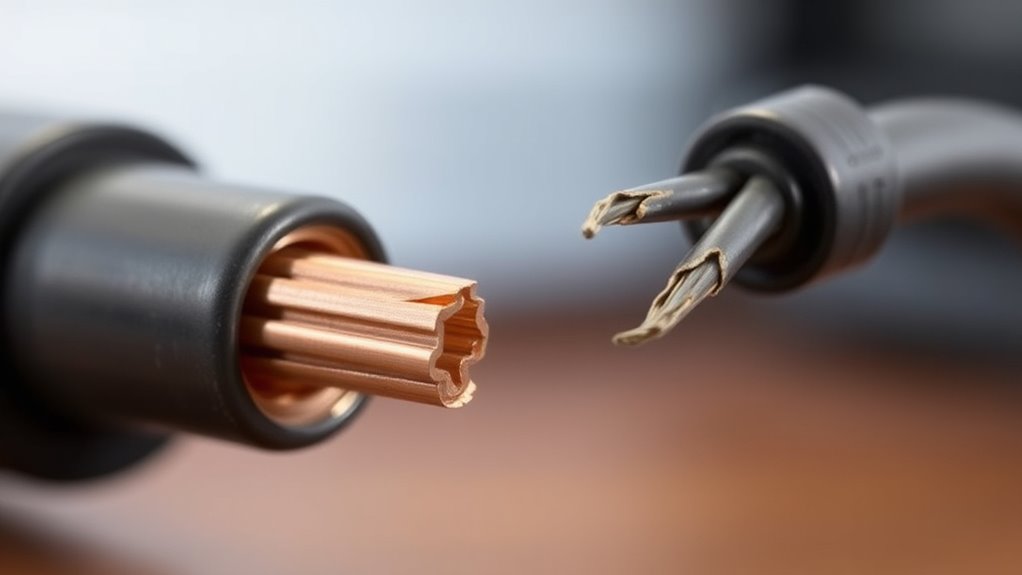
Wire gauge plays a critical role in maintaining voltage stability because it directly affects the resistance of the conductor. The thicker the wire (lower AWG number), the less resistance it has, which means less voltage drops along the length. Using a smaller gauge (higher AWG number) increases resistance, causing more voltage loss and potentially affecting your device’s performance. When you choose the right gauge, you ensure your devices get consistent power and operate efficiently. Additionally, using an appropriate gauge helps prevent heat buildup, which can be a safety concern during extended use. Recognizing the importance of electricity safety standards can further help you select the proper wiring for your needs, especially when considering the total cost of ownership over time. Proper gauge selection also minimizes energy loss, making your setup more energy efficient, which is beneficial both economically and environmentally. Moreover, understanding the conductor material can influence the overall conductivity and performance of your electrical setup.

Jackery Portable Power Station Explorer 300, 293Wh Backup Lithium Battery, Solar Generator for Outdoors Camping Travel Hunting Blackout (Solar Panel Optional)
SPEED UP YOUR RECHARGEABILITY: It takes only 2 hours to recharge 80% battery of the power station through...
As an affiliate, we earn on qualifying purchases.
Safety Standards and Why They Matter

Safety standards set by organizations like the NEC, CPSC, and OSHA are essential because they establish clear guidelines to prevent electrical hazards and protect people and property. These standards guarantee cords are properly rated, grounded, and used safely. Ignoring them increases risks of fires, shocks, and device failures. For example, using an undersized cord can lead to overheating, melting insulation, or fires. Additionally, adherence to electrical safety standards ensures devices operate reliably and reduces liability. Enforcing industry regulations helps maintain consistent safety practices across different environments. Understanding compliance requirements is crucial for both manufacturers and consumers. Below is a table illustrating common safety considerations:
| Standard | Focus | Consequence of Non-Compliance |
|---|---|---|
| NEC | Wiring guidelines | Fire from improper wiring |
| CPSC | Cord safety | Increased fire risk |
| OSHA | Safe work practices | Electric shock hazards |
| UL Listing | Certification | Use of unsafe products |
| Local codes | Installation rules | Legal penalties |
Following these standards keeps your environment safe and devices functioning correctly.
Effects of Voltage Drop on Device Performance

Voltage drop directly impacts how well your devices perform, often causing them to operate below their intended capacity. When voltage falls, motors run slower, heaters produce less heat, and electronic components may malfunction. You might notice your tools overheating or failing prematurely, or your lights dimming noticeably. This reduced voltage also affects efficiency, increasing energy consumption and wear on internal parts. Smart home devices that rely on consistent power can become unresponsive or behave unpredictably when experiencing voltage fluctuations. These issues aren’t just annoying—they can damage your equipment and reduce lifespan. Understanding how voltage drop impacts device performance and the importance of power stability helps you take steps to prevent long-term damage and ensure reliable operation. Regularly monitoring voltage levels can help identify issues before they cause significant problems.
Recognizing Symptoms of Voltage Drop in Your Devices
When voltage drops due to resistance in your electrical system, your devices often show clear signs of trouble. You might notice dimming lights, motors that run sluggishly, or overheating equipment. These are key indicators that your device isn’t receiving proper voltage. Look out for:
| Symptom | Common Devices Affected | Effect |
|---|---|---|
| Dimming or flickering lights | Lamps, LED fixtures | Reduced brightness |
| Sluggish motor performance | Power tools, fans | Decreased speed or power |
| Excessive heat or failure | Heaters, chargers | Overheating, early breakdown |
Recognizing these signs early helps prevent damage. If your gear acts weird, check your cords and connections for voltage drop signs.
Practical Ways to Minimize Voltage Drop

To reduce voltage drop, you should start by choosing the proper cable gauge for your needs. Limiting cord length whenever possible also helps maintain voltage levels. By combining these strategies, you’ll guarantee your devices receive enough power and operate efficiently.
Use Proper Cable Gauge
Choosing the right cable gauge is essential for minimizing voltage drop, especially on longer runs. Using a thicker, lower AWG wire reduces resistance, ensuring your devices get proper power. If you use too thin a gauge, voltage loss increases, leading to performance issues or overheating. Always match your cable gauge to the length and current load of your setup. Here are some tips:
- Opt for heavier gauge cables for longer distances.
- Check device current requirements before choosing wire size.
- Avoid using the thinnest wire for high-power tools.
- Use a wire gauge chart to select the correct size.
- When in doubt, upgrade to a thicker cable to prevent voltage drop.
Proper gauge selection keeps your devices running efficiently and safely, preventing voltage-related problems.
Limit Cord Length
Limiting the length of your extension cords is one of the most effective ways to reduce voltage drop and guarantee your devices receive proper power. Shorter cords have less resistance, so less voltage is lost along the way. Always choose the shortest cord that meets your needs, avoiding unnecessary length. If you require longer distances, consider using thicker gauge cables to compensate for resistance. Keep in mind that longer cords not only cause voltage drops but also generate more heat, increasing fire risk. Whenever possible, position your power source closer to where you’ll be working. This simple step minimizes voltage reduction, ensures better device performance, and reduces safety hazards. Remember, shorter cords mean less resistance, better efficiency, and safer operation.
Choosing the Right Cords and Accessories
Selecting the right cords and accessories is essential to guarantee safety and ideal performance for your electrical devices. You want cords that match your device’s power needs and length requirements to prevent unnecessary voltage drop. Using the wrong gauge or cheap materials can cause overheating, fires, or damage. Make sure to choose quality extensions with proper insulation and current ratings. Always check the cord’s gauge and maximum wattage before plugging in heavy-duty equipment. Avoid extension cords with damaged plugs or frayed insulation to reduce shock risk. Proper connectors and surge protectors add safety and stability, especially for sensitive electronics.
- Use cords with the correct AWG gauge for your device’s current
- Opt for heavy-duty, UL-listed extension cords
- Avoid damaged or frayed cables
- Choose cords with adequate insulation
- Use surge protectors for sensitive electronics
When to Use Voltage Regulators and Other Solutions

When voltage drops considerably below the device’s rated level, using voltage regulators or other solutions becomes essential to guarantee proper operation. If your device isn’t performing well, overheating, or shutting down unexpectedly, the voltage drop may be to blame. Voltage regulators, like RT-LSVRs, stabilize the voltage supply, ensuring your device receives consistent power regardless of cord length or wiring resistance. Additionally, consider upgrading to heavier gauge cables for longer runs, or increasing the supply voltage when possible. In some cases, switching to DC power distribution can reduce losses. For highly sensitive electronics, alternative solutions like power conditioners or uninterruptible power supplies (UPS) can help maintain stable voltage levels. Assess your setup carefully to determine which solution best prevents performance issues caused by voltage drop.
Frequently Asked Questions
How Can I Measure Voltage Drop in My Extension Cords?
To measure voltage drop in your extension cords, you need a multimeter set to voltage mode. Plug the device into the extension cord, connect the multimeter probes to the plug’s terminals, and note the voltage reading at the outlet. Then, turn on your device and measure again at the device’s plug. Subtract the second reading from the first to find the voltage drop, helping you determine if it’s within safe limits.
Does Temperature Affect Voltage Drop in Long Cables?
Imagine your cable as a busy highway. When it gets hotter, it’s like traffic jams forming, slowing the flow of electricity. Temperature increases wire resistance, making voltage drop worse. As your cable heats up, more energy turns into heat, and less reaches your device. So, yes, higher temperatures cause greater voltage drops, especially in long cords, reducing performance and increasing risk of overheating or damage.
Are There Specific Cords Certified for Minimal Voltage Loss?
Yes, there are cords certified for minimal voltage loss. Look for extension cords labeled as “heavy-duty” or “industrial-grade,” which meet strict standards for gauge and insulation. Certification from organizations like UL or ETL guarantees the cord is tested for safety and performance. Always choose the correct gauge for your length and load, and avoid undersized cords to reduce voltage drop and maintain device efficiency.
Can Using Higher Voltage Supply Reduce Voltage Drop Issues?
Yes, using a higher voltage supply can mitigate voltage drop issues. When you increase the supply voltage, the same amount of current flows through the wire, but the relative loss becomes smaller, helping devices receive closer to their intended voltage. This approach works well for long cords, but ensure your equipment can handle the higher voltage safely. Always consider proper wiring standards and consult an electrician for best results.
How Does Connecting Multiple Devices Impact Voltage Stability?
When you connect multiple devices, they draw more current, which increases resistance in the wiring and causes a larger voltage drop. This makes the voltage at each device fluctuate and can lead to poor performance or damage. To prevent this, use thicker cables, keep cords short, or distribute devices across separate outlets. Monitoring total load helps maintain stable voltage and guarantees your devices operate correctly.
Conclusion
Understanding voltage drop helps you avoid device issues caused by long cords. Did you know that voltage can drop by up to 3% over just 50 feet of standard wiring? That tiny decrease can markedly impact your device’s performance and lifespan. By choosing the right cords, limiting length, and using regulators when needed, you can keep your devices running smoothly. Stay informed and protect your electronics from preventable voltage problems.