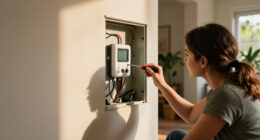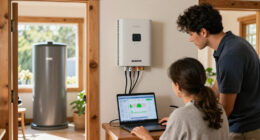

Home energy monitors give you real-time, precise data on your household’s energy use, helping you size backup power systems more accurately. They reveal your actual consumption patterns, including fluctuations caused by renewable sources like solar. This information allows you to avoid over-sizing or under-sizing your backup systems, ensuring they meet your needs efficiently. By optimizing your backup power based on real data, you can save costs and improve reliability — to find out how, keep exploring.

Get backup power and energy gear delivered free with Prime
- Fast, free delivery on millions of items
- Prime Video, Amazon Music and more included
- Member-only deals all year
Key Takeaways
- Provide real-time energy consumption data to determine actual backup power needs based on household usage.
- Identify peak demand periods to size backup systems that can handle high loads efficiently.
- Track renewable energy contributions to avoid over-sizing backup capacity and optimize system integration.
- Detect fluctuations in energy use, ensuring backup systems are tailored to real-world consumption patterns.
- Support demand response strategies by revealing when critical loads require backup power, improving sizing accuracy.
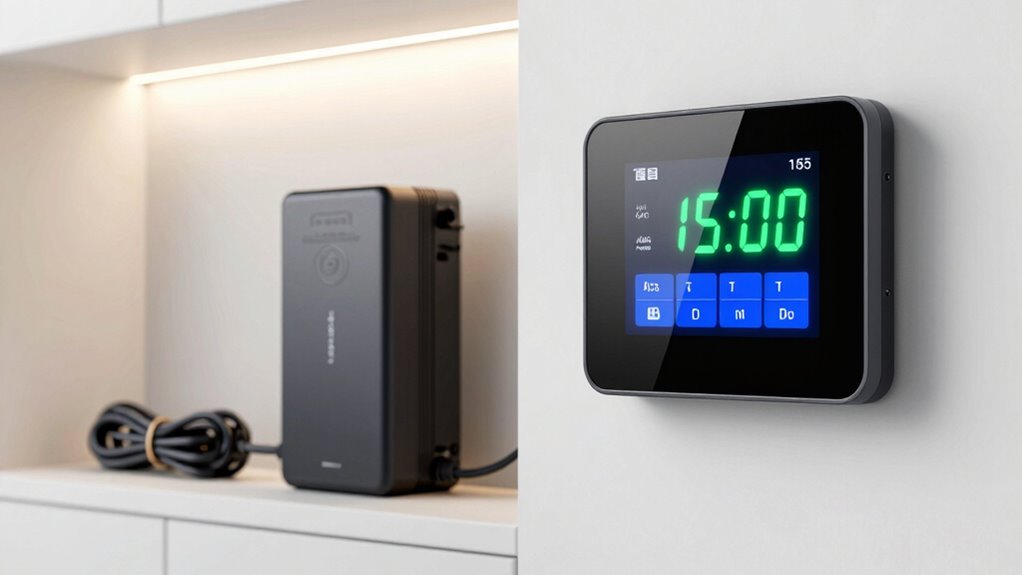
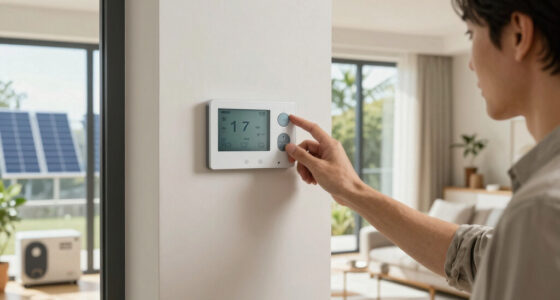
Having a home energy monitor is a smart way to track your electricity use and identify savings. When you install one, you gain real-time insights into how much energy your home consumes, which is essential for making smarter decisions about backup power sizing. This precision becomes especially valuable as you incorporate renewable energy sources like solar panels into your home. With renewable integration, your energy needs fluctuate based on sunlight availability, making accurate backup power sizing even more critical. Your energy monitor helps you understand these variations, ensuring your backup system can handle periods of high demand or low renewable output.
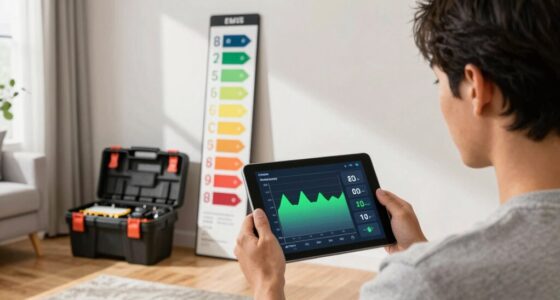
A home energy monitor helps you understand consumption patterns for smarter backup power sizing and renewable energy integration.
Moreover, your energy monitor plays a key role in demand response strategies. Demand response involves adjusting your electricity consumption during peak periods to reduce strain on the grid and potentially lower costs. When you actively participate in demand response programs, your energy monitor provides real-time data to help you identify when your home is drawing the most power. This insight allows you to optimize your backup power systems to support critical loads during these times, ensuring your home remains comfortable and functional without over-sizing your system. By understanding when and how your energy usage peaks, you can better plan for backup power that aligns with actual needs rather than guesswork. Additionally, accurate data collection from your monitor allows you to predict future energy demands more reliably, further refining your backup power setup.
A clear understanding of your energy consumption patterns also helps you identify opportunities to improve overall energy efficiency. Incorporating energy management strategies can reduce your reliance on backup power and lower your overall energy costs. Having detailed energy data also helps you avoid unnecessary overcapacity, which can be costly and inefficient. Instead of installing a large, expensive backup generator just in case, you can size it based on actual usage trends. This approach saves money upfront and ensures your system isn’t under or over-utilized. When you combine your energy monitor data with your renewable energy production stats, you get a clear picture of when your renewable sources can meet your needs and when backup power kicks in. This helps you optimize your energy system, making it more reliable and cost-effective. Additionally, understanding your energy consumption patterns enables smarter integration with energy storage solutions, further enhancing your home’s resilience.
Ultimately, a home energy monitor empowers you to make smarter decisions about backup power sizing. It bridges the gap between estimated needs and real-world consumption, especially when integrating renewable energy and participating in demand response. With this knowledge, you can design a backup system that’s precisely matched to your home’s energy profile, ensuring efficiency, reliability, and cost savings. Instead of guesswork, you rely on data to keep your home powered, even during outages or periods of high demand. Leveraging such detailed insights can also help you identify inefficiencies in your energy use, promoting smarter energy management overall.
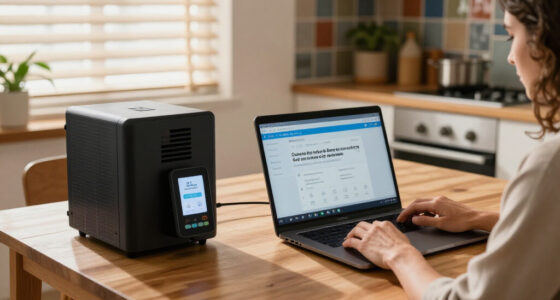
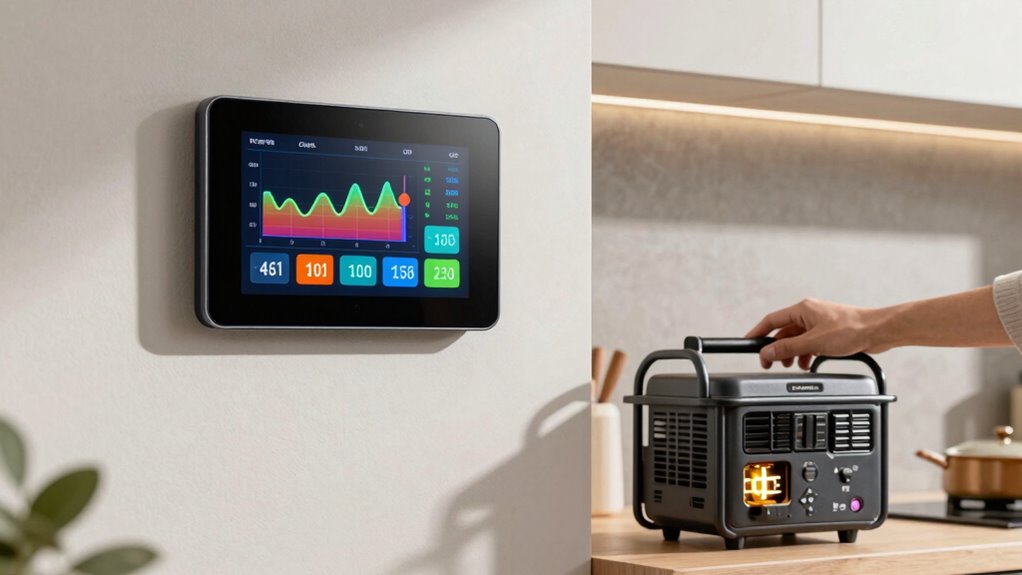
home energy monitor with real-time data
As an affiliate, we earn on qualifying purchases.
As an affiliate, we earn on qualifying purchases.
Frequently Asked Questions
Can Energy Monitors Predict Future Power Outages?
Energy monitors cannot predict future power outages directly, but they improve your understanding of power usage, which can aid in power outage prediction. With high monitor accuracy, you can identify unusual consumption patterns or fluctuations that often precede outages. Monitoring these trends helps you anticipate potential issues, enabling you to prepare or take action. While not a direct prediction tool, energy monitors support better decision-making regarding backup power and outage readiness.
Do Monitors Work With All Types of Backup Generators?
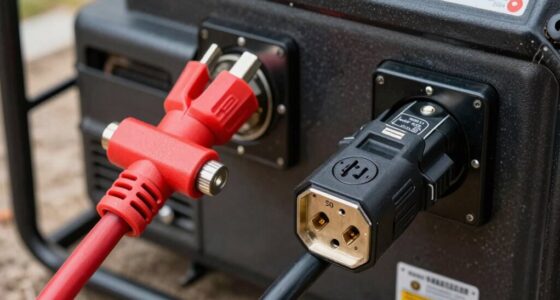
Home energy monitors don’t work with all types of backup generators due to generator compatibility issues and monitoring limitations. Some monitors are designed specifically for certain systems, so you need to check compatibility before installation. If your generator isn’t compatible, the monitor may not accurately track power use during outages. Always verify your monitor’s specifications to guarantee it can effectively work with your backup generator for better management.
How Often Should Energy Monitors Be Calibrated?
You should calibrate your energy monitor at least once a year, or more often if you notice discrepancies in monitoring accuracy. Regular calibration guarantees precise readings, preventing your backup power system from being overwhelmed or underpowered—saving you from potential chaos! Monitoring accuracy is essential for ideal backup power sizing, so don’t ignore calibration frequency; it’s the secret to keeping your energy management dependable and your home protected.
Are Energy Monitors Compatible With Smart Home Systems?
Yes, many energy monitors are compatible with smart home systems, allowing you to integrate your energy data seamlessly. However, some models may face compatibility issues with certain smart home platforms, so it’s essential to check the specifications before purchasing. By choosing a compatible monitor, you can automate energy management, monitor real-time usage, and optimize your backup power setup more effectively, ensuring your smart home runs smoothly during outages.
What Is the Cost Difference Between Different Monitor Models?
Think of choosing a monitor like picking a car: some cost more, but offer better features. The cost difference between models varies widely, often from $50 to $300. Higher-end monitors tend to have better monitor accuracy, giving you more precise data. To make an informed decision, do a cost comparison—consider what features matter most and how much you’re willing to invest for reliable backup power sizing.
solar energy monitor for renewable integration
As an affiliate, we earn on qualifying purchases.
As an affiliate, we earn on qualifying purchases.
Conclusion
By harnessing the insights from home energy monitors, you become the captain of your power ship, steering the stormy seas of backup energy needs with confidence. They illuminate the hidden currents of your energy consumption, guiding you to size your backup power with precision. In this dance of digits and data, you’ll prevent blackouts from turning into silent nights, turning the unpredictable into a well-choreographed symphony of resilience and control.
As an affiliate, we earn on qualifying purchases.
As an affiliate, we earn on qualifying purchases.
Halloween Picks
halloween
As an affiliate, we earn on qualifying purchases.