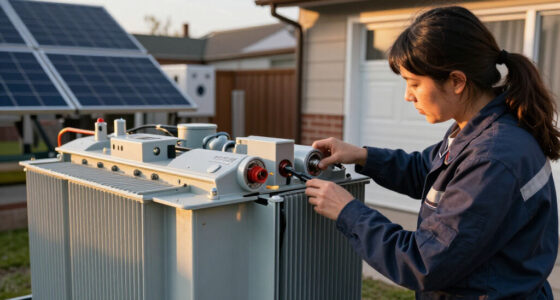
Continuous output on backup power devices is the maximum power they can reliably supply over time without damaging themselves or connected equipment. It’s different from surge or peak power, which happens only briefly during startup. This rating is vital because it guarantees your devices receive steady, stable power during outages, helping prevent shutdowns or damage. To understand how to choose the right backup, more details are available about what affects continuous output and its importance.
Prime for Young Adults — start your free trial
Fast free delivery, streaming and member deals for eligible 18–24 year olds.
As an affiliate, we earn on qualifying purchases.
Key Takeaways
- Continuous output is the steady power a backup device can supply over time without damage.
- It differs from surge or peak power, which is a brief power spike during startup.
- Higher continuous output ensures reliable operation of connected devices during outages.
- It should exceed the total wattage of all critical devices to prevent shutdowns.
- The quality of the inverter impacts the stability and purity of the continuous power delivered.

When choosing a backup power device, understanding what continuous output really means can make all the difference in guaranteeing your equipment stays powered during outages. Continuous output refers to the maximum amount of power a device can deliver steadily over an extended period without interruption or damage. It’s different from surge or peak power, which is the brief burst of energy a device can handle at startup. Knowing this distinction helps you select a backup that can reliably support your equipment’s ongoing power needs, especially during longer outages. The key to understanding continuous output lies in considering the device’s battery capacity and how it impacts power stability. Battery capacity, usually measured in watt-hours (Wh) or amp-hours (Ah), tells you how much energy the backup can store and provide over time. A device with a higher battery capacity can sustain continuous output for longer periods, giving you more peace of mind during extended outages. If your equipment demands significant power—such as servers, medical devices, or large home appliances—you’ll want a backup with a capacity that comfortably exceeds their combined wattage needs. Additionally, the quality of the inverter plays a crucial role in maintaining power stability, ensuring the flow remains consistent and safe for sensitive electronics. Power stability is another vital factor. When a backup device delivers a stable, consistent flow of power, your equipment operates smoothly without risk of sudden shutdowns or damage. Continuous output ensures that the power remains steady, preventing fluctuations that can harm sensitive electronics. This stability depends on the quality of the inverter within the device, which converts stored energy into usable AC power. A reliable inverter maintains a steady sine wave, mimicking utility power and protecting your equipment from potential harm caused by irregular power delivery. Moreover, selecting a device with an appropriate continuous output rating can help you avoid unexpected power interruptions. Understanding the battery capacity of your backup allows for better planning of your power needs during outages. It’s also essential to consider how well the device manages power fluctuations and maintains consistent output under varying loads, especially for sensitive or critical equipment. If your equipment’s wattage exceeds the backup’s continuous output capacity, it may shut down or malfunction during an outage. Conversely, selecting a device with a higher continuous output than your current needs provides room for future expansion or additional equipment. Always check the device’s specifications to confirm the continuous output aligns with what your critical devices require for uninterrupted operation. Properly assessing these factors can help prevent unexpected power issues and ensure your backup remains effective when you need it most.
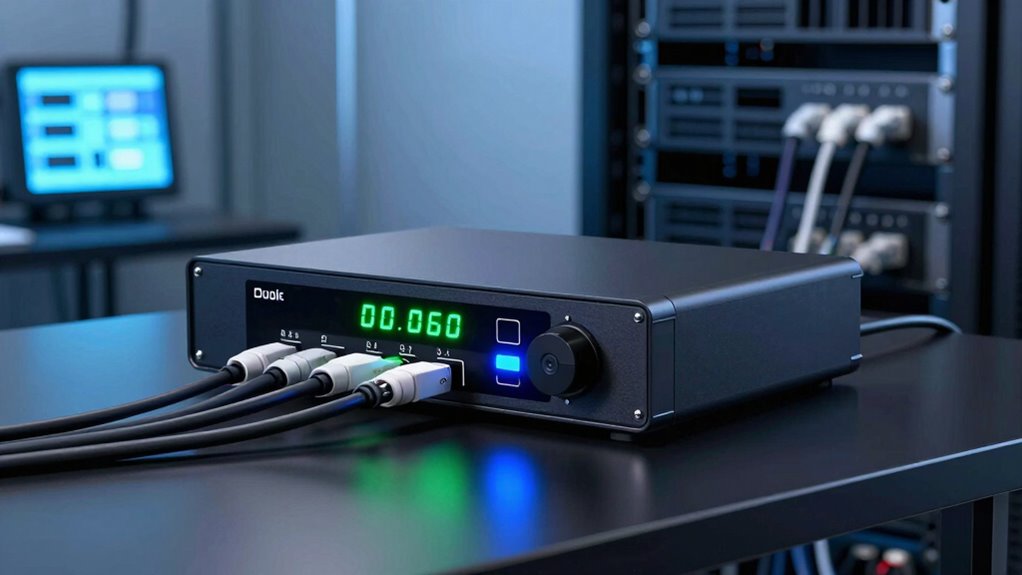
backup power supply with high continuous output
As an affiliate, we earn on qualifying purchases.
As an affiliate, we earn on qualifying purchases.
Frequently Asked Questions
How Is Continuous Output Measured on Backup Power Devices?
You measure continuous output on backup power devices by checking how well they maintain power stability and voltage regulation over time. This involves testing the device under load to see if it consistently supplies the rated power without fluctuations. You’ll want to verify the voltage remains steady and the output isn’t interrupted, indicating reliable performance. Proper measurement confirms the device’s ability to support your equipment continuously during power outages.
Does Continuous Output Affect Battery Lifespan?
Imagine a steady stream of water flowing smoothly from a tap—that’s continuous output. This constant power can accelerate battery degradation over time, subtly weakening your backup device’s ability to deliver reliable power. While it enhances power stability, maintaining continuous output might shorten your battery’s lifespan. To balance both, monitor your device’s performance, and consider periodic rest periods to extend its longevity and guarantee dependable backup power when you need it most.
Can Continuous Output Handle All Types of Electronics?
Continuous output can handle many electronics, but it’s vital to take into account power stability and device compatibility. Some sensitive devices need a pure sine wave for safe operation, which continuous output often provides. However, not all electronics are compatible with the inverter’s output type. You should check your device specifications and the backup power device’s capabilities to ensure seamless operation without risking damage or instability.
What Are the Cost Implications of Devices With Continuous Output?
Devices with continuous output tend to cost more upfront due to advanced power efficiency features and higher-quality components. Over time, they can reduce your overall maintenance costs because they operate more reliably and require fewer repairs. While the initial investment might be higher, the improved power efficiency helps save on energy bills, making these devices a cost-effective choice for ensuring reliable power during outages.
Is Continuous Output Suitable for Long-Term Power Outages?
While continuous output can be quite handy, it’s not always the best choice for long-term power outages. You might experience some power fluctuation, making it less ideal for sensitive devices. Plus, not all backup devices are compatible with continuous output systems, so you should check compatibility first. For extended outages, consider a generator or alternative solutions that provide steady, reliable power without the worry of fluctuations or device issues.
sine wave inverter for sensitive electronics
As an affiliate, we earn on qualifying purchases.
As an affiliate, we earn on qualifying purchases.
Conclusion
Understanding continuous output on backup power devices isn’t just about specs; it’s about peace of mind in life’s unpredictable storms. When you know your device can sustain essential power without interruption, you’re prepared for the worst, yet hopeful for the best. Think of it as a steady heartbeat in a world of chaos—reminding you that stability isn’t just a feature, but a promise. Embrace it, and let your backup power be the silent guardian of your peace.
home UPS with large battery capacity
As an affiliate, we earn on qualifying purchases.
As an affiliate, we earn on qualifying purchases.
professional backup generator for critical devices
As an affiliate, we earn on qualifying purchases.
As an affiliate, we earn on qualifying purchases.
Fall yard work Picks
leaf blowers
As an affiliate, we earn on qualifying purchases.