
To avoid overbuying during the refrigerator startup surge, focus on current market trends like energy efficiency and smart technology that consumers prefer. Analyze regional demand and sales data to guide your inventory choices, prioritizing essential features such as Wi-Fi, voice control, and eco-friendly options. Set clear budgets and choose models that balance cost with value. By controlling your procurement with these insights, you’ll be better prepared to grow smartly in this rapidly expanding market. Continue exploring for more ways to succeed.
Get ready for Prime Big Deal Days — try Prime free
Exclusive member deals on October 6–7, plus fast free delivery. Cancel anytime.
As an affiliate, we earn on qualifying purchases.
Key Takeaways
- Analyze regional market trends and demand forecasts to align inventory with current and future needs.
- Prioritize energy-efficient and smart features to meet consumer preferences without overstocking less popular models.
- Set clear budget limits and focus on essential features to avoid unnecessary overbuying.
- Monitor industry growth and product innovations to time procurement around new releases and promotions.
- Use data-driven segmentation to tailor inventory, reducing excess stock and optimizing supply chain efficiency.
Assessing Current Market Trends and Consumer Preferences
Current market trends indicate a robust growth trajectory driven by evolving consumer preferences for energy-efficient and smart refrigerators. You’ll notice that energy-efficient models now make up 40% of sales in 2025, with projections reaching 50%. Consumers increasingly seek appliances that save money and reduce environmental impact, supported by government initiatives promoting energy standards. Additionally, the adoption of smart technology features is transforming the way consumers interact with appliances, making connectivity a key selling point. Meanwhile, smart refrigerators are gaining popularity, with adoption rising from 15% to 30% by 2025, as tech features like Wi-Fi, voice control, and internal cameras become standard. Households value convenience, freshness, and connectivity, driving demand for models that integrate seamlessly into modern smart homes. Staying aware of these trends helps you understand where the market is headed and how to align your startup’s offerings with current consumer demands. Additionally, understanding cryptid mysteries and other paranormal phenomena can inspire innovative marketing stories or themed product designs that appeal to niche markets. Recognizing consumer preferences for eco-friendly and connected appliances can help you tailor your inventory to meet current demand and stand out in a competitive market. Moreover, keeping track of emerging market innovations can give your startup a competitive edge as new features and technologies develop rapidly. Being attentive to technological advancements ensures your offerings remain relevant and appealing to tech-savvy consumers.
Identifying Key Features and Innovations to Consider
To stand out in the competitive refrigerator market, you should focus on integrating smart technology features like Wi-Fi connectivity, voice control, and remote management. Additionally, prioritizing energy efficiency by incorporating advanced insulation, efficient compressors, and eco-friendly refrigerants can meet rising consumer demands. Combining these innovations can help you develop models that appeal to tech-savvy, eco-conscious buyers and boost your market share. Emphasizing connected appliance capabilities can further enhance user experience and differentiate your products. Incorporating local automation features can enable seamless integration with other smart home devices, creating a more cohesive and intelligent living environment. Moreover, considering the growing demand for AI cybersecurity can help protect your connected devices from digital threats and ensure consumer trust. Understanding heat distribution within refrigeration systems can optimize performance and energy savings, making your models more competitive. Exploring navigation and mapping technologies can also improve the efficiency and reliability of smart refrigerators in complex home layouts.
Smart Tech Integration
Have you ever wondered what makes a smart refrigerator truly stand out? It’s the integration of innovative features that enhance convenience and control. Smart tech allows you to monitor and manage your fridge remotely, making everyday tasks easier. Envision this:
- Wi-Fi connectivity enabling remote temperature adjustments and alerts
- Touchscreens for easy recipe access, grocery lists, and calendar integration
- Internal cameras so you can check your food inventory without opening the door
These features help you stay organized, reduce food waste, and optimize your energy use. As smart home adoption grows, choosing a refrigerator with these key innovations ensures you’re leveraging technology for smarter living. Focus on models that seamlessly combine connectivity, usability, and advanced management features.
Energy Efficiency Features
Energy efficiency features are essential considerations when choosing a refrigerator, as they can substantially reduce electricity bills and environmental impact. Look for models with high Energy Star ratings, which indicate top energy performance. Features like inverter compressors adapt their operation to cooling demands, saving power during low usage periods. Advanced insulation and efficient cooling coils minimize energy waste. Water filtration systems and humidity-controlled drawers help preserve food longer, reducing waste and energy needed for storage. Smart sensors optimize cooling based on usage, further boosting efficiency. Additionally, LED lighting consumes less energy than traditional bulbs. Incorporating body piercing safety features and proper maintenance can prevent unnecessary energy consumption caused by malfunctions or damage. Proper energy management practices, such as setting appropriate temperature levels and regular defrosting, can enhance overall efficiency. Optimizing refrigerator placement to avoid heat sources is another simple way to improve efficiency. Regular temperature checks ensure the appliance operates within optimal ranges, conserving energy and maintaining food safety. Prioritizing these features ensures your refrigerator operates efficiently, saving you money and supporting sustainability without sacrificing performance.
Analyzing Regional Demand and Sales Data
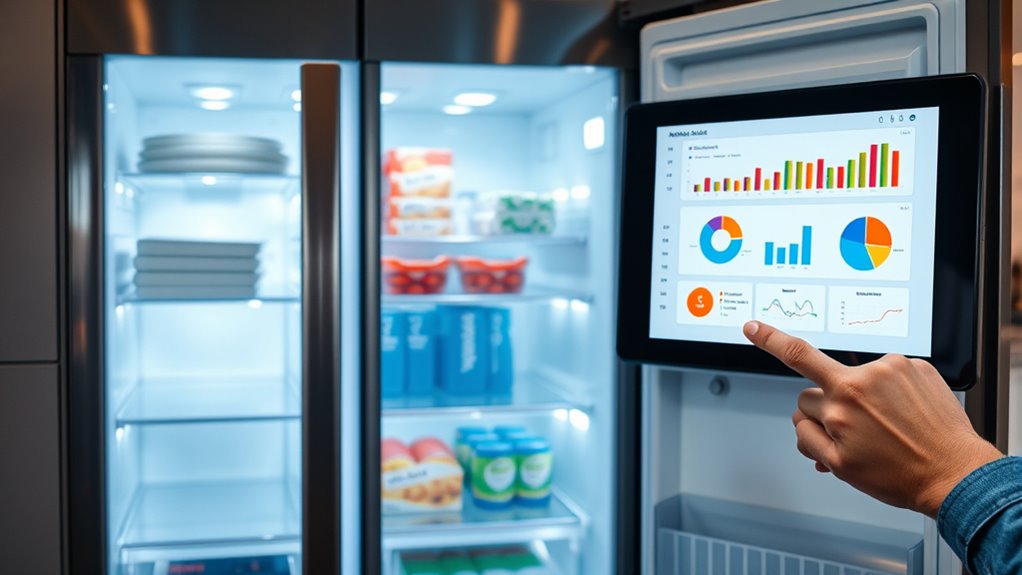
Regional demand and sales data reveal significant variations driven by economic activity, consumer preferences, and technological adoption. You see different growth patterns across regions, influencing inventory and supply strategies. In North America, for example, the market accounts for over a quarter of global refrigerator revenue, with the U.S. dominating nearly 80%. Sales surged 17.3% last year, signaling strong demand. Meanwhile, household stores generated $35.1 billion in revenue, with slow growth expected in 2026. To visualize this:
North America accounts for over a quarter of global refrigerator revenue, with U.S. sales surging 17.3% last year.
- Imagine bustling appliance stores in urban centers, packed with new models and enthusiastic consumers.
- Picture regional preferences shifting from basic to smart, energy-efficient refrigerators.
- Envision markets with rising housing starts, fueling demand for larger, versatile units.
- Proper product handling and storage are essential to maintain quality and prevent spoilage, especially in regions with varying climate conditions.
- Understanding market segmentation helps tailor inventory to regional needs and preferences, avoiding overstocking of less popular models. Additionally, analyzing predictive validity from various tests can assist in forecasting consumer behavior and demand trends more accurately.
- Leveraging consumer insights enables better alignment of product offerings with regional tastes and needs. Moreover, incorporating data-driven approaches can improve supply chain efficiency and reduce excess inventory.
Analyzing these patterns helps you anticipate where to focus your supply without overstocking.
Budgeting and Cost-Effective Procurement Strategies
You need to set clear budget limits before purchasing a refrigerator to avoid overspending. Focus on prioritizing essential features that meet your needs, rather than unnecessary extras. This approach helps you make cost-effective decisions without sacrificing quality or performance. Additionally, understanding essential oil benefits can inspire smarter choices in other areas of your health and wellness routines. Considering the field‑of‑view and imaging‑scale in your planning can also help you select appliances that best fit your space and usage requirements. Being aware of vetted product recommendations ensures you choose reliable and high-quality appliances for your home, and reviewing affiliate disclosures can help you make informed purchasing decisions. Exploring energy-efficient options like modern electric or ethanol models can further optimize your budget while maintaining a cozy atmosphere.
Establish Clear Budget Limits
Setting clear budget limits is essential for maximizing cost-efficiency when procuring refrigerators, especially as consumers and businesses seek value-driven features amid rising market competition. By defining your maximum spend, you avoid impulse buys and focus on models that meet your needs without overspending. Consider these points to stay within budget:
- Visualize your ideal refrigerator with essential features, avoiding unnecessary bells and whistles.
- Imagine comparing models side-by-side, each within your price range, to identify the best value.
- Picture narrowing options based on energy efficiency, size, and durability, ensuring long-term savings.
- Remember that understanding market trends can help you anticipate future value and smart investments.
Sticking to your budget helps you select a reliable, energy-efficient refrigerator without sacrificing quality or features. It keeps your finances in check while supporting smart purchasing decisions that align with your needs.
Prioritize Essential Features
Focusing on the most important features helps you get the best value for your money. Identify what matters most—energy efficiency, smart capabilities, or advanced preservation. Prioritizing these ensures you avoid overspending on less critical extras. Consider the latest trends: energy-efficient models now make up 40% of sales and are projected to reach 50%. Smart features like IoT connectivity are growing fast, appealing to tech-savvy households. Use this table to weigh your needs:
| Feature | Priority Level |
|---|---|
| Energy efficiency | High |
| Smart connectivity | Medium |
| Advanced preservation | Medium |
| Design and aesthetics | Low |
Focusing on high-priority features helps you balance cost with value, ensuring your purchase aligns with your needs.
Navigating Smart Technology Integration and Energy Efficiency
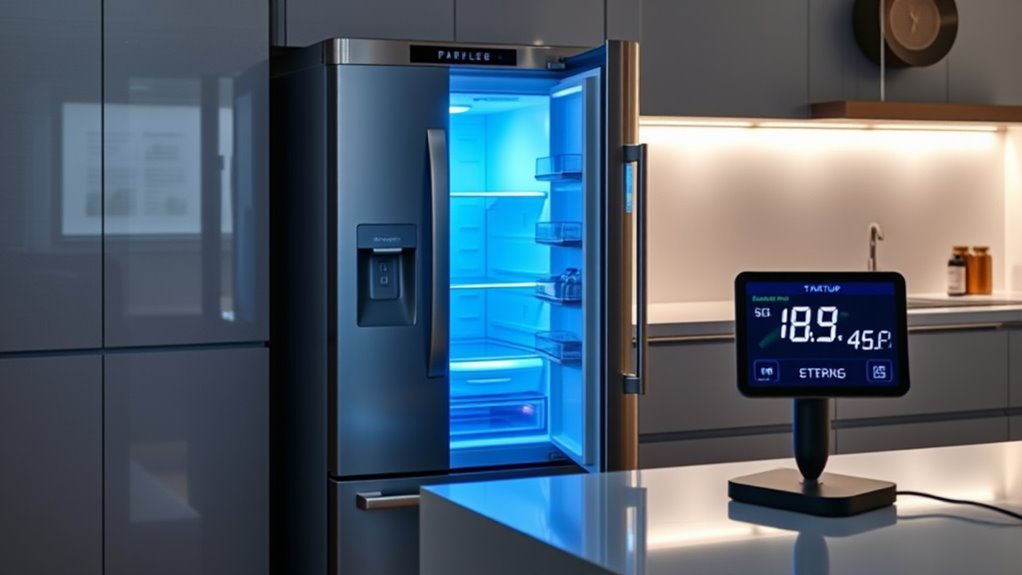
Integrating smart technology with energy-efficient features is transforming how you select and use refrigerators. Smart models now connect seamlessly to your home network, offering remote control and real-time updates. Energy-efficient features help lower your utility bills while reducing environmental impact. You can visualize a fridge that:
- Remotely adjusts temperature settings via a smartphone app
- Uses sensors to optimize cooling based on usage patterns
- Features sleek touchscreens displaying inventory and grocery reminders
These innovations enable you to manage your fridge effortlessly, saving energy and preventing food waste. With smart tech, you gain convenience and control, while energy-saving features ensure your purchase aligns with evolving sustainability standards. Balancing these elements helps you make informed decisions without overbuying.
Monitoring Market Growth and Adjusting Purchase Plans
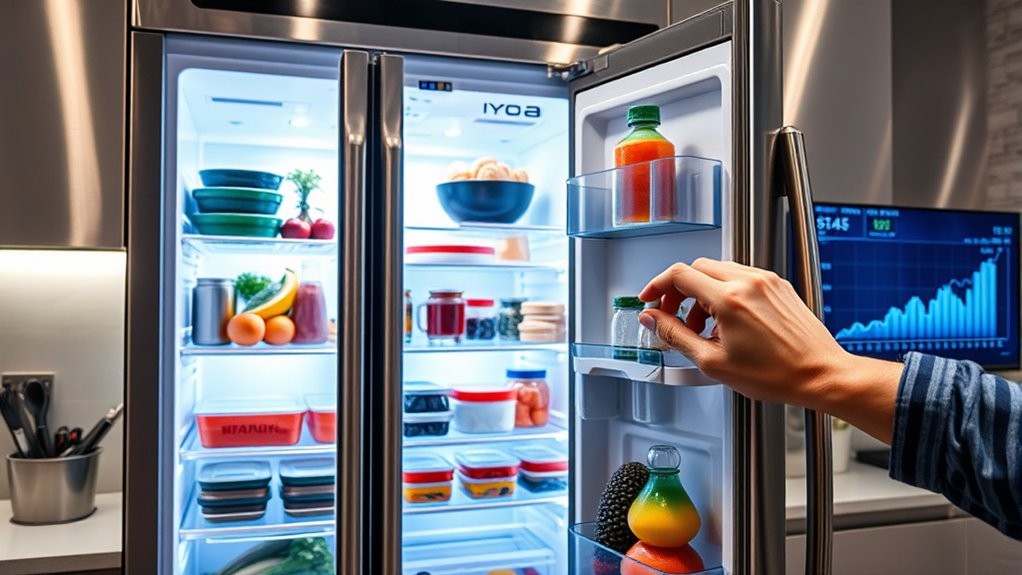
Staying informed about market trends is essential for making smart refrigerator purchase decisions. By tracking industry growth projections, you can anticipate shifts in availability, technology, and pricing. For instance, the global market is expected to reach USD 130.7 billion by 2025, growing at a 9% CAGR, signaling increased innovation and options. Regional data, like North America’s steady expansion, helps you gauge local supply and demand, ensuring you buy at the right time. Keep an eye on energy efficiency and smart features, as these influence market value and consumer preferences. Adjust your purchase plans accordingly—waiting for promotions during slower periods or opting for newer models with advanced tech can save money. Regularly reviewing market insights ensures your investment aligns with current trends and future growth.
Frequently Asked Questions
What Are the Best Strategies to Avoid Overstocking During Market Surges?
To avoid overstocking during market surges, you should analyze current demand trends and forecast sales accurately. Build flexible inventory plans that allow quick adjustments and collaborate with reliable suppliers for rapid restocking. Use data-driven insights to monitor sales patterns, and set safety stock levels carefully. Prioritize just-in-time inventory methods, so you meet customer needs without excess stock, reducing the risk of overbuying when market conditions shift unexpectedly.
How Can Seasonal Trends Influence Refrigerator Purchasing Decisions?
Imagine the first frost of winter or the blooming of spring—seasonal changes that influence your refrigerator needs. You’ll notice increased demand during holidays or summer for larger, energy-efficient models, while quieter months may see reduced purchases. By tracking these trends, you can plan your inventory smarter, stocking up ahead of busy seasons and avoiding overbuying during slow periods, ensuring your stock aligns with consumer habits throughout the year.
What Legal Regulations Impact Regional Refrigerator Inventory Planning?
You need to stay aware of regional legal regulations that impact refrigerator inventory planning. These include energy efficiency standards set by government agencies, such as minimum energy performance requirements and labeling laws. Compliance with refrigerant regulations, like phased bans on certain gases, also affects stock choices. By monitoring these laws, you can avoid overstocking non-compliant models, ensure your inventory aligns with regional mandates, and prevent costly adjustments or penalties.
How Do Inflation and Supply Chain Issues Affect Procurement Timing?
You should expect inflation and supply chain issues to delay procurement timing, as they can increase costs and cause shortages. With the global refrigerator market projected to reach USD 130.7 billion by 2025, any disruption could lead to inventory gaps. To avoid overbuying, plan ahead by monitoring supplier lead times and market trends, ensuring you buy when supply stabilizes and prices are manageable, preventing excess stock or missed sales.
Which Consumer Segments Are Driving the Fastest Growth in Smart Refrigerators?
You should focus on tech-oriented households, as they’re driving the fastest growth in smart refrigerators. These consumers value connected features like Wi-Fi, voice control, and remote management, making them early adopters. Younger professionals and early tech adopters prioritize convenience, energy efficiency, and innovative features. By targeting this segment, you can capitalize on the rising demand for smart kitchen appliances, ensuring you stay ahead in this fast-growing market.
Conclusion
As the refrigerator market heats up, imagine riding the wave of innovation without sinking into overstock. By staying tuned to trends, regional demands, and smart tech, you can navigate this surge confidently. Think of your investment as planting seeds in fertile ground—carefully chosen, well-timed, and ready to grow. With strategic planning, you’ll harvest success without overbuying, turning today’s market surge into tomorrow’s steady gains.
NFL season / tailgating Picks
team gear
As an affiliate, we earn on qualifying purchases.