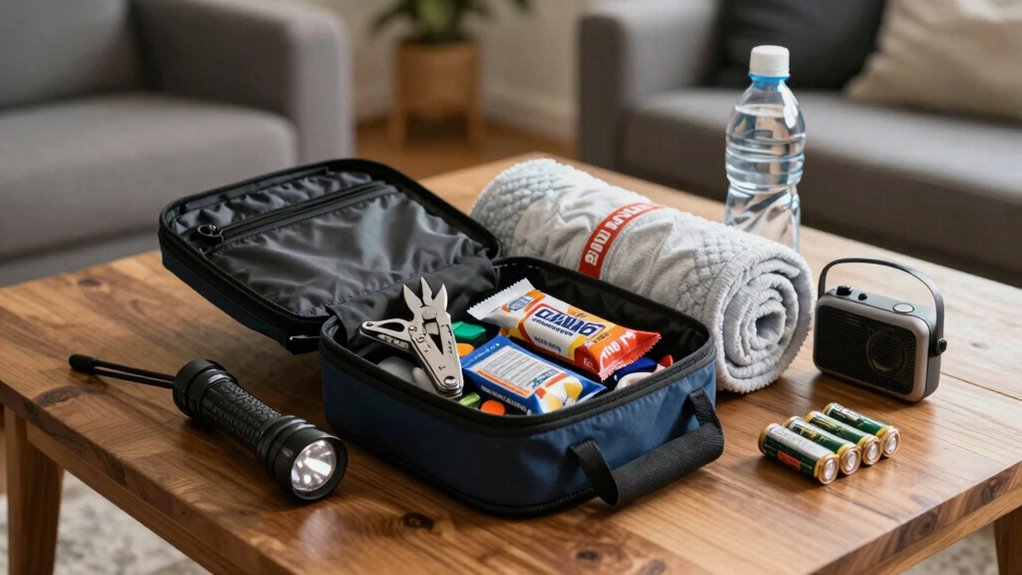

To create a go bag for power outages, assess your area’s risks like storms or grid issues, then choose a durable, portable container. Gather essential supplies such as food, water, first aid, lighting, and communication devices. Don’t forget important documents and medications. Organize everything for easy access, regularly check and update your contents, and practice emergency drills. Keep your plan current—more detailed steps follow to help you stay prepared and confident when outages happen.
Key Takeaways
- Select a durable, weather-resistant container with multiple compartments for organizing essential supplies.
- Pack non-perishable food, bottled water, and necessary medications with backup power sources like batteries or chargers.
- Include reliable communication devices, portable lighting, and emergency medical supplies for safety and navigation.
- Develop and regularly update an emergency plan, practicing drills to improve response and familiarity.
- Review supplies periodically, replace expired items, and incorporate new safety information to ensure readiness.

QT&QY 45L Red Military Tactical Backpacks for Women GYM Fitness CCW Molle go bag emergency survival backpack medical Rucksack
THE SPACE YOU NEED:This Military Tactical backpack size appro: 18inch x 13.2inch x 11.6inch dimensions and appropriately sized…
As an affiliate, we earn on qualifying purchases.
As an affiliate, we earn on qualifying purchases.
Assessing Your Power Outage Risks

Understanding your risk of power outages is the first step in preparing a reliable “Go Bag.” You should evaluate the power outage frequency in your area, noting how often outages occur and their typical duration. Pay attention to regional vulnerabilities, like areas prone to severe storms, hurricanes, or grid failures. These vulnerabilities can considerably increase your risk of experiencing outages. Consider how different causes—such as weather events or infrastructure issues—could impact your daily activities, especially if you rely heavily on electricity. By understanding these patterns, you can better anticipate when to prepare and what supplies to include. Recognizing your specific regional vulnerabilities helps you tailor your “Go Bag” to withstand the types of outages most likely to affect you. Additionally, researching energy resilience strategies can provide insight into alternative resources or investments that could help maintain financial stability during prolonged outages. Being aware of the power demand patterns in your area can also help you plan for capacity issues that might prolong outages or cause outages during peak usage times. Understanding essential service disruptions can further assist in prioritizing supplies and contingency plans.

Mini First Aid Kit – 150 Piece Small Waterproof Hard Shell Medical Kit for Home, Car, Travel, Camping, Truck, Hiking, Sports, Office, Vehicle & Outdoor Emergencies- Small First Aid Medical Kit (Red)
ESSENTIALS FOR EMERGENCY: Everything you need is in this first aid kit! Our kit includes over 150 professional-grade…
As an affiliate, we earn on qualifying purchases.
As an affiliate, we earn on qualifying purchases.
Choosing the Right Container for Your Go Bag

Choosing the right container for your Go Bag is essential to guarantee your supplies stay organized, accessible, and protected during a power outage. Look for a bag made from durable materials that can withstand rough handling and various weather conditions. An ergonomic design is also important, as it ensures comfort when carrying your bag for extended periods. Opt for a bag with sturdy straps, multiple compartments, and easy-access pockets to keep your essentials sorted. Consider size and weight — it should be large enough to hold your supplies but not so bulky that it becomes cumbersome. weather-resistant features can also help protect your supplies from unexpected storms or adverse weather. Incorporating smart storage solutions can further optimize your organization and quick access in emergencies. A well-chosen container helps you stay prepared, reduces stress, and makes sure you can quickly grab everything you need when an emergency strikes. Additionally, selecting a container with proper ventilation can help prevent moisture buildup and preserve your supplies over time. Choosing a container with easy maintenance can also make it easier to clean and keep in good condition for future use.

Lighting EVER LED Flashlights High Lumens, Small Flashlight, Waterproof, Adjustable Focus Flash Light for Outdoor, Emergency, AAA Batteries Included, Tactical & Camping Accessories
PORTABLE SMALL SIZE: Our LED flashlight is portable small size, Length: 4.2in, Diameter: 1.2; Weight 128g, fits well…
As an affiliate, we earn on qualifying purchases.
As an affiliate, we earn on qualifying purchases.
Gathering Essential Supplies and Tools
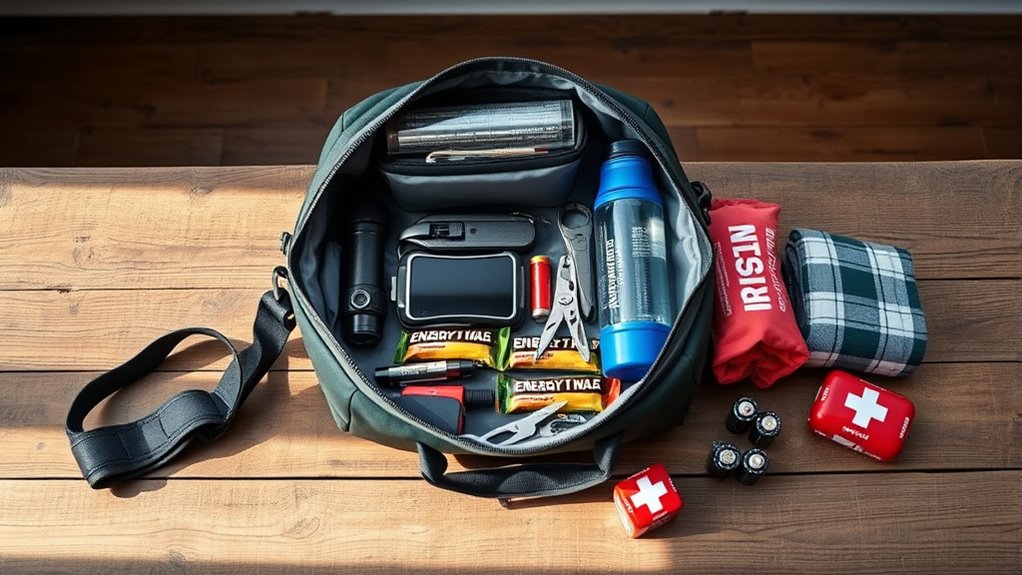
Gathering essential supplies and tools is a vital step to guarantee you’re prepared for a power outage. You need items that sustain you and make life easier during an emergency. Imagine having:
- Emergency snacks like energy bars and trail mix to keep your energy up
- Portable water filters to ensure safe drinking water wherever you are
- A multi-tool with knives, screwdrivers, and can openers for versatile use
These essentials help you stay nourished, hydrated, and equipped to handle unforeseen challenges. Make sure your snacks are non-perishable and easy to carry. Portable water filters are compact but vital for accessing clean water from natural sources or contaminated supplies. Preparing a power outage kit with these supplies ensures quick access when needed and minimizes stress during an emergency. Additionally, consider including air purifiers to improve indoor air quality if the power is expected to be out for an extended period. Incorporating emergency communication devices can also help you stay connected with loved ones and emergency services when necessary. Planning for alternative cooking methods can further enhance your preparedness, especially if the power outage affects your home appliances.

BLAVOR Solar Power Bank 10,000mAh, Portable Wireless Charger, 20W Fast Charging External Battery Pack with USB C for Cell Phones, Solar Panel Charging with Dual Flashlight for Camping
Brand-Oriented and Outdoor Charger Pro: With over 10 years of experience in solar power banks, BLAVOR has already…
As an affiliate, we earn on qualifying purchases.
As an affiliate, we earn on qualifying purchases.
Prioritizing Food and Water Storage
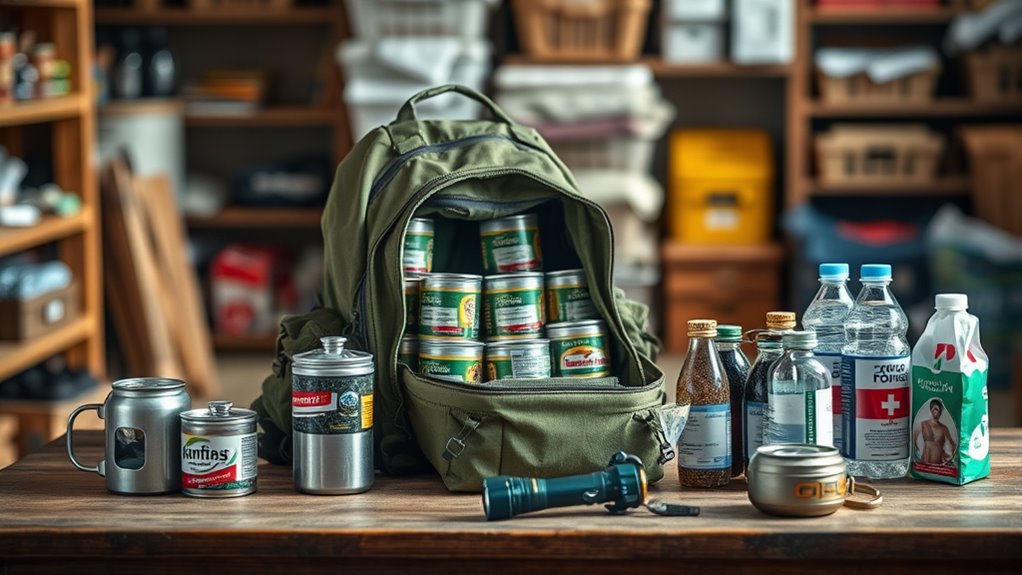
Prioritizing food and water storage guarantees you have enough supplies to last through a power outage. Ensuring food security means selecting non-perishable, nutrient-dense options that won’t spoil quickly. Opt for canned goods, dried fruits, and high-protein snacks, and store them in easy-to-access containers. Hydration planning is equally essential; stock enough bottled water for at least three days per person, and consider water purification tablets or filters as backups. Regularly check expiration dates and rotate supplies to keep everything fresh. Remember, your goal is to minimize dependence on electricity or refrigeration, so focus on versatile, long-lasting items. Incorporating best canned goods for emergencies can further enhance your preparedness efforts. Additionally, choosing items with long shelf lives ensures your supplies remain viable over extended periods. Proper food storage techniques can help preserve the nutritional value and freshness of your supplies. Being aware of the environmentally friendly accommodations available in eco-tourism can inspire sustainable choices even in emergency preparedness. Proper planning now means you’ll stay nourished and hydrated when power is out, reducing stress and maintaining your well-being.
Including Safety and Communication Devices

Make sure your go bag includes essential safety equipment like first aid supplies and protective gear. Reliable communication devices, such as a charged cell phone and a portable charger, are vital for staying connected. Additionally, pack emergency lighting options like flashlights and batteries to see clearly during power outages. To enhance your preparedness, consider including connected home fitness technology to stay active and maintain your wellbeing even during extended outages. Incorporating emergency preparedness plans can also help you respond more effectively when outages occur. Regularly reviewing your home safety and accessibility measures ensures you are ready for unexpected situations. Moreover, understanding vetted wave and wind conditions can help you anticipate and prepare for environmental challenges during outages.
Essential Safety Equipment
Having the right safety and communication devices in your go bag is essential during a power outage. These tools keep you protected and ready for emergencies. Include a well-stocked first aid kit to treat cuts, scrapes, or minor injuries quickly. A fire extinguisher is vital for putting out small fires before they spread. Also, consider adding a flashlight with extra batteries to illuminate dark areas. Visualize a compact kit featuring:
- A sturdy first aid kit with bandages, antiseptics, and pain relievers
- A portable fire extinguisher for immediate fire response
- A reliable flashlight to see in the dark
- Safer riding habits and smart routing tips can help prevent accidents and emergencies during your commute or in unexpected situations. Incorporating emergency preparedness strategies can further enhance your safety during outages. Additionally, choosing safety devices with long-lasting batteries ensures your equipment remains operational when you need it most. These items help you manage hazards safely and stay prepared until help arrives. Prioritize safety equipment that’s easy to access and use in stressful situations. Staying informed about modern safety devices can also improve your response effectiveness during power disruptions.
Reliable Communication Gear
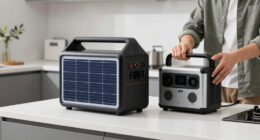
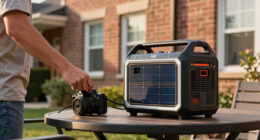
Equipping your go bag with reliable communication devices guarantees you can stay connected and informed during a power outage. Solar chargers are indispensable because they harness sunlight to keep your devices powered without relying on the grid. Include a portable solar charger to ensure your smartphones or radios stay active, especially if outages last days. Satellite phones are also invaluable, offering communication capabilities even when cell networks are down or unavailable. They allow you to contact emergency services or loved ones regardless of your location. Make sure your satellite phone is fully charged and stored in a waterproof, easy-to-access case. Combining solar chargers and satellite phones ensures you maintain essential communication channels, enhancing your safety and situational awareness during extended outages. Drone technology can also be a valuable asset for situational awareness, especially in areas difficult to access by foot or vehicle.
Emergency Lighting Options
Are you prepared to see clearly when the power goes out? Emergency lighting options are essential for safety and communication. Consider including solar lanterns that charge during the day, providing reliable light at night. Battery-powered flashlights are compact and easy to stash in your bag, ready to illuminate dark spaces instantly. Visualize the following:
- A solar lantern casting a steady glow, hanging in a central spot
- A battery-powered flashlight clipped to your bag, quick to grab
- Small, portable safety lights attached to your clothing or gear
These options ensure you can navigate safely, communicate with others, and maintain situational awareness during an outage. Combining solar lanterns with battery-powered flashlights creates a versatile, dependable lighting setup for any emergency.
Planning for Medical Needs and Medications

Make sure you stock essential medications and pack any necessary medical devices in your go bag. Keep a list of emergency contacts nearby for quick access. Being prepared guarantees you can manage your medical needs smoothly during a power outage.
Stock Essential Medications
Planning for medical needs means ensuring you have enough essential medications to last through a power outage. Proper medication storage is key—keep medicines in a cool, dry place, away from sunlight. Regular prescription management helps you track expiry dates and refill prescriptions before running out. To prepare, gather your critical medications, including those for chronic conditions, pain relief, and allergies. Visualize your stash:
- Bottles of pills neatly organized in a waterproof container
- Emergency inhalers easily accessible
- Syringes or insulin supplies stored safely
Having these items ready guarantees you won’t scramble when time is critical. Remember, stock essential medications with close attention to storage requirements and prescription management, so you’re always prepared when the lights go out.
Pack Medical Devices
In addition to stockpiling medications, gathering your medical devices guarantees you’re fully prepared for a power outage. Make sure your portable medical supplies are accessible and in good condition, keeping in mind medical device safety. Pack essential devices like insulin pumps, nebulizers, or CPAP machines, along with their batteries or chargers. Label everything clearly for quick identification. Consider any specialized needs, such as backup power sources or manual alternatives, to avoid disruptions. Regularly check the functionality of your medical devices and replace expired batteries. By organizing these critical tools in your go bag, you reduce stress during an emergency and ensure your medical needs are met without interruption. Properly packed, your medical devices will be ready to support you when you need them most.
Include Emergency Contacts
Having a list of emergency contacts is essential for managing medical needs during a power outage. Keep your emergency contact lists accessible in your go bag, so you can quickly reach out if needed. Your communication plan should include critical numbers like your doctor, local hospital, and emergency services. Consider adding contacts for nearby family members or friends who can assist. Visualize a neighbor with a flashlight, a healthcare provider on speed dial, or a family member ready to help. These contacts ensure you’re not alone when urgent medical help is needed or if your medications run out. Regularly update your emergency contact lists to reflect current numbers and health conditions. A solid communication plan helps you stay connected and organized during stressful situations.
Organizing Important Documents and Cash
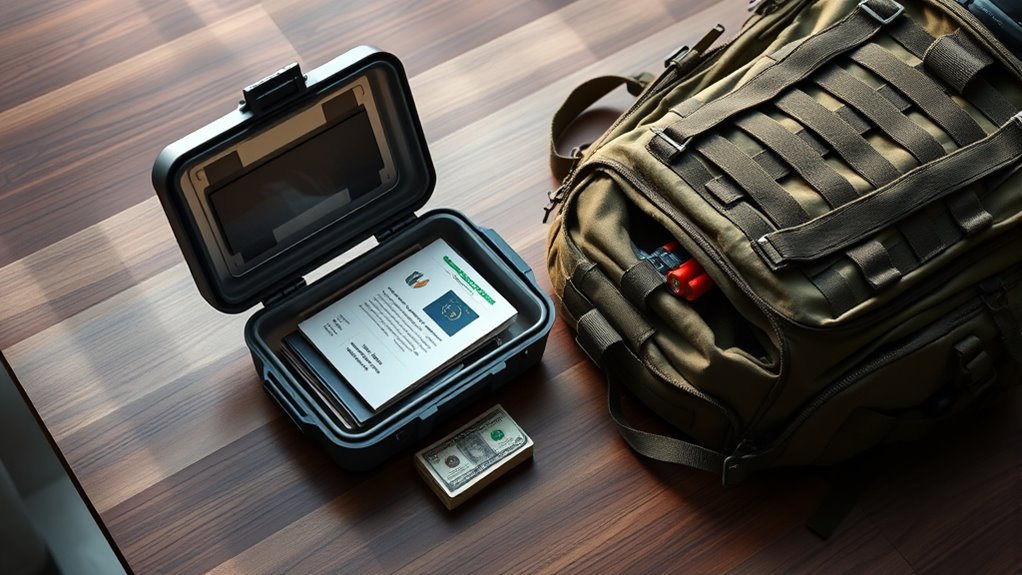
To guarantee your important documents and cash are protected during a power outage, organize them in a secure, waterproof container that’s easy to access. Use this container for vital items like passports, insurance papers, and cash storage. Keep digital copies on a secure cloud or USB drive as backup. Consider categorizing your documents for quick retrieval. To help visualize, here’s a simple guide:
| Item Type | Location | Backup Method |
|---|---|---|
| Important documents | Waterproof container | Digital copy |
| Cash storage | Small safe or pouch | Photo backup |
| Emergency contacts | Notebook or phone notes | Cloud backup |
| Medical info | First aid kit compartment | Digital records |
| Personal IDs | Wallet or secure pocket | Digital copies |
This ensures easy access and protection when needed most.
Maintaining and Updating Your Go Bag

Regularly maintaining and updating your go bag guarantees you’re always prepared for a power outage. Effective inventory management guarantees you know what’s inside and can spot missing or expired items. Conduct periodic reviews to assess your supplies and make adjustments based on changing needs or seasons. During these reviews, you might:
- Replace expired food and water to keep supplies fresh
- Add new essential items, like batteries or chargers
- Remove items no longer necessary or outdated
This routine keeps your kit reliable and tailored to your current situation. By staying organized and proactive, you’ll avoid surprises when an outage occurs. Consistent updates guarantee your go bag remains a trusted resource, ready to support you through unexpected power disruptions.
Practicing Emergency Preparedness Drills

Practicing emergency preparedness drills guarantees you’re ready to respond effectively when a power outage occurs. These drills help you identify gaps in your plan through role playing scenarios that simulate real-life situations. By practicing different scenarios, you learn how to quickly gather your go bag, communicate with family members, and make decisions under stress. Incorporate teamwork exercises to improve coordination and ensure everyone knows their responsibilities. Repeating these drills regularly builds confidence and helps you remember essential steps during an actual outage. It also highlights areas needing improvement, so you can update your plan and go bag accordingly. Ultimately, consistent practice ensures you’re prepared, calm, and capable of handling unexpected power outages efficiently.
Frequently Asked Questions
How Often Should I Review or Update My Go Bag Contents?
You should review and update your go bag at least every six months. During each maintenance schedule, check expiration dates on food, water, and medications, and replace anything nearing expiration. Also, reassess your needs based on seasonal changes or new circumstances. Regularly maintaining your go bag guarantees you’re prepared when an emergency strikes, keeping supplies fresh and relevant for your safety and peace of mind.
What Are the Best Portable Charging Options for Electronics?
You should consider portable charging options like solar chargers and power banks. Solar chargers harness sunlight, making them perfect for extended outages, while power banks store extra power for quick use. Look for high-capacity models with multiple outputs to charge multiple devices simultaneously. Make certain they’re compact and durable, so you can easily carry them in your go bag. These options keep your electronics powered when the grid’s down.
How Can I Customize My Go Bag for Specific Medical Conditions?
You can personalize your go bag for specific medical conditions by including essential medical supplies like medications, wound care items, and any necessary devices. If mobility aids are needed, pack lightweight wheelchair, crutches, or a walker. Make certain you have copies of prescriptions and medical records. Regularly check and update these items to match your current health needs, so you’re prepared for any power outage situation.
What Are Common Mistakes to Avoid When Assembling a Go Bag?
Don’t let storage mistakes trip you up; it’s easy to overlook essentials when assembling your go bag. Avoid packing items in hard-to-reach spots or forgetting crucial supplies like chargers or medications. Keep everything organized in easily accessible compartments, and double-check your list. Remember, a stitch in time saves nine—fewer forgotten essentials means you’re better prepared when it counts most. Stay proactive to dodge last-minute scramble.
How Do I Ensure My Go Bag Is Accessible During an Emergency?
To guarantee your go bag is accessible during an emergency, prioritize storage organization and accessibility strategies. Keep it in a designated, easy-to-reach spot, like near the front door or in a closet you use daily. Regularly check the bag’s contents and update as needed. Practice grabbing it quickly so you’re familiar with its location, ensuring you can access it instantly when every second counts.
Conclusion
Preparing a go bag is a essential step in staying safe during power outages. Did you know that nearly 60% of households aren’t ready for emergencies? By assembling your supplies now, you minimize risks and protect your loved ones. Regularly update your kit and practice drills to stay prepared. Taking these steps gives you peace of mind, knowing you’re ready to face unexpected outages confidently and safely.