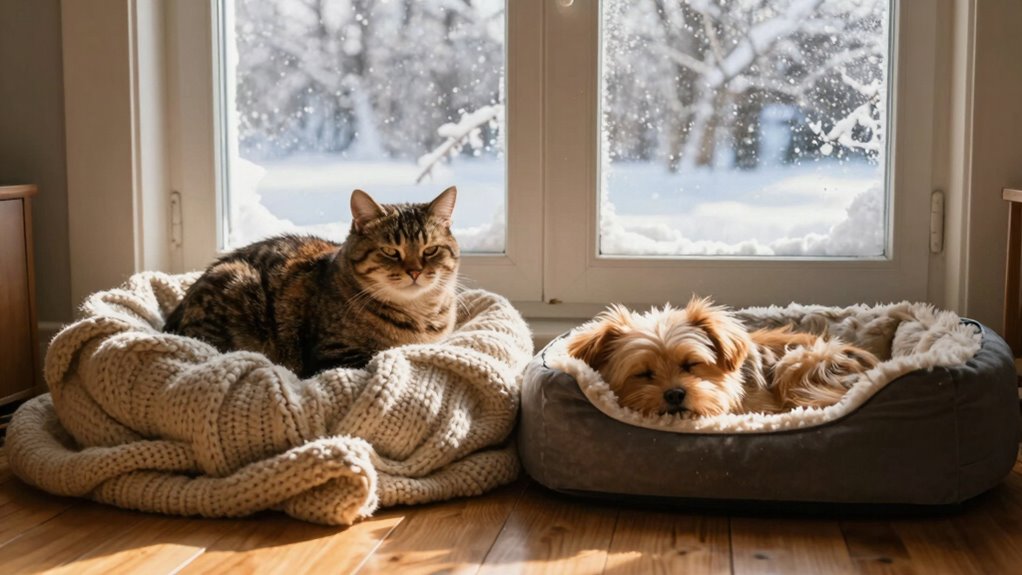

During winter outages, provide a safe space away from windows, such as a utility room or bathroom, with cozy bedding, water, and medications close by. Use hot water bottles wrapped in towels or layered blankets in insulated areas for warmth, avoiding risky open flames or space heaters. Keep an eye out for cold stress and frostbite signs, and make certain your pets stay hydrated and fed. To discover more tips on keeping your pets safe and warm, continue exploring helpful strategies.
Key Takeaways
- Use insulated, draft-free safe spaces like utility rooms or bathrooms with cozy bedding for pets.
- Place hot water bottles wrapped in towels near pets, avoiding direct contact or excessive heat.
- Keep pets indoors in warm areas, and close doors to retain heat and prevent wandering into unsafe zones.
- Supervise the use of fireplaces with pet-proof barriers and avoid open flames or candles.
- Ensure pets have access to fresh water and high-calorie, easily digestible food to maintain warmth and energy.

DICEVER Hot Water Bottle with Soft Cover, 2L Hot Water Bag for Menstrual Cramps, Neck and Shoulder Pain Relief, Hot and Cold Therapies, Hand Feet Warmer, Blue
[Premium Material] — The product is made of premium Material Compared to the traditional rubber hot water bottles,…
As an affiliate, we earn on qualifying purchases.
As an affiliate, we earn on qualifying purchases.
Safe Spaces for Pets During Power Outages
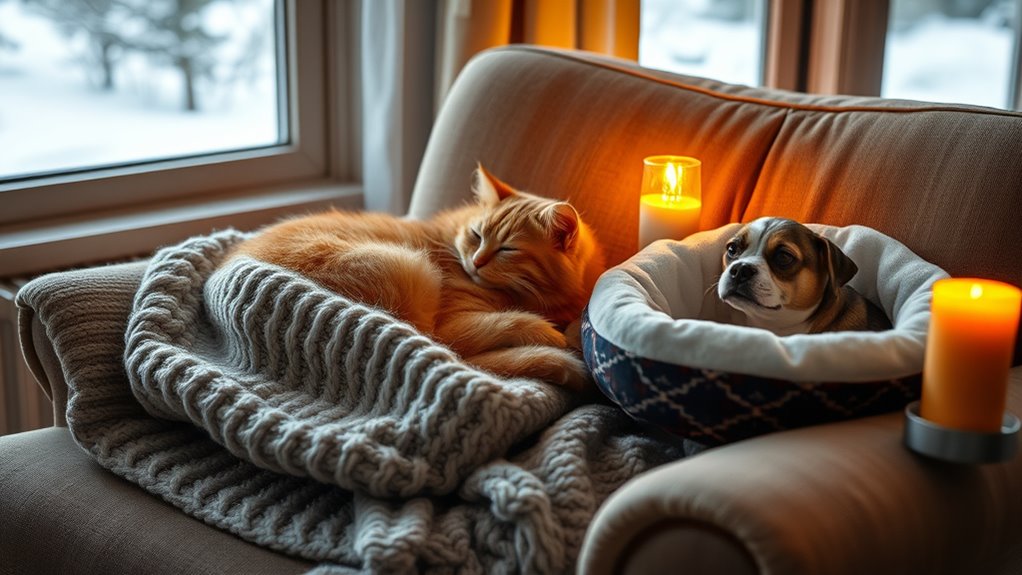
During winter power outages, choosing the right safe space for your pets is essential to keep them secure and comfortable. Select rooms that are away from windows, such as utility rooms, bathrooms, or basements, where drafts are minimal. These areas typically stay warmer and help protect your pets from cold drafts, falling objects, and hazards. Make certain the space is free of clutter and hazards that could cause injury. Keep the door closed to retain warmth and prevent your pets from wandering into unsafe areas. Place their bedding, water, and any necessary medications nearby for easy access. By providing a cozy, secure environment, you help your pets stay calm and safe until power is restored. Proper sheltering is crucial to prevent exposure-related health issues during extended outages. Additionally, ensuring adequate insulation within the space can significantly improve your pet’s comfort in cold conditions, especially in unheated areas that may experience lower temperatures. Proper ventilation also helps prevent the buildup of harmful fumes or stale air, ensuring a healthier environment for your pets.
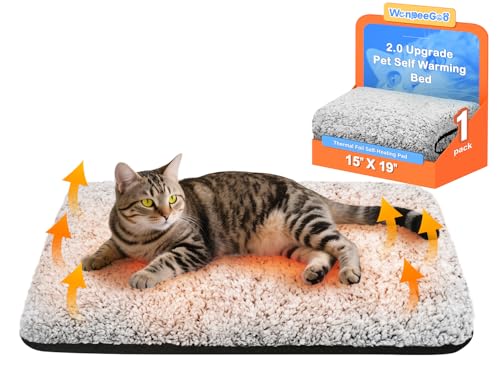
Self Warming Cat Bed, 2.0 Upgraded Thermal Mat for Indoor Cats, 15 x 19 In
2.0 UPGRADED FOIL WARMTH DESIGN: We improved the classic self warming cat bed by using a thicker heat-reflective…
As an affiliate, we earn on qualifying purchases.
As an affiliate, we earn on qualifying purchases.
Alternative Heating Methods to Keep Pets Warm
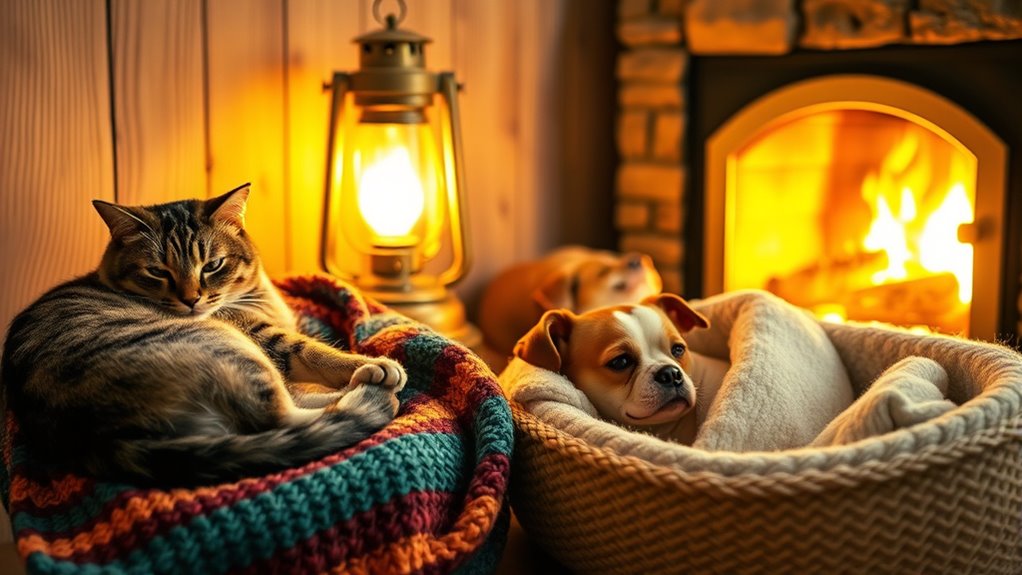
When power outages strike, keeping your pets warm requires safe and effective alternative heating methods. Instead of dangerous space heaters or open flames, consider using battery-powered lanterns or flashlights to create a cozy environment. Place pet beds in insulated, draft-free areas like utility rooms or bathrooms, and layer blankets to boost warmth. You can also use hot water bottles wrapped in towels; place them near your pet but ensure they don’t get too hot. Avoid candles and open flames, as they pose fire risks and are unsafe around animals. Keep pet cages away from drafts and heating devices. If you have a fireplace, supervise its use closely, and install pet-proof barriers. Additionally, ventilation considerations are essential to ensure safe airflow and prevent buildup of harmful fumes. Proper ventilation helps maintain a safe environment and prevents dangerous fumes from accumulating. Using emergency preparedness techniques can further help you safeguard your pets during power outages. These methods help maintain warmth without endangering your furry friends.

500W Dog House Heater with Thermostat, 24H Timer & Smart 40-115°F Adjustable Pet House Heater, 9.8FT Chew-Proof Cord, Kennel Heaters, Chicken Coop Heaters, Cat & Outdoor Animals
⚡️ Safety Tested: Passed UL Report & Meets ETL Standards Compliance: Our commitment begins with safety. Built with…
As an affiliate, we earn on qualifying purchases.
As an affiliate, we earn on qualifying purchases.
Recognizing and Preventing Cold-Related Pet Emergencies
Keeping your pets warm with safe heating methods helps prevent cold-related emergencies, but it’s just as important to recognize the signs of trouble early. Watch for symptoms like shivering, lethargy, or whining, which indicate your pet is struggling to cope with the cold. Pale or bluish gums, cold ears, and paws can signal frostbite, requiring immediate veterinary attention. Hypothermia may cause weakness, confusion, or unconsciousness. To prevent emergencies, keep indoor temperatures warm, limit outdoor time, and provide cozy bedding. Regularly check your pet’s ears, paws, and tail for signs of frostbite. Ensuring access to fresh water, as dehydration worsens cold stress, is crucial. Proper heating methods can make a significant difference in maintaining your pet’s safety during winter outages. Using appropriate heating devices and ensuring proper ventilation helps reduce the risk of overheating or fire hazards. Incorporating sound health practices by monitoring your pet’s overall condition can aid in early detection of cold-related issues. Being aware of climate-related health risks allows pet owners to take proactive steps for their animals’ safety. Early detection and prompt action can save your pet’s life during winter outages.

Lichamp LED Camping Lantern, 4 Pack Battery Powered Flashlight for Power Outages, Portable Collapsible Hanging Light Essential for Home, Outdoor, Emergency Lamp Survival Kit Gear for Hurricane, Gray
ULTRA BRIGHT & SAFE: Designed with 30 energy-efficient LED for 360 degree lighting (97 sq.ft coverage), the latest…
As an affiliate, we earn on qualifying purchases.
As an affiliate, we earn on qualifying purchases.
Ensuring Proper Hydration and Nutrition in Cold Weather
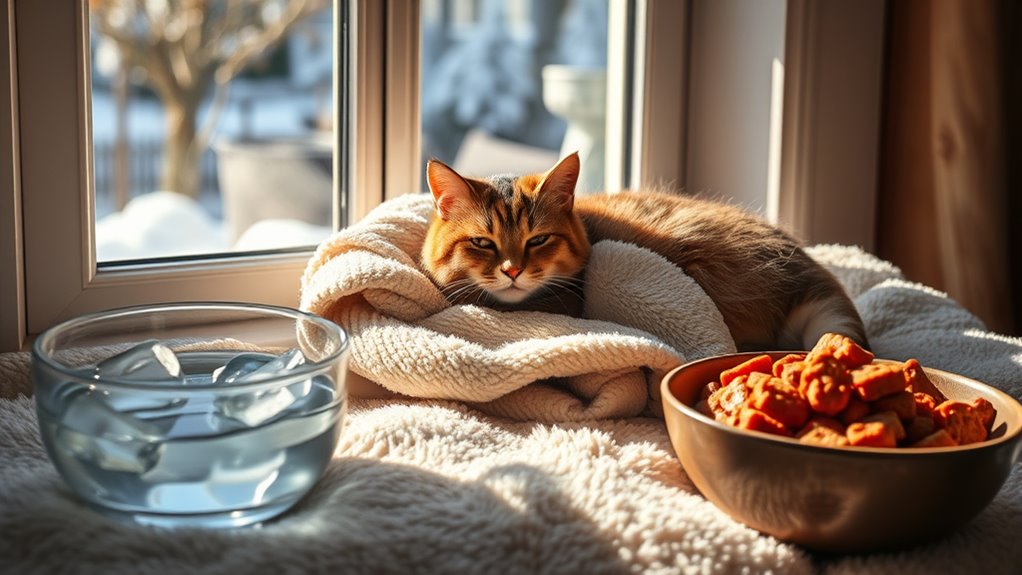
Have you noticed that cold weather increases your pet’s need for hydration and nutrition? During winter outages, it’s essential to provide extra food and water to help your pet stay warm and healthy. Cold weather causes your pet to burn more calories, so you should slightly increase their food portions. Keep full water bowls accessible and clean, as dehydration can sneak in even when it’s chilly outside. If you run low on pet food, mix in safe human foods like cooked rice or lean meats for added calories. Monitor their intake carefully, especially for small, young, or elderly pets, who can become dehydrated or undernourished faster. Proper hydration and nutrition are key to helping your pet endure winter conditions safely.
Outdoor Safety Tips for Pets in Winter Conditions
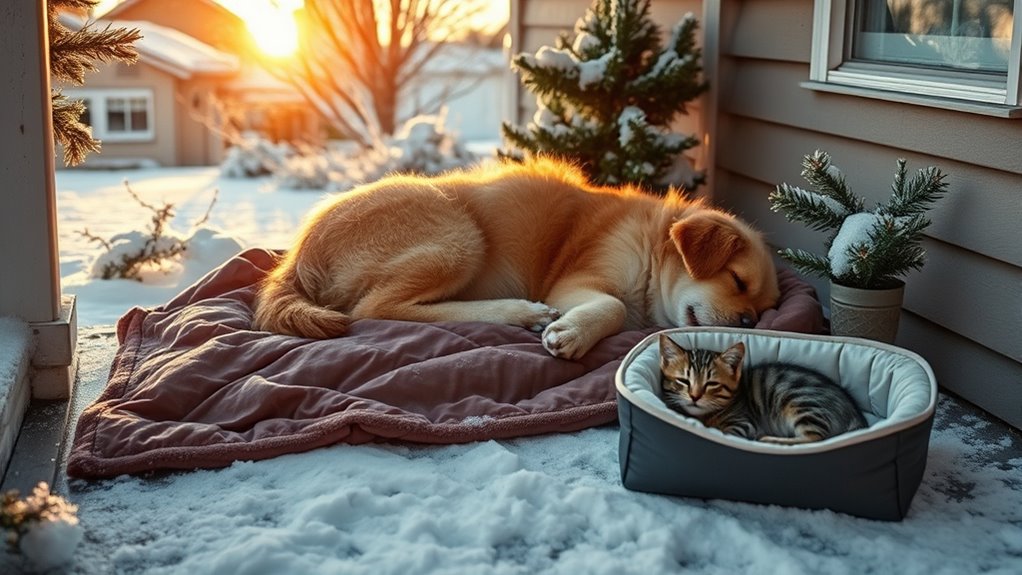
During winter, outdoor hazards can pose serious risks to your pets if you’re not cautious. Keep your pets away from icy sidewalks, metal objects, and exposed wiring, which can cause shocks or injuries. Report any sparks, arcing, or damaged lampposts to utility providers immediately. Use rubber boots on dogs and leashes to prevent contact with electrified surfaces. Avoid letting dogs urinate on lampposts, as this can reveal stray voltage or electrical issues. Watch for signs of frostbite on ears and paws, and limit outdoor walks during extreme cold. Never leave pets in cold cars, which cool rapidly and can be deadly. Supervise outdoor activities closely, and always have a safe, warm shelter ready in case of sudden weather changes. Recognizing electrical hazards and understanding how to prevent them is crucial for identifying potential hazards and ensuring your pet’s safety in winter conditions. Being aware of Gold IRA markets can also help pet owners make informed financial decisions for future security. To further reduce risk, consider scheduling regular electrical system inspections to ensure your outdoor wiring and fixtures are safe and properly maintained. Additionally, maintaining proper dog sweater sizes and materials can help keep your pet warm during outdoor activities.
Frequently Asked Questions
How Can I Tell if My Pet Is Hypothermic?
You can tell your pet is hypothermic if they become lethargic, shiver uncontrollably, or seem disoriented. Check for pale or bluish gums, cold ears, paws, or nose. They may also curl up tightly or move slowly. If you notice these signs, warm them gradually with blankets, bring them indoors, and seek veterinary care immediately. Acting quickly can prevent serious health issues or death.
Are There Safe DIY Methods to Warm Pets During Outages?
Yes, you can safely warm your pet during outages with DIY methods. Use warm blankets or towels to wrap your pet, ensuring they stay cozy. Place the pet in a draft-free, insulated area like a closet or bathroom. Use warm water bottles wrapped in towels to provide gentle heat, but avoid direct contact with skin. Monitor their comfort and avoid overheating by checking frequently. These methods help keep your pet warm safely.
What Signs Indicate Frostbite in Pets?
Did you know frostbite affects over 30% of pets exposed to cold conditions? Signs include pale, gray, or blistered skin, especially on ears, paws, and tail. You might notice swelling, coldness, or pain when touched. If you see these, move your pet to a warm area immediately and seek veterinary care. Prompt action can prevent permanent tissue damage and guarantee your pet stays safe during winter cold snaps.
How Do I Keep Indoor Air Safe With Alternative Heat Sources?
You keep indoor air safe with alternative heat sources by never leaving space heaters or fireplaces unattended, supervising pets around them, and installing pet-proof barriers. Use battery-powered lanterns instead of candles, and guarantee good ventilation to prevent carbon monoxide buildup. Regularly check your heating devices for safety, keep pets away from drafts, and install detectors. These steps help maintain a warm, safe environment without risking fire or poisoning.
Can Pets Develop Respiratory Issues From Cold Drafts Indoors?
Yes, pets can develop respiratory issues from cold drafts indoors. You should keep the drafts away from your pets by sealing windows and doors, especially in rooms where they spend most of their time. Use draft stoppers and guarantee proper insulation. Regularly monitor your pets for signs of respiratory discomfort like coughing or wheezing, and consult your vet if you notice any symptoms to prevent further health problems.
Conclusion
Remember, over 60% of pet owners have experienced winter power outages, making it vital to keep your furry friend safe and warm. By creating cozy spaces, using safe heating alternatives, and monitoring their health, you can protect your pet from cold-related emergencies. Stay vigilant and prepared—your pet’s comfort and safety depend on it. With these tips, you’ll ensure a warm, safe winter for your beloved companion, no matter what outages come your way.