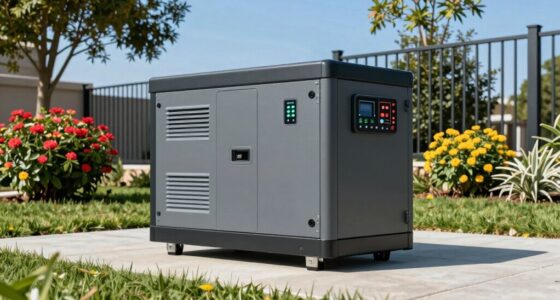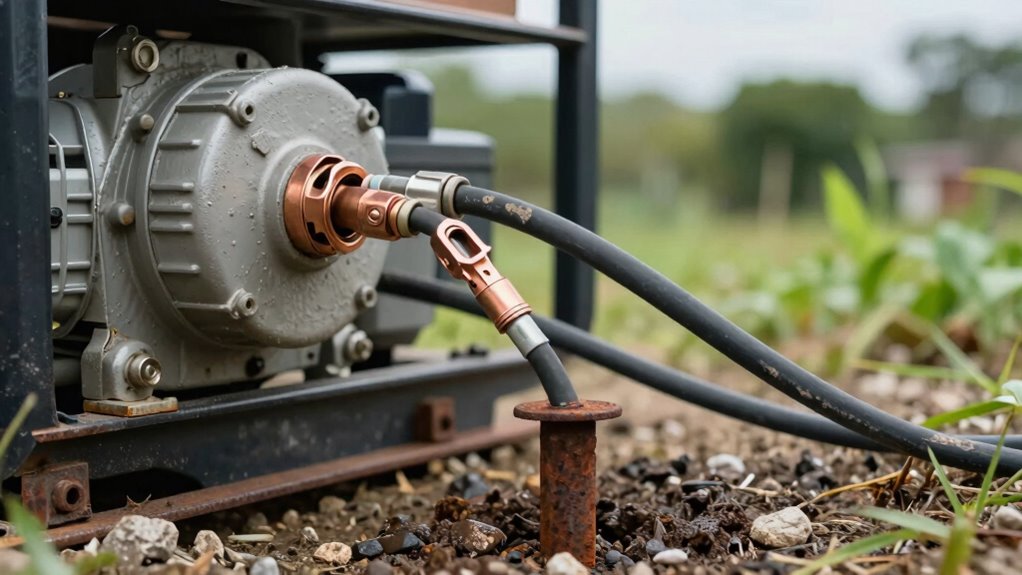

Generator grounding is crucial for safety, preventing shocks, and protecting your equipment from faults. You need to ground your generator when mandated by electrical codes, especially for outdoor or wet environments or when connecting to a building or utility system. However, in some cases, grounding may not be necessary, like for portable generators used indoors with proper insulation. To guarantee you’re safe and compliant, understanding the rules and techniques is essential—keep exploring to learn more.
Key Takeaways
- Grounding enhances safety by preventing electrical shocks and equipment damage during faults or surges.
- It is legally required when connecting generators to buildings, utility systems, or outdoor/wet environments.
- Signs of improper grounding include frequent breaker trips, shocks, corrosion, and sudden equipment shutdowns.
- Grounding may be unnecessary for indoor, well-insulated, or manufacturer-approved portable generator setups.
- Proper grounding techniques involve secure connections to compliant grounding rods and regular system maintenance.
Understanding the Purpose of Generator Grounding
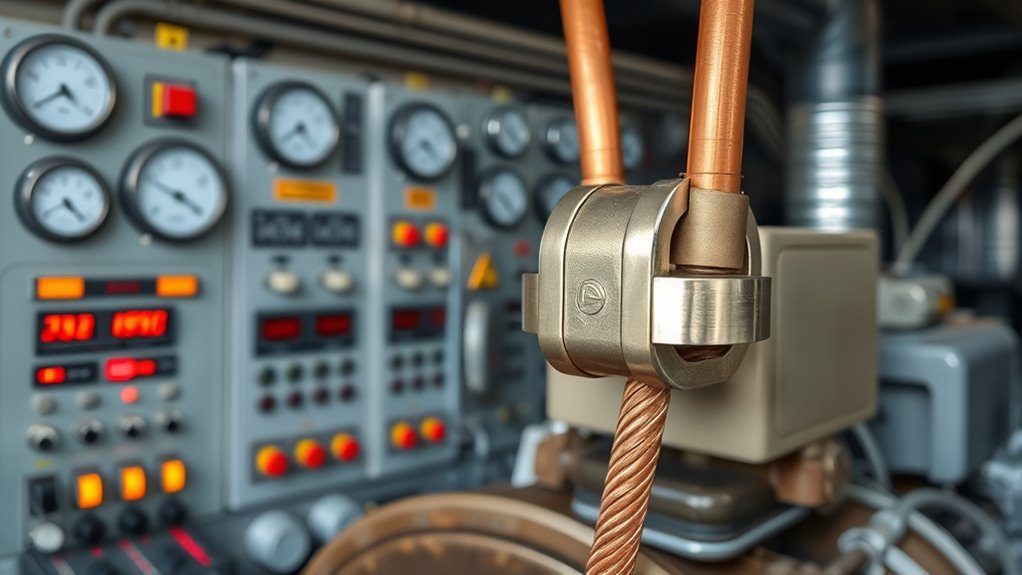
Generator grounding is essential for ensuring safety and proper operation. Many grounding myths suggest that grounding isn’t necessary or that it’s a complicated process, but that’s not true. Proper grounding helps prevent electrical shocks and protects your equipment from electrical faults. Color accuracy while not directly related to grounding, can influence the overall safety and visual clarity of your setup. While traditional grounding involves connecting the generator to a grounding rod or grounding system, there are grounding alternatives designed to meet specific needs, especially in portable setups. These alternatives still ensure safety by providing a safe path for fault currents. Understanding the purpose of grounding is simple: it creates a safe route for excess electricity, reducing the risk of injury or damage. Proper grounding techniques are crucial for ensuring safety and compliance in generator use. Additionally, understanding grounding requirements can help you choose the most effective method for your setup, especially considering the grounding standards that apply in different regions or applications. Recognizing the role of AI in healthcare can further enhance safety protocols by integrating advanced monitoring systems.
When Is Grounding Legally Required?
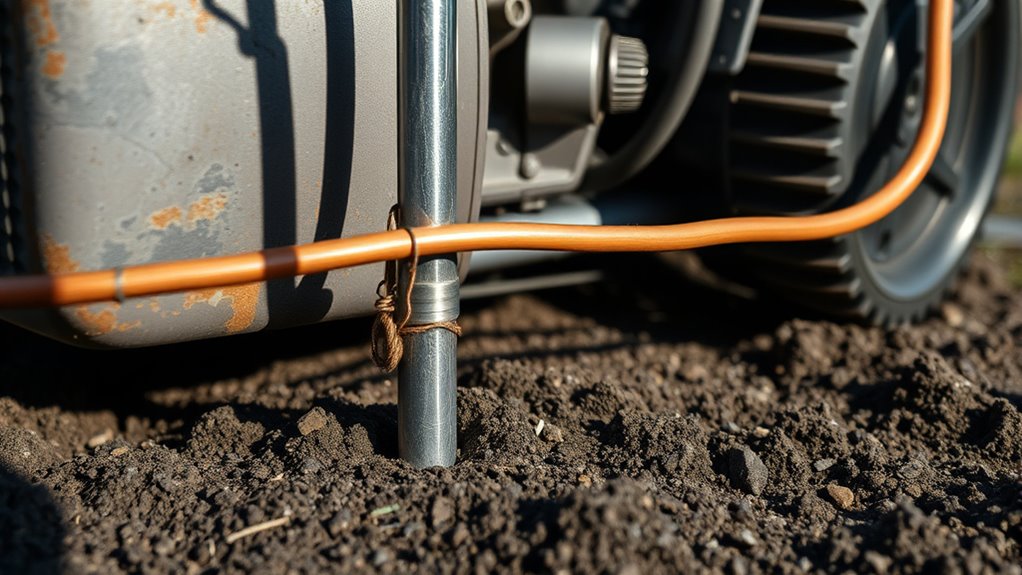
You need to know when grounding is legally required to stay compliant with electrical codes. Legal code requirements specify the situations where grounding is mandatory, ensuring safety and adherence to standards. Understanding these standards helps you determine when grounding isn’t just recommended but legally necessary. For example, certain electrical installations in security zone areas may have specific grounding requirements to prevent electrical hazards and enhance security measures. Additionally, some regulations specify grounding needs for outdoor and wet locations, where water exposure increases the risk of electrical shock. Recognizing electrical safety standards is essential to ensure proper grounding practices are followed in various environments. Moreover, grounding regulations may vary depending on local building codes and the type of electrical system involved. Being aware of grounding safety protocols is crucial for maintaining compliance and protecting property and personnel.
Legal Code Requirements
Grounding becomes legally required whenever electrical systems are installed or modified to guarantee safety and compliance with national and local codes. You need to understand that many grounding myths can lead to unsafe practices, so following proper grounding techniques is essential. Building codes specify when grounding is mandatory, especially for generators, to prevent electrical shocks and fires. Local authorities often enforce these regulations, which may vary by region. If you’re unsure whether your setup meets legal standards, consult the National Electrical Code (NEC) or local codes. Proper grounding isn’t optional; it’s a requirement designed to protect you and your property. Ensuring compliance with these legal code requirements means adhering to established standards and avoiding potential penalties or safety hazards. Additionally, understanding the specific grounding requirements outlined in regulations can help prevent costly violations and ensure your system’s safety. Recognizing the applicability of grounding in various situations helps in maintaining safe and compliant electrical installations. Paying close attention to grounding standards helps ensure your system remains compliant and safe over time, especially considering that regulatory updates can change the requirements.
Code Compliance Standards
Legal requirements for grounding are clearly outlined in national and local electrical codes, which specify when grounding is obligatory to ensure safety. You must follow these standards to maintain electrical safety and adhere to proper grounding protocols. Code compliance is essential, especially for generators used in emergency or commercial settings. Generally, grounding is required when the generator supplies power to a building or connects to the utility system. It’s also mandated if the generator’s system has a delta or wye configuration or if it’s used in outdoor or wet environments. Proper grounding helps prevent dangerous shock hazards and equipment damage. By complying with these standards, you reduce the risk of electrical shock, equipment damage, and fire hazards. Always consult the latest electrical codes to determine when grounding is legally required and ensure your setup meets all safety regulations.
Signs That Your Generator Needs Proper Grounding
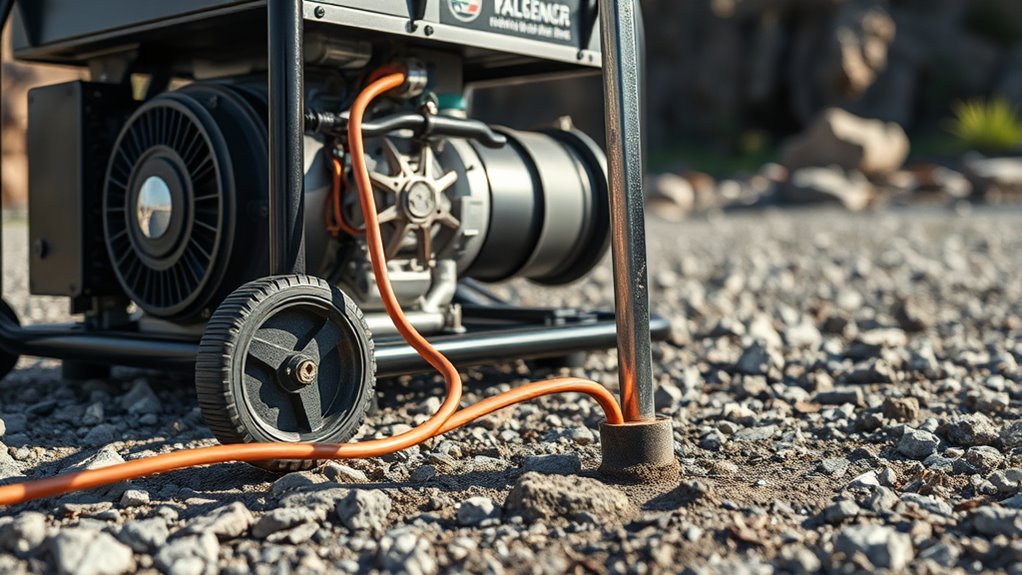
If your generator keeps tripping circuit breakers or you feel unexpected shocks, it’s a clear sign something’s wrong. Visible grounding issues, like corrosion or loose connections, also indicate grounding problems. Recognizing these signs early can prevent potential damage and make certain safe operation. Proper grounding is essential for ensuring the generator operates safely and efficiently. Additionally, understanding the security zone info can help identify areas where additional safety measures might be necessary to protect your equipment and home. Regular inspections and adherence to grounding standards can further reduce the risk of electrical hazards. Ensuring your generator’s grounding is correctly maintained helps prevent infection and irritation, much like proper piercing care and hygiene minimizes health risks. Incorporating natural pool techniques can further support a safe environment around your generator area.
Frequent Circuit Breaker Trips
Frequent circuit breaker trips are a clear sign that your generator may not be properly grounded. Many grounding myths circulate, leading some to try DIY grounding without understanding the full risks. Incorrect grounding can cause electrical imbalances, resulting in trips to protect your system. If your breaker keeps shutting off, it’s a sign to check your grounding setup rather than ignore the problem. Relying on myths about DIY grounding might seem tempting, but improper grounding can cause damage or pose safety hazards. Proper grounding ensures your generator operates safely and reliably. If you’re experiencing repeated trips, consult a professional to verify your grounding system rather than risking further issues by attempting to fix it yourself. Proper grounding is essential for safety and equipment longevity, especially when dealing with safe installation practices. Additionally, understanding the importance of proper electrical grounding can help prevent future issues and ensure your system remains secure.
Unusual Electrical Shocks
Have you noticed receiving unexpected or tingling shocks when touching your generator or connected appliances? These unusual electrical shocks can be a sign that your generator isn’t properly grounded, risking electrical safety. Many grounding myths suggest that grounding isn’t necessary, but these shocks reveal otherwise. Proper grounding helps prevent stray currents that cause shocks. Consider the following:
| Symptom | Possible Cause |
|---|---|
| Tingling shocks when touched | Inadequate grounding or wiring issues |
| Sparks or static buildup | Poor grounding connection |
| Sudden appliance shutdown | Electrical imbalance due to grounding faults |
Additionally, grounding techniques are fundamental practices that ensure your electrical system is safe and compliant with standards. Proper grounding is especially important in Gold IRA markets, where secure and reliable connections are essential for protecting valuable assets. Ensuring your generator’s grounding system is properly installed and maintained can help prevent these issues. If you experience these signs, it’s time to verify your grounding system. Proper grounding dispels myths and maintains electrical safety, preventing potential electric shock hazards. Ensuring proper grounding is an essential safety measure that should never be overlooked.
Visible Grounding Issues
Visible grounding issues are clear indicators that your generator isn’t properly grounded. If you notice signs like persistent electrical shocks when touching metal parts, flickering lights, or frequent tripping of circuit breakers, it’s time to verify the grounding. Many grounding myths suggest that grounding isn’t necessary or that it’s only for safety, but these misconceptions can be dangerous. Proper grounding ensures safety and equipment protection. If grounding myths have led you to ignore these warning signs, you risk electrical shocks or equipment damage. Visible issues, such as corrosion around grounding terminals or loose connections, also point to grounding problems. Address these signs promptly to avoid more serious electrical hazards and ensure your generator operates safely and reliably.
Risks of Over-Grounding or Incorrect Grounding
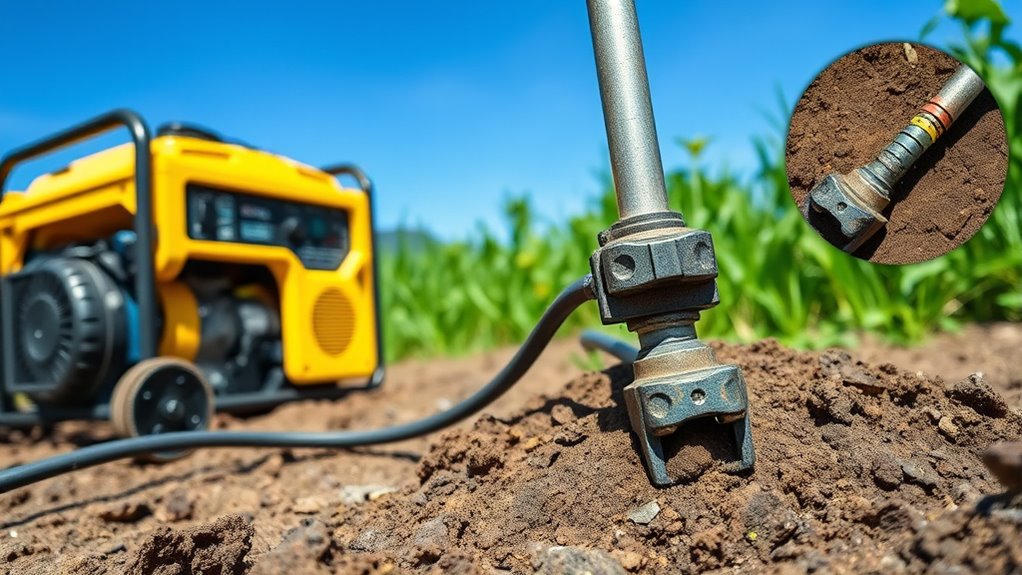
While grounding is essential for safety, over-grounding or incorrect grounding can introduce serious risks. Improper grounding can create grounding hazards, increasing the chance of electrical shock, equipment damage, or fire. When the system is over-grounded, it may cause unintended current paths or voltage fluctuations, compromising safety and performance. You might also experience nuisance tripping or electrical noise, which complicates troubleshooting. Additionally, incorrect grounding can lead to equipment malfunction or even damage sensitive electronics. It’s vital to follow proper grounding practices to avoid these risks. Youngster Choice has highlighted the importance of understanding different backgrounds and their influence on behavior, which can also be relevant in designing safe electrical systems.
- Increased risk of electrical shock due to improper grounding
- Unnecessary equipment damage from incorrect grounding paths
- Elevated fire hazards from improper grounding faults
- Nuisance tripping and electrical noise issues
- Reduced safety due to false sense of security
Situations Where Grounding May Be Unnecessary
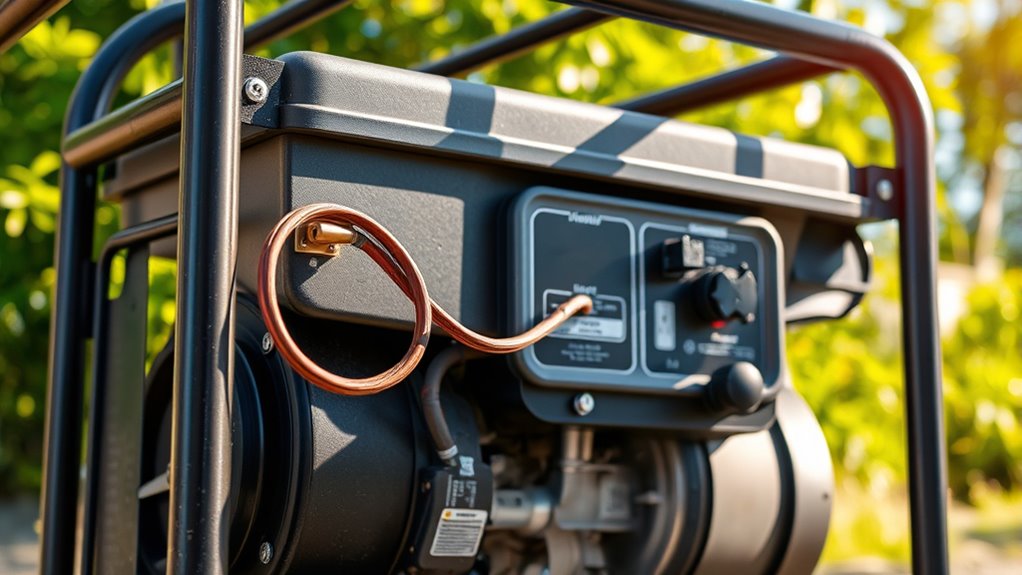
In certain situations, grounding your generator may not be necessary and could even introduce more risks. Many grounding myths circulate, leading to misconceptions about when grounding is essential. For example, if you’re running a portable generator indoors or on a grounded electrical system, grounding might be unnecessary or counterproductive. In these cases, grounding misconceptions can cause more harm than good, creating confusion about safety protocols. If your setup is properly insulated and designed to prevent electrical faults, additional grounding might not provide extra protection. Always assess your specific situation and consult manufacturer guidelines before grounding. Recognizing when grounding isn’t needed helps prevent unnecessary risks and ensures you follow the safest, most effective practices.
Proper Techniques for Safe and Effective Grounding
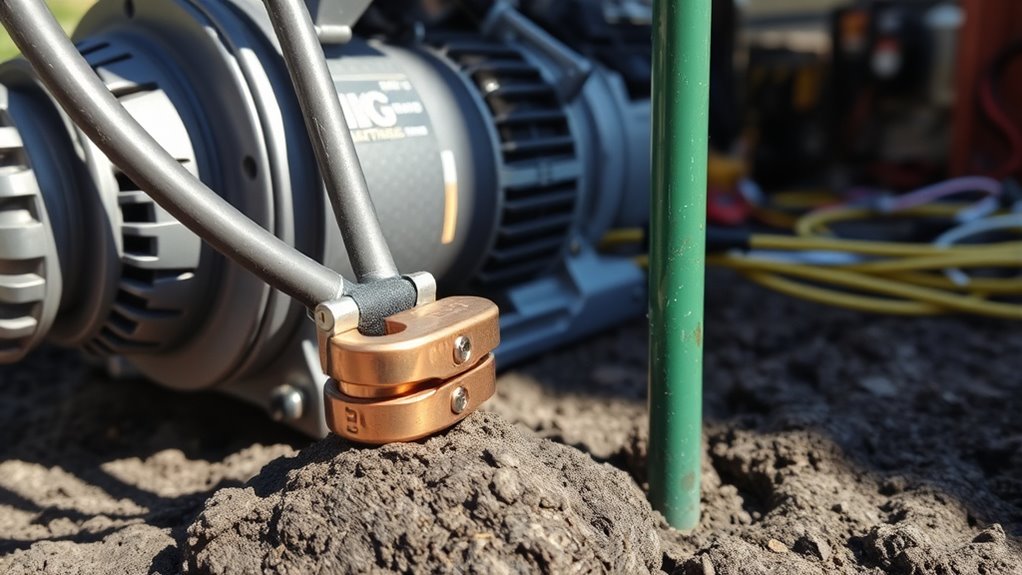
Proper grounding techniques are fundamental to guaranteeing your generator operates safely and effectively. To achieve this, follow established safety precautions and use proper grounding methods. Start by connecting your generator to a grounded rod or grounding system that meets local electrical codes. Always verify the grounding connection is secure and corrosion-free. Use appropriate grounding conductors rated for your generator’s power. Keep safety precautions in mind, such as turning off the generator during grounding procedures and avoiding contact with live parts. Ensure your grounding setup is clear of moisture and debris to prevent faults. Regularly inspect your grounding system for damage or corrosion. Proper techniques help protect against electrical shock and equipment damage, ensuring reliable operation during power outages or emergency use.
- Use a properly rated grounding rod or system
- Confirm secure and corrosion-free connections
- Follow local electrical codes and safety standards
- Turn off the generator before grounding
- Regularly inspect and maintain grounding components
Frequently Asked Questions
Can Portable Generators Be Grounded Using Standard Household Outlets?
You shouldn’t ground a portable generator using standard household outlets. Portable generator grounding requires proper grounding methods, such as connecting to a grounding rod or grounding system, to guarantee safety. Outlet grounding isn’t suitable for generator grounding because it may not provide a proper or safe connection. Always follow manufacturer instructions and local codes for generator grounding, and avoid relying solely on outlet grounding for safety and electrical integrity.
How Often Should Generator Grounding Systems Be Inspected or Maintained?
You should inspect your generator grounding system regularly to guarantee safety and reliability. Follow a consistent maintenance schedule, ideally every 3 to 6 months, depending on usage and environmental conditions. During each inspection, check for corrosion, loose connections, and damage. Frequent inspections help prevent potential hazards, keeping your generator grounded properly and ensuring it functions safely when you need it most.
What Are the Consequences of Improper Grounding During a Storm?
Improper grounding during a storm can lead to serious consequences. You risk electrical shock if lightning strikes or surges occur, making the system dangerous to touch. Additionally, your equipment might suffer damage from power surges, which can be costly to repair or replace. Ensuring proper grounding helps protect you and your equipment by safely directing excess electricity away, minimizing risks during electrical storms.
Are There Specific Grounding Requirements for Marine or RV Generators?
Think of your marine or RV generator as a lighthouse guiding your journey. For marine grounding, you must follow specific procedures to protect your vessel from electrical storms, ensuring safety and compliance. RV electrical systems also require proper grounding to prevent shocks and fires. You should always check manufacturer instructions and local codes, because proper grounding is your safeguard against electrical chaos, keeping your adventures safe and smooth.
How Does Grounding Impact the Lifespan of a Generator?
Grounding can considerably impact your generator’s lifespan by improving grounding conductivity and preventing electrical faults. Proper grounding helps dissipate excess current, reducing the risk of damage from power surges. When you guarantee effective grounding, you protect your generator’s components, extend its operational life, and avoid costly repairs. Consistent surge protection and correct grounding practices keep your generator running smoothly, making it a reliable power source for years to come.
Conclusion
Think of grounding your generator as planting a safety seed in your power garden. When done correctly, it’s like nourishing a sturdy tree that keeps your home safe from electrical storms. But overdoing it or skipping it altogether can be like watering weeds—disrupting the balance. By understanding when and how to ground properly, you’re cultivating a secure foundation, ensuring your power stays steady and your home remains a fortress against unseen electrical tempests.