
If you’re choosing between manual and automatic transfer switches for your home backup, consider your needs for convenience and response time. Manual switches are affordable and simple but require you to operate them during outages, which can delay backup power. Automatic switches detect outages instantly and switch power automatically, providing seamless backup and preventing delays, but tend to cost more and need professional installation. To decide the best option for your home, explore the details that follow.

Get backup power and energy gear delivered free — and shop member deals
- Fast, free delivery on millions of items
- Access to Prime Big Deal Days deals on October 6–7
- Prime Video, Amazon Music and more included
Key Takeaways
- Manual switches are cost-effective but require operator action during outages, potentially causing delays.
- Automatic switches detect outages instantly and switch power automatically for seamless backup.
- Automatic switches monitor generator health and prioritize critical loads without manual input.
- Manual switches are simpler to install and maintain, while automatic systems are more complex and costly.
- Choice depends on budget, desired convenience, and the need for immediate power transfer during outages.
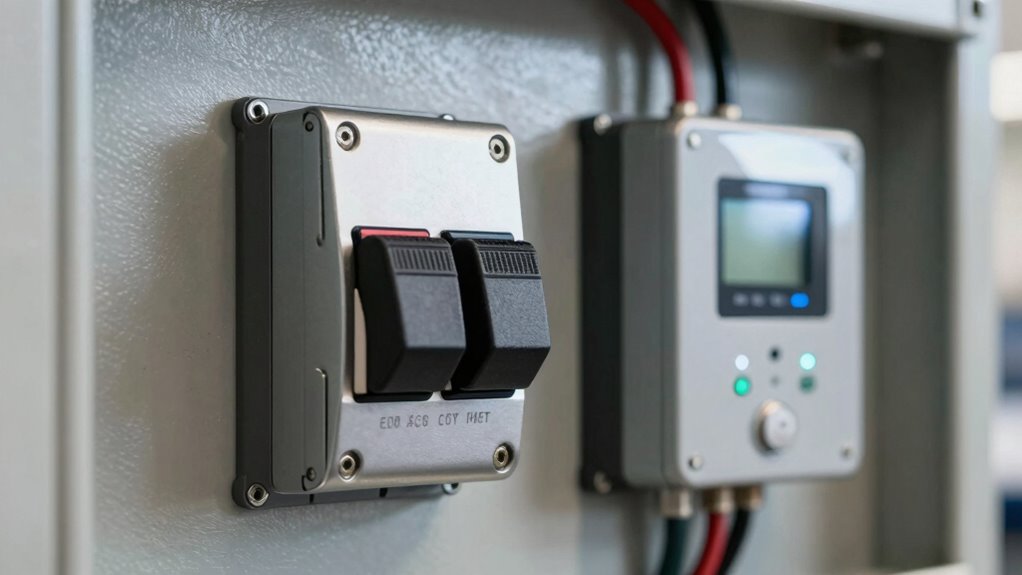
When it comes to safeguarding your home against power outages, choosing the right transfer switch is essential. A transfer switch is what allows your generator to kick in seamlessly during an outage, ensuring your home remains powered without risking damage to the system or your appliances. One of the key considerations is whether to go with a manual or automatic transfer switch. Each has its own advantages and disadvantages, but your choice depends on your specific needs and preferences.
If you prefer a straightforward, cost-effective solution, a manual transfer switch might be the way to go. With a manual switch, you’re responsible for flipping the switch to connect your generator when the power goes out. This means you need to be alert and ready to act quickly, especially if outages are frequent in your area. However, manual switches require less maintenance and are generally simpler to install and operate. Keep in mind, though, that manual operation can lead to delays, especially if you’re away or unable to respond immediately. To make the most of your generator, you should also prioritize regular generator maintenance, ensuring it runs smoothly when needed. Additionally, load prioritization becomes important; you’ll need to decide which appliances or circuits are most critical, so you don’t overload the generator when switching manually. Understanding generator maintenance is crucial for reliability. It’s also helpful to familiarize yourself with transfer switch operation to ensure smooth handling during an outage. Being aware of system compatibility can help prevent issues during installation or operation. Furthermore, knowing the cost differences between manual and automatic options can assist in making an informed decision. Additionally, understanding the installation process can help you better prepare for setup and ensure safety.
On the other hand, an automatic transfer switch offers a more hands-off approach. It detects power outages instantly and switches your home’s power source automatically, often within seconds. This is particularly beneficial if you want uninterrupted power without having to be present or monitor the situation constantly. Automatic switches also typically come with features that monitor your generator’s status, alerting you to maintenance needs or potential issues, which helps extend the lifespan of your equipment. Because these systems handle load prioritization intelligently, they ensure that the most critical circuits—like your refrigerator, heating system, or medical devices—stay powered first. This means you don’t have to worry about manually deciding what gets power during a blackout.
However, automatic transfer switches tend to be more expensive and require professional installation, and they may need more ongoing maintenance. Still, their convenience can outweigh the costs, especially if you experience frequent outages or depend heavily on your backup power. Whichever option you choose, remember that proper generator maintenance and understanding load prioritization are vital to ensuring your backup system functions efficiently and reliably when needed most.
manual transfer switch for generator
As an affiliate, we earn on qualifying purchases.
As an affiliate, we earn on qualifying purchases.
Frequently Asked Questions
How Long Does Installation Typically Take for Each Switch Type?
The installation process for both switch types varies, but generally, manual transfer switches take about 4 to 8 hours, while automatic switches might need 8 to 12 hours. You’ll want to take into account switch compatibility with your existing system, as that can influence the time needed. Proper planning ensures a smooth installation, whether you’re installing a manual or automatic transfer switch, and professional help can streamline the process.
Are Manual Transfer Switches Suitable for All Generator Sizes?
Manual transfer switches are versatile, but they might not suit all generator sizes—think of them as a superhero cape that fits only certain heroes. Your generator’s compatibility is key; larger or specialized units may require different switches. When comparing costs, manual switches are usually cheaper upfront. However, consider your power needs and future expansion—sometimes paying more initially saves you headaches later. Always check your generator’s specifications before choosing.
What Maintenance Is Required for Automatic Transfer Switches?
You need to perform regular maintenance on automatic transfer switches to guarantee safe operation and reliable power transfer. Check the transfer switch safety features periodically, and clean any dust or debris. Usually, maintenance frequency depends on usage and environmental conditions, but inspecting it at least once a year is recommended. Always follow the manufacturer’s guidelines, and consider professional service if you notice any irregularities or issues with the switch’s performance.
Can Both Switch Types Be Used With a Portable Generator?
Imagine a portable generator, ready to power your home during an outage. Both manual and automatic transfer switches can work with it, but the key is generator compatibility. Manual switches require you to operate them physically, while automatic switches offer seamless power transfer. Switch reliability varies; automatic switches often provide quicker, more reliable responses, but manual switches are simpler and less expensive. Choose based on your needs for convenience and reliability.
What Is the Average Lifespan of Manual Vs Automatic Transfer Switches?
Manual transfer switches typically last around 10 to 15 years, thanks to their simple mechanics and switch durability. Automatic transfer switches tend to have a slightly shorter lifespan, around 10 years, due to their more complex components and frequent use. Regular maintenance can extend both switch types’ lifespan. Overall, choosing quality models and performing routine checks helps guarantee your transfer switch stays reliable during power outages.
automatic transfer switch for home backup
As an affiliate, we earn on qualifying purchases.
As an affiliate, we earn on qualifying purchases.
Conclusion
Choosing between manual and automatic transfer switches depends on your specific needs. While manual switches offer affordability and simplicity, automatic switches provide seamless power transfer without your intervention. Some might worry about the complexity of automatic systems, but modern designs are user-friendly and reliable. Investing in an automatic switch guarantees peace of mind, especially during unexpected outages, making it the smarter choice for those prioritizing convenience and safety in their home backup system.
As an affiliate, we earn on qualifying purchases.
automatic vs manual transfer switch
As an affiliate, we earn on qualifying purchases.
As an affiliate, we earn on qualifying purchases.
Fall Picks
fall essentials
As an affiliate, we earn on qualifying purchases.