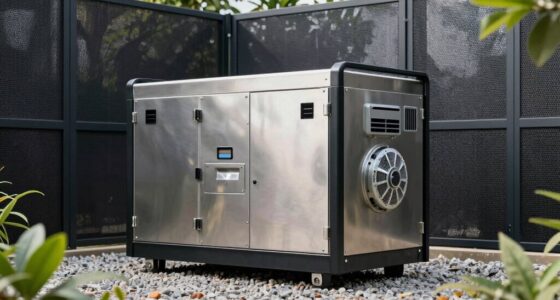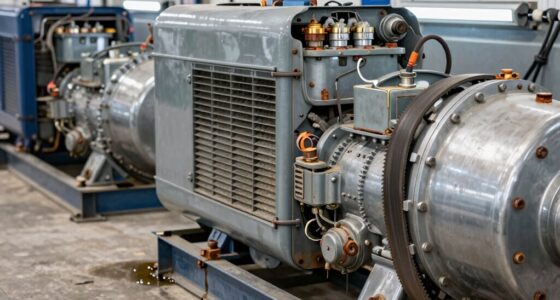
Switching between gas, propane, or dual fuel systems can change your daily life by affecting costs, availability, safety, and convenience. Propane might cost more seasonally and require storage tanks, while natural gas offers steady prices and reliability if infrastructure is available. Dual systems provide flexibility but can be more complex to install. These choices also impact environmental emissions and appliance compatibility. To understand how these factors truly influence your routine, explore the details below.
Key Takeaways
- Fuel choice impacts daily convenience, with natural gas offering continuous supply and propane requiring scheduled refills.
- Costs vary: natural gas is typically cheaper and more stable, while propane prices fluctuate seasonally.
- Energy efficiency is comparable, but appliance compatibility and system adjustments may be needed for propane or dual systems.
- Installation and safety measures differ; natural gas relies on pipelines, whereas propane needs storage tanks and regular inspections.
- Environmental impact favors propane and dual systems, as they generally emit fewer greenhouse gases than traditional fuels.

Anker SOLIX C1000 Gen 2 Portable Power Station, 2,000W (Peak 3,000W) Solar Generator, Full Charge in 49 Min, 1,024Wh LiFePO4 Battery for Home Backup, Power Outages, and Camping (Optional Solar Panel)
49 Min UltraFast Recharging: With upgraded HyperFlash tech, fully recharge at 1,600W—for outage prepping, camping trips, or tailgating...
As an affiliate, we earn on qualifying purchases.
Differences in Cost and Pricing Structures
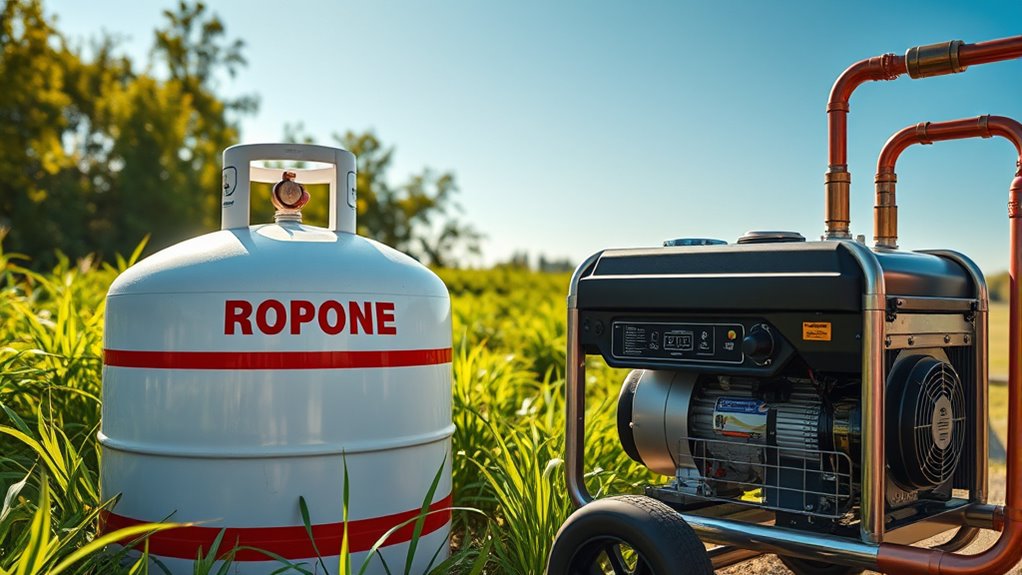
When comparing gas, propane, and dual fuel systems, understanding their cost and pricing structures is essential. Each system follows different pricing models influenced by supply chain factors. Natural gas typically offers lower and more stable prices because it benefits from an established supply chain and infrastructure. Propane prices can fluctuate more due to seasonal demand and transportation costs, as propane relies on storage and distribution networks. Dual fuel systems can vary widely in cost since they incorporate both energy sources, allowing flexibility but adding complexity to pricing. Your overall expenses depend on factors like local supply chain efficiency, availability, and market conditions. Recognizing these differences helps you make informed decisions about which system best fits your budget and energy needs. Additionally, high refresh rates in projectors can improve visual clarity, which is useful when evaluating different energy options visually. Moreover, market fluctuations impact propane and other fuels, making long-term budgeting more unpredictable. Furthermore, understanding pricing variability can assist in budgeting for long-term energy expenses and planning for potential fluctuations over time.
A comprehensive understanding of supply chain factors can also provide insights into price stability and availability over time.

Jackery HomePower 3000 Portable Power Station with 2X 200W Solar Panels, 3600W (Surge 7200W) Output, 3072Wh LFP Battery Solar Generator, Essential Backup for Home Use, Power Outage, RV, Emergencies
Essential Home Backup: With a robust 3600W output (7200W surge) and a 3072Wh capacity, the Jackery HomePower 3000...
As an affiliate, we earn on qualifying purchases.
Variations in Energy Efficiency and Performance
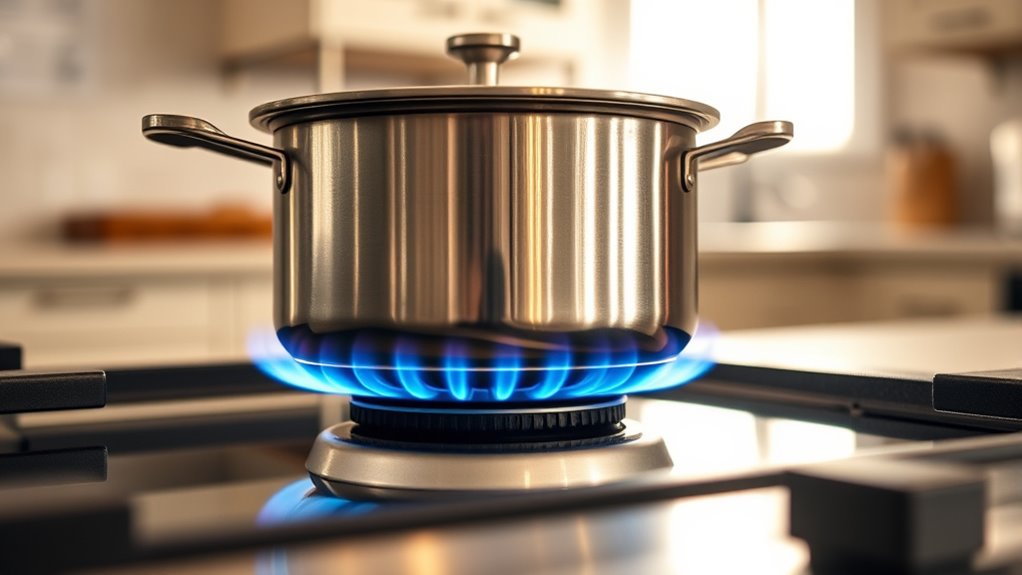
Have you ever wondered how the energy efficiency of gas, propane, and dual fuel systems compares? Fuel versatility plays a big role here; propane often offers comparable efficiency to natural gas, but performance can vary depending on the appliance. Dual fuel systems excel in system integration, allowing seamless switching between sources to maximize energy use. This flexibility can lead to improved overall performance, especially in colder months when demand peaks. Gas systems typically provide consistent efficiency, but propane units may require adjustments for optimal output. Dual fuel setups can adapt to different fuel supplies, maintaining efficiency across various conditions. Additionally, water heater performance can be optimized by selecting the appropriate fuel type, impacting your heating costs and comfort. Understanding fuel switching options and how they influence system performance is essential for making an informed choice. Proper energy management strategies can further enhance your system’s efficiency and savings, ensuring optimal operation. Moreover, considering system maintenance can help sustain peak performance and prolong the lifespan of your appliances. Ultimately, your choice impacts how well your system balances fuel consumption with heating performance, giving you better control over energy costs and comfort.

EF ECOFLOW Solar Generator 4096Wh DELTA Pro 3 with 2X400W Portable Panels, 120/240V 4000W AC Output, Solar Generator for Home Use, Camping Accessories, Emergencies, Power Outages, RVs
Energize Almost Everything. The EcoFlow DELTA Pro 3 supports 120V/240V voltage and has a 4000W output (6000W with...
As an affiliate, we earn on qualifying purchases.
Installation and Maintenance Requirements

Installing gas, propane, or dual fuel systems involves specific requirements to guarantee safety and ideal performance. You must ensure proper setup of storage tanks, adhering to local regulatory standards. These standards cover tank placement, venting, and pressure regulation. Regular maintenance is vital to prevent leaks, corrosion, and guarantee safety. Check connections, valves, and safety devices periodically. Keep storage tanks clear of obstructions and verify that they are inspected and certified as needed. Follow manufacturer guidelines for system upkeep, and work with licensed professionals for installations and inspections. Proper installation and ongoing maintenance help you avoid safety hazards, improve efficiency, and extend the lifespan of your system. Staying compliant with regulatory standards is essential for safe, reliable operation. Additionally, understanding system design considerations can optimize performance and safety. Being familiar with proper safety protocols ensures that your system remains secure throughout its lifespan. Recognizing installation best practices can also help you achieve a safer and more efficient setup. Regularly reviewing maintenance schedules can further ensure your system functions correctly over time. Incorporating quality components can also enhance durability and reduce the likelihood of future issues.

BLAVOR Portable Power Station 1600W (Peak 3200W), Built-in Solar Panel, 1024Wh LiFePO4 Battery, 100W USB-C Fast Charge, Solar Generator for Home Backup, Camping, Power Outages & RV
【Unique Built-in Solar Panel】 BLAVOR portable power station features a foldable 40W solar panel, turning sunlight into clean...
As an affiliate, we earn on qualifying purchases.
Environmental Impact and Emissions

When comparing emissions from gas, propane, and dual fuel systems, you’ll see differences in pollutants and greenhouse gases. Reducing your carbon footprint is easier when choosing cleaner energy options, which can also benefit the environment. Considering the clean energy benefits helps you make a more sustainable choice for your home and the planet. Incorporating sustainable energy practices can further enhance your efforts to minimize environmental impact, especially by utilizing renewable energy sources where possible. Additionally, understanding the emission reduction benefits of each fuel type can guide you toward more environmentally friendly choices. Being aware of fuel efficiency can also help you reduce overall emissions and conserve resources.
Emissions Comparison
How do different fuel types compare when it comes to environmental impact? Gas, propane, and dual fuels each produce varying emissions, affecting air quality and regulatory compliance. Propane generally emits fewer greenhouse gases than traditional natural gas, making it a cleaner alternative fuel option. Gasoline, however, releases more carbon dioxide and pollutants. Dual fuel systems can optimize emissions, switching between fuels based on efficiency and emissions standards. Choosing the right fuel impacts not only your environmental footprint but also your ability to meet local regulations. Vetted – Best Vacuum Expert Additionally, understanding the specific emission profiles of each fuel type can help consumers make more informed decisions aligned with environmental goals. Recognizing the emissions standards for different fuels can also guide users toward more sustainable choices and ensure compliance with evolving regulations.
Carbon Footprint Reduction
Reducing your carbon footprint begins with choosing the right fuel type, as each option impacts emissions differently. Propane and natural gas produce fewer greenhouse gases than traditional gasoline, helping lower your environmental impact. To further cut emissions, consider renewable alternatives like biofuels or solar-powered systems, which offer cleaner energy sources. Governments often provide incentives, such as tax credits or rebates, to encourage the adoption of these eco-friendly options. By taking advantage of these programs, you can reduce your overall carbon footprint more effectively. Switching to cleaner fuels not only benefits the environment but can also save you money over time. Making informed choices about your energy sources helps create a more sustainable lifestyle and minimizes your contribution to climate change. Understanding emissions can guide you in selecting the most eco-friendly options for your needs. Additionally, understanding features of cloud outages, such as the recent Microsoft disruption, can highlight the importance of resilient energy and technology infrastructure to support sustainable practices. Being aware of the environmental impact of fuel choices emphasizes the significance of sustainable energy decisions in everyday life, and recognizing renewable energy options can open up new opportunities for eco-conscious living. Incorporating traditional Indigenous wellness practices into your lifestyle can also promote a holistic approach to health that aligns with sustainable and respectful use of natural resources.
Clean Energy Benefits
Choosing cleaner fuel options like propane and natural gas already lowers your greenhouse gas emissions, making a noticeable difference for the environment. These fuels produce fewer pollutants and help reduce your carbon footprint. Additionally, they support better fuel storage practices, minimizing leaks and spills that harm air quality. Using cleaner fuels also improves regulatory compliance, as many regions enforce strict emission standards. This means you’re contributing to a healthier planet while avoiding potential penalties. Propane and natural gas generate less smog-forming pollutants compared to traditional fuels. Their use promotes sustainability and aligns with environmental goals. By choosing these options, you’re making a tangible impact on reducing greenhouse gases and supporting cleaner energy initiatives. Proper documentation of fuel usage can also aid in tax planning and ensure compliance with regulations.
Availability and Infrastructure Considerations
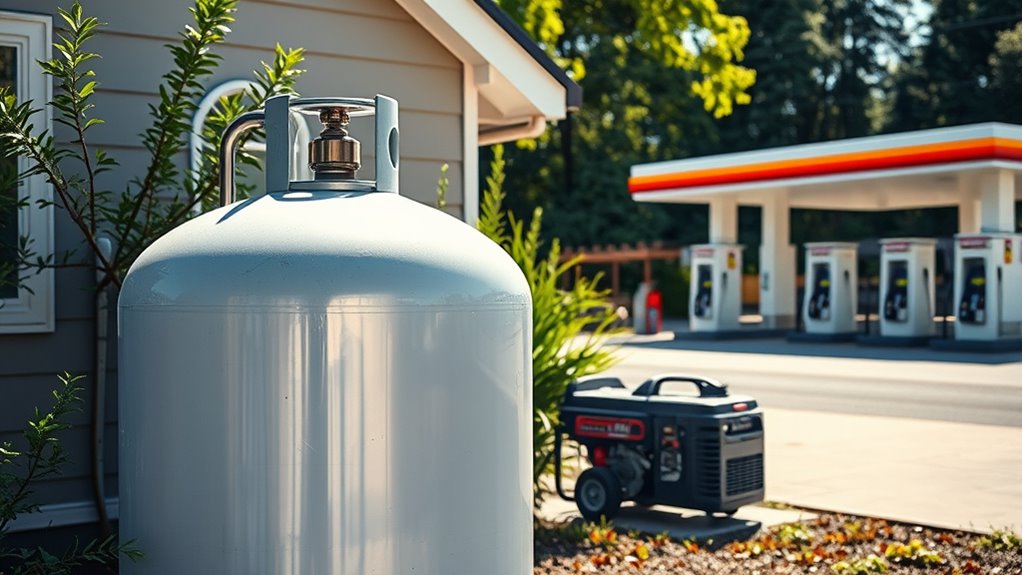
Availability and infrastructure play a crucial role in determining which fuel option suits your needs. Fuel availability varies depending on your location, with natural gas often more accessible in urban areas and propane more common in rural regions. Infrastructure upgrades are essential for supporting certain fuels; for example, natural gas requires a network of pipelines, while propane relies on storage tanks and delivery services. If your area lacks the necessary infrastructure, switching to that fuel could be inconvenient or costly. Conversely, regions with well-developed infrastructure make it easier to access and use these fuels reliably. Before choosing, consider the current infrastructure and how quickly it can be expanded or upgraded to meet your needs, ensuring you select a fuel that is both accessible and practical for your lifestyle.
Safety Measures and Risks
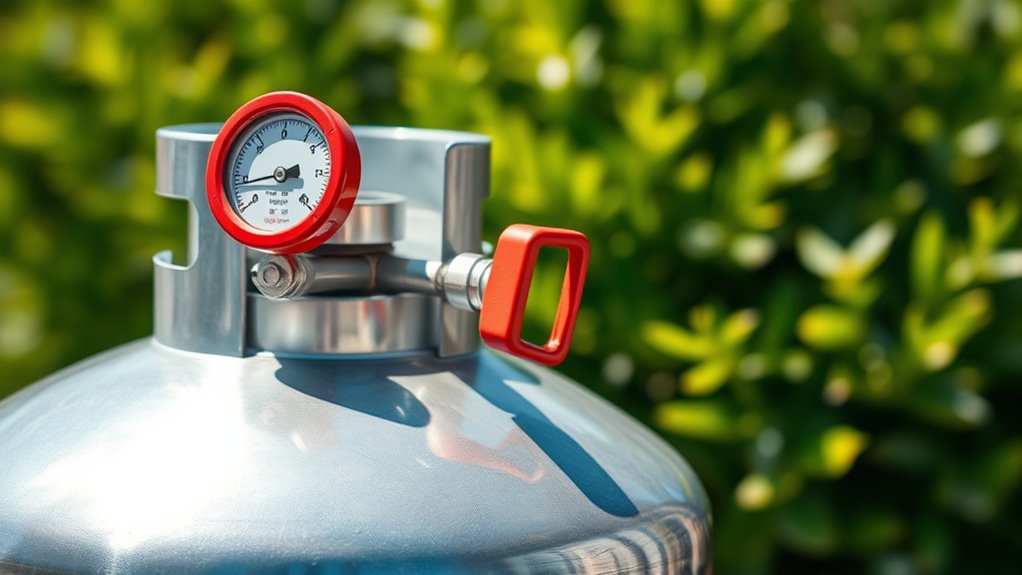
When considering different fuel options, safety becomes a top priority to prevent accidents and guarantee reliable operation. Proper storage safety and handling procedures are essential to minimize risks associated with gas, propane, or dual fuel systems. Always store fuels in approved containers, away from heat sources and in well-ventilated areas. Follow recommended handling procedures to avoid leaks and accidental ignition. Regularly inspect equipment for damage or corrosion. Be aware of potential hazards like gas leaks or explosions, and install detectors to alert you to danger. Keep emergency shut-off valves accessible. By adhering to safety guidelines, you reduce risks and ensure your system operates safely and efficiently. Remember, proactive safety measures are your best defense against potential accidents.
Compatibility With Existing Systems and Appliances

Ensuring your existing systems and appliances are compatible with gas, propane, or dual fuel setups is essential for safe and efficient operation. Fuel flexibility can be limited by compatibility challenges, especially if your appliances are designed for a specific fuel type. You might need to update or modify burners, valves, or regulators to handle different fuels properly. Some appliances may not support dual fuel configurations without significant adjustments, which can add to costs and complexity. Before switching, check manufacturer specifications and consult a professional to assess compatibility. Doing so helps prevent safety hazards and guarantees your appliances operate efficiently. Being aware of these compatibility challenges lets you plan accordingly, avoiding unexpected issues and maximizing the benefits of your chosen fuel type.
Practical Implications for Daily Use

When choosing between gas, propane, or dual fuel, you’ll want to consider how convenient and accessible each option is for your daily routine. Cost and efficiency also play a big role in making the best decision for your household. Understanding these practical aspects helps make certain your setup works smoothly and saves you money over time.
Convenience and Accessibility
Have you ever considered how easy it is to access and use different fuel types in your daily routine? Convenience and accessibility vary depending on the fuel you choose. With propane, you might need to manage fuel storage and ensure regulatory compliance, but supplies are often readily available. Gas fuels are typically supplied via pipelines, making refills straightforward. Dual fuel systems offer flexibility, switching between sources seamlessly. Consider these points:
- Propane tanks require scheduled refills and proper placement
- Gas pipeline access depends on your location
- Fuel availability can be affected by local regulations
- Dual systems provide easy switching without major disruptions
Choosing the right fuel impacts your daily convenience, especially regarding storage needs and regulatory requirements, making your routine smoother and more reliable.
Cost and Efficiency
Choosing the right fuel source can considerably impact your daily expenses and energy efficiency. Fuel flexibility allows you to switch between gas, propane, or dual fuel options, optimizing costs based on availability and price fluctuations. Propane often offers lower costs and better efficiency in areas with reliable supply, but it may require tank maintenance. Gas provides consistent supply reliability, reducing downtime and ensuring steady operation. Dual fuel systems give you the advantage of switching fuels when prices spike or supply issues arise, maximizing efficiency. By understanding these factors, you can make smarter choices that save money and improve energy use over time. Ultimately, selecting a fuel source aligned with your daily needs and local supply reliability ensures your system runs smoothly and cost-effectively.
Frequently Asked Questions
How Does Fuel Type Affect Long-Term Appliance Durability?
Your fuel type impacts long-term appliance durability by influencing fuel efficiency and maintenance costs. For example, propane often burns cleaner, reducing wear and tear, while gas appliances might require more frequent maintenance due to soot buildup. Dual fuel systems can offer a balance, but you should consider how each fuel affects appliance longevity and costs over time. Choosing the right fuel type helps make certain your appliances last longer and operate efficiently.
Can Switching Fuels Impact Home Insurance Policies?
Imagine flipping through your home insurance policy and noticing a section on fuel types—switching fuels can prompt insurance implications. You might face policy adjustments, especially if your new fuel increases risk or requires different coverage. This change could impact premiums or coverage limits. Always notify your insurer about fuel changes to ensure your policy aligns, helping you avoid surprises in case of damage or claim situations.
Are There Regional Regulations Influencing Fuel Choice?
Regional standards and fuel mandates markedly influence your fuel choices. Local regulations may restrict or favor certain fuels based on environmental goals, safety concerns, or infrastructure availability. You’ll find that some areas require the use of specific fuels, like propane or natural gas, to meet regional standards. Staying informed about these mandates helps you choose the right fuel, ensuring compliance and optimizing your home’s efficiency and safety.
How Does Fuel Choice Influence Home Resale Value?
Think of your home’s resale value as a delicate garden, sensitive to the choices you make. Your fuel preferences can sway buyers’ perceptions—homes with natural gas often appeal more due to efficiency and eco-friendliness, boosting resale value. Conversely, propane or dual fuel setups might appeal to specific buyers but could limit your market. Ultimately, aligning your fuel choices with market trends can make your home more attractive and increase its value.
What Training Is Required for Proper Dual Fuel System Operation?
You need proper training to operate a dual fuel system safely. This includes completing installation safety protocols and obtaining operator certification. You’ll learn how to handle fuel switching, monitor system performance, and troubleshoot issues effectively. Certification ensures you understand safety standards and proper procedures. Always prioritize safety by staying updated on training requirements, and never operate the system without proper certification to prevent hazards or damage.
Conclusion
Choosing between gas, propane, or dual fuel isn’t just about cost—it’s about understanding how each impacts your efficiency, safety, and environment. Many believe dual fuel systems offer the best of both worlds, but in reality, they can be more complex and costly to maintain. Before deciding, consider your local infrastructure and safety needs. The truth is, the right choice depends on your specific situation—so do your research and pick wisely.