To pack your cooler like a pro, start with a solid cold base using block ice or frozen bottles at the bottom. Fill gaps with ice packs or towels, and layer items by importance, keeping perishables near the top for easy access. Create zones for different foods—meat, dairy, drinks—and minimize opening by organizing smartly. Enhance insulation with damp towels or Reflectix, ensuring your cooler stays cold longer. Keep these strategies in mind to master cooler organization—more tips follow to perfect your technique.
Key Takeaways
- Start with a solid cold base using block ice or ice packs at the bottom to maximize cold retention.
- Create designated zones for perishables, dairy, drinks, and snacks using dividers or containers for organization.
- Layer items with alternating ice and food to promote even cooling and prevent air pockets.
- Limit cooler openings by pre-arranging items for quick access and only opening when necessary.
- Enhance insulation with wet towels, Reflectix, or foam inside the lid and cover to prolong cold temperatures.

RTIC 52 QT Ultra-Light Cooler Divider, Accessories Perfect for Outdoors, Camping and Travel, Insert to Keep Contents Divided for Organization
COOLER DIVIDER – The RTIC 52 & 72 QT Ultra-Light Cooler Freezable Divider is perfect for organizing your…
As an affiliate, we earn on qualifying purchases.
As an affiliate, we earn on qualifying purchases.
Mastering the Layering Basics for Optimal Cooling
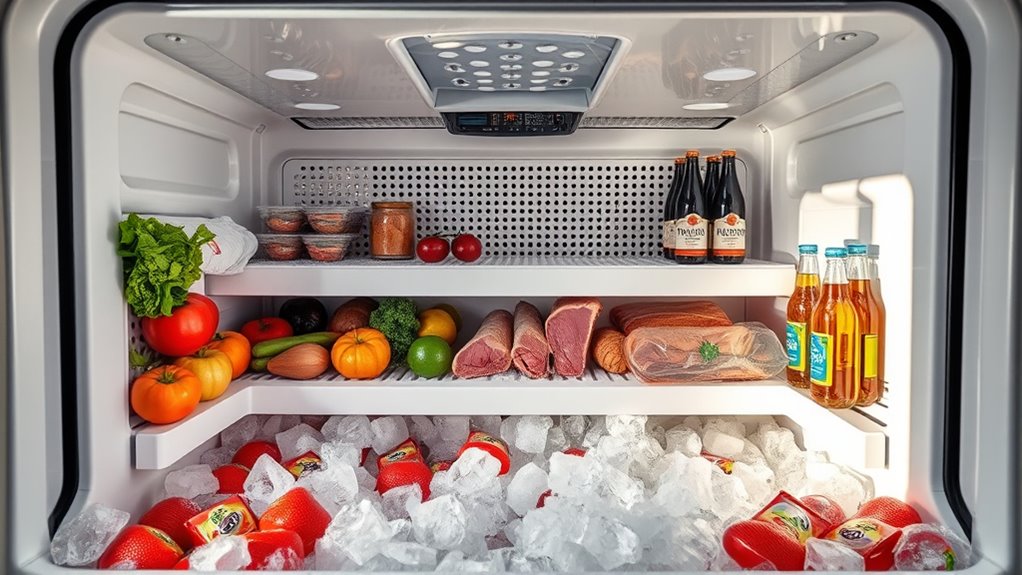
To keep your cooler cold and efficient, mastering the layering basics is essential. Start with a solid cold base by placing block ice or ice packs at the bottom. This creates a consistent cold foundation that lasts longer. Next, add your perishables—meats, dairy, and eggs—directly on top, ideally in airtight containers to prevent cross-contamination. On the top layer, place drinks and snacks for easy access without disturbing the lower layers. To maintain even cooling, alternate layers of ice and food throughout the cooler. Filling gaps with additional ice packs or frozen bottles helps minimize air pockets, which can accelerate melting. Proper layering guarantees your cooler stays cold longer and keeps your food fresh and safe. Incorporating proper layering techniques can further optimize temperature distribution and efficiency. Additionally, understanding cooler insulation can help improve overall cooling performance and energy efficiency. Regularly monitoring the cooler temperature ensures optimal conditions for food safety and freshness, and adding sound science principles can enhance your understanding of how temperature regulation works in cooling devices. Applying these temperature control strategies can also help extend the freshness of your stored items.

Titan by Arctic Zone Zipperless Soft Sided Cooler with HardBody Liner and SmartShelf, Insulated Bag with Shoulder Strap for Lunch and Travel, 16 Can Capacity, Sharkskin Gray
16 CAN CAPACITY: Cooler measures 12.25 x 12.25 x 8 inches and holds up to 16 cans; suitable…
As an affiliate, we earn on qualifying purchases.
As an affiliate, we earn on qualifying purchases.
Selecting and Positioning Ice Types Strategically
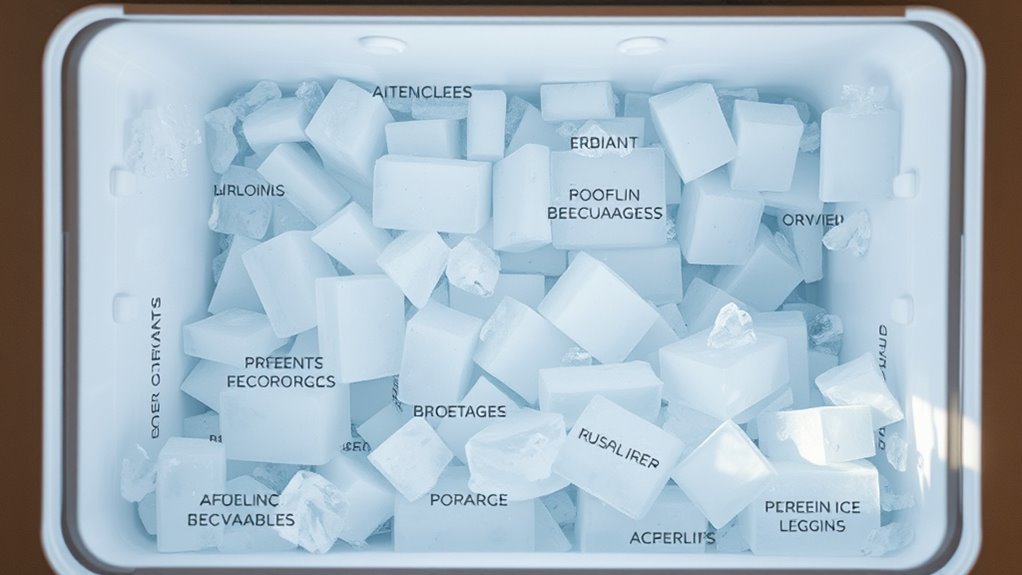
Choosing the right types of ice and placing them strategically can considerably extend your cooler’s cold life. Start with block ice or YETI ice at the bottom, as they melt slower and provide a solid cold base. Use frozen water bottles or jugs to fill gaps; as they thaw, they turn into drinking water, which helps maintain even cooling. Thin ice sheets work well along the sides or bottom of soft coolers, maximizing surface contact. Crushed or cubed ice is ideal for filling top gaps and surrounding items, ensuring quick cooling and easy access. Wrap dry ice in newspaper and place it at the bottom to maximize cold retention without damaging your food. Ice placement techniques can optimize your cooler’s performance and preserve perishables longer. Proper positioning ensures your cooler stays colder longer and conserves ice throughout your trip.

Igloo Large Maxcold 2 Pack Ice Block, Reusable Ice Packs for Coolers, Freezer Pack, Cold Packs for Coolers, Long Lasting Ice Blocks
Non-toxic Ultratherm gel delivers extended cooling performance
As an affiliate, we earn on qualifying purchases.
As an affiliate, we earn on qualifying purchases.
Creating Effective Zones for Different Items
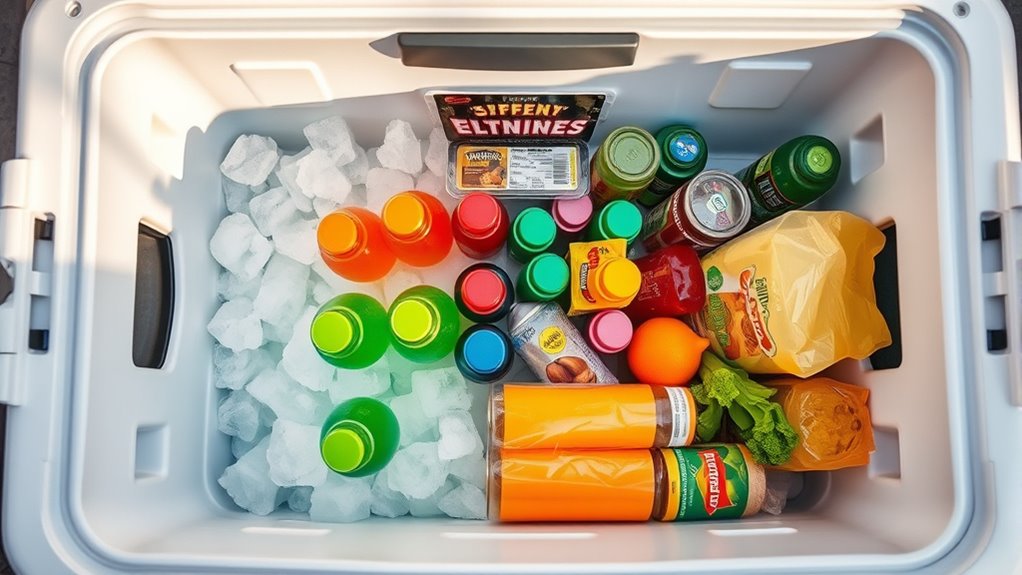
You should organize your cooler into specific zones to keep items at the right temperatures and easily accessible. Prioritize placing frequently used drinks and snacks on top, while raw meats and perishables stay in the coldest, bottom areas. Using separate compartments or insulation methods helps maintain temperature separation and prevents cross-contamination. Implementing effective digital asset management strategies can further optimize your organization and security. Additionally, incorporating ventilation considerations can help regulate humidity and prevent odors, ensuring your cooler remains fresh and functional. Proper cooler placement can also enhance overall temperature control and energy efficiency, making your setup more reliable. Considering nanotechnology advancements in insulation materials could further improve temperature regulation and durability of your cooler. Considering safety and maintenance practices ensures your cooler stays in optimal condition and reduces the risk of spoilage or accidents.
Designated Cold Zones
Have you ever wondered how to keep your cooler organized for ideal cooling and easy access? Creating designated cold zones helps you do just that. By assigning specific areas for different items, you prevent cross-contamination and maintain proper temperatures. Place frozen bottles and meats at the bottom for maximum cold retention. Keep dairy and leftovers in the middle zone, where temperatures stay cooler but not frozen. Reserve the top zone for drinks and snacks you need frequently, making them easy to grab. Use clear dividers or separate containers to define each zone clearly. This setup minimizes rummaging and keeps your cooler efficient, especially on long trips. Proper zoning ensures your food stays fresh, cold, and accessible without disturbing other items. Staying informed about crypto market trends can also help you plan your outdoor adventures more strategically. Additionally, understanding the importance of organization can streamline your packing process and save time when setting up your cooler. Implementing effective cooler packing techniques can further enhance the longevity of your perishables and improve your overall outdoor experience. Incorporating knowledge of specialized storage strategies like those used in Gold IRA markets can inspire more efficient and secure packing methods.
Item Accessibility Priorities
Organizing your cooler by item accessibility means prioritizing what you need most often and placing those items where they’re easiest to reach. Keep drinks and snacks in the top zone for quick grabbing without disturbing other contents. Place frequently used items like bottled water, energy drinks, or snacks at the front or top, so you don’t have to dig through layers. Less-used items, such as raw meats or bulky leftovers, go in the bottom or back zones. Use airtight containers for perishables to prevent cross-contamination and mess. Group similar items together, so you can grab everything you need at once. Repack the cooler periodically, adjusting placement based on usage, to maintain easy access and keep your cooler organized during your trip.
Temperature Separation Methods
Creating effective temperature zones in your cooler is essential for maintaining ideal conditions for different types of items. By separating items based on their cooling needs, you prevent spoilage and optimize freshness. Use the bottom zone for ultra-cold items like frozen foods and bottled water, which stay colder longer. Keep perishables like dairy and eggs in the middle zone, where they stay chilled but not frozen. Reserve the top zone for drinks and snacks that you’ll access frequently, minimizing temperature fluctuations. To enhance separation:
- Place frozen bottles and ice packs at the bottom for a cold base.
- Use dividers or separate containers to keep foods from mixing.
- Store items in airtight containers to prevent cross-contamination and maintain consistent temperatures. Proper temperature management helps ensure food safety and prolongs freshness, especially when considering food storage best practices and the importance of coaching and mentoring dynamics in developing effective organizational systems. Implementing these strategies can also be likened to the layered approach used in various fields to optimize outcomes. Additionally, incorporating vetted quality products ensures that your storage solutions meet safety standards and enhance performance.

Reflectix BP24025 24-Inch by 25-Feet Bubble Pack Insulation, 1-Unit
Reflective insulation for use in a crawl space, attic, wall, metal buildings and post and frame structures
As an affiliate, we earn on qualifying purchases.
As an affiliate, we earn on qualifying purchases.
Filling Gaps and Packing Tightly to Maximize Efficiency

To keep your cooler cold and efficient, make sure to fill all empty spaces with ice packs, bottles, or towels. This minimizes air pockets that can speed up melting and temperature loss. Using airtight containers for foods also prevents cross-contamination and keeps everything neat. Additionally, considering net worth strategies can help you plan your packing approach for extended outings. Incorporating quality product recommendations can further ensure you’re selecting the best items for durability and performance during your trip. For highlighted or treated hair, choosing the right shampoos for highlighted hair can maintain color vibrancy and shine throughout your outing.
Fill All Empty Spaces
Filling all empty spaces with ice packs, frozen bottles, or towels is vital for maintaining a consistent cool temperature and preventing air pockets that accelerate ice melt. When gaps are left, warm air circulates, speeding up melting and reducing efficiency. To maximize cooling, tightly pack your items so nothing shifts during transport. Use smaller items or crumpled towels to fill tiny spaces and ensure everything stays in place. This not only keeps the temperature steady but also extends your cooler’s ice longevity.
- Place frozen bottles or ice packs in gaps to chill and add weight.
- Use towels or cloths to fill awkward spaces without blocking airflow.
- Arrange items snugly, stacking carefully to avoid shifting during movement.
Minimize Air Pockets
Leaving air pockets in your cooler allows warm air to circulate, speeding up ice melt and reducing cooling efficiency. To prevent this, pack your cooler tightly, filling every gap with ice packs, frozen bottles, or towels. Press items down as you pack to eliminate empty spaces. Use smaller containers or crumpled paper to fill awkward gaps around larger items. Seal food in airtight bags to prevent moisture from melting ice from damaging contents. Repack regularly as you remove items, ensuring the cooler stays full. Tightly packed coolers maintain lower temperatures longer because there’s less room for warm air to circulate. Focus on filling all spaces completely, creating a snug environment that maximizes cooling and extends ice life.
Use Airtight Containers
Using airtight containers is essential for preventing cross-contamination and keeping your cooler organized. They help contain leaks, keep odors at bay, and maximize space. When packing, transfer perishables like meats, dairy, and leftovers into sealed containers to avoid spills and cross-contact with other foods. This also makes it easier to find what you need without disturbing the entire cooler.
- Use sealed containers for liquids and messy foods
- Stack containers to save space and create a tight seal
- Label containers for quick access and organization
Implementing a Smart Opening and Access Strategy

Implementing a smart opening and access strategy is essential to keeping your cooler cold for as long as possible. Limit how often you open it; each opening introduces warm air that accelerates melting. Pre-arrange your items so you can quickly grab what you need without rummaging. Place frequently used drinks and snacks in the top zone or in accessible containers. Use separate coolers for food and beverages to reduce unnecessary openings. When you do open the cooler, open it just long enough to retrieve your item, then close it tightly. Consider placing items you’ll need throughout the day near the opening or in a designated section. Repack as needed to maintain a tight seal and minimize cold loss, ensuring your cooler stays cold longer.
Enhancing Insulation for Longer-Lasting Cold

Enhancing your cooler’s insulation can make a significant difference in how long it keeps things cold. To maximize cold retention, focus on both the cooler’s materials and your packing methods. Start by covering your cooler with a wet towel or Reflectix to create an evaporative cooling layer. Filling gaps with ice packs, frozen bottles, or towels reduces air pockets that accelerate melting. Consider adding a layer of closed-cell foam or a wet towel inside the lid for extra insulation. Front pockets filled with ice help maintain consistent cold temperatures. Properly stacking cans in a cardboard box surrounded by ice stabilizes contents and improves insulation. These steps work together to slow heat transfer, keeping your food and drinks colder longer.
Tips for Organizing Multiple Coolers During Extended Trips
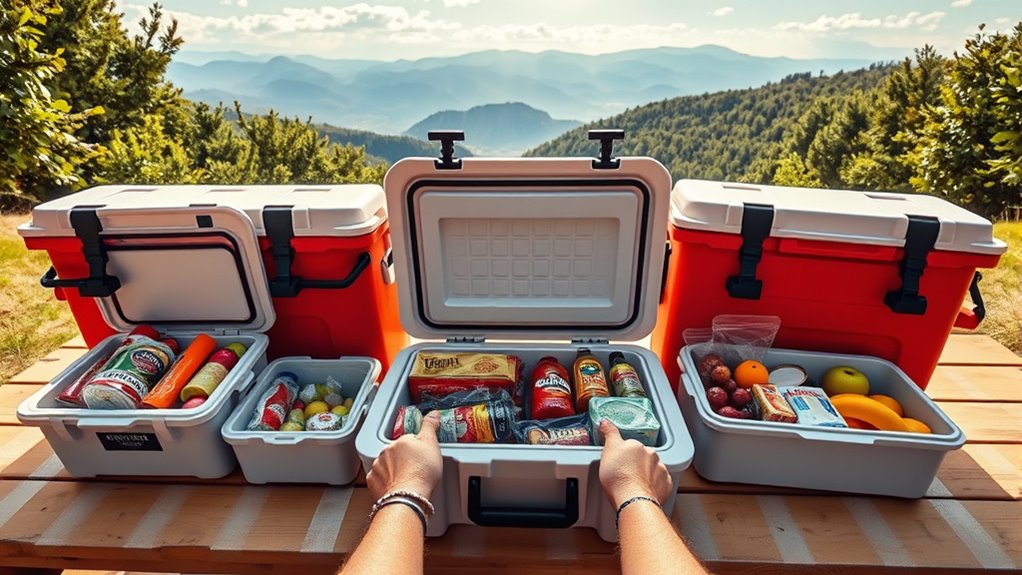
When you’re planning an extended trip, organizing multiple coolers efficiently can prevent unnecessary openings and keep your food and drinks at ideal temperatures. Start by designating one cooler for perishable foods like meats, dairy, and leftovers—use ice packs or block ice to keep it cold. Reserve another cooler for drinks and snacks that you’ll access frequently, placing popular items on top for quick reach. Use labels or clear containers to identify contents easily. Refill or rearrange coolers as needed, minimizing openings of the main cooler. Consider dividing the trip into stages, switching coolers or transferring essentials to reduce exposure to warm air. Keep each cooler tightly packed, filling gaps with frozen bottles or towels, to maintain consistent temperatures throughout your extended journey.
Frequently Asked Questions
How Often Should I Replenish Ice During Extended Trips?
You should replenish the ice as needed, typically every couple of days, depending on the outdoor temperature and how often you open the cooler. Keep an eye on the ice level, especially at the bottom, and add more whenever it melts considerably. To extend ice life, fill gaps with frozen bottles and pack items tightly. Replenishing before ice completely melts helps maintain a consistent cool temperature for your perishables.
What’s the Best Way to Prevent Cross-Contamination Between Food Items?
You’re not running a restaurant, but if you want to dodge cross-contamination, get serious. Always use airtight containers for perishables, especially raw meats, and keep them on the bottom layer, away from ready-to-eat snacks. Separate zones by placing different food types in designated sections. Repack leftovers in sealed bags, and avoid mixing raw and cooked foods. Your cooler’s cleanliness isn’t optional—it’s your first line of defense.
How Can I Keep Drinks Cold Without Opening the Cooler?
To keep drinks cold without opening the cooler, place them in a separate, easily accessible zone near the top. Pre-chill drinks before packing, and surround them with a thick layer of ice or frozen water bottles to maximize cold retention. Keep the cooler closed as much as possible, and consider using insulated sleeves or covers for your drinks, which help maintain cold temperatures longer without needing to open the cooler frequently.
What Are the Signs My Cooler Is Losing Insulation Effectiveness?
A stitch in time saves nine, and checking your cooler regularly helps prevent losing insulation. Signs include warmer internal temperatures, condensation on the outside, or your ice melting faster than usual. If items are no longer cold, or the cooler feels less insulated, it’s time to re-insulate with fresh ice or add insulating layers like towels. Keep an eye on these signs to maintain ideal chill and avoid spoilage.
How Do I Choose the Right Cooler Size for My Needs?
To pick the right cooler size, consider how much food and drinks you’ll need for your trip. If you’re packing for just a day, go for a smaller cooler that’s easy to carry. For longer trips, choose a larger one with extra capacity to hold ice, perishables, and snacks. Think about your storage space and how often you’ll open it. Match the cooler size to your needs for maximum cooling and convenience.
Conclusion
By mastering layering, zones, and smart access, you turn your cooler into a well-oiled machine. Think of it as a cold fortress where each item has its place, and every opening is a strategic move. When you pack tightly and open wisely, you extend your ice’s lifespan like a well-tuned engine running smoothly. With these tips, you’ll keep everything fresh and cool, making your outdoor adventures a breeze instead of a heatwave.