A surge protector’s joule rating shows how much energy it can absorb during a voltage spike before it wears out. This number indicates its ability to protect your electronics from transient energy, like lightning or power surges. Higher joule ratings mean better protection and longer device life. But it’s just one factor—others like response time and clamping voltage matter too. Keep exploring to understand how to choose the right protection for your gear.
Key Takeaways
- The joule rating indicates how much energy the surge protector can absorb before its components degrade.
- Higher joule ratings mean better protection against large or multiple transient surges.
- Joules measure total energy dissipation capacity, not response speed or voltage clamp level.
- Surge protectors with higher joule ratings are more suitable for protecting valuable or sensitive electronics.
- The joule rating decreases over time as the device absorbs surges, requiring eventual replacement.
What the Joule Rating Measures in a Surge Protector
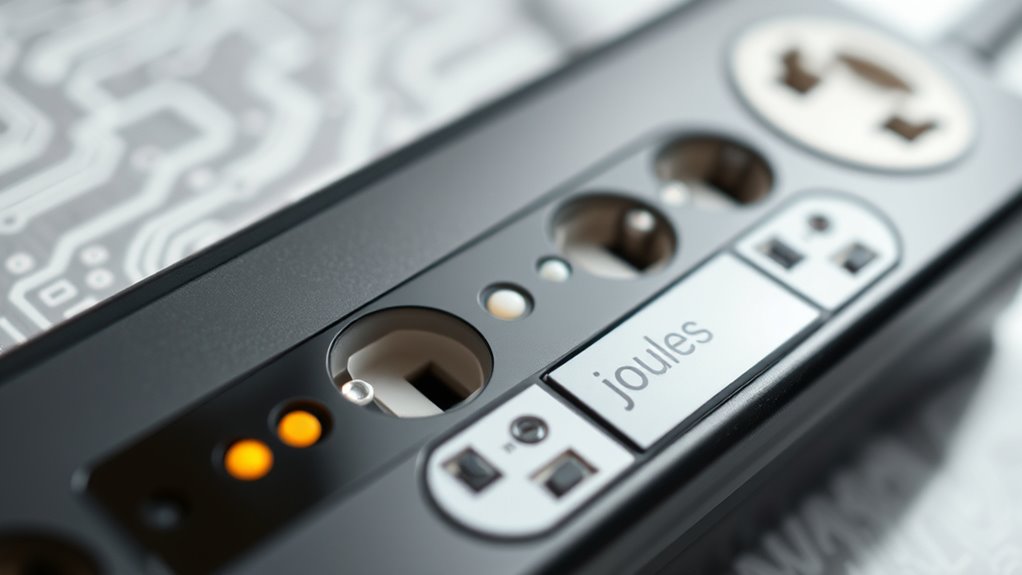
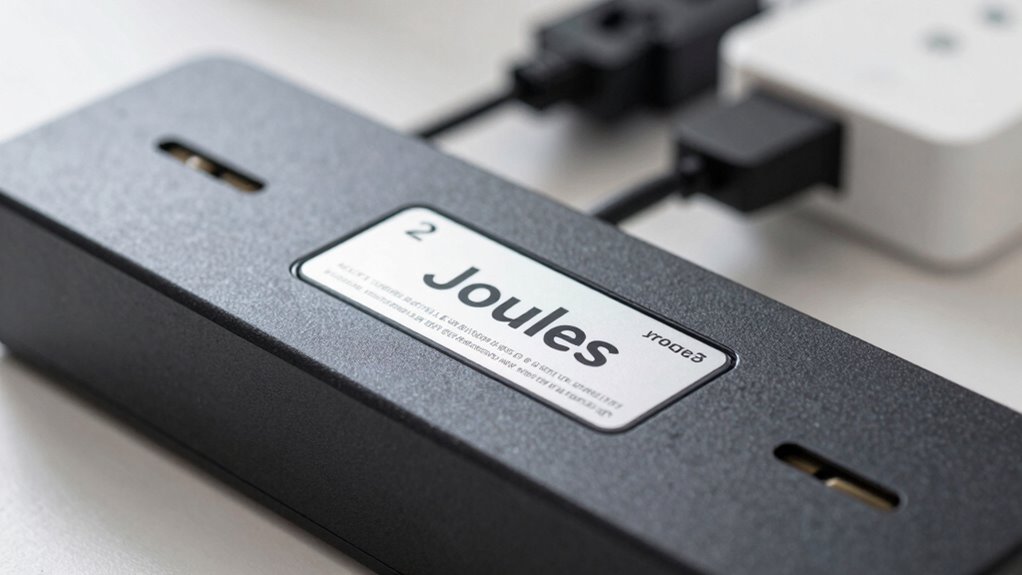
The joule rating in a surge protector measures its total energy absorption capacity, indicating how much transient energy it can safely dissipate before the device starts to degrade. Joules represent energy, with one joule equaling one watt-second, and reflect how much spike energy the protector can handle over its lifespan. This rating is derived from the internal suppression components, typically multiple MOVs working together. It doesn’t measure how quickly the protector responds or clamps voltage, only how much cumulative energy it can absorb. Each surge consumes some of this capacity, so the joule rating decreases over time. A higher joule rating means more energy can be dissipated before protection fails, making it suitable for more sensitive or valuable equipment. Understanding energy absorption helps consumers select the right surge protector for their needs, especially when considering the safety and reliability of their electronic devices. Additionally, proper maintenance can help ensure the longevity of surge protection devices by replacing them after significant surges. Regularly checking and replacing surge protectors after major events guarantees that their energy absorption capacity remains effective.
The Practical Impact of Joules on Your Devices
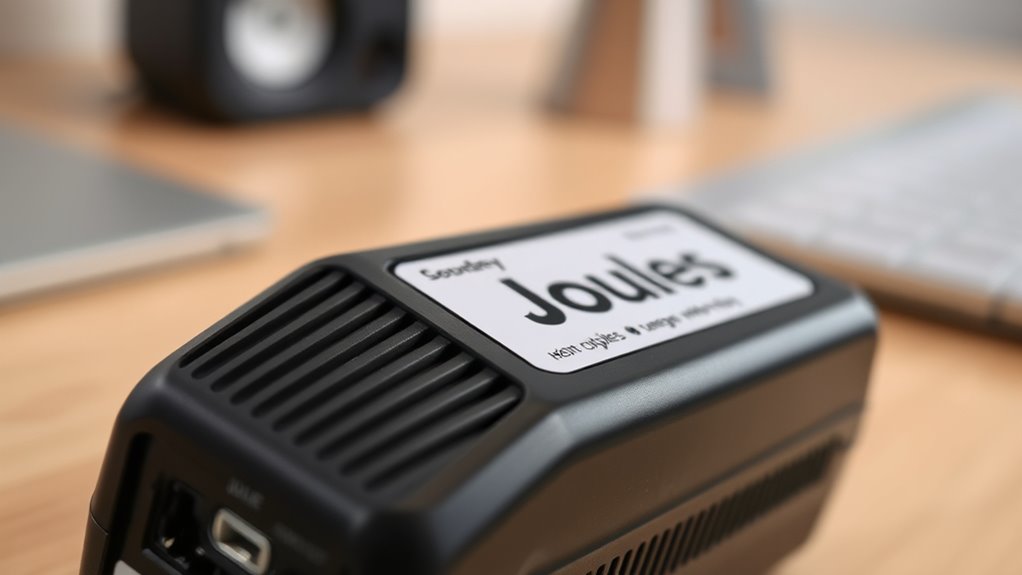
Higher joule ratings in surge protectors directly enhance your devices’ safety by diverting and dissipating excess transient energy that could otherwise cause damage or data loss. When you choose a higher-rated surge protector, you’re better protected against a variety of surges, including smaller, repeated ones and larger spikes. Here’s what that means for your equipment:
- Sensitive electronics like computers and servers stay safer from voltage fluctuations.
- Data stored on devices is less likely to become corrupted during transient events.
- Power supplies and peripheral components are shielded from damage caused by surges.
- Overall device lifespan lengthens because excess energy is effectively managed before impacting internal parts.
- Understanding clamping voltage is essential, as it indicates the maximum voltage the surge protector allows before activating to protect your devices.
- Recognizing surge duration helps you comprehend how long your devices are exposed to transient energy, which can influence damage risk. Additionally, the response time of a surge protector determines how quickly it reacts to voltage spikes, further safeguarding your equipment.
- A surge protection rating reflects the overall effectiveness of the device in handling various surge events, providing a comprehensive measure of safety. Furthermore, a joule rating indicates the total energy absorption capacity, which correlates directly with the device’s durability during multiple or sustained surges.
A higher joule rating provides a more reliable shield, reducing the risk of costly repairs or replacements.
How Surge Protectors Use MOVs and Design to Absorb Energy
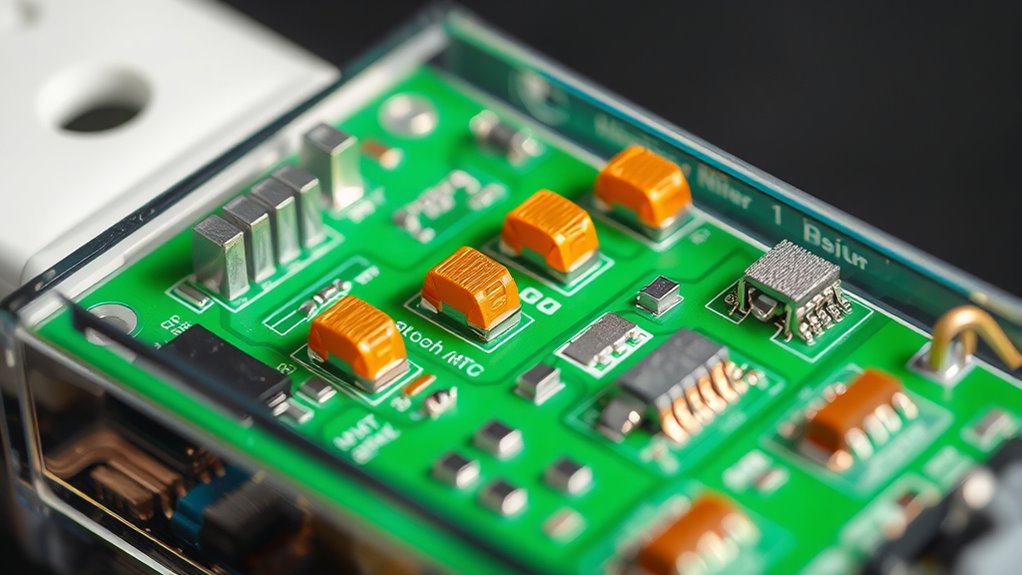
Surge protectors primarily rely on Metal-Oxide Varistors (MOVs) to absorb and dissipate transient energy. When a surge occurs, MOVs divert excess voltage away from your devices by changing resistance, converting harmful energy into heat. The design combines multiple MOVs and supplementary features to handle different surge levels safely. Larger or more MOVs increase joule capacity, providing better energy absorption. Here’s a breakdown:
| Component | Function | Impact on Protection |
|---|---|---|
| MOVs | Clamp voltage, absorb energy | Higher joule rating with more MOVs |
| Thermal Fuses | Prevent overheating and failure | Safe disconnection during overload |
| Series Components | Reduce stress on MOVs | Improve durability and lifespan |
| Heat Sinks | Dissipate heat generated during surges | Maintain performance and safety |
This design ensures energy is absorbed efficiently while protecting your electronics. Additionally, incorporating surge protection ratings helps users understand the level of protection offered by a device. Understanding energy absorption capacity is crucial for selecting the right surge protector for your needs, especially for sensitive or high-powered equipment. Recognizing component roles within surge protectors can also aid in troubleshooting and ensuring optimal performance. Furthermore, understanding the design features allows for better assessment of a surge protector’s effectiveness and durability over time. Being familiar with standard testing procedures can also help determine the reliability of surge protectors in real-world scenarios.
Choosing the Right Joule Rating for Your Equipment
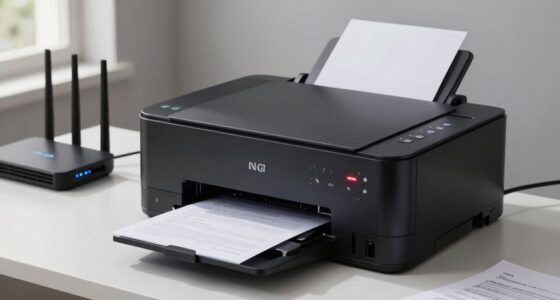
Choosing the right joule rating depends on both the value of your equipment and the level of protection you require. For small devices like lamps or clocks, 300–1,000 joules usually suffice. For home electronics such as routers and printers, aim for 1,000–2,000 joules. High-value or sensitive gear, like home theaters or computers, benefits from 2,000+ joules for longer-lasting protection. Consider these factors:
Choosing the right joule rating depends on your equipment’s value and protection needs.
- Equipment’s importance and cost.
- Frequency of lightning in your area.
- Exposure to power surges from unstable grids.
- Data protection needs and potential loss.
Using an appropriate surge protector can help prevent damage and extend the life of your devices. Matching joule capacity to your equipment ensures better longevity and safety. Opt for higher ratings when protecting critical or expensive systems, especially in storm-prone regions. Additionally, understanding surge protector specifications can help you choose the most suitable device for your needs. Being aware of surge energy levels can further refine your selection to match the typical surge severity in your locale. Incorporating smart surge protection devices that monitor surge activity can provide real-time alerts and enhanced safety features. Recognizing the impact of electrical surges on sensitive electronics underscores the importance of selecting an appropriate joule rating.
Limitations, Wear, and Maintenance of Joule-Based Surge Protection
While a surge protector’s joule rating indicates its energy absorption capacity, it doesn’t guarantee ongoing effectiveness over time. MOVs inside the device degrade after absorbing surges, reducing its protective ability. Repeated small surges or a single large event can wear out internal components, eventually leading to failure. Many units include indicators to signal end-of-life, but some don’t, giving a false sense of security. Regular maintenance, like replacing surge protectors after major surges or when indicators warn, is essential. Over time, thermal fuses or modular designs can help prevent catastrophic failure. Remember, even high-joule units have limits; they can’t fully protect against direct lightning strikes. Proper replacement and layered protection are vital for maintaining safety and ensuring continuous defense. Additionally, understanding dark psychology tactics and manipulation techniques can help users recognize and avoid deceptive practices that might compromise their safety or security. Recognizing the limitations of surge protection can help users make informed decisions about their overall safety measures. Incorporating preventative maintenance practices ensures that surge protection remains effective for its intended lifespan. Being aware of the product’s age and usage history can also inform better maintenance decisions. Furthermore, selecting devices with quality components can improve durability and longevity of the surge protection system.
Frequently Asked Questions
How Often Should I Replace My Surge Protector Based on Joule Usage?
You should replace your surge protector once its joule capacity is exhausted, which can happen after multiple surges or a major event. Many units have end-of-life indicators or thermal fuses to signal when protection is gone. If your protector lacks these, consider replacing it every 3 to 5 years, especially in areas with frequent lightning or unstable power. Regularly check for visible damage and follow manufacturer recommendations for safety.
Does a Higher Joule Rating Mean Longer-Lasting Surge Protection?
Think of your surge protector like a knight’s shield—more joules mean a stronger, longer-lasting defense. So, yes, a higher joule rating generally indicates it can absorb more energy over time before wearing out. But remember, it’s not just about joules; factors like MOV quality, thermal safeguards, and usage frequency also influence how long your protection endures. Keep an eye on signs of wear to ensure ongoing safety.
Can Joule Ratings Alone Guarantee Protection Against Lightning Strikes?
No, joule ratings alone can’t guarantee protection against lightning strikes. While a higher joule rating indicates more energy absorption capacity, extreme lightning events can exceed any surge protector’s limit, damaging your equipment. Other factors like clamping voltage, response time, and overall design also matter. To better protect your devices, combine high-rated surge protectors with additional safeguards like whole-house systems and proper grounding.
What Is the Difference Between Joule Rating and Response Time?
You might think a surge protector responds instantly, but the difference lies in timing. The joule rating measures how much energy it can absorb over time, like a reservoir filling up. Response time, however, is how quickly it reacts to a spike, like a quick shutter snapping shut. While high joules mean greater capacity, a fast response guarantees protection begins before voltage spikes damage your devices. Both are essential for real safety.
Are All Surge Protectors With High Joules Equally Reliable?
Not all surge protectors with high joules are equally reliable. While a higher joule rating means more energy absorption capacity, factors like clamping voltage, response time, internal design, and build quality also matter. You should look for units with third-party testing, UL or IEC certification, and features like thermal fuses or replaceable modules. A well-designed, certified surge protector guarantees better long-term protection, even if it has the same high joule rating as others.
Conclusion
Think of a surge protector’s joule rating like a bucket’s capacity — the bigger it is, the more energy it can handle before overflowing. When you plug in your devices, you’re trusting that bucket to keep them safe from power surges. Just like a sturdy bucket, a higher joule rating means better protection, but remember, over time, wear can make even the strongest bucket less reliable. Choose wisely to keep your gadgets secure.