
TL;DR
Open a free Amazon Business account
Business pricing, bulk buying and tax-exempt orders.
Create a free accountAs an affiliate, we earn on qualifying purchases.
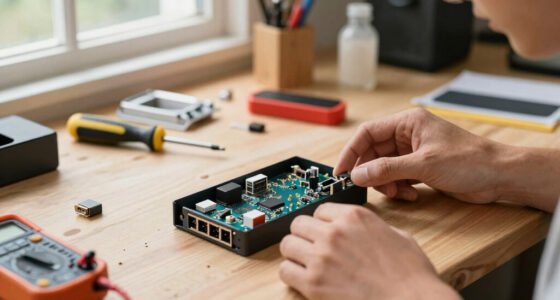
A user has revived a 15-year-old netbook by installing Arch Linux, showcasing how lightweight Linux distributions can extend the life of old hardware. This highlights potential for sustainable computing and DIY tech projects.
A tech enthusiast has successfully revived a 15-year-old netbook by installing the lightweight Arch Linux operating system, proving that older hardware can still be functional with the right software. This development highlights the potential for extending device lifespans through Linux-based solutions, which could impact sustainable computing and reduce electronic waste.
The user, known online as ‘OldHardwareRevival,’ detailed the process of installing Arch Linux on a vintage netbook model from 2008. The device, originally running Windows XP, was non-functional until the user replaced its outdated operating system with Arch Linux, a minimal and customizable Linux distribution known for its efficiency and flexibility.
According to the user, the installation process involved creating a bootable USB, partitioning the drive, and configuring the system to run smoothly on limited hardware resources. The netbook now supports basic web browsing, document editing, and media playback, tasks that were previously impossible due to hardware limitations.
While the user reports satisfactory performance, they caution that certain hardware components—such as the Wi-Fi card and battery—still require attention, and that the system’s usability depends heavily on choosing lightweight applications and desktop environments.
Potential Impact of Reviving Old Hardware with Linux
This case demonstrates that older computers, often discarded due to outdated software or hardware limitations, can be repurposed for basic computing tasks using Linux distributions like Arch Linux. It underscores the sustainability benefits of DIY tech projects, potentially reducing electronic waste and extending device lifespans. For consumers and organizations alike, this showcases a cost-effective alternative to replacing aging hardware, especially in educational or low-resource settings.bootable USB drive for Linux installation
As an affiliate, we earn on qualifying purchases.
As an affiliate, we earn on qualifying purchases.
Background on Linux Revival Projects and Hardware Longevity
Over the past decade, Linux-based operating systems have gained popularity for their ability to run on low-spec hardware, making them ideal for revitalizing aging computers. Enthusiasts and organizations have used distributions like Lubuntu, Puppy Linux, and Arch Linux to breathe new life into obsolete devices. Historically, netbooks from the late 2000s and early 2010s have become symbols of hardware obsolescence, often replaced by newer, more powerful devices. However, recent projects demonstrate that with proper configuration, these devices can still serve basic computing needs.
Arch Linux, in particular, is favored for its minimalism and customizability, but it requires a higher level of technical skill to install and configure. Its success on a 15-year-old netbook underscores the potential for DIY enthusiasts to maintain and repurpose aging hardware, aligning with broader sustainability and electronic waste reduction efforts.
“Installing Arch Linux on this old netbook was surprisingly straightforward, and it now runs basic tasks smoothly. It’s a testament to how lightweight Linux distros can extend hardware life.”
— User ‘OldHardwareRevival’
As an affiliate, we earn on qualifying purchases.
Limitations and Hardware Compatibility Challenges
It is not yet clear how long the revived netbook will remain functional under regular use or how it performs with more demanding tasks. Certain hardware components, such as the Wi-Fi card and battery, still require repairs or replacements. Additionally, compatibility issues may arise with other older hardware components, and the system’s stability over time remains untested.
As an affiliate, we earn on qualifying purchases.
Future Plans for Testing and Expanding Usage
The user plans to further optimize the system by installing lightweight applications and exploring different desktop environments to improve usability. They also intend to document the process to encourage others to attempt similar projects. Additionally, testing the netbook’s performance with more intensive tasks or extended uptime will help assess its practicality as a daily-use device.
As an affiliate, we earn on qualifying purchases.
Key Questions
Can any old netbook be revived with Linux?
While many older netbooks can run Linux distributions like Arch, success depends on the specific hardware components and their compatibility. Minimalist distros are generally more suitable for low-resource devices.
What skills are needed to install Arch Linux on an old device?
Installing Arch Linux requires familiarity with Linux command-line tools, partitioning, and system configuration. It is recommended for users with intermediate to advanced Linux experience.
Will this revive the netbook for everyday use?
It depends on the intended tasks. Basic web browsing, document editing, and media playback are feasible, but more demanding applications may push the hardware beyond its limits.
Are there alternatives better suited for older hardware?
Yes, lightweight Linux distributions like Lubuntu, Puppy Linux, or Linux Lite are often easier to install and configure for older hardware, though Arch offers more customization for experienced users.
Does reviving old hardware with Linux help reduce electronic waste?
Yes, repurposing aging devices with Linux can extend their usable life, reducing the need for replacement and contributing to electronic waste reduction efforts.
Source: hn
Fall yard work Picks
leaf blowers
As an affiliate, we earn on qualifying purchases.