Small space heaters may seem compact, but they often need high wattage to heat effectively because larger rooms require more power to stay warm. Despite their size, these heaters rely on substantial energy use, which can impact your bills and safety if not managed properly. Understanding how power ratings connect to size and efficiency helps you choose the right heater. Keep exploring to learn how to optimize heat without waste or risk.
Key Takeaways
- Small heaters often have lower wattage, but effective heating depends on proper size and placement relative to the space.
- Adequate power ensures small heaters can quickly warm targeted areas without overloading electrical circuits.
- To heat larger spaces, small heaters require higher wattage or multiple units, increasing overall power needs.
- Energy efficiency in small heaters depends on smart thermostats and insulation, but sufficient power is essential for effective warmth.
- Despite their size, small heaters still need significant power to compensate for limited heat output and meet comfort expectations.

Amazon Basics Ceramic Space Heater, Portable Mini Heater for Office Desk, 500W, With Tip-Over Protection, Lightweight 1.4 lbs, White, 5.9"D x 3.2"W x 6"H
COMPACT DESIGN: Measuring just 5.9”D x 3.2”W x 6.0”H, this heater is ideal for tables, desks, or other…
As an affiliate, we earn on qualifying purchases.
As an affiliate, we earn on qualifying purchases.
Understanding the Power Ratings of Space Heaters
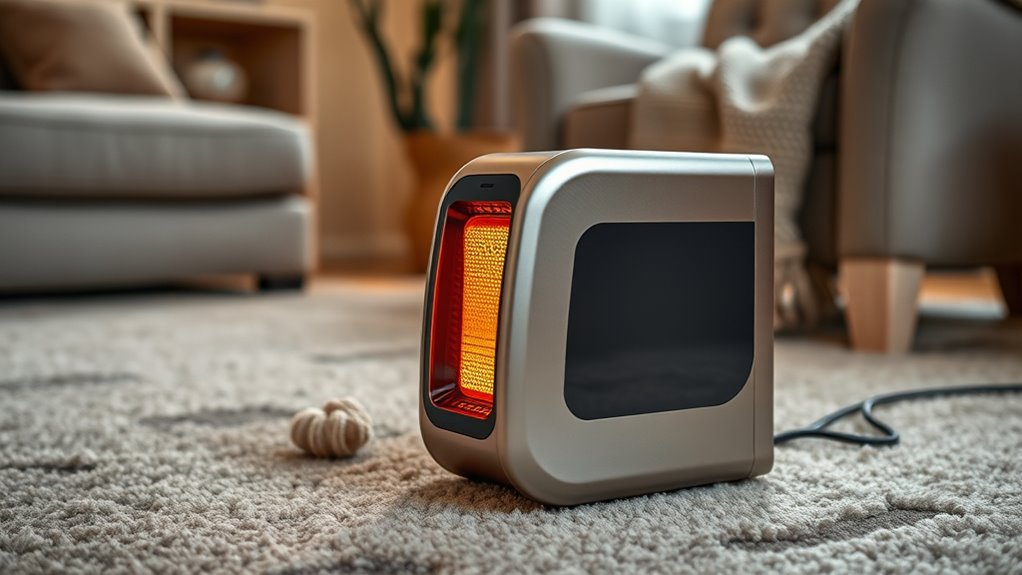
Understanding the power ratings of space heaters is essential because it helps you choose the right unit for your needs. When selecting a heater, pay attention to its wattage, which indicates the heating capacity. Higher wattage generally means more heat output, but it also affects energy consumption. Installation tips include placing heaters on flat, stable surfaces and ensuring proper clearance around vents for safety and efficiency. Maintenance requirements involve regular cleaning of filters and vents to prevent dust buildup, which can impair performance. Checking the power cord and plug for damage also ensures safe operation. Additionally, considering energy-efficient designs can help reduce long-term operating costs while maintaining optimal performance. Understanding how to interpret the power ratings of space heaters allows you to better match a heater’s power to your space, avoiding over- or under-heating, and maintaining ideal performance over time. Being aware of safety guidelines is crucial to prevent hazards and ensure safe operation, especially in small or enclosed spaces. Recognizing the market options available can also assist in finding a heater that balances power and efficiency effectively.

DREO Space Heater, Portable Electric Heaters for Indoor Use with Thermostat and Remote, 2024 Upgraded, Digital Display, 12H Timer, 5 Mode, 1500W PTC Ceramic Fast Safety Heat for Office Bedroom Home
Powerful heat that fits everywhere: DREO space heaters for indoor combines Hyperamics 1500W advanced PTC system with a…
As an affiliate, we earn on qualifying purchases.
As an affiliate, we earn on qualifying purchases.
The Relationship Between Size and Heating Capacity
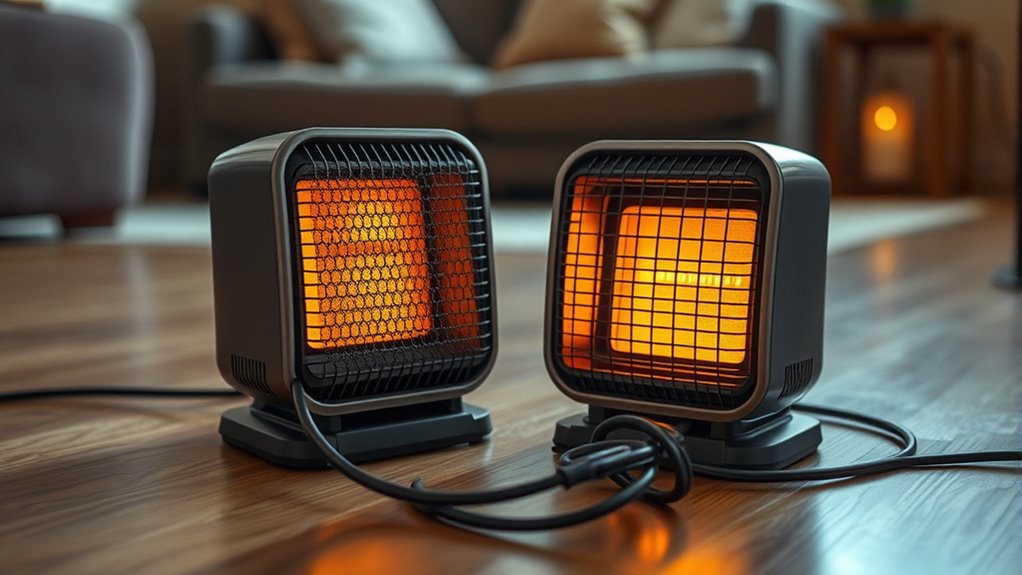
You’ll notice that larger space heaters tend to have higher wattage, which means they can produce more heat. This direct link between size and heating capacity helps you choose the right unit for your space. If you opt for a compact heater, it’s essential to prioritize efficiency to get the most warmth without unnecessary energy use. Additionally, understanding the power output of a heater can guide you in selecting the most effective model for your needs. Being aware of smart home integration options can also enhance control and energy management for your heating solutions. Recognizing the importance of energy efficiency can further optimize your heating setup and reduce operational costs. Incorporating energy-saving features into your selection process can lead to more sustainable and cost-effective heating. Moreover, considering heater size to room size ratios ensures you select a unit that provides adequate warmth without excess energy consumption.
Wattage Correlates With Size
Wattage directly influences a space heater’s size because higher wattage typically requires more power, which in turn often means a larger unit. As wattage increases, so does the heater’s capacity to generate heat, often resulting in a bigger size. This correlation impacts not just heating potential but also the aesthetic appeal and portability advantages. Larger heaters may be less sleek and harder to move around, but they often deliver more consistent warmth. The heating capacity is a crucial factor in determining the appropriate size for your needs. Additionally, understanding the energy efficiency of different models can help you choose a unit that balances power with cost savings. Keep in mind:
- Higher wattage units tend to be bulkier
- Larger sizes can reduce portability
- Bigger heaters might compromise aesthetic appeal
- Smaller, lower-wattage models are easier to relocate
- Optimal size depends on balancing power needs with space constraints
- Power requirements are key when selecting a heater that meets your specific heating needs without sacrificing convenience. Considering space limitations can help determine the most suitable size for your environment.
Understanding this helps you choose a heater that fits both your power requirements and space limitations.
Larger Units Generate More Heat
Larger space heater units tend to produce more heat because their increased size allows for bigger heating elements and better airflow. This means they can generate higher wattage outputs, making them suitable for heating larger spaces quickly. While some might assume bigger means less portable, many larger units feature a portable design, with handles and wheels for easy movement. Their size often enhances aesthetic appeal, offering a more substantial presence that can complement a room’s decor. Keep in mind, the physical size correlates directly with heat output, so if you need more warmth, choosing a larger heater is effective. Additionally, heat output is directly influenced by the unit’s size, making larger models more capable of providing consistent warmth for bigger areas. Understanding the size-to-power ratio can help you select the most efficient heater for your space without sacrificing convenience. Recognizing the importance of physical size in relation to heating capacity can lead to better-informed decisions when choosing a heater. Moreover, considering energy efficiency can ensure you get optimal performance without excessive power consumption, even with larger units.
Compact Heaters Need Efficiency
While bigger heaters naturally produce more heat, compact models must rely on efficiency to deliver adequate warmth in smaller spaces. To maximize performance, these heaters focus on energy efficiency, which enhances portable convenience and preserves aesthetic appeal. Since space is limited, every watt counts, making smart design essential. Efficient compact heaters often feature targeted heating elements and smart thermostats to optimize output without wasting power. Additionally, understanding power consumption is crucial to ensure safe and effective operation within your home’s electrical capacity. Incorporating AI-driven temperature regulation can further improve energy efficiency by precisely adjusting heat output based on room conditions. Furthermore, selecting heaters with energy-saving features can significantly reduce long-term operational costs while maintaining comfort. Being aware of energy efficiency standards can help consumers make informed choices about the most suitable models for their needs. Notably, compact heater design plays a vital role in balancing size with effective heat output, especially in limited spaces.

Smart Thermostat Space Heater,450W Portable Electric Small Heaters With Timer/Overheat Protection,Safe heater,Energy-saving heater with LED Display,Heaters for Office Bathroom RV Indoor Use (Black)
【1.Low wattage space heater】: 350&450 watt, 120 volt, 2.9 amps, 60Hz, Convenient 180 rotating plug with 3 prongs….
As an affiliate, we earn on qualifying purchases.
As an affiliate, we earn on qualifying purchases.
Energy Consumption and Operating Costs of Small Heaters
Small space heaters are generally designed to be energy-efficient, but their actual operating costs depend on how much power you consume and how often you use them. If you run your heater frequently or at high settings, your energy bills can add up quickly, reducing potential energy savings. While these heaters may seem cost-effective initially, their cumulative energy consumption impacts your monthly expenses. Additionally, higher power use increases environmental impact by consuming more electricity, especially if your grid relies on fossil fuels. To minimize costs and environmental footprint, use your heater wisely—adjust the thermostat, limit usage to necessary periods, and choose models with energy-efficient features. Being mindful of operating habits helps you balance comfort with affordability and sustainability. Proper usage also involves understanding energy consumption patterns, which can help optimize your heater’s efficiency and reduce unnecessary power draw. Monitoring your energy consumption regularly can also help identify opportunities to improve efficiency and lower costs. Moreover, selecting heaters with energy-efficient features can further enhance cost savings over time.

Gaiatop Mini Space Heater, Lightweight PTC Ceramic Fast Heating 500W Energy Efficient for Indoor Use, Overheating & 45° Tip-Over Protection, Portable Desk Electric Heaters for Office Home Black
Compact and Space-Saving Design: Our space heater features a compact and sleek design that takes up minimal space….
As an affiliate, we earn on qualifying purchases.
As an affiliate, we earn on qualifying purchases.
Safety Considerations for Compact Heating Devices
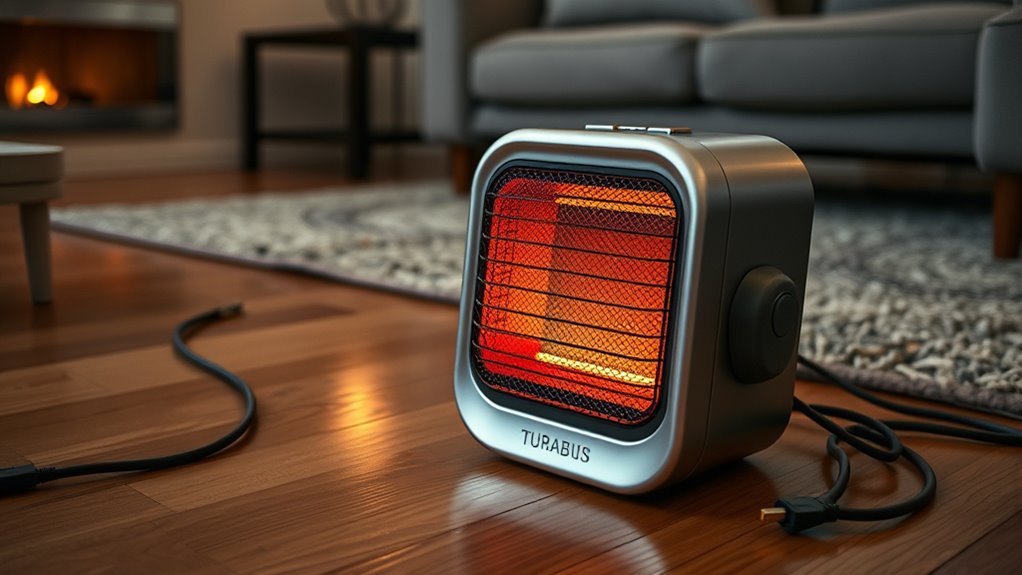
You need to be aware of overheating risks when using compact heaters, as they can become dangerously hot if not monitored. Proper placement is essential to prevent fires or damage, so keep heaters away from curtains, furniture, and other flammable materials. Taking these safety steps helps guarantee your space stays warm without unnecessary hazards. Additionally, choosing the right space‑heating solution for your room size can improve efficiency and safety. Understanding air quality considerations can also help prevent issues related to indoor pollution caused by heating devices. Being aware of smart-home integrations can further enhance safety by allowing remote monitoring and control of your heater.
Overheating Risks Present
Compact space heaters can quickly become safety hazards if they overheat, posing risks of fire or damage to nearby objects. Overheating can occur if temperature regulation fails or if overheating prevention features are absent. To minimize risks, verify your heater has reliable safety features, like automatic shutoff and thermal cutouts. Regularly inspect the device for signs of damage or malfunction. Keep the heater away from combustible materials and avoid blocking vents. Remember that:
- Proper temperature regulation is essential for safety.
- Overheating prevention features reduce fire risks.
- Avoid covering the heater during use.
- Never leave it unattended for long periods.
- Regular maintenance helps prevent overheating issues.
Staying vigilant helps protect your home and loved ones from potential hazards.
Proper Placement Essential
Proper placement of your space heater plays a vital role in guaranteeing safety and efficiency. Avoid placement pitfalls like placing the heater too close to curtains, furniture, or other flammable objects. Keep it on a stable, flat surface away from high-traffic areas to prevent accidental knocking or tipping. While aesthetics matter, don’t compromise safety for looks; choose a spot that’s unobstructed and easy to access. Confirm the heater isn’t plugged into an overloaded outlet or extension cord, which can cause overheating. Proper positioning also improves heat distribution, making the device more effective. Remember, a well-placed heater reduces fire risks and maximizes performance, so think critically about its location rather than just how it looks. Safety should always come first over aesthetic considerations.
Myths About Small Heaters and Energy Efficiency
Many people assume that small heaters are inherently energy-efficient solutions for warming a space, but this isn’t always true. While their portable design and aesthetic appeal make them attractive, they can still consume significant power if used improperly. Small heaters often give a false sense of savings, leading you to run them longer or in larger spaces than they’re meant for. Remember, size doesn’t guarantee effectiveness.
- They may heat a small area quickly but can struggle with larger spaces
- Continuous use can lead to high energy consumption
- Overestimating their coverage can cause energy waste
- Relying solely on small heaters might increase overall power use
- Proper insulation and placement are still vital for efficiency
Choosing the Right Heater for Your Space
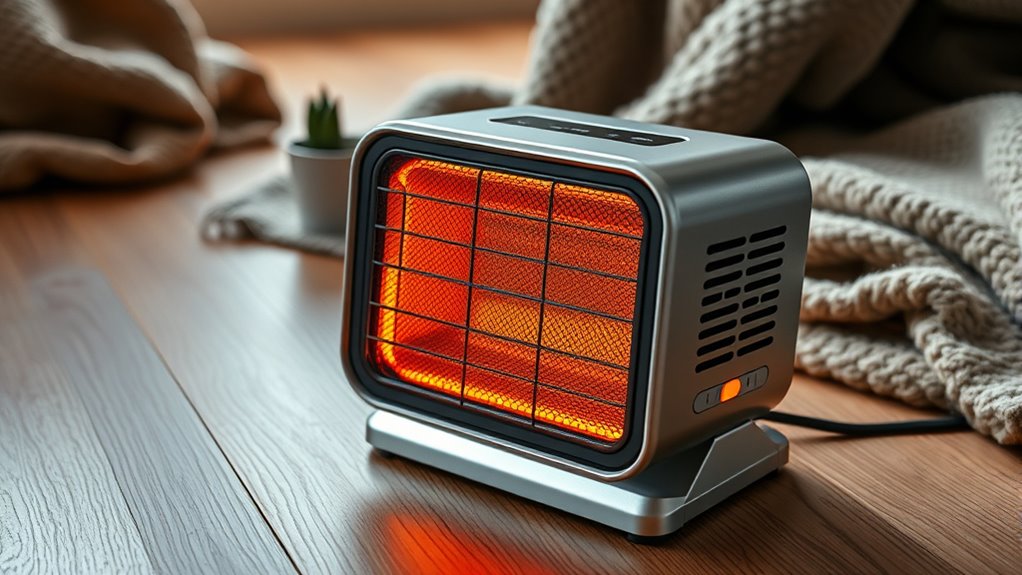
How do you choose the right heater for your space? Start by considering the size and insulation of your room. A smaller heater might seem convenient, but it needs enough power to effectively warm the area. Think about portable aesthetics—select a heater that blends seamlessly with your decor to enhance aesthetic appeal without sacrificing style. Look for models that combine functionality with visual appeal, so they don’t stand out awkwardly in your space. Additionally, assess safety features and energy efficiency to guarantee long-term use. The right heater should provide sufficient warmth without consuming excessive power. By matching your heater’s capacity to your room’s needs and considering its design, you get a cozy, stylish space that feels just right.
Frequently Asked Questions
Can Small Heaters Effectively Heat Large Rooms?
Small heaters generally can’t effectively heat large rooms because their area coverage and heating capacity are limited. You need a heater with enough power to distribute warmth evenly across the entire space. If you try to heat a large room with a small heater, it’ll struggle to maintain a comfortable temperature, leading to inefficiency and higher energy use. For big areas, opt for a heater designed with greater heating capacity.
How Does Insulation Affect Heater Efficiency?
Insulation is your home’s shield against the cold, acting like a warm blanket for your space. It boosts heater efficiency by increasing thermal resistance, meaning less heat escapes. High-quality insulation materials trap warmth inside, so your heater doesn’t have to work as hard. When your home is well-insulated, even small heaters can maintain comfortable temperatures more effectively, saving energy and reducing costs. Think of insulation as your secret weapon against wasted heat.
Are Portable Heaters Suitable for Continuous Use?
Portable heaters can be suitable for continuous use if you follow safety guidelines and monitor energy consumption. You should keep an eye on safety concerns like overheating or fire risks, especially when used for long periods. To save energy, set the thermostat wisely and avoid running the heater at full power constantly. Always unplug it when not in use and make sure proper clearance around the unit to prevent accidents.
What Are the Environmental Impacts of Small Heaters?
Small heaters impact the environment mainly through energy consumption, which can increase your carbon footprint if powered by fossil fuels. While they seem eco-friendly due to their size, they often use significant power to heat effectively, leading to higher emissions. To reduce environmental impacts, choose energy-efficient models, use them sparingly, and consider renewable energy options. Your choices directly influence how much energy you use and your overall environmental footprint.
Do Small Heaters Require Special Electrical Outlets?
Small heaters often require special electrical outlets because of electrical safety and outlet compatibility issues. You need to make certain your outlet can handle the heater’s power draw, preventing overheating and potential hazards. Use grounded outlets, avoid extension cords, and check the amperage ratings. By matching your heater with the right outlet, you keep electrical safety intact and ensure reliable, efficient warmth without risking damage or danger.
Conclusion
Remember, even small space heaters are like tiny engines requiring big fuel. Don’t be fooled by their size—think of them as powerful sparks that can light up a room or drain your energy if you’re not careful. Choose wisely, considering their true power needs, safety, and efficiency. By understanding their real potential, you’ll avoid surprises and keep your space warm without burning through your budget. Stay smart, and let your heater do the heavy lifting it’s capable of.