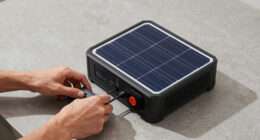
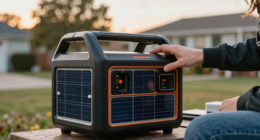
To keep your pellet stove running during power outages, you need a reliable backup power source like a pure sine wave inverter or portable power station. Make certain it can handle your stove’s startup surges and run time needs. Proper setup, safety checks, and regular maintenance are key to smooth operation. Understanding your system’s power needs ensures you stay warm without interruption—if you keep going, you’ll uncover the small but vital details that make all the difference.
Key Takeaways
- Selecting a pure sine wave inverter with at least 1.5–2 times the stove’s startup wattage ensures reliable operation during outages.
- Proper system sizing, including battery capacity and inverter capacity, is essential to maintain heat for desired backup duration.
- Quick connection methods like transfer switches or manual disconnects facilitate safe and efficient power switching during outages.
- Regular testing and maintenance of batteries, connections, and system components prevent unexpected failures and ensure continuous heat.
- Using surge protectors and weatherproof enclosures safeguards the backup system from voltage spikes and environmental damage.

LANDERPOW 3000 Watt Pure Sine Wave Inverter 12V DC to 120V AC for RV, Truck, Solar, Home, Off-Grid, Power Inverter with 3 AC Outlet, 30W USB-C, 5V 3.1A USB, Hardwire Port, Remote Control, Surge 6000W
【𝟑𝟎𝟎𝟎 𝐖𝐚𝐭𝐭 𝐈𝐧𝐯𝐞𝐫𝐭𝐞𝐫】— This pure sine wave inverter can provide 3000W continuous clean DC to AC power (6000W…
As an affiliate, we earn on qualifying purchases.
As an affiliate, we earn on qualifying purchases.
Why Your Pellet Stove Needs Backup Power

Your pellet stove needs backup power because a sudden power outage can stop it from operating safely and effectively. Without electricity, the hopper auger, combustion fan, convection fan, and control board shut down, halting pellet feed and combustion. This can lead to smoke backdrafts into your living space if exhaust and induced-draft fans stop working while pellets smolder. Additionally, control boards and motors are sensitive to waveform quality; using the wrong power source can damage electronics. Power interruptions also cause cold homes, forcing you to manually restart the stove repeatedly. Having backup power ensures continuous, safe operation during outages, maintains heat, and prevents potential safety hazards caused by incomplete combustion or smoke buildup. Proper power management includes understanding the importance of stable power sources and safeguards to protect electronic components. Implementing a reliable backup power solution can help preserve the stove’s performance and safety during unexpected outages, especially considering the importance of electronic component protection in modern appliances. Ensuring a clean and stable power supply is crucial for preventing damage and maintaining optimal operation.

Jackery Portable Power Station Explorer 300, 293Wh Backup Lithium Battery, Solar Generator for Outdoors Camping Travel Hunting Blackout (Solar Panel Optional)
SPEED UP YOUR RECHARGEABILITY: It takes only 2 hours to recharge 80% battery of the power station through…
As an affiliate, we earn on qualifying purchases.
As an affiliate, we earn on qualifying purchases.
Understanding Different Backup Power Options
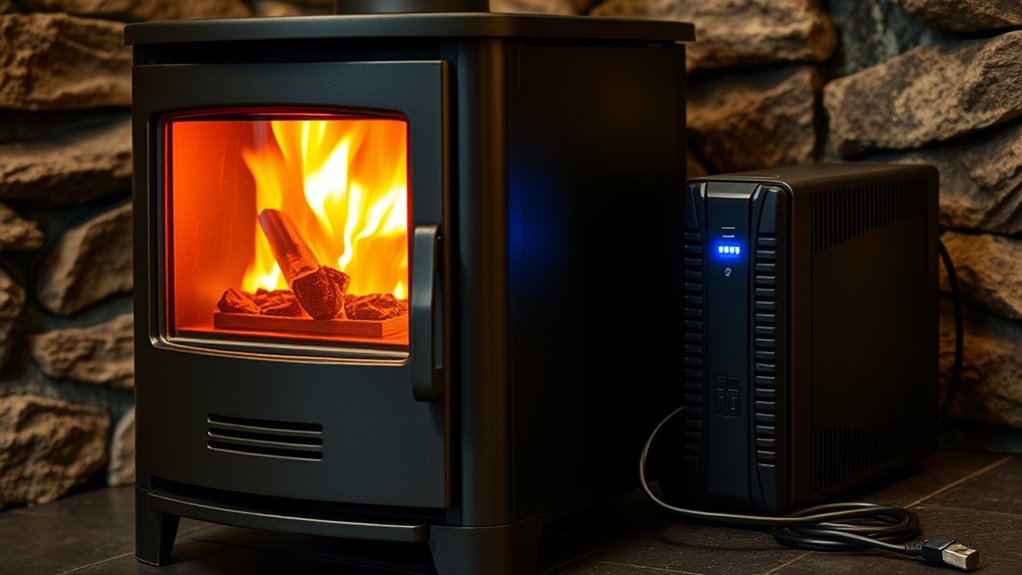
Selecting the right backup power option for your pellet stove depends on your specific needs, budget, and how long outages last. Uninterruptible Power Supplies (UPS) offer instant switchovers but typically only run for minutes, making them suitable for short outages or shutdowns. Portable power stations provide larger capacity, often several thousand watt-hours, and deliver clean sine wave power, ideal for longer outages. Inverter generators supply continuous power and have larger runtimes but need outdoor placement and proper filtering to protect electronics. Solar-plus-battery systems can recharge during the day and extend runtime, while dedicated stove battery kits offer a direct, manufacturer-approved solution. Evaluate your power requirements, budget, and maintenance capacity to choose the best mix of portability, capacity, and reliability. Additionally, understanding power capacity and runtime can help you better match backup options to your specific heating needs during outages. When considering backup solutions, it’s important to understand the power draw of your pellet stove and related systems to ensure your chosen method can handle the load effectively. Considering system compatibility with your existing setup can prevent potential issues and improve overall reliability. Knowing your system’s energy consumption can further assist in selecting the most suitable backup solution for your setup.

Castle Pellet Stove Panel Power Entry: 720227-SPFL
Compatible Replacement for Part # 720227
As an affiliate, we earn on qualifying purchases.
As an affiliate, we earn on qualifying purchases.
Determining the Right Size for Your System
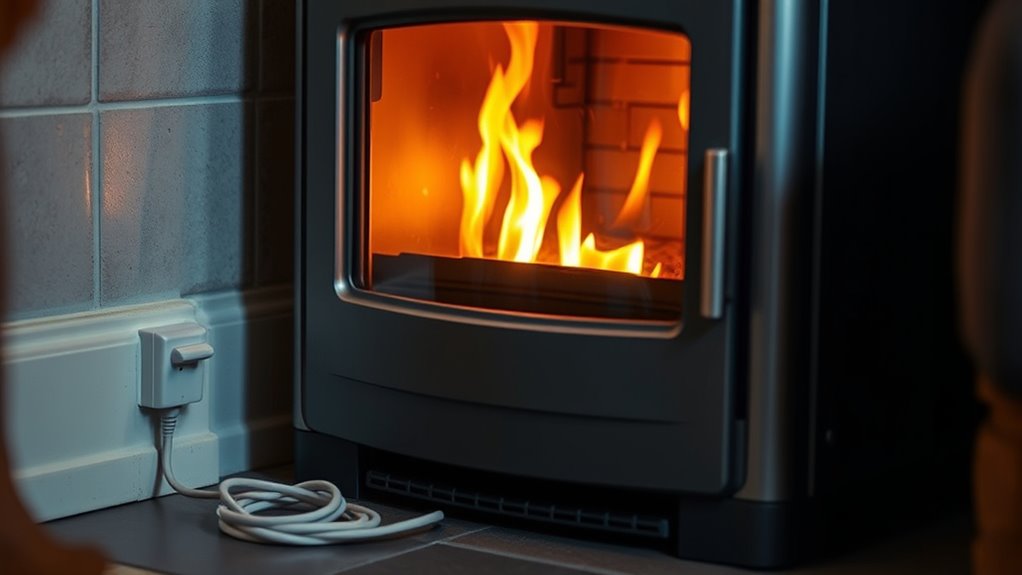
To size your backup system effectively, you need to evaluate your pellet stove’s power needs, including startup surges and continuous operation. Calculate the required battery capacity based on your desired runtime and the stove’s wattage, factoring in inverter efficiency and safety margins. Make sure your inverter matches or exceeds the stove’s peak wattage, especially during ignition, to guarantee reliable operation. Additionally, consider piercing care and hygiene to prevent any issues that could affect your stove’s electrical connections or safety. Proper maintenance and inspection of electrical connections can help avoid short circuits and ensure consistent power delivery. Incorporating energy-efficient components into your setup can further optimize performance and extend battery life.
Assess Power Needs
Understanding the power requirements of your pellet stove is essential for choosing the right backup system. Start by checking your stove’s specifications for continuous wattage, ignition peaks, and control board needs. Typically, ignition peaks around 600–700 W, while normal operation uses 300–400 W. Consider any additional loads like fans or sensors that may run simultaneously. Determine how long you want your system to keep heat on during an outage. For example, if your stove consumes 350 W and you want 8 hours of backup, you’ll need a battery capacity of approximately 2800 Wh, accounting for inverter efficiency and safety margins. Properly sizing your backup power system also involves understanding power management principles, which can optimize runtime and efficiency. Additionally, understanding pinball machine power consumption can help if you’re integrating vintage or arcade-style setups into your backup plans. Knowing the energy capacity of batteries is important to ensure you select the appropriate storage for your needs. Furthermore, being aware of credit card security measures can help protect your financial information when purchasing backup equipment online. To ensure reliable operation, consider the surge capacity of your inverter, which must handle startup peaks of your stove and auxiliary devices.
Calculate Battery Capacity
Calculating the right battery capacity guarantees your pellet stove runs reliably during outages without overpaying for unused energy. To do this, consider these steps:
- Determine your stove’s continuous wattage and peak startup wattage.
- Decide on your desired runtime, factoring in the stove’s typical power draw.
- Convert your needed hours into watt-hours by multiplying wattage by hours.
- Add extra capacity for ignition surges and other simultaneous loads, then include inverter losses.
- Keep in mind that battery capacity should be sufficient not only for the calculated needs but also to account for potential future expansion or increased energy demands. It’s also important to consider energy storage options that can efficiently handle peak loads and provide reliable backup power. Selecting appropriate battery chemistry can improve performance and longevity of your backup system. Additionally, understanding system efficiency can help optimize overall energy use and system reliability. Properly sizing your system involves considering load management to prevent overloads and ensure consistent performance.
For example, if your stove draws 400W and you want 8 hours of backup, you need at least 3,200 Wh. Adjust upward for safety margin and inverter efficiency to ensure reliable operation without overspending.
Match Inverter Specifications
Choosing the right inverter size is crucial to guarantee your pellet stove runs smoothly during outages. You need an inverter that can handle the stove’s peak startup wattage, which is often 1.5 to 2 times the running wattage. For example, if your stove draws 400 W during normal operation, select an inverter rated at least 600–800 W. Always opt for a pure sine wave inverter to protect sensitive electronics and control boards. It’s wise to choose an inverter with a surge capacity that exceeds your stove’s initial startup load. This headroom prevents overloads during ignition or motor startup. Proper sizing ensures reliable operation, prevents damage, and guarantees your pellet stove stays on during power disruptions. Additionally, matching inverter specifications with your system’s needs helps optimize performance and longevity. Selecting an inverter with adequate power capacity ensures it can handle unexpected surges and maintains consistent heat output. Considering system compatibility ensures the inverter works seamlessly with your existing setup and prevents potential system failures.
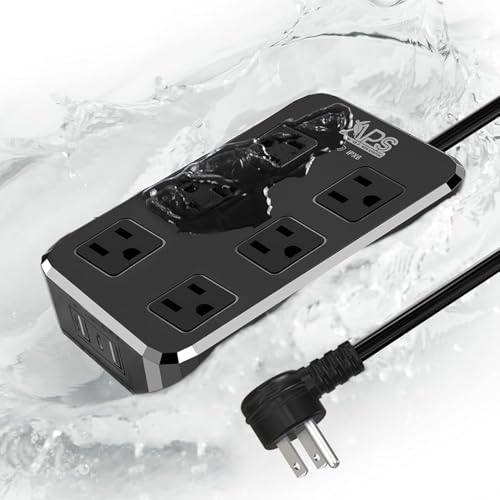
IPX6 Outdoor Power Strip Weatherproof, Waterproof Surge Protector with 6 Wide Outlet with 3 USB Ports, 6FT Long Extension Cord, Wall Mountable for Outside Decorations and More UL Listed(Black)
【9-in-1 Power Strip with 3 USB Ports】Unveil the potential of this power strip, boasting 6 well-spaced AC outlets…
As an affiliate, we earn on qualifying purchases.
As an affiliate, we earn on qualifying purchases.
Ensuring Compatibility With Pure Sine Wave Inverters

Guaranteeing compatibility with pure sine wave inverters is essential to protect your pellet stove’s electronics and guarantee reliable operation during power outages. Using the wrong inverter type can damage control boards and motors, leading to costly repairs. To confirm compatibility:
- Check the inverter’s specifications to ensure it provides a true pure sine wave output.
- Verify that the inverter’s surge capacity exceeds your stove’s starting wattage, especially during ignition.
- Confirm the inverter’s continuous wattage rating matches or exceeds your stove’s typical power draw.
- Test the system before an outage to ensure smooth operation and avoid surprises.
Practical Setup Ideas for Home Use
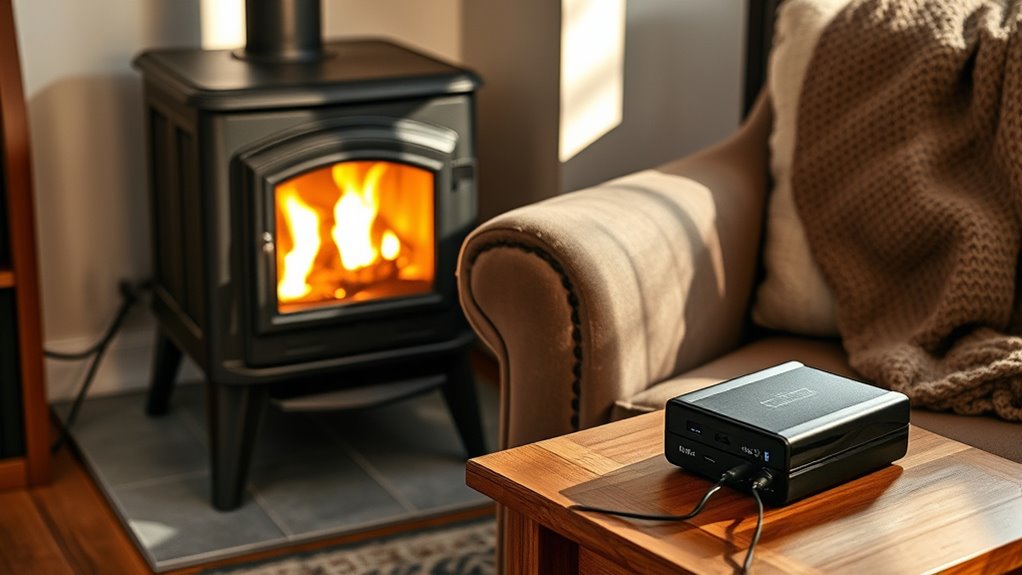
Setting up a reliable backup power system for your pellet stove at home involves selecting the right equipment and arranging it for easy access and operation. Start by choosing a pure sine wave inverter or portable power station with sufficient capacity to handle your stove’s peak and continuous wattage. Keep the system near your stove for quick connection, and use weatherproof or protected enclosures if outdoors. Include surge protectors and properly rated cables to prevent damage. Guarantee your setup allows quick switching, such as using transfer switches or simple manual disconnects. Regularly test the system to confirm functionality. Store spare batteries, fuel, and necessary adapters nearby. A well-organized, accessible backup system keeps your heat on reliably during outages without complicated setup.
Safety Measures and Maintenance Tips
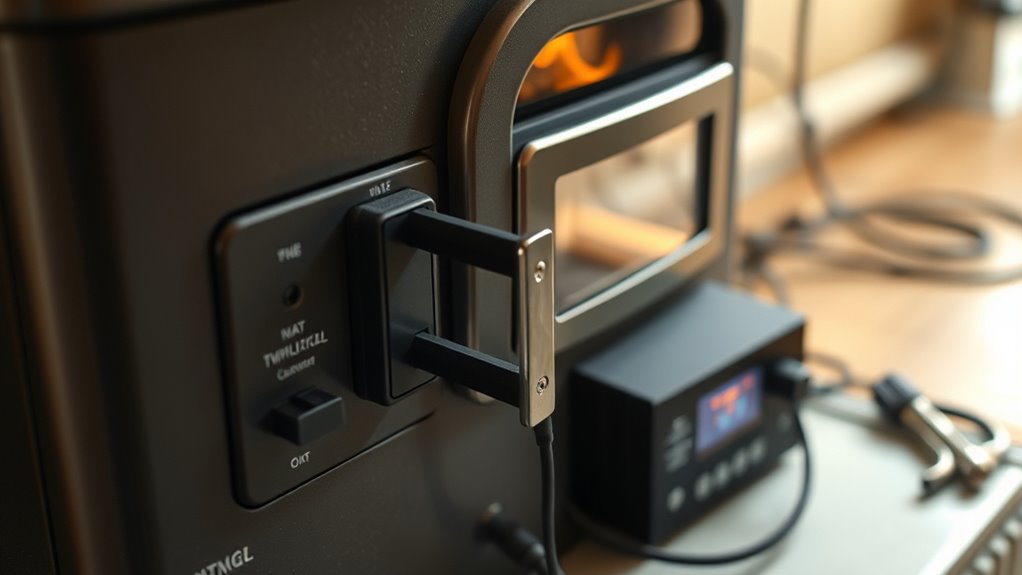
Ensuring safety and proper maintenance of your backup power system is essential to prevent damage and guarantee reliable operation during outages. Here are four key tips:
Regular maintenance and safety checks ensure your backup power system operates reliably during outages.
- Use surge protectors—protect your equipment from storm surges or voltage spikes by unplugging or installing surge protection devices.
- Perform regular inspections—check batteries, wiring, and connections annually to catch issues early and keep everything functioning smoothly.
- Monitor battery temperature—store batteries in a cool, dry place, and follow manufacturer guidelines to avoid degradation.
- Test your system—run supervised tests periodically to verify that your backup power kicks in correctly and your stove operates safely.
Following these steps keeps your setup safe, reliable, and ready when you need it most.
Testing and Troubleshooting Your Backup System
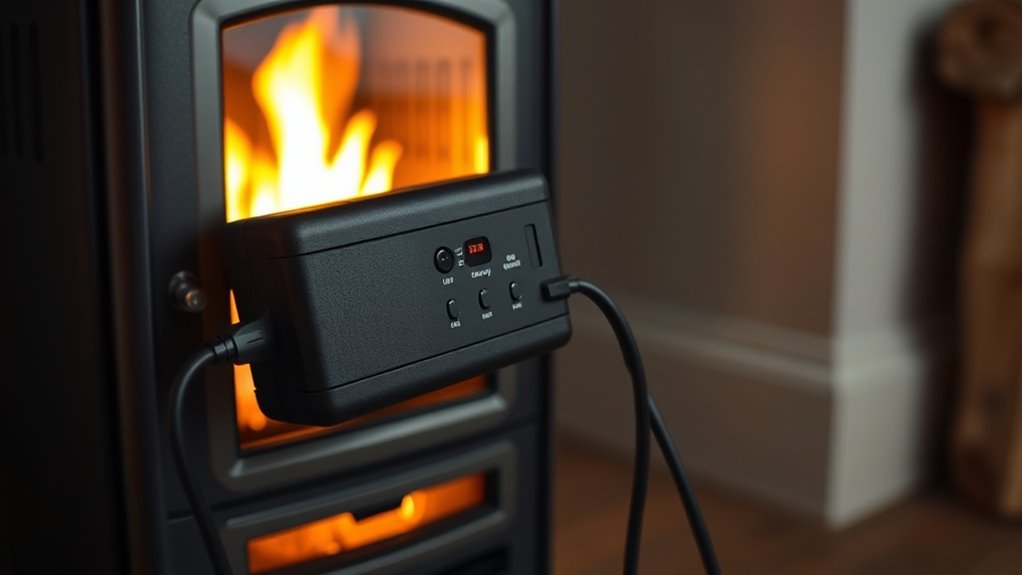
Start by performing a system functionality check to verify your backup power setup switches on smoothly and provides stable power to your stove. If you notice any failures or irregularities, troubleshoot common issues like battery drain, inverter faults, or connection problems. Regular testing helps catch potential problems early, keeping your backup system reliable when you need it most.
System Functionality Checks
Regularly testing your backup power system is essential to confirm it will operate effectively during an outage. To do this, follow these steps:
- Perform a manual switch to backup power and turn on your stove to check if it powers up without issues.
- Observe startup behavior—listen for abnormal noises or hesitation that may indicate wiring or component problems.
- Monitor the stove performance—ensure the stove’s control board stays stable and the electronics aren’t overheating.
- Check runtime—let the system run for a few minutes to verify the battery or generator sustains the load without drops or surges.
Regular testing helps catch potential failures early, ensuring your backup system reliably keeps heat on when needed.
Troubleshooting Power Failures
When your backup power system encounters issues, quick and effective troubleshooting can prevent prolonged outages and guarantee your pellet stove stays operational. Start by verifying the power source—ensure the outlet or generator is functioning properly. Check the inverter or UPS for indicator lights or error messages; reset or replace batteries if needed. Confirm the inverter’s pure sine wave output matches your stove’s requirements. Inspect all connections for loose or damaged wires. Test the backup system under load to see if it supplies consistent power. If your stove isn’t firing or operating correctly, confirm it’s receiving the proper voltage and wattage. Regular maintenance, including checking batteries, connection integrity, and surge protection, keeps your backup system ready. Address issues promptly to avoid disruptions during an outage.
Making the Most of Your Backup Power During Outages
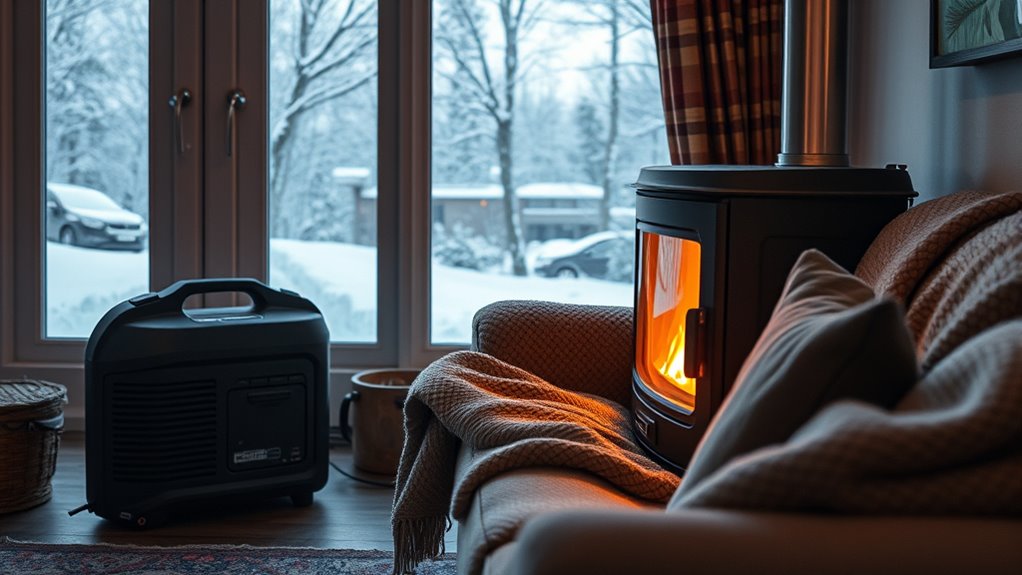
To make the most of your backup power during outages, it’s crucial to plan ahead and understand your system’s capabilities. Knowing your backup’s runtime and peak wattage helps prevent surprises. Here are four ways to optimize your backup power:
Plan ahead and understand your system’s capabilities to maximize backup power during outages.
- Prioritize essential functions — keep only the stove and vital fans running to conserve energy.
- Monitor power usage — unplug non-essential devices to extend runtime.
- Test regularly — run your system periodically to ensure it works when needed.
- Prepare for ignition surges — account for higher startup wattage in your inverter sizing to prevent overloads.
Frequently Asked Questions
Can I Run My Pellet Stove Directly off My Home Inverter System?
Yes, you can run your pellet stove directly off your home inverter system, but only if the inverter provides a pure sine wave output and is rated at least double your stove’s peak wattage. You need to size the inverter and battery capacity properly to handle startup surges and continuous operation. Regularly test your setup and make certain all connections are safe and compliant with electrical codes to keep your heat on securely during outages.
How Often Should I Test My Backup Power Setup?
Don’t you want to guarantee your backup power system works when you need it most? You should test your backup setup at least once every three to six months. Regular testing verifies switchover, runtime, and stove behavior, helping you catch issues before an outage occurs. Be sure to follow safety precautions, simulate real conditions, and keep records of each test to maintain reliability and peace of mind during emergencies.
What Is the Best Type of Battery for Pellet Stove Backup?
You should choose a Lithium Iron Phosphate (LiFePO4) battery for your pellet stove backup. It offers deep-cycle capability, longer lifespan, and better performance under repeated discharges. LiFePO4 batteries handle temperature fluctuations well, are safer than other lithium options, and maintain consistent voltage. They also recharge faster and last longer, making them ideal for ensuring reliable backup power during outages without frequent replacements.
Are Solar Panels Effective for Extending Pellet Stove Backup Runtime?
Think of solar panels as your home’s own sunlit reservoir, much like a gold rush. They can extend your pellet stove backup runtime by recharging batteries during the day, giving you longer heat during outages. Make certain your system includes a compatible inverter and sufficient panel capacity. With proper setup, solar can turn daylight into warmth, making your backup power more sustainable and reliable, even when the grid’s out.
Do I Need a Professional Electrician to Install Backup Power?
You definitely need a professional electrician to install backup power for your pellet stove. They guarantee the wiring is safe, code-compliant, and properly configured to handle surge loads and transfer switches. DIY installation risks electrical shock, fire hazards, or damage to your stove’s electronics. An expert makes sure your setup is reliable, safe, and ready to keep your home warm during outages without any worries.
Conclusion
Think of your pellet stove’s backup power as a steady heartbeat in a storm—keeping warmth alive when the skies darken. Just like a lighthouse guides ships safely home, your backup system guarantees comfort stays grounded, no matter the blackout. With the right setup and a little care, your home becomes a fortress of warmth, resilient and unwavering. Keep this small detail in mind, and your cozy refuge will weather every storm with confidence.