
TL;DR
Open a free Amazon Business account
Business pricing, bulk buying and tax-exempt orders.
Create a free accountAs an affiliate, we earn on qualifying purchases.
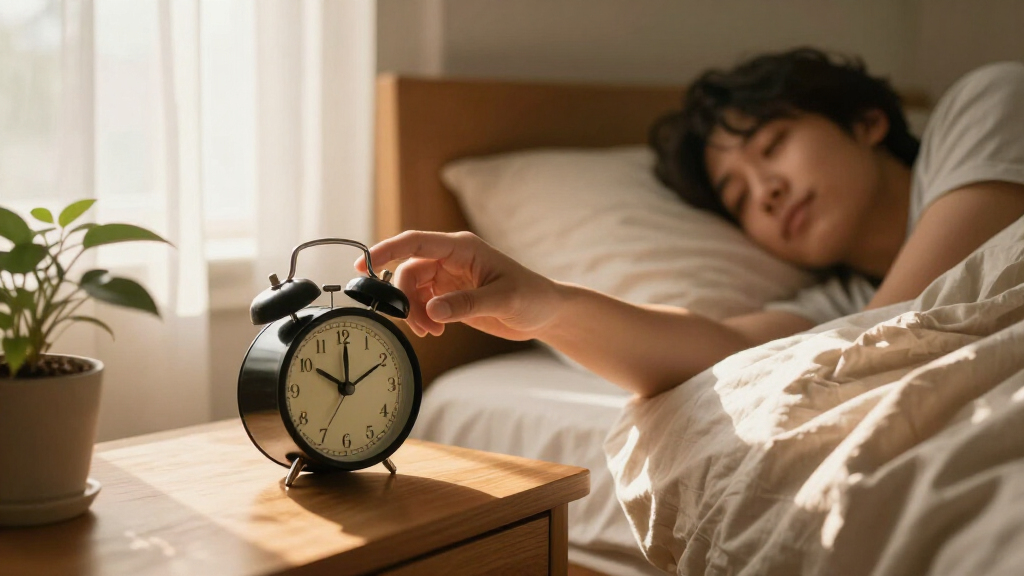
Search interest in replacing regular phone alarms with nostalgic alternatives is increasing. While specific methods are gaining popularity, the reasons behind this trend are still unconfirmed. Experts suggest it may improve wakefulness and reduce phone dependence.
Growing search interest indicates that many people are moving away from using regular alarms on their phones and exploring nostalgic alternatives for waking up. While the trend is gaining traction online, the specific reasons and the most popular methods remain unconfirmed. This shift could impact daily routines and phone usage habits, making it a noteworthy development for consumers and mental health advocates alike.
Recent data from search trend analysis shows a noticeable increase in queries related to replacing standard phone alarms with nostalgic options, such as vintage alarm clocks, wind-up clocks, or natural wake-up methods. Experts believe this may reflect a broader desire to reduce screen time in the mornings or improve sleep quality, although definitive studies are lacking. The trend appears to be driven by online communities sharing alternative wake-up ideas, but no official endorsement or widespread adoption has been confirmed.
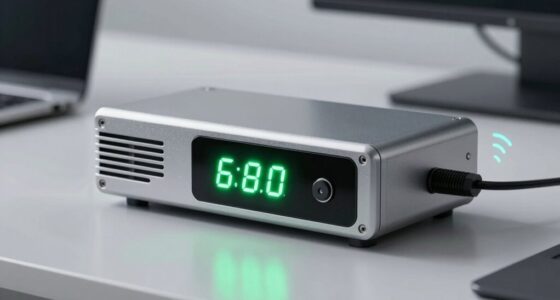
Some of the most discussed alternatives include mechanical alarm clocks, sunrise simulators, and even traditional wake-up calls from a landline or a family member. These methods are often promoted for their simplicity and the perceived benefits of avoiding digital distractions first thing in the morning. However, it is not yet clear whether this trend is driven by health concerns, aesthetic preferences, or a nostalgic desire to reconnect with older technology.
Implications of Moving Away from Digital Alarms
This trend could influence how people manage their mornings, potentially reducing dependence on smartphones and decreasing exposure to blue light and notifications that can disrupt sleep cycles. If more individuals adopt nostalgic alarm methods, it might lead to broader shifts in sleep hygiene practices and digital habits. Additionally, it raises questions about the mental health impact of reducing screen time and the practicality of these methods in modern busy schedules.
While the trend is still emerging, experts suggest that exploring non-digital wake-up options could benefit those experiencing sleep disturbances or digital fatigue. However, the lack of large-scale studies means the actual benefits and drawbacks remain uncertain, and individual preferences will vary.
As an affiliate, we earn on qualifying purchases.
Rise of Nostalgic Alarm Alternatives and Digital Detox Trends
The interest in replacing standard phone alarms with nostalgic options aligns with a broader movement toward digital detoxing and mindful technology use. Over the past few years, there has been increased concern about the effects of constant screen exposure, especially in the mornings, which can interfere with sleep quality and mental health. This has led to a surge in searches for alternative wake-up methods, although concrete data on their effectiveness is limited.
Historically, mechanical clocks and natural cues like sunlight have been used to regulate wakefulness. Today, the trend appears to be a modern return to these practices, driven by online communities and wellness advocates. The trigger for this spike remains unconfirmed, but it may be linked to growing awareness of digital fatigue and sleep hygiene issues.
As an affiliate, we earn on qualifying purchases.
Unconfirmed Reasons Behind the Trend’s Surge
It is not yet confirmed why search interest in nostalgic alarm alternatives is increasing. While health and wellness reasons are commonly speculated, concrete data or surveys confirming motivations are lacking. The exact methods gaining popularity and their adoption rate remain unclear, and whether this trend will sustain long-term is uncertain.
As an affiliate, we earn on qualifying purchases.
Monitoring Adoption and Effectiveness of Nostalgic Alarms
Researchers and wellness experts plan to observe whether this trend leads to measurable improvements in sleep quality or mental health. Further studies could explore the practicality and benefits of non-digital wake-up methods, while consumer surveys may shed light on user preferences. The trend’s future depends on whether it gains broader acceptance or remains a niche interest.
As an affiliate, we earn on qualifying purchases.
Key Questions
Are nostalgic alarm clocks more effective than phone alarms?
There is currently no scientific consensus on their effectiveness. Anecdotal reports suggest they may reduce digital dependence and improve sleep, but more research is needed.
What are some popular nostalgic alarm options?
Mechanical alarm clocks, sunrise simulators, and waking up to natural light or sounds are among the most discussed alternatives.
Can replacing my phone alarm improve my sleep quality?
Potentially, as reducing screen exposure and notifications in the morning may help, but individual results vary and more studies are required.
Is this trend suitable for busy schedules?
While nostalgic alarms may be effective for some, their practicality depends on personal routines. Mechanical clocks require manual setting, which might be less convenient than digital alarms.
Will this trend continue or fade away?
The future of this trend is uncertain; it may persist if proven beneficial or fade if not widely adopted or found impractical.
Source: rss
Flea & tick season Picks
flea and tick prevention
As an affiliate, we earn on qualifying purchases.