
TL;DR

Get backup power and energy gear delivered free — and shop member deals
- Fast, free delivery on millions of items
- Access to Prime Big Deal Days deals on October 6–7
- Prime Video, Amazon Music and more included
Home batteries are increasingly popular for energy storage, with installation costs varying based on capacity and system complexity. This article explains the installation process, costs, and what buyers should consider.
Home batteries are becoming more accessible for residential use, with installation costs and processes evolving rapidly. Experts confirm that installation typically involves connecting the battery to the main electrical panel, sometimes requiring upgrades or permits, depending on local regulations. This development matters because it makes energy storage more feasible for homeowners seeking to reduce costs or prepare for outages.
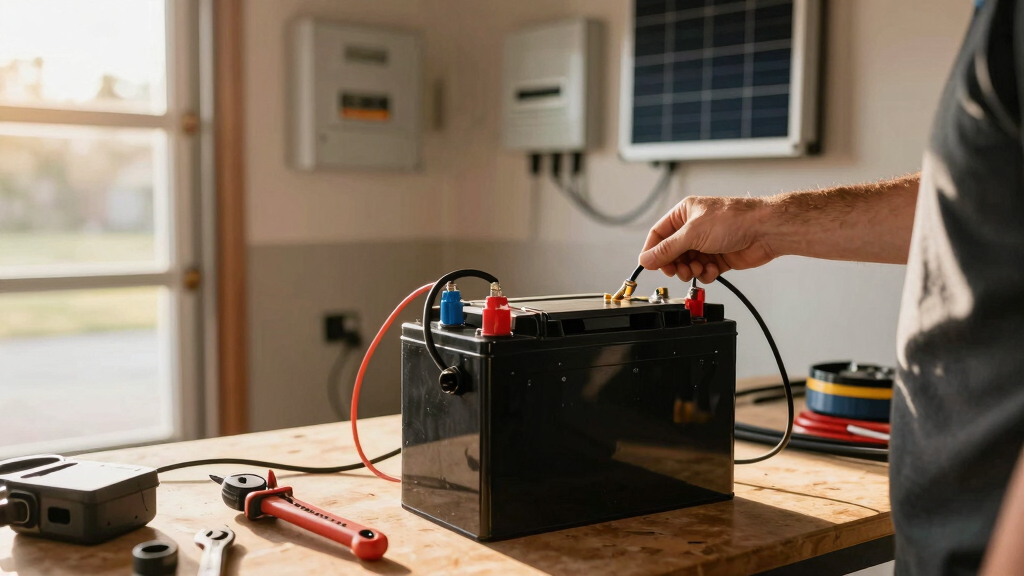
Home batteries, primarily lithium iron phosphate (LFP), are installed by certified electricians who connect the system to the home’s electrical panel, often requiring upgrades or additional breaker boxes. The installation process can take several hours to days, depending on the home’s existing electrical setup and local permitting requirements.
Cost estimates for home battery installations vary widely, ranging from approximately $8,000 to $15,000 or more, including equipment and labor. Larger systems with higher capacity and power output tend to cost more, and additional expenses may include permits, upgrades, and inverter compatibility. Modular systems allow for capacity expansion, but often require professional reinstallation to maintain warranty validity.
Implications of Home Battery Installation Costs and Processes
Understanding installation procedures and costs helps homeowners make informed decisions about adopting energy storage solutions. Widespread use of home batteries can reduce energy bills, enhance resilience during outages, and support the integration of renewable energy into the grid, contributing to broader sustainability goals.
As an affiliate, we earn on qualifying purchases.
Market Growth and Technical Developments in Home Batteries
The home battery market has expanded significantly as electricity prices rise and renewable energy adoption increases. Lithium iron phosphate batteries are favored for safety and durability, with manufacturers developing modular systems to suit different household needs. Installation practices vary by region, with some requiring permits and upgrades, and the technology continues to advance towards safer, longer-lasting solid-state batteries. The market is also seeing interest in repurposing electric vehicle batteries for home use, though this is not yet widespread.
“Installing a home battery involves connecting it to your electrical panel, which may require upgrades or permits, depending on local regulations.”
— Simon Hill, energy expert
residential lithium iron phosphate battery
As an affiliate, we earn on qualifying purchases.
As an affiliate, we earn on qualifying purchases.
Uncertainties in Installation Costs and Regulatory Requirements
Installation costs can vary depending on regional permitting, electrical upgrades needed, and system size. Some jurisdictions may impose additional fees or require prior approval, which could extend timelines or increase expenses. It is not yet clear how widespread these regulatory hurdles will become as the market grows.
As an affiliate, we earn on qualifying purchases.
Future Trends in Home Battery Technology and Regulations
Expect continued technological improvements, such as solid-state batteries, which promise longer lifespan and enhanced safety. Regulatory frameworks may evolve to streamline permits and certification processes, potentially reducing installation costs. Additionally, the market may see increased adoption of repurposed EV batteries for home use, although this remains in early stages.
As an affiliate, we earn on qualifying purchases.
Key Questions
How much does a typical home battery installation cost?
Most installations range from about $8,000 to $15,000, depending on capacity, system complexity, and regional factors.
Do I need permits or upgrades for installing a home battery?
Yes, many regions require permits, and some installations may need electrical upgrades or approval from local utilities. It’s advisable to consult with certified installers early in the process.
How long does installation typically take?
Installation can take from several hours to a few days, depending on the home’s existing electrical system and regulatory requirements.
What should I consider when choosing a home battery system?
Key factors include capacity in kWh, power output in kW, efficiency, warranty, and whether the system is compatible with your existing or planned solar panels.
Will home batteries become cheaper in the future?
Technological advancements and increased competition are expected to reduce costs over time, making home batteries more affordable for consumers.
Source: WIRED
Halloween Picks
halloween
As an affiliate, we earn on qualifying purchases.