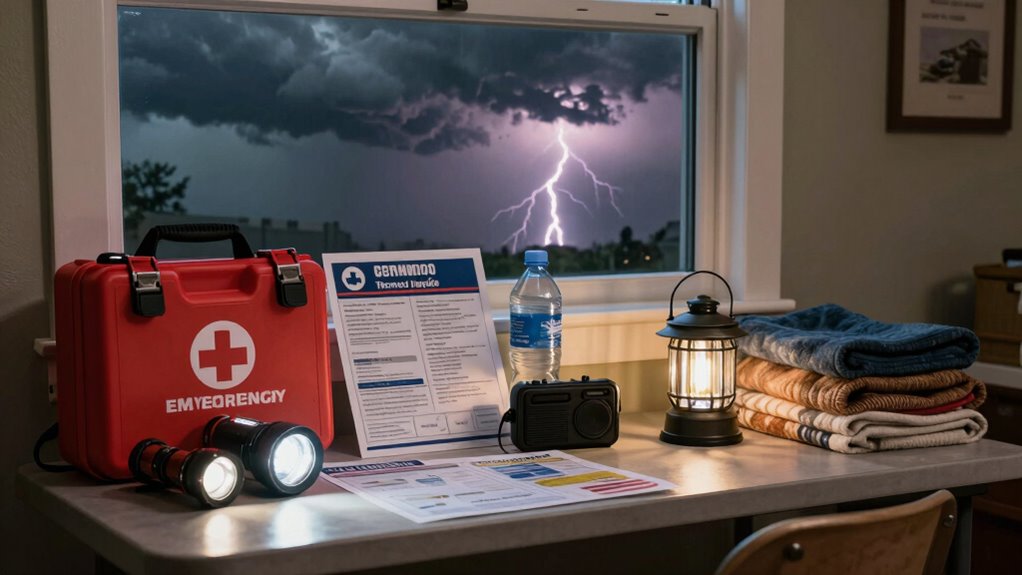

To build a power outage routine for tornado season, start by assembling an emergency kit with essentials like water, non-perishable snacks, first aid, and batteries. Designate a safe space in your home and keep supplies nearby. Establish a communication plan, including a family contact outside the area, and practice your routine regularly. Stay informed with a battery-powered radio, and consider community resources to improve your preparedness. Continue exploring these tips to strengthen your family’s safety measures.
Prime for Young Adults — start your free trial
Fast free delivery, streaming and member deals for eligible 18–24 year olds.
As an affiliate, we earn on qualifying purchases.
Key Takeaways
- Prepare an emergency kit with essentials, including batteries, water, snacks, and important documents, stored in an accessible location.
- Designate a safe space and ensure all household members know how to reach it quickly during outages or tornadoes.
- Establish a communication plan with a designated out-of-area contact and practice regular check-ins using text or social media.
- Keep backup power sources like flashlights and battery-operated radios ready, and test them periodically.
- Regularly review and update your routine, incorporating community resources and disaster preparedness education for better resilience.
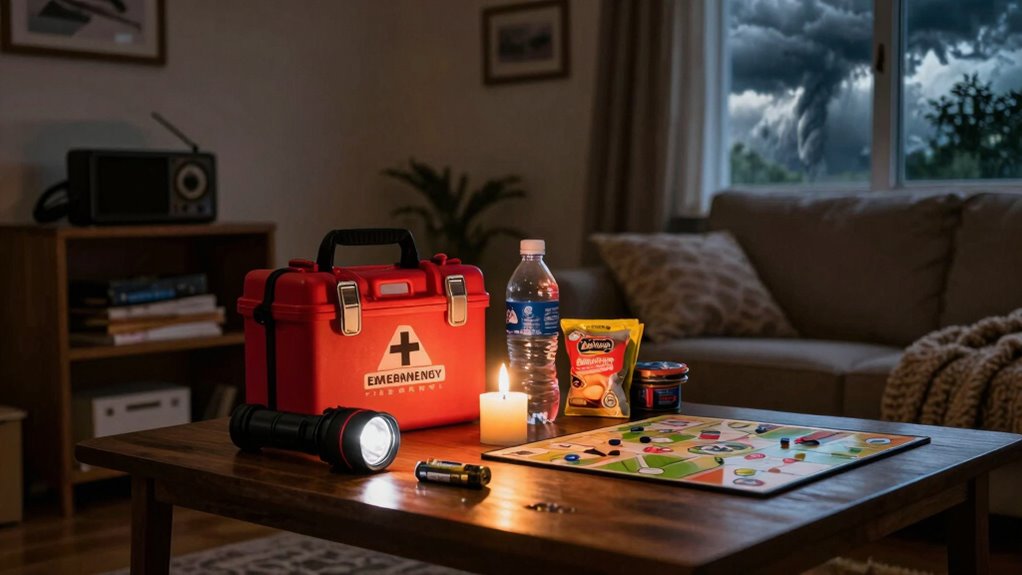
When tornado season approaches, having a solid power outage routine can make all the difference in keeping your family safe and prepared. The first step is to assemble a thorough emergency kit that’s easily accessible in a central location. Your kit should include essentials like bottled water, non-perishable snacks, first aid supplies, flashlights, batteries, and a battery-powered radio. Make sure you have enough supplies to last at least three days, as power outages can sometimes extend longer than expected. Including personal items such as medications, hygiene products, and important documents in a waterproof container adds extra security. An emergency kit like this guarantees that, even if the lights go out, you have what you need to stay safe and comfortable.
Having a well-stocked emergency kit ensures safety and comfort during extended power outages in tornado season.
Equally important is creating a communication plan that everyone in your household understands. In the chaos of a tornado, power failures can cut off your usual lines of communication, so you need a plan that relies on multiple methods. Designate a family member or friend outside your immediate area as a point of contact, and ensure all family members know how and when to reach them. Use text messages or social media, which often work better than calls during service disruptions. Keep a list of emergency contacts, including local authorities and nearby relatives, and store it in your emergency kit as well. Make sure everyone knows how to access this list quickly. Practicing your routine regularly is key, as it helps reinforce preparedness habits and reduces panic during real emergencies. Having an understanding of disaster preparedness can further improve your ability to respond effectively.
It’s also wise to identify a safe room or shelter area in your home, like a basement or interior closet away from windows, and make sure everyone knows how to get there swiftly. Keep your emergency kit in or near this safe space so it’s ready to go at a moment’s notice. Additionally, understanding biodiversity and conservation practices can enhance your overall community resilience by promoting safer, more sustainable living environments that are better prepared for natural disasters. Incorporating emergency preparedness into your community efforts can further strengthen collective resilience and response capabilities. Building community resilience through shared resources and knowledge can significantly improve how effectively everyone responds during emergencies. Regularly reviewing and updating your routine ensures it remains effective as circumstances change. Furthermore, engaging with local disaster response programs can provide valuable resources and training to improve your preparedness efforts.
battery powered radio for emergencies
As an affiliate, we earn on qualifying purchases.
As an affiliate, we earn on qualifying purchases.
Frequently Asked Questions
How Long Should I Keep Emergency Supplies Stocked?
You should keep your emergency supplies stocked at least for three to seven days, but it’s wise to aim for a two-week supply. Regularly check and replace emergency food and water storage to guarantee freshness and safety. This way, you’ll be prepared for unexpected outages or emergencies, giving you peace of mind. Keep an eye on expiration dates and update your supplies annually to stay ready for tornado season or other crises.
What Should I Include in a Family Communication Plan?
You should include a family communication plan that clearly outlines emergency kit locations and assigns family roles. Make sure everyone knows how to contact each other, both locally and out of town, in case of separation. Practice the plan regularly, ensuring all members understand their responsibilities. Keep a written copy in your emergency kit and accessible places. This preparation helps your family stay connected and organized during a power outage or tornado.
How Can I Protect My Electronics During Outages?
To safeguard your electronics during outages, use battery backups and surge protectors. Battery backups keep your devices running smoothly during power interruptions, allowing you to save work and stay connected. Surge protectors prevent damage from voltage spikes that often occur when power is restored. Always unplug sensitive electronics when you know an outage is coming, and regularly test your backup systems to guarantee they’re functioning properly.
Are There Specific Weather Alerts to Watch For?
You should always stay alert for weather alerts like tornado warnings. Keep a weather radio handy, set to notify you instantly when a warning is issued. Pay attention to local broadcasts and emergency alerts on your phone. Tornado warnings indicate immediate danger, so act quickly. By monitoring weather radios and alerts, you can stay ahead of severe weather, protect your family, and guarantee your safety during tornado season.
How Often Should I Review and Update My Routine?
Think of your routine as a garden that needs regular tending. You should review and update it at least twice a year—preferably before and after tornado season. During these reviews, run emergency drills and stay current with community alerts. This keeps your plan fresh and effective, ensuring you’re prepared when disaster strikes. Regular updates help you adapt to new information, making your safety practices resilient and reliable.
emergency kit supplies for tornado season
As an affiliate, we earn on qualifying purchases.
As an affiliate, we earn on qualifying purchases.
Conclusion
By preparing your power outage routine now, you’ll turn chaos into calm when tornado season strikes. With a solid plan in place, you’ll be as ready as a fortress guarding against the fiercest storm. Remember, being unprepared isn’t just risky—it’s like walking into a hurricane without an umbrella. So, take action today, gather your supplies, and practice your plan. When the skies darken, you’ll be the calm in the storm, confident and in control.
portable flashlight with batteries
As an affiliate, we earn on qualifying purchases.
As an affiliate, we earn on qualifying purchases.
waterproof document storage container
As an affiliate, we earn on qualifying purchases.
As an affiliate, we earn on qualifying purchases.
Flea & tick season Picks
flea and tick prevention
As an affiliate, we earn on qualifying purchases.