
Inverter buzzing sounds are usually normal, caused by high-frequency coil whine from switching components or cooling fans working under load. However, if the noise suddenly increases, becomes irregular, or is paired with rattling, burning smells, or visible damage, it could signal a fault. Mechanical factors like loose mounting or resonance can amplify noise too. To guarantee your inverter’s safety and performance, understanding these signs helps, and more detailed insights await if you continue.
Key Takeaways
- Normal inverter noises include high-frequency coil whine and steady fan sounds, which increase with load and are typical during operation.
- Mechanical vibrations and resonances from loose mounting or surface materials can amplify buzzing, indicating installation issues.
- Sudden or persistent high-pitched squeals, crackling, or burning smells signal faults requiring immediate inspection.
- Regular maintenance, securing loose parts, and using vibration dampers can reduce noise and prevent mechanical problems.
- Recognizing normal sounds versus warning signs helps ensure inverter safety, efficiency, and longevity.

Car Door Damper – Quiet Lock Buffer, Rubber Noise Deadener | Automotive Side Protection Cushion, Shock Absorb Pad at Minivans Trucks SUVs Sedans Hatchbacks Vehicles Travel Rides
Car Door Security: Made with dependable materials, our Car Door Lock Sound Deadener reduces noise provides smooth door…
As an affiliate, we earn on qualifying purchases.
As an affiliate, we earn on qualifying purchases.
Understanding Normal Coil and Inverter Noises

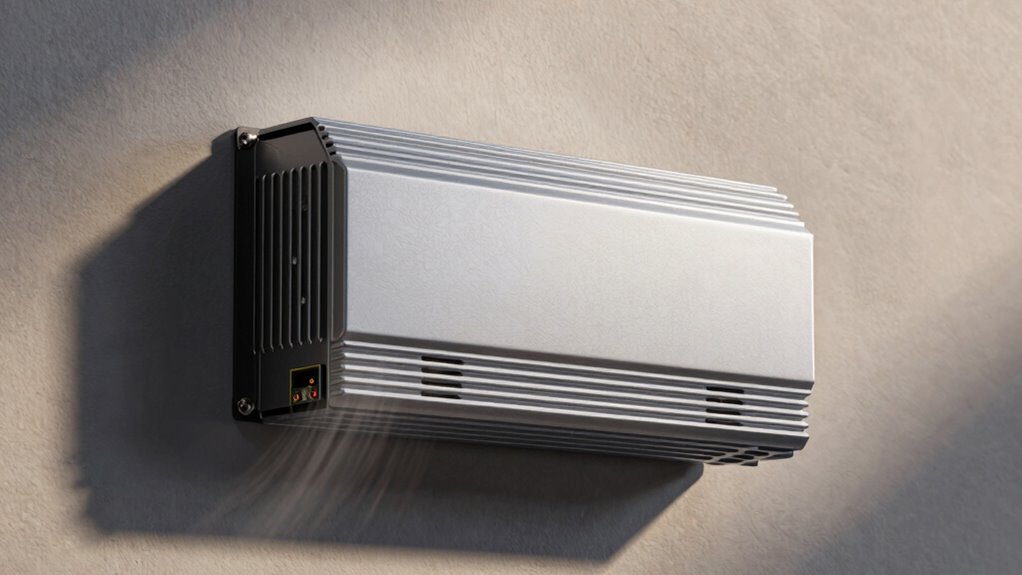
Understanding normal coil and inverter noises is essential for identifying what sounds are typical during operation. When your inverter runs, it produces high-frequency sounds called coil whine, caused by magnetic fields from switching components like MOSFETs and inductors vibrating at certain frequencies. You’ll notice these sounds in the 4–20 kHz range, often most sensitive between 8–12 kHz. The amplitude increases with load, so heavier demands from charging or exporting power can make the noise more noticeable. Mounting location and environment can amplify these vibrations, especially when panels resonate. Additionally, the design of inverter components can influence the intensity and pitch of these sounds. Keep in mind, in quiet spaces, even normal inverter hum can seem loud. Recognizing these normal sounds helps you distinguish them from potential issues, so you can better assess your inverter’s health. Additionally, understanding the contrast ratio of your home theatre projector can help you evaluate its image quality in different lighting conditions. Being aware of normal operational sounds can prevent unnecessary concern and guide proper maintenance when needed.
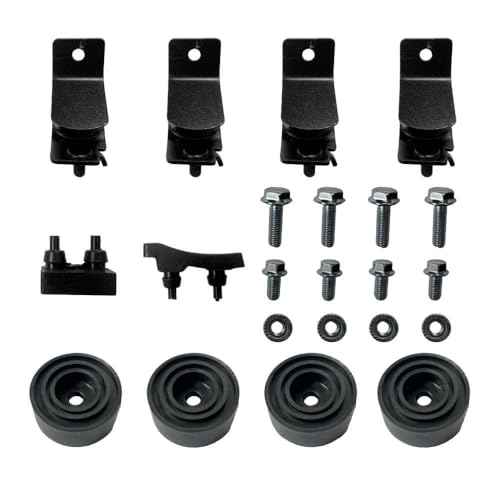
POWER PRODUCTS Frame Shock Absorbing Seat and Anti-Vibration Mounts with Bolts- Replacement for Predator Some Inverter Generator Surge 2000 Watt Diagram Part Ref#28 29
High quality Anti-Vibration Mounts and Seats Kit made for PREDATOR Surge 2000 Watts Running 1600 Watts Super Quiet…
As an affiliate, we earn on qualifying purchases.
As an affiliate, we earn on qualifying purchases.
Recognizing Typical Thermal and Fan Sounds

When your inverter operates under high load or during hot conditions, it produces steady airflow noise from its cooling fans. This sound indicates the fans are working to keep internal components cool. Recognizing typical thermal and fan sounds helps you distinguish normal operation from issues. You are trained on data up to October 2023. Additionally, periodic checks of small appliances and comfort devices can help ensure they operate smoothly and efficiently. Regular maintenance can prevent potential problems and extend the lifespan of your inverter. Being familiar with reliable backup power practices can also assist in identifying when the inverter’s sounds may signal a need for professional inspection. Understanding thermal behavior can further aid you in assessing whether the noise levels are consistent with expected operation, especially in relation to ventilation considerations.

GDSTIME 2 Pack 80mm x 80mm x 25mm 12V DC Brushless Cooling Fan 2Pin
Wide Application: These 80mm fans are designed for projects that requires cooling or ventilation; Can be used to…
As an affiliate, we earn on qualifying purchases.
As an affiliate, we earn on qualifying purchases.
Identifying Warning Signs of Faults and Malfunctions

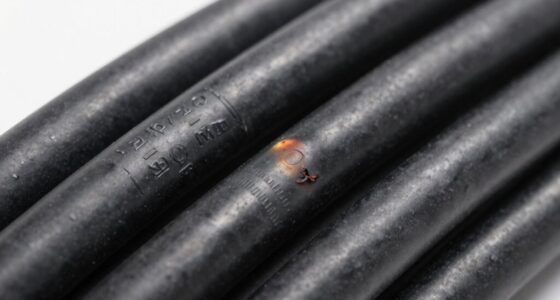
Sudden changes in buzzing volume, unusual rattles, or high-pitched squeals are clear warning signs that your inverter may be experiencing faults or malfunctions. These sounds often indicate loose components, damaged parts, or electrical issues. If you notice a persistent high-pitched squeal at idle or light loads, it could signal defective transformers or switching devices. Rattling noises might suggest loose mounting brackets or internal fasteners, while irregular buzzing that increases with load may point to worn bearings or deteriorating coils. Unusual crackling, arcing sounds, or burning odors are critical red flags requiring immediate shutdown and professional inspection. Pay attention to these signs, as they often reveal underlying problems that could lead to inverter failure or safety hazards if left unaddressed. Additionally, understanding Free Floating principles can help in diagnosing issues without extensive disassembly. Being aware of electrical sound signatures can aid in early detection of potential faults before they escalate.
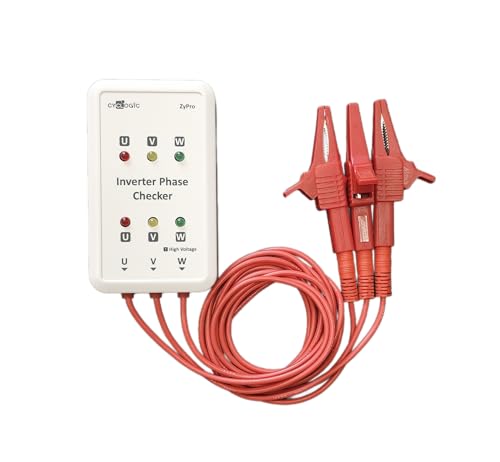
Cyclogic Inverter Phase Checker CL-MC02B 3-Phase Tester HVAC Tool for Inverter or Compressor Problem Diagnosis
ACCURATE TESTER: Instantly analyses compressor or inverter fault. 3-phase tester identifies three-phase sequence.
As an affiliate, we earn on qualifying purchases.
As an affiliate, we earn on qualifying purchases.
Mechanical and Installation Factors That Amplify Buzzing

Your inverter’s mounting surface can considerably amplify buzzing if it resonates with component vibrations. Loose mounting components or unsecure brackets allow vibrations to transfer more loudly into the environment. Ensuring solid, stable mounting helps reduce noise and prevents vibration-related issues. Incorporating sound vibrations into the design can also help identify the resonance points that contribute to the buzzing noise. Additionally, understanding vibration transfer principles can assist in implementing effective dampening solutions to further minimize sound. Using appropriate mounting techniques can significantly diminish the transmission of vibrations, leading to quieter operation. Applying proper damping materials can also absorb vibrations before they become audible, further reducing noise levels. Recognizing installation best practices can enhance overall stability and noise reduction in inverter setups.
Mounting Surface Resonance
Have you ever noticed that an inverter’s buzzing seems louder or more persistent when mounted on certain surfaces? This is because the mounting surface can resonate with internal vibrations, amplifying the noise you hear. Resonance occurs when the surface’s natural frequency matches the vibration frequency of the inverter’s components. To reduce this, consider these factors:
- Surface Material – Thin, hard, or rigid surfaces like metal or drywall can transmit vibrations more effectively.
- Mounting Method – Rigid mounting without cushioning increases vibration transfer.
- Enclosure Design – Enclosures or panels that vibrate at certain frequencies can intensify buzzing.
- Vibration Pathways – Unsecured or loosely attached surfaces allow vibrations to travel and amplify.
- Environmental Awareness – Being mindful of soundproofing techniques and proper installation practices can help mitigate noise issues.
Addressing these factors can markedly diminish the noise level and improve comfort.
Loose Mounting Components
Loose mounting components are a common cause of amplified inverter buzzing because they allow vibrations to transfer more freely into the enclosure or surrounding structure. When fasteners, brackets, or clips aren’t tightened properly, vibrations from internal components like coils or transformers can resonate through the mounting points. This resonance amplifies the sound, making normal vibrations seem louder or more erratic. Additionally, unseated or broken mounting parts can cause rattling or buzzing, especially during load changes or thermal expansion. External mounting on thin or resonant surfaces also worsens the noise. To reduce this, check all fasteners, tighten loose screws, and ensure components are securely mounted. Proper installation and maintenance can notably diminish unnecessary noise and prevent potential mechanical issues. Regular inspection of mounting integrity can help identify and address issues before they escalate, especially since mechanical vibrations can further propagate noise if not properly managed. Moreover, using sound-dampening materials around mounting points can help absorb vibrations and reduce noise transmission.
Diagnosing Noise: When to Investigate Further

When you notice unusual or louder noises from your inverter, it’s important to determine whether they are normal operational sounds or signs of a problem. Here’s how to diagnose further:
- Listen carefully for pattern changes: steady hums often indicate normal coil whine, while intermittent rattles or crackles suggest mechanical or electrical issues. Electrical components can generate specific noises, so recognizing these can help pinpoint the problem. Additionally, understanding the typical inverter noise signatures can assist in early detection of faults.
- Check for alarm signals: repeated beeps, high-pitched squeals, or sudden volume increases usually signal faults like overloads or component failures.
- Observe the environment: excessive fan noise or vibration amplification may be caused by loose mounting or resonance, not necessarily a fault.
- Inspect for physical signs: burning smells, visible damage, or loose parts require immediate shutdown and professional assessment.
- Consider the impact of astrological influences on inverter performance, as some believe celestial factors can subtly affect electrical systems, although scientific skepticism remains.
Practical Steps to Reduce Unwanted Inverter Sound

Reducing unwanted inverter sounds often starts with identifying and addressing their sources. First, inspect the inverter’s mounting—secure loose screws or brackets and use anti-vibration pads to dampen vibrations. Confirm the inverter is mounted on a solid, resonant surface or away from walls and furniture that can amplify noise. Clean vents and fans regularly to prevent dust buildup, which can cause fans to spin faster and louder. Check for loose components or wiring that might rattle; tighten or repair as needed. If possible, relocate the inverter to a less noisy environment or install sound-absorbing panels around it. Proper ventilation is crucial to prevent overheating and maintain system performance. Additionally, ensuring system maintenance schedules are followed helps keep the inverter operating smoothly and quietly. Maintaining vibration control can significantly reduce noise levels and prolong the lifespan of the inverter. These steps help minimize unwanted sounds without risking system performance.
Frequently Asked Questions
Can Inverter Noise Indicate a Failing Component Before Visible Failure?
Yes, inverter noise can signal a failing component before visible failure. You might notice unusual high-pitched squeals, rattles, or volume changes that don’t match normal operation. These sounds often indicate issues like damaged coils, worn bearings, or loose mounts. Paying attention to these early warning signs allows you to address potential problems before they lead to complete failure, saving time and preventing costly repairs.
How Can I Differentiate Between Normal Coil Whine and a Potential Fault?
You can tell normal coil whine from a fault by listening for patterns. Normal coil whine is a steady, high-frequency hum that varies with load but remains consistent over time. If the noise becomes irregular, louder, or includes rattles, crackling, or sudden changes, it’s likely a fault. Watch for accompanying symptoms like alarms, burning smells, or mechanical vibrations, which indicate issues needing professional inspection.
What Safety Precautions Should I Take When Inspecting Noisy Inverters?
Imagine approaching your inverter, the humming growing louder—safety first. Before inspecting, turn off the inverter and disconnect it from power sources. Wear insulated gloves and safety goggles to shield against unexpected shocks or sparks. Avoid touching live parts and keep tools insulated. Guarantee good ventilation, and if you’re unsure or see signs of damage, like burning smells or sparks, contact a professional. Safety always comes before troubleshooting.
Does Inverter Noise Level Vary With Different Brands or Models?
Yes, inverter noise levels can vary between brands and models due to differences in design, component quality, and materials. Some inverters are built with quieter fans, better vibration damping, or advanced switching technology that reduces coil whine. You might notice certain brands operate more silently, especially in low-load conditions. However, always compare noise expectations with manufacturer specifications, and remember that installation and environment also influence perceived noise levels.
When Is Professional Service Necessary for Inverter Buzzing or Rattling?
You need professional service when your inverter buzzing or rattling is sudden, loud, or persistent, especially if accompanied by burning smells, overheating, or unusual alarms. If you notice irregular rattles, changes in tone, or mechanical looseness, don’t delay—these signals indicate potential component failure or damage. Power down immediately if you see sparks or crackling sounds, and contact a qualified technician to prevent further damage or safety hazards.
Conclusion
Remember, that buzzing sound might just be a tiny lullaby from your inverter, or it could be a warning siren screaming for help. Ignoring it could turn a small hiccup into a catastrophic meltdown faster than you can say “power outage.” Stay vigilant, listen carefully, and don’t brush off strange noises. By catching issues early, you might save your system — and your entire home — from a disaster of epic proportions. Stay alert, stay safe!