
TL;DR

Get backup power and energy gear delivered free with Prime
- Fast, free delivery on millions of items
- Prime Video, Amazon Music and more included
- Member-only deals all year
An Ideal Home writer reports that closing curtains around sunset helped keep rooms warmer in the evening, with a measured 2°C difference across thermal curtains in some rooms. An energy expert says curtains add insulation at windows, but the energy and bill savings vary by home and were not quantified.
An Ideal Home report says closing curtains just before sunset may help homes retain heat and reduce reliance on evening heating, though the amount of energy saved is not quantified. The writer measured a 2°C temperature difference in front of and behind thermal curtains in some rooms after sunset, while an energy expert said results depend on the windows, curtains and insulation in each home.
The report’s writer says they resumed closing curtains early and found their home felt warmer for longer in the evening, without turning the heating on for an extra hour. That is a personal observation, not a controlled test of energy consumption: the report does not provide heating-use readings, utility-bill comparisons or a measured saving in kilowatt-hours.
In the writer’s home, the reported temperature difference across window coverings varied. They measured about 2°C in front of and behind thermal curtains and blinds, just under 1°C around wooden blinds, and about half a degree around standard curtains. The report does not specify the measuring equipment, exact measurement locations or test conditions, so the figures describe that home rather than a guaranteed result for other households.
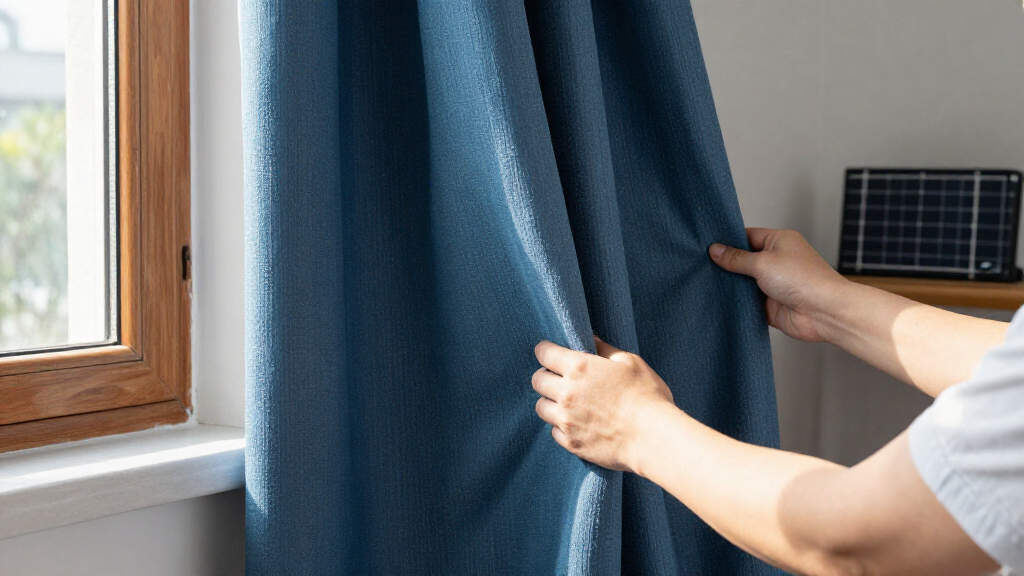
So Energy consumer energy expert Stuart Middleton said curtains add a layer of insulation that can slow heat escaping through windows. He said thick, well-fitting or thermally lined curtains can be particularly effective. The report recommends closing curtains shortly before sunset, rather than earlier in the day, to allow daylight to warm rooms before drawing them at dusk.
How Curtains Could Reduce Evening Heating
The practical appeal is that closing curtains is a no-cost household habit that may make rooms feel more comfortable during colder evenings. If a room loses heat more slowly, residents may be less inclined to extend central heating or use a portable electric heater, although the report does not establish that this will happen in every home or quantify any resulting bill reduction.
The effect matters most as households look for ways to manage heating costs, but curtains are not a substitute for addressing major draughts or poor insulation. The report says the benefit depends on window performance, curtain fit and fabric, and the home’s insulation. Its measurements are an example, not evidence of a universal saving or a specific percentage reduction in energy use.
Products Worth Considering

Bose TV Speaker (2nd Gen) Compact Soundbar with Bluetooth and HDMI Connectivity

Coway Airmega 250 Air Purifier for Large Rooms

eufy E25 Robot Vacuum and Mop Combo with HydroJet Roller Mop
As an affiliate, we earn on qualifying purchases.
The Sunset Timing and Home Test
The report frames the advice for the period when nights are getting longer and temperatures are falling. Its writer says the habit was tested again over about one week, drawing on previous experience of closing curtains in the evening. The reported outcome was a warmer-feeling home, but no baseline energy-use data or comparison group was included.
To time the routine, the writer suggests checking local sunset time and closing curtains shortly beforehand. In the example given, sunset was forecast for 4:52 p.m., so the writer set a reminder for 4:30 p.m. The stated rationale is to retain any warmth gained from daylight while limiting heat loss after sunset. The report also mentions curtain automation products, including the SwitchBot Curtain 3, as one way to schedule closing when nobody is home; this is a product option, not a requirement for the method.
“Windows can be a source of heat loss, so drawing your curtains creates an additional layer of insulation that helps slow the rate at which heat escapes.”
— Stuart Middleton, So Energy consumer energy expert
Savings Depend on Each Home
The report does not establish how much energy or money an average household could save. It gives no figures for changes in heating demand or bills, and the writer’s temperature readings are limited to their own rooms and window coverings. It is also unclear whether the recorded differences reflect only the curtains or other factors, including room conditions and measurement placement.
The source text refers to energy prices rising by 4% in October and forecasts of a further 16% to 25% rise in January, but it does not identify the year, tariff basis or forecasting sources for those figures. They should not be treated as independently verified current price changes. The report also does not compare curtain use with other insulation measures or show whether the same effect occurs across different window types and climates.
A Household Test Can Track Results
For households trying the habit, the report’s practical suggestion is to check local sunset times and close curtains shortly before dusk, while making sure they fit well around the window. Residents can compare room temperature and heating patterns over similar evenings, but should account for changing outdoor temperatures and other differences before attributing a change to curtains.
There is no formal follow-up study or confirmed energy-saving figure in the source material. The key next evidence would be measurements of heating use and costs across a defined period, alongside details of the homes and window coverings tested. Until then, the report supports treating early curtain closing as a low-cost measure that may help retain warmth, not a guaranteed reduction in bills.
Key Questions
Do curtains closed at sunset save energy?
They may help slow heat loss through windows, potentially reducing the need for heating. The report does not quantify the energy saved, and the outcome depends on the home and its window coverings.
When should I close my curtains?
The report recommends closing them shortly before local sunset, after daylight has had a chance to warm the rooms. Sunset time changes by location and date.
Which curtains were associated with the largest temperature difference in the report?
The writer reported a difference of about 2°C across thermal curtains and blinds in their home. They reported smaller differences for wooden blinds and standard curtains. These were observations from one home, not a general performance guarantee.
Can the report say how much money this saves?
No. It provides no measured bill or energy-use savings. The amount, if any, would depend on factors such as window quality, curtain fit, insulation and heating habits.
Source: rss