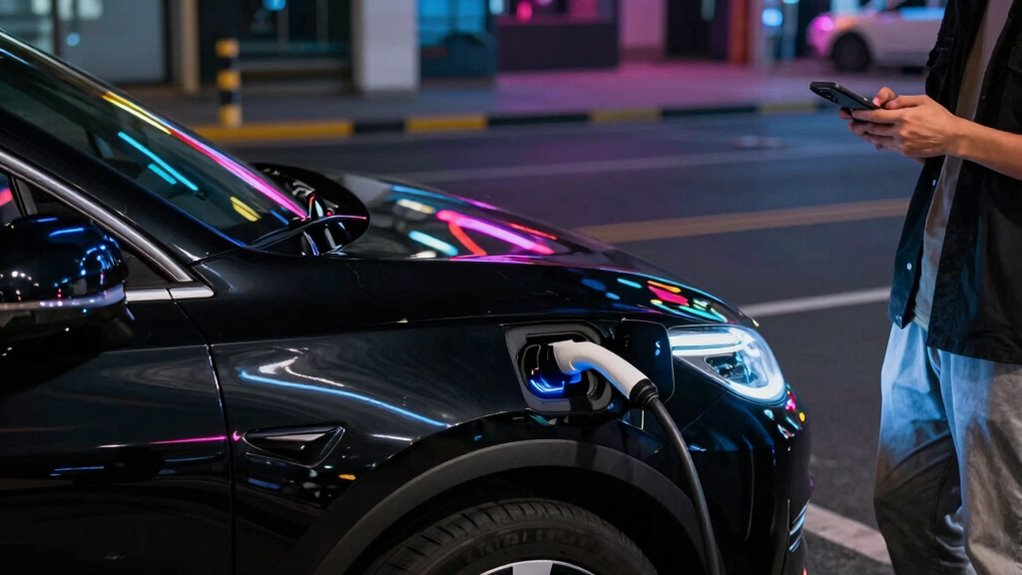

When choosing between idling and accessory mode, it’s safer and more energy-efficient to avoid extended idling, as it burns fuel and increases emissions. Accessory mode uses only the auxiliary battery, risking quick drain if used too long—about two hours max. Idling keeps the engine running, which recharges the battery but wastes fuel. For longer stops, using the vehicle’s “ready” mode or shutting down properly helps protect your battery and save energy; find out more below.
Key Takeaways
- Idling maintains engine operation, recharges the 12V battery, and is safer for long-term battery health than accessory mode.
- Accessory mode drains the auxiliary battery quickly, risking deep discharge during extended use.
- Idling consumes fuel and produces emissions, while accessory mode avoids fuel use but can harm the battery if overused.
- Using “ready” mode in EVs is safer for climate control and battery health during long stops than relying solely on accessory mode.
- Limiting accessory mode to about two hours and periodically restarting the engine helps ensure safe charging and battery safety.

YONHAN Battery Charger 20A 12V/24V LiFePO4 Lead Acid Fully Automatic Battery Maintainer, Car Battery Trickle Charger Automotive w/Repair, Winter Mode, for AGM, STD, Gel, Deep Cycle Batteries
[20A Suitable for LiFePO4 Lead-acid Battery Charger] 12V 20 Amp, 24V 10Amp 7-stage quick battery charger, Designed to…
As an affiliate, we earn on qualifying purchases.
As an affiliate, we earn on qualifying purchases.
Understanding the Basics of Vehicle Power Modes
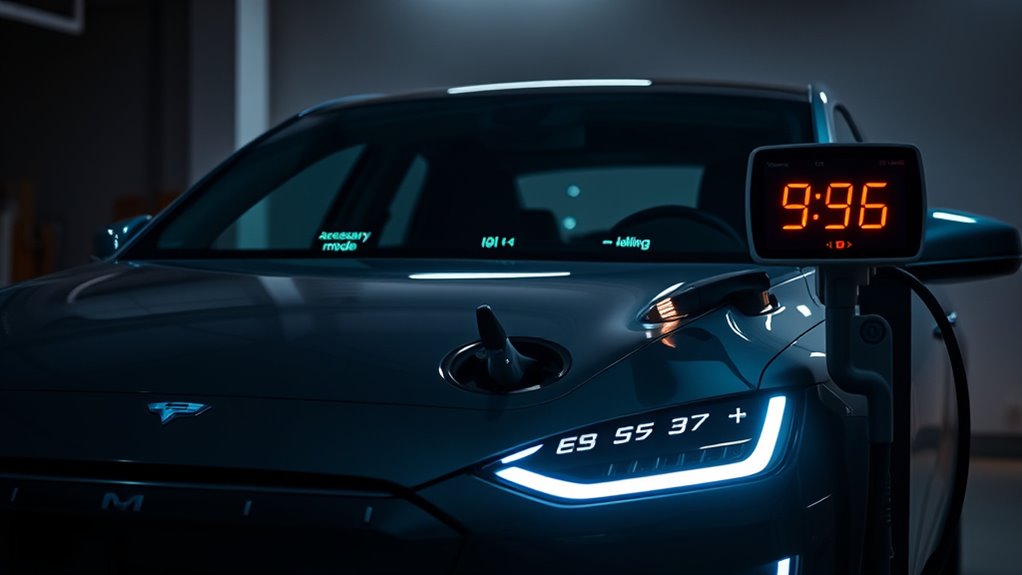
Understanding the basics of vehicle power modes is essential for safe and efficient operation. When you switch to accessory mode, your vehicle powers 12V accessories directly from the battery without running the engine. This mode is useful for quick stops, but it limits HVAC and drivetrain functions. Color accuracy impacts the overall image quality, and in vehicles, it can influence the clarity of dashboard displays and in-car entertainment systems. Additionally, the battery management systems in modern vehicles help monitor and optimize power usage to prevent premature battery failure. Proper understanding of European cloud solutions can help you choose the most sustainable practices for vehicle maintenance and energy consumption. Idling, with the engine on, uses the alternator to supply power, keeping the 12V battery charged and supporting full climate control. In EVs or hybrids, “ready” or “HVAC-ready” states mimic idling by using the high-voltage pack to run climate systems while maintaining the 12V system. Remember, accessory mode relies solely on the auxiliary battery, which can drain quickly during prolonged use, risking battery health. Being aware of vehicle power modes helps you make informed decisions to extend your vehicle’s lifespan and ensure safety during operations. Additionally, understanding Vetted – Serat Nest can provide further insights into maintaining vehicle components effectively.

12V 24V 48V 60V 84V Voltage Meter Waterproof IP67 Battery Capacity,LCD Digital Battery Monitor Fit for Golf Cart Car Motorcycle Truck Boat RV
Applicable batteries: FIT for lithium battery pack L03-L20; Lithium iron battery 4-24 series; Lead acid batteries 12V, 24V,…
As an affiliate, we earn on qualifying purchases.
As an affiliate, we earn on qualifying purchases.
Risks to the 12V Battery in Different Operating States

Operating a vehicle in accessory mode or while idling can pose significant risks to your 12V battery’s health. In accessory mode, all accessory power draws directly from the auxiliary battery without the alternator recharging it, increasing the risk of deep discharge. Prolonged use beyond 1–2 hours, especially with HVAC or electronics running, accelerates sulfation and reduces battery lifespan. Regularly draining the battery without proper recharge shortens its useful life and can lead to unexpected failures. Understanding industry trends and proper maintenance can help prevent battery failures and extend its operational life. Additionally, battery management practices are essential to optimize longevity in these operating conditions. Proper battery usage techniques can further mitigate these risks. It’s also important to monitor the battery’s voltage levels regularly to prevent unexpected shutdowns and ensure reliable operation. Idling, on the other hand, maintains or recharges the 12V battery via the alternator, minimizing these risks. However, extended idling consumes fuel and produces emissions. In EVs or hybrids, running climate systems while parked depletes the traction battery, indirectly stressing the 12V system. Proper battery maintenance routines can further reduce the risk of failure and prolong battery life.

EZRED BMK1914 5-Piece Battery Maintenance Kit
BATTERY MAINTENANCE KIT: This kit includes every tool that you'll need to service or change a battery in…
As an affiliate, we earn on qualifying purchases.
As an affiliate, we earn on qualifying purchases.
Environmental and Fuel Efficiency Considerations
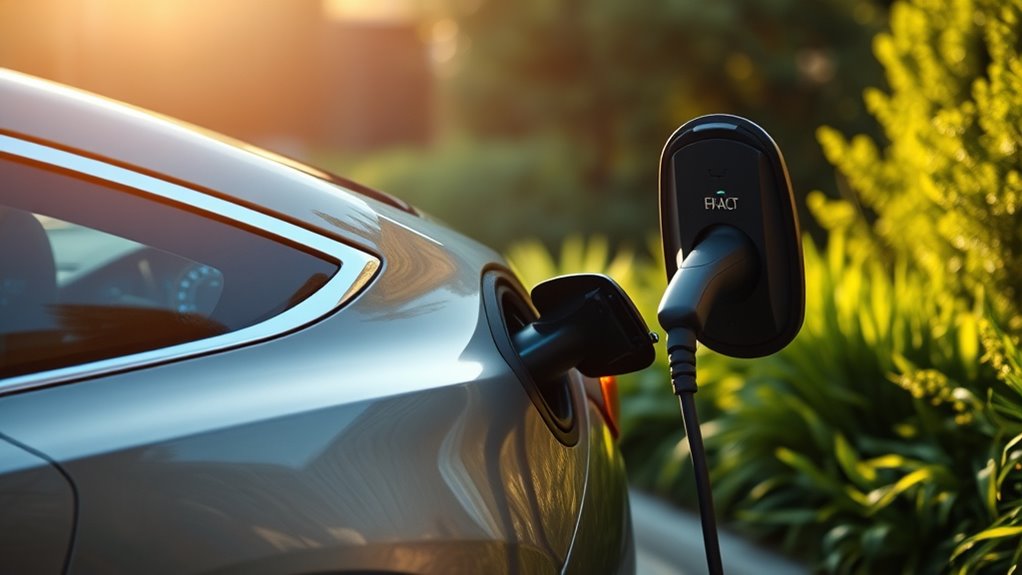
Choosing the right mode for stationary vehicle use can considerably impact both environmental emissions and fuel consumption. When you use accessory mode in an ICE vehicle, it doesn’t consume fuel, reducing tailpipe emissions compared to idling. Idling burns fuel continuously, releasing CO2 and pollutants, which adds up over time. For EVs, running climate control while parked draws energy from the traction battery, affecting range but not producing emissions directly. Short stops with minimal electronics generally favor accessory mode, saving energy and lowering emissions. However, extended idling or climate control use in EVs may be more efficient than repeatedly restarting the engine or draining the 12V battery. Always consider vehicle-specific guidance and local regulations to optimize environmental and fuel efficiency during stationary periods. Additionally, understanding power tool safety and efficiency principles can help optimize vehicle operation in maintenance and service scenarios.

RoyPow 30W PD Portable Charger with 12V 10A Constant Voltage Cigarette Lighter Socket, 86.58Wh USB C Laptop Power Bank, 18W QC & 12V DC Battery Pack, Perfect for Dash Cam or Camping(Upgraded Version)
【Huge Capacity & Universal Compatibility】: Total 86.58Wh, 3.7V 23400mAh (11.1V 7800mA ) enough for daily use. Weighting 630g…
As an affiliate, we earn on qualifying purchases.
As an affiliate, we earn on qualifying purchases.
Maintaining Comfort and Safety During Extended Stops
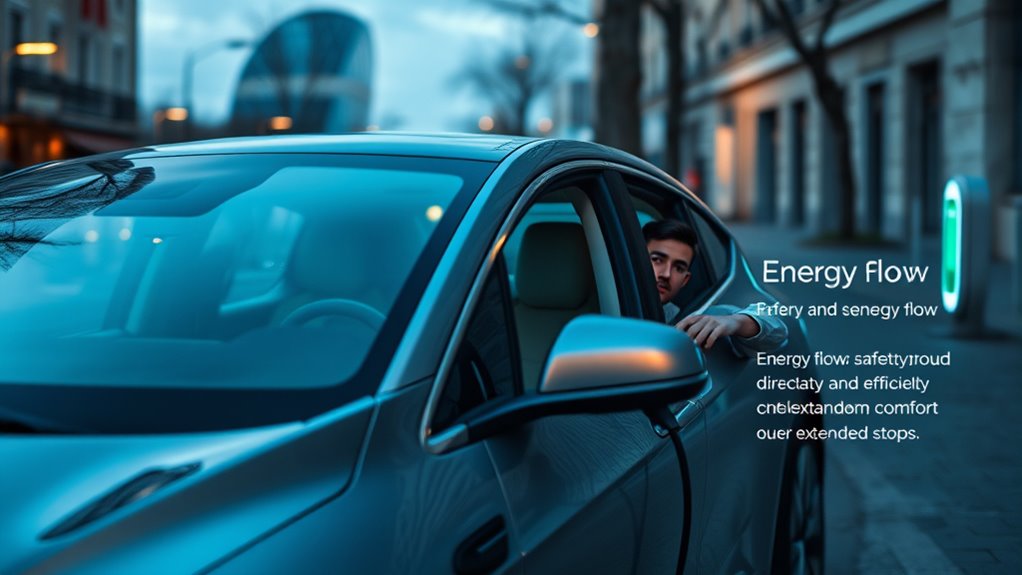
When planning to stay parked for an extended period, prioritizing both comfort and safety is essential. If you need climate control, idling or using your vehicle’s “ready” mode in an EV provides consistent heating or cooling, ensuring comfort without risking battery drain. For ICE vehicles, idling keeps the cabin at a stable temperature but consumes fuel and produces emissions. Accessory mode offers a quieter, fuel-free alternative, but it limits climate control and can drain your 12V battery quickly if used long-term. To stay safe, avoid prolonged accessory use without periodic engine starts or battery checks. In EVs, use manufacturer’s campground or climate-hold features, or plug in for power. Always monitor warning indicators and follow your vehicle’s manufacturer guidance to maintain safety and comfort during extended stops. Being aware of your vehicle’s power management system can help prevent unexpected shutdowns or battery depletion. Additionally, understanding your vehicle’s battery capacity and how it responds to extended accessory use can help optimize safety and efficiency. Being familiar with your vehicle’s energy consumption patterns can further help in planning extended stays without risking power loss. Moreover, knowing how vehicle energy flow operates can provide insight into conserving power during extended idling or accessory use. Regularly checking your vehicle’s battery health can also help prevent unexpected failures during long stops.
Best Practices for Using Accessory Mode and Idling Safely

To use accessory mode and idling safely, it’s important to follow manufacturer guidelines and monitor your vehicle’s warning indicators regularly. Limit accessory mode use to about two hours to prevent excessive 12V battery drain, especially if HVAC or electronics are active. For longer stops, consider idling or using EV “ready” mode if available, to maintain climate control and recharge the 12V system safely. Always start your engine or vehicle periodically—every 1–2 hours—to recharge the battery and avoid deep discharge damage. Avoid high electrical loads, like power inverters, unless your vehicle explicitly supports them. Keep an eye on warning lights and voltage levels, and follow local regulations regarding idling to ensure safety and compliance. Properly managing these modes protects your vehicle’s electrical health and minimizes risks. Understanding vehicle electrical systems helps ensure safe and effective use of accessory modes and idling practices.
Frequently Asked Questions
Can Running Accessories Drain the 12V Battery Faster Than Idling?
Running accessories can drain your 12V battery faster than idling if you use them for extended periods, especially without the engine running. Accessories draw power directly from the battery, and without the alternator recharging it during idling, this can lead to quicker depletion. To prevent battery issues, avoid long accessory use, monitor voltage levels, and restart your engine or vehicle periodically to recharge the 12V system.
Are There Vehicle Models That Automatically Switch off Accessory Power?
They say “better safe than sorry,” and many vehicle models do just that by automatically switching off accessory power. You might find that some cars turn off accessory sockets after a set time to prevent battery drain, especially if the vehicle senses prolonged inactivity. Always check your owner’s manual, because features vary by make and model—some may keep accessories live longer, while others shut them off sooner to protect your battery.
How Does Accessory Mode Impact Hybrid or Electric Vehicle Battery Health?
Accessory mode can negatively impact your hybrid or electric vehicle’s battery health if used excessively. It draws power from the 12V battery without the alternator or traction pack recharging it, risking deep discharge and sulfation. To protect your battery, avoid extended accessory use, especially with high loads. Instead, use “ready” or climate modes in EVs, or restart the engine in hybrids periodically, ensuring your battery stays healthy over time.
Is It Legal to Run Accessories Without Idling in My Area?
Are you wondering if running accessories without idling is legal where you are? Generally, yes, it’s legal, especially if your vehicle’s manufacturer allows accessory use without engine operation. Many regions prohibit unnecessary idling to reduce emissions, but accessory mode often doesn’t count as idling. Still, check local laws and your vehicle’s manual, as rules vary. To stay compliant, avoid long accessory runs in restricted areas and follow manufacturer guidelines.
What Safety Precautions Should I Take With High-Power Inverter Use During Stops?
When using a high-power inverter during stops, you should first guarantee your vehicle’s electrical system can handle the load safely. Avoid connecting devices exceeding the inverter’s rated capacity, and never leave the inverter unattended to prevent overheating or fire hazards. Keep the engine running or use the vehicle’s accessory mode with caution, monitoring your 12V battery voltage regularly. Also, check your owner’s manual for specific safety recommendations to protect your system.
Conclusion
Knowing the differences between idling and accessory mode helps you keep your car’s battery safe and your environment clean. Did you know that idling for just 30 minutes can waste over a quarter-gallon of fuel and produce harmful emissions? By choosing accessory mode when appropriate, you can save fuel, reduce emissions, and protect your battery. Stay informed and make smarter choices during extended stops to keep your vehicle running safely and efficiently.