TL;DR
Many abandoned oil and gas wells across the U.S. are being studied for potential use in geothermal energy production. Several states are passing laws and conducting studies to repurpose these sites, which could provide a new source of clean energy. However, technical and financial challenges remain.
Multiple U.S. states are actively investigating the potential to convert abandoned oil and gas wells into sources of geothermal energy, aiming to tap into existing subsurface infrastructure for clean power generation. This approach could help meet rising energy demands while reducing greenhouse gas emissions, making it a significant development in renewable energy efforts.
States such as Oklahoma, Alabama, North Dakota, and Colorado have introduced legislation or launched studies to evaluate repurposing inactive oil and gas wells for geothermal energy. Oklahoma’s Well Repurposing Act, for example, proposes a process for companies to buy and convert over 20,000 orphaned wells, which could be used for geothermal heat or underground energy storage. Similar measures are underway in Alabama and North Dakota, with Colorado conducting technical evaluations.
The concept leverages existing drilling infrastructure, with many wells already in place, potentially reducing costs and development time. However, technical challenges persist, including the generally lower underground temperatures of fossil fuel wells and the smaller volume of fluids produced, which complicate energy extraction. Experts note that high-temperature resources are critical for electricity generation, and most old wells may not meet these criteria without significant modifications.
Research efforts, such as a project at the University of Oklahoma, are testing how to convert these wells into sources of direct-use geothermal heat for local buildings. Funded by the U.S. Department of Energy, these pilot programs aim to demonstrate feasibility but are still in early phases, with some projects paused or awaiting further funding and regulatory approvals.
Why It Matters
This development could represent a substantial step toward expanding renewable energy sources in the U.S., utilizing existing infrastructure to generate clean power and reduce reliance on fossil fuels. If successful, converting old wells could help meet climate goals, create new economic opportunities, and address the environmental hazards posed by abandoned wells, such as groundwater contamination and methane leaks.
However, the technical hurdles and high costs mean widespread adoption remains uncertain. The success of pilot projects and supportive legislation will be critical in determining whether this approach becomes a mainstream energy solution.

Fundamentals of Geothermal Heat Pump Systems: Design and Application
As an affiliate, we earn on qualifying purchases.
As an affiliate, we earn on qualifying purchases.
Background
Millions of inactive oil and gas wells are scattered across the U.S., many of which are orphaned or poorly maintained, posing environmental risks. While the oil and gas industry has historically focused on extraction, recent interest has shifted toward repurposing these sites for geothermal energy, a renewable resource gaining momentum due to technological advances and policy support. Several states have introduced legislation to facilitate this transition, inspired by similar efforts in New Mexico and ongoing research at academic institutions.
“These wells are a liability, and there may be a way to turn them into revenue-generating assets, which could motivate more efforts to address them.”
— Dave Tragethon, Well Done Foundation
“While technically promising, converting old wells to geothermal energy faces significant hurdles, including temperature limitations and costs.”
— Emily Pope, Center for Climate and Energy Solutions
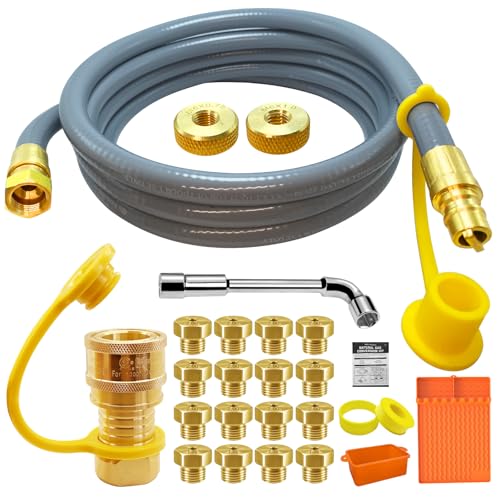
5249 Natural Gas Conversion Kit for Blackstone Grill 28" 36" Griddle, Propane to Natural Gas Conversion Kit w/10ft Natural Gas Hose, Silicone Grill Tool Mat, Grease Cup Liners, 3/8" Quick Connect Etc.
For Blackston Natural Gas Conversion Kit-for Blackstone Gas Conversion Kit Compatibility: This BBQHKCX natural gas to propane conversion…
As an affiliate, we earn on qualifying purchases.
As an affiliate, we earn on qualifying purchases.
What Remains Unclear
It remains unclear how many abandoned wells will be suitable for geothermal conversion, given temperature and volume constraints. The economic viability of large-scale repurposing is also uncertain, pending further pilot results and technological breakthroughs. Regulatory frameworks and funding mechanisms are still evolving, and the timeline for potential widespread deployment is uncertain.
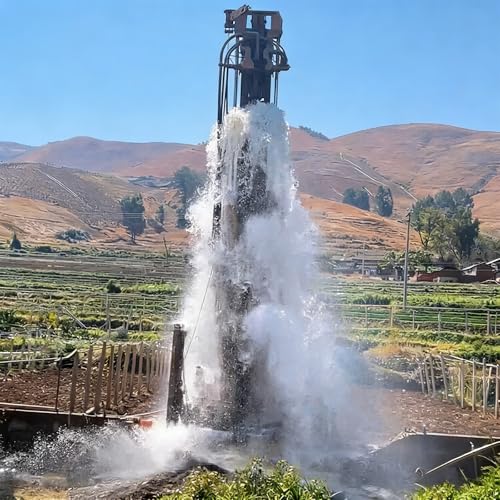
Hydraulic Crawler Water Well Drilling Rig, Deep Borewell Drilling Machine with DTH Hammer, Portable Industrial Borehole Drill Equipment for Farm Irrigation, Construction & Geothermal
Please Note: We have different model and configuration of the drilling rig. The prices listed are not final….
As an affiliate, we earn on qualifying purchases.
As an affiliate, we earn on qualifying purchases.
What’s Next
Next steps include advancing pilot projects, securing funding, and refining technologies to improve the feasibility of converting old wells. Legislative efforts will continue to shape the regulatory environment, while researchers aim to demonstrate practical applications. Monitoring these developments over the next 1-2 years will be key to assessing the approach’s viability.

Renewable Energy Systems
As an affiliate, we earn on qualifying purchases.
As an affiliate, we earn on qualifying purchases.
Key Questions
Can old oil and gas wells produce enough heat for geothermal energy?
Many old wells have lower underground temperatures, which may limit their ability to generate significant power. However, some sites with higher temperatures could be suitable for direct-use heat or hybrid systems.
What are the main technical challenges in converting abandoned wells to geothermal energy?
Challenges include low reservoir temperatures, small fluid volumes, and the need to prevent mixing of harmful elements with working fluids. Cost and infrastructure modifications are also significant hurdles.
How much would it cost to convert an abandoned well into a geothermal energy source?
Conversion costs vary widely, but fixing a single old well can range from $75,000 to over $150,000, depending on location and complexity. Large-scale projects may require substantial investment.
Are there any successful examples of old wells being used for geothermal energy?
While pilot projects are underway, widespread commercial success is still emerging. Some projects, like at the University of Oklahoma, are in early testing phases.