
To guarantee your backup power setup is safe, regularly inspect and maintain generators, checking for oil leaks, worn parts, and proper safety feature operation. Handle batteries carefully, store them in ventilated areas, and secure connections to prevent hazards. Verify electrical system grounding, inspect wiring, and test transfer switches. Operate generators outdoors, keep exhaust clear, and have fire extinguishers nearby. Proper documentation and routine safety checks are essential. Stay aware of best practices to protect personnel and equipment — more tips await you.
Open a free Amazon Business account
Business pricing, bulk buying and tax-exempt orders.
As an affiliate, we earn on qualifying purchases.
Key Takeaways
- Regularly inspect and maintain generators, including safety features and fuel systems, to prevent malfunctions and fire hazards.
- Ensure proper handling, storage, and secure mounting of batteries to avoid leaks, short circuits, and explosions.
- Verify that all electrical wiring and grounding comply with safety standards to reduce shock and surge risks.
- Operate generators outdoors or in well-ventilated areas, keeping exhausts clear to prevent carbon monoxide buildup.
- Keep detailed records of maintenance, safety checks, and system tests to monitor performance and ensure compliance.
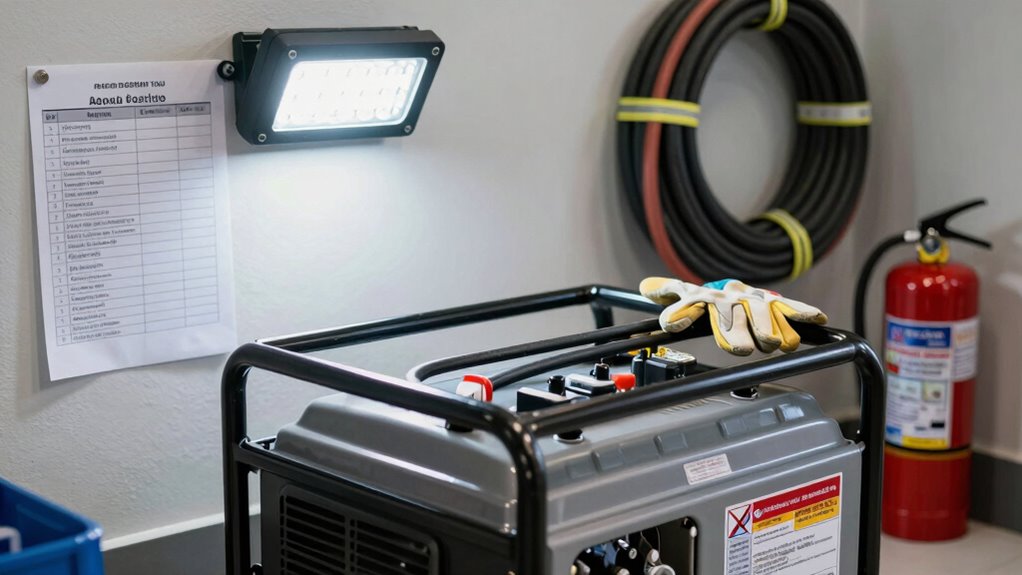
When it comes to backup power systems, safety should always be your top priority. Whether you’re installing a generator or managing batteries, proper safety protocols protect you and ensure your system operates reliably. One of the most critical aspects is regular generator maintenance. You should schedule routine inspections to check for oil leaks, fuel levels, and worn-out parts. Keeping your generator clean and in good working order prevents unexpected failures during emergencies. Always follow the manufacturer’s guidelines for maintenance tasks, and don’t skip inspections—neglecting these can lead to dangerous malfunctions or fire hazards.
Handling batteries requires equal caution. Battery handling might seem straightforward, but it involves risks like chemical leaks, electrical shocks, or even explosions if not managed carefully. Always wear protective gloves and safety goggles when working with batteries, especially during installation or maintenance. Make sure batteries are stored in well-ventilated areas to prevent the buildup of potentially explosive gases. When connecting or disconnecting batteries, do so carefully, following the correct procedures to avoid short circuits or sparks. Properly securing batteries prevents accidental tipping or damage that could lead to leaks or fires. Use insulated tools and avoid contact with metal objects that could cause a short circuit. Regularly inspecting the battery storage area helps prevent hazardous conditions. Additionally, ensuring proper ventilation minimizes the risk of gas buildup during maintenance. Regularly checking for chemical leaks and ensuring that safety features like drip trays are in place can further reduce risks associated with battery use.
Handle batteries with care: wear protective gear, ensure proper storage, and follow correct procedures to prevent hazards.
A comprehensive safety checklist also includes ensuring your backup power setup is correctly grounded. Proper grounding reduces electrical hazards and protects your equipment from power surges. You should verify that all wiring is secure, insulated, and compliant with local electrical codes. Regularly test your system’s transfer switches and circuit breakers to confirm they function correctly. This step helps prevent overloads and ensures your backup system kicks in seamlessly when needed.
Ventilation is another vital factor. Generators produce carbon monoxide, a deadly gas if it accumulates indoors or in poorly ventilated spaces. Always operate generators outdoors or in well-ventilated areas, and keep exhaust pipes clear of obstructions. Additionally, keep fire extinguishers nearby, specifically rated for electrical or fuel fires, and ensure everyone involved knows how to use them. Regularly inspecting your system’s safety features ensures they will function properly during an emergency. Regular maintenance and inspections of these features can prevent failure during critical moments.
Finally, document your maintenance activities, safety checks, and system tests. Keeping detailed records helps you track the system’s health over time and quickly identify recurring issues. Regularly review safety procedures with all users to reinforce best practices. By following these safety protocols diligently, you not only protect yourself but also ensure your backup power system performs reliably when you need it most.

GenCap Generator Interlock Kit Compatible with Square D Homeline Meter Main 150 or 200 amp Breaker, for Safe Usage of Portable Power During Outage
- Compatibility: Compatible with Square D Homeline 150/200A
- Safety Feature: Prevents simultaneous utility and generator power
- Package Includes: Interlock kit, labels, zip ties, instructions, drill bit
As an affiliate, we earn on qualifying purchases.
As an affiliate, we earn on qualifying purchases.
Frequently Asked Questions
How Often Should Backup Power Systems Be Inspected?
You should inspect your backup power systems at least quarterly to guarantee reliable operation. Regular maintenance schedules help identify potential issues early. Use proper inspection techniques, such as checking battery health, testing transfer switches, and reviewing fuel levels. Consistent inspections prevent unexpected failures and extend system lifespan. By adhering to a routine, you keep your backup power ready when you need it most, ensuring safety and continuous operation during outages.
Can Portable Generators Be Used for Permanent Backup Power?
You can’t rely on portable generators for permanent backup power, especially considering safety compliance and weather impact. For example, a business used a portable generator long-term but faced safety issues during storms, risking damage and outages. Portable generators are designed for temporary use and aren’t built to handle continuous operation or harsh weather conditions. For a reliable, safe, permanent backup, invest in a standby generator specifically designed for long-term, weather-resistant power supply.
What Are Common Signs of Backup Power System Failure?
You’ll notice signs of backup power system failure if the system doesn’t activate during a power outage or if it runs but doesn’t supply consistent power. Regular system maintenance helps catch issues early, like strange noises or warning lights. Pay attention to unusual smells or smoke, and verify your system’s components are functioning properly. Staying vigilant improves emergency preparedness and ensures your backup power remains reliable when you need it most.
Are There Specific Safety Certifications for Backup Power Equipment?
Yes, there are specific safety certifications for backup power equipment. You should look for devices that meet recognized Safety standards like UL, CE, or ISO certifications, which guarantee they comply with safety and performance requirements. Certification requirements vary by region but generally confirm that the equipment has undergone rigorous testing. Always verify these certifications before installation to ensure your backup power system operates safely and reliably during outages.
How Does Weather Affect Backup Power System Safety?
You might find it ironic that weather hazards can unexpectedly compromise your backup power system’s safety. Heavy rain, snow, or lightning can cause power surges, damaging equipment or triggering failures. Cold temperatures might freeze batteries, reducing their efficiency, while storms can lead to outages or physical damage. Staying vigilant and shielding your system from these weather-related risks guarantees it remains reliable during emergencies, safeguarding your home or business.
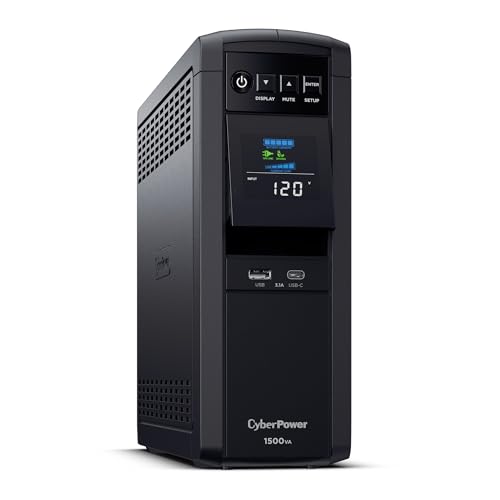
CyberPower CP1500PFCLCD PFC Sinewave UPS Battery Backup and Surge Protector, 1500VA/1000W, 12 Outlets, AVR, Mini Tower, UL Certified
- Power Capacity: 1500VA/1000W PFC sine wave UPS
- Outlets: 12 outlets with surge protection
- USB Charging: 1 Type-A and 1 Type-C ports
As an affiliate, we earn on qualifying purchases.
As an affiliate, we earn on qualifying purchases.
Conclusion
By following this backup power safety checklist, you’ll keep your setup as secure as a fortress. Think of it as your personal shield against unexpected outages and hazards. Regular inspections, proper grounding, and clear labeling are your best tools to prevent mishaps. Stay vigilant and proactive—because a safe backup system isn’t just about power; it’s about peace of mind, like a lighthouse guiding you safely through a storm.

100A Generator Transfer Switch,24000W General-Duty Double-Throw Safety Switch,120/240-Volt Transfer Switches,Stronger Stability Manual Transfer Switches,NEMA 3R Standards for Outdoor and Indoor
- Amperage Capacity: 100 amps for reliable power switching
- Power Handling: 24000W for high-demand appliances
- Easy Operation: Simple lever for seamless power transfer
As an affiliate, we earn on qualifying purchases.
As an affiliate, we earn on qualifying purchases.

Windigaga 10 Inch Shutter Exhaust Fan, 890 CFM High-Speed Wall Mounted Exhaust Fan, 45dB Quiet Cooling Ventilation Attic Fan for Shed, Garage, Greenhouse, Basement, Chicken Coop, Generator Room, Black
- Size: 10-inch exhaust fan for efficient airflow
- Airflow Capacity: Up to 890 CFM for rapid ventilation
- Quiet Operation: Below 45 dB noise level
As an affiliate, we earn on qualifying purchases.
As an affiliate, we earn on qualifying purchases.
Back to school Picks
back to school
As an affiliate, we earn on qualifying purchases.