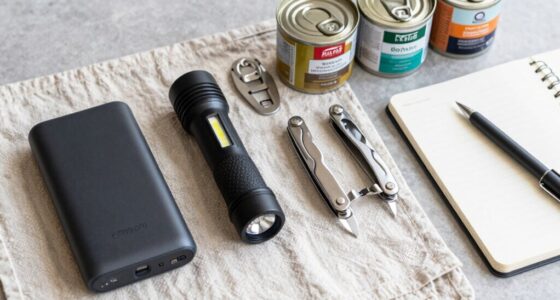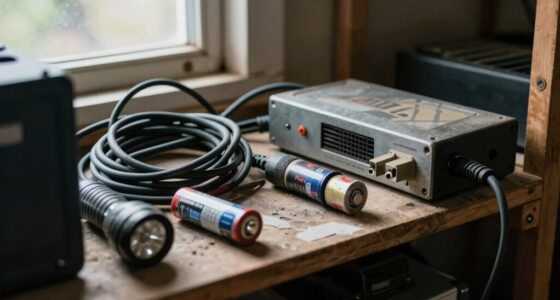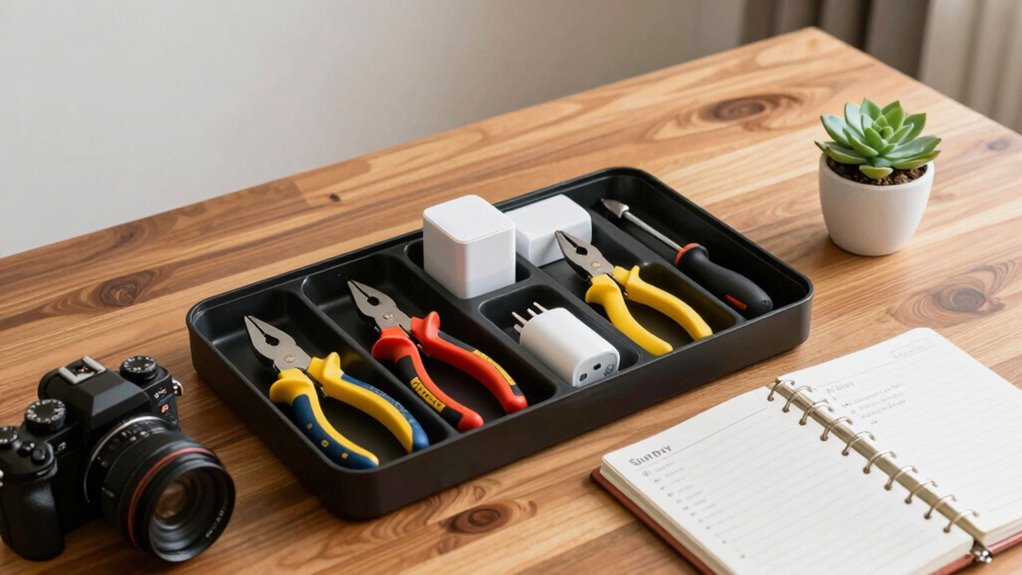

Each Sunday, spend 15 minutes checking and organizing your power kit to stay prepared. Start by inspecting batteries for corrosion or leaks and replace or recharge them if needed. Test all devices like flashlights and chargers to guarantee they work. Clean terminals and repair any damaged cords. Store everything in a cool, dry place, keeping items accessible for emergencies. Follow this routine consistently, and you’ll make certain your power kit remains reliable—more tips to come!

Get backup power and energy gear delivered free with Prime
- Fast, free delivery on millions of items
- Prime Video, Amazon Music and more included
- Member-only deals all year
Key Takeaways
- Allocate 15 minutes each Sunday to inspect and test all power kit items for functionality.
- Check batteries for corrosion, leaks, or swelling; replace or recharge as needed.
- Organize and restock essential items to ensure quick access during emergencies.
- Inspect cords and chargers for damage, repairing or replacing faulty components promptly.
- Store the kit in a cool, dry place, and review its contents to maintain readiness for the week ahead.
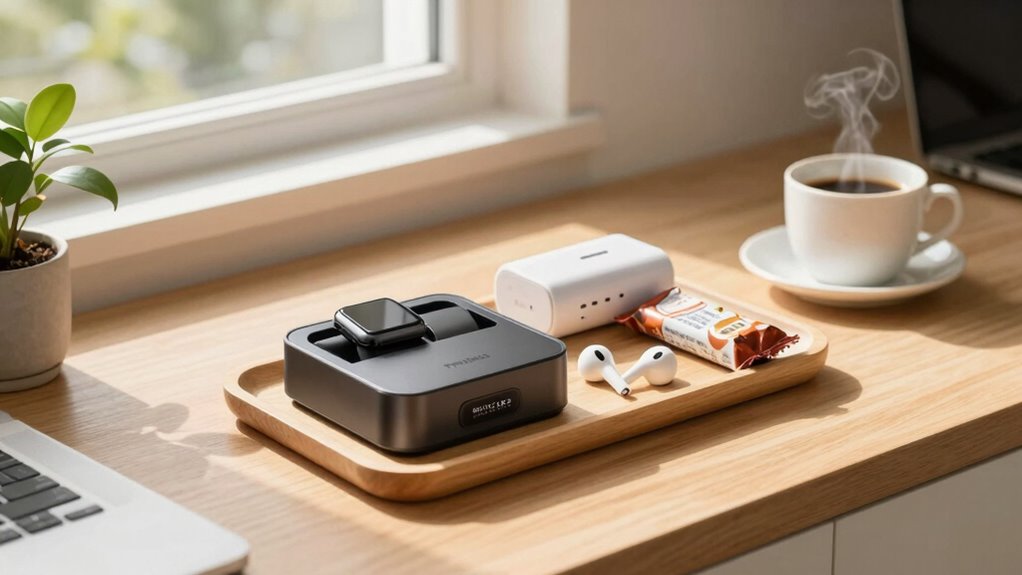
Sundays are the perfect day to reset and prepare for the week ahead, and you don’t need hours to do it. With just 15 minutes, you can ensure your power kit is ready to go whenever you need it. Start by gathering everything: your batteries, chargers, flashlights, and any other essential gear. This quick organization sets the tone for a smooth week, saving you time and stress later.
Once your items are assembled, focus on battery maintenance. Check each battery for signs of corrosion, leaks, or swelling. If you notice any issues, replace or properly dispose of the faulty batteries. Clear away any corrosion with a mixture of baking soda and water, and ensure the terminals are clean and free of debris. Proper battery maintenance not only prolongs the life of your devices but also guarantees they’ll perform at their best when you need them most. After cleaning, verify that all batteries are fully charged. If you have rechargeable batteries, plug in your chargers and make a mental note to recharge them during the week or over the next few days. Maintaining battery health can significantly extend your device’s operational lifespan and readiness for emergencies.
Next, perform safety checks on your entire power kit. Make sure all cords are intact, undamaged, and free of frays. Inspect your flashlight batteries, power banks, and chargers for any cracks or exposed wiring. This quick safety assessment helps prevent potential hazards. If you find anything suspicious, replace or repair the affected items immediately. Also, confirm that your power kit is stored in a cool, dry place, away from direct sunlight or extreme temperatures that could damage your gear or reduce battery life. It’s also important to understand battery lifespan and how it affects your readiness, so you can replace batteries proactively.
While you’re at it, test your flashlights and portable devices to ensure they work. Turn on each device, check the batteries, and replace or recharge as needed. This simple step guarantees that when an emergency arises, your equipment will be reliable. Take a moment to organize your kit, placing everything in accessible spots so you can grab it quickly if needed.
As an affiliate, we earn on qualifying purchases.
Frequently Asked Questions
Can I Customize the Power Kit for Different Activities?
Yes, you can customize your power kit for different activities. You should explore the customization options to include activity-specific tools that suit each task. For example, you might add extra charging cables for travel or specific gadgets for work projects. Regularly reevaluate your kit to guarantee it stays aligned with your needs. This way, your power kit remains efficient, versatile, and ready for any activity you pursue.
What Tools Are Essential for the Power Kit?
Think of your power kit as a well-tuned engine—essential tools keep it running smoothly. You need a screwdriver, pliers, and a multi-tool for versatility. Don’t forget battery maintenance supplies like spare batteries and a charger. Keep everything organized with a small toolbox or pouch, so you can quickly find what you need. This setup guarantees you’re always ready, much like a car that’s always prepared for a road trip.
How Often Should I Update My Power Kit?
You should update your power kit at least every six months to guarantee battery maintenance and emergency preparedness. Regularly check and replace any expired batteries, refresh essential supplies, and review your equipment’s condition. This routine helps prevent surprises during emergencies and keeps your power kit reliable. Staying proactive ensures you’re always ready to handle unexpected situations, giving you peace of mind knowing your kit is current and functional when you need it most.
Is This Routine Suitable for Beginners?
Yes, this routine is perfect for beginners. It offers beginner tips and an easy setup, making it simple for anyone to follow. You don’t need special skills or equipment, just a few minutes each Sunday. By sticking to this quick routine, you’ll stay organized and guarantee your power kit is always ready for emergencies or daily use. It’s a straightforward way to build good habits without feeling overwhelmed.
How Do I Store My Power Kit Safely?
You should store your power kit in a cool, dry place away from direct sunlight to prevent battery degradation. Regular battery maintenance, like charging and discharging as recommended, guarantees safety and longevity. Follow safety precautions by keeping batteries away from flammable materials and handling them with care. Using a dedicated container or case also helps protect your kit from damage, making sure your power sources stay reliable and safe for future use.
portable LED flashlight rechargeable
As an affiliate, we earn on qualifying purchases.
As an affiliate, we earn on qualifying purchases.
Conclusion
Stick to this 15-minute Sunday routine, and you’ll keep your power kit in top shape without breaking a sweat. It’s a small investment of time that pays big dividends, ensuring you’re always prepared for whatever comes your way. Think of it as tending your garden—you’ll reap the benefits when you need them most. So, make it a habit, and you’ll stay one step ahead, ready to face any challenge head-on.
battery tester for AA and AAA batteries
As an affiliate, we earn on qualifying purchases.
As an affiliate, we earn on qualifying purchases.
As an affiliate, we earn on qualifying purchases.
Fall Picks
fall essentials
As an affiliate, we earn on qualifying purchases.