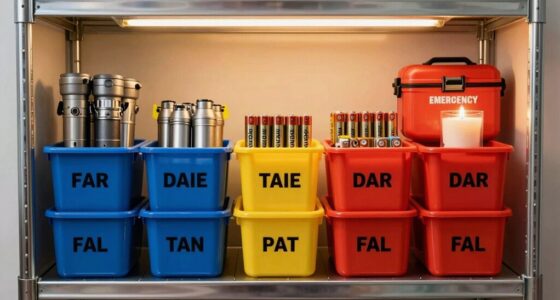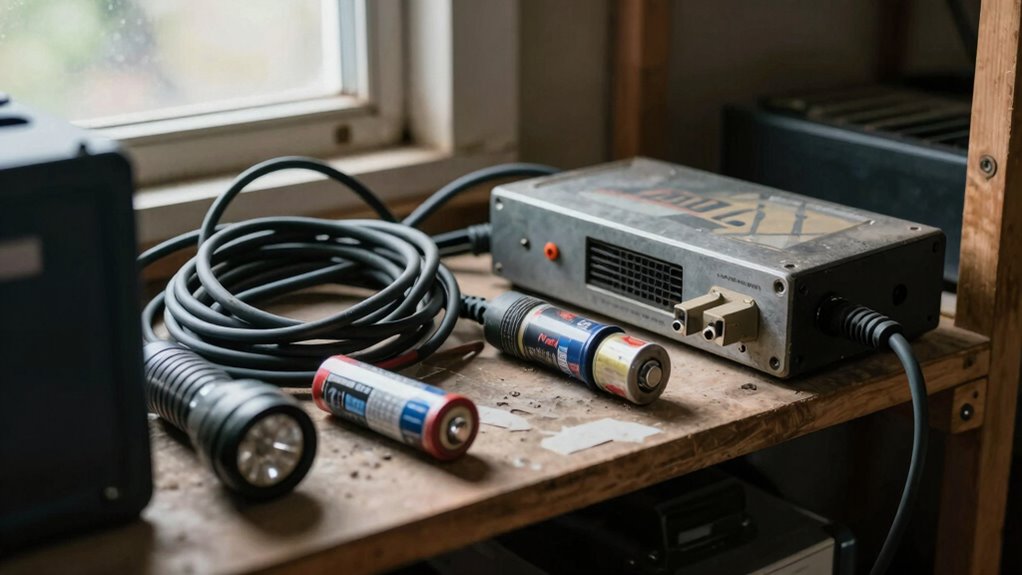

Your backup power plan often fails before a storm because you might overlook routine maintenance, leading to system malfunctions. Poor planning, like untested equipment or faulty connections, also increases risks. Additionally, degraded fuel affects generator performance when it’s most critical. Regular checks, testing under load, and fuel stabilization are essential but often neglected. Staying proactive and aware helps guarantee your system works when you need it most—keep going to discover how to better prepare.

Get backup power and energy gear delivered free with Prime
- Fast, free delivery on millions of items
- Prime Video, Amazon Music and more included
- Member-only deals all year
Key Takeaways
- Neglecting routine maintenance leads to undetected system malfunctions before an outage.
- Insufficient testing under load conditions can hide potential failures.
- Using stale or poor-quality fuel causes startup issues and unreliable performance.
- Lack of proactive inspections allows worn or corroded parts to cause breakdowns.
- Inadequate planning and preparedness prevent timely detection of system weaknesses.
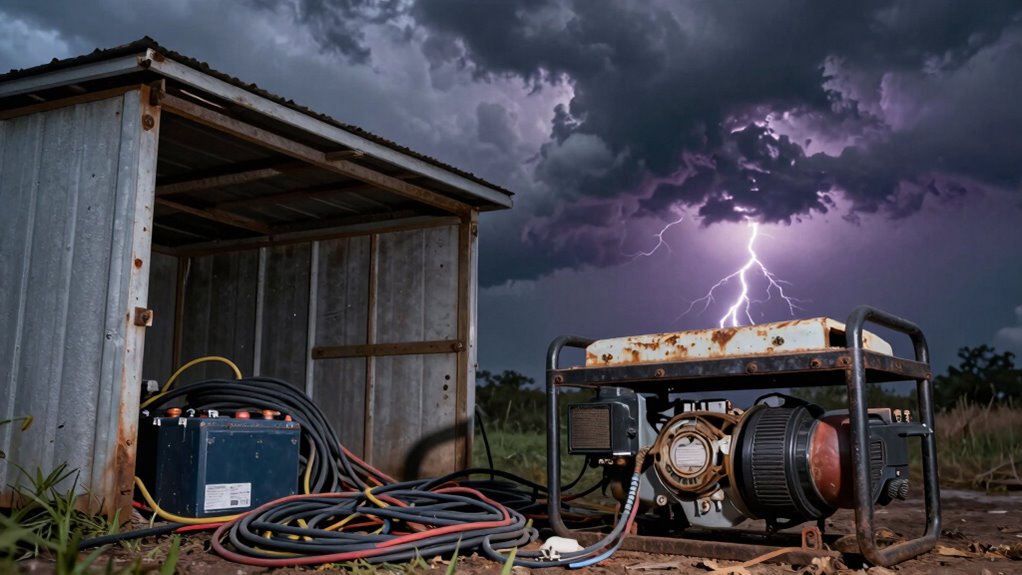
Did the backup power plan fail just before the storm hit? If you’ve ever experienced this, you know how frustrating it can be. You prepare for the worst, expecting your generator to kick in when power outages strike, but sometimes, it just doesn’t. The truth is, many backup power systems fail at the worst moment because of overlooked maintenance issues or poor planning. When a storm approaches, you want to feel confident that your generator will operate smoothly, providing essential electricity when the grid goes down. But neglecting routine generator maintenance can leave you stranded in the dark, even before the storm begins.
Power outages are unpredictable, but their impact can be minimized with a reliable backup power plan. The problem often starts long before the storm arrives. If you haven’t scheduled regular generator maintenance, your system may be prone to failure. Gasoline or diesel generators need periodic inspections, oil changes, and testing to ensure they’ll start up and run efficiently. Rust, dirt, or worn-out parts can cause a generator to malfunction or refuse to start when you need it most. Many people assume that once the generator has worked in the past, it will always work, but that’s a dangerous assumption. Over time, parts degrade, and fuel can become stale, leading to unexpected breakdowns.
Another common mistake is failing to test your backup system under load conditions. You might run the generator for a few minutes once a year, but that’s not enough. To truly know if it will hold up during a power outage, you need to test it for an extended period and under real-world conditions. This helps identify issues like faulty connections, low fuel levels, or weak batteries in automatic transfer switches. When storms are imminent, you don’t want to find out that your generator won’t start or can’t sustain the necessary power. Additionally, understanding generator maintenance and ensuring it’s up to date can prevent many of these failures. Planning ahead means not just installing a backup generator but maintaining it regularly and testing it thoroughly. Proper system testing can reveal potential problems before they become critical, saving you from unexpected failures. Regular preventative maintenance, including fuel stabilization, can significantly enhance your generator’s reliability. Being aware of fuel quality and how it affects generator performance is crucial for ensuring your system’s readiness. When you do this, you’re less likely to face surprises just before the storm, ensuring your power stays on when it’s needed most.
As an affiliate, we earn on qualifying purchases.
Frequently Asked Questions
How Often Should I Test My Backup Power System?
You should test your backup power system at least twice a year. Regular testing helps you monitor battery lifespan and guarantee fuel storage remains sufficient. During these tests, check that batteries hold a charge and that fuel supplies are adequate and uncontaminated. This proactive approach prevents surprises during an outage, giving you confidence your system will operate when needed most. Consistent testing keeps your backup power plan reliable and ready.
What Are Common Mistakes in Backup Power Planning?
You might think your backup power plan is foolproof, but common mistakes like poor generator placement and inadequate fuel storage can leave you vulnerable. Avoid placing your generator where it’s exposed to elements or prone to flooding, and don’t underestimate the importance of ample, safely stored fuel. These oversights can cause your system to fail when you need it most, so plan carefully and regularly review your setup.
Can Portable Generators Fully Replace Backup Systems?
Portable generators can’t fully replace backup systems because they often lack fuel efficiency and may produce high noise levels, which can be disruptive. While useful for short-term power needs, they might not provide consistent, reliable backup during extended outages. Plus, their noise can disturb your household or neighbors. For a thorough backup, consider a more permanent system designed for efficiency and quiet operation, ensuring your power stays on when you need it most.
How Long Can a Backup Power Source Sustain My Home?
Your backup power source can sustain your home for varying durations depending on the battery lifespan and fuel storage. If you rely on batteries, they typically last several hours to a day before needing recharging or replacement. Fuel-powered systems can run for days or even weeks, provided you have sufficient fuel stored. To guarantee continuous power, regularly monitor your system’s battery health and maintain an adequate fuel supply.
What Maintenance Is Required for Backup Power Equipment?
Think of your backup power equipment as a garden that needs regular tending. You should check battery lifespan and replace batteries before they fail. For fuel-powered generators, guarantee fuel stability by adding stabilizers and running the engine periodically. Keep filters clean, inspect connections, and test your system regularly. Proper maintenance prevents surprises, so your backup power stays reliable when storms strike.
automatic transfer switch tester
As an affiliate, we earn on qualifying purchases.
As an affiliate, we earn on qualifying purchases.
Conclusion
So, don’t wait for the storm to hit before you get your backup power plan in gear. Think of it like a knight preparing for battle—your readiness today guarantees you won’t be caught off guard when chaos strikes. Remember, even the most legendary heroes didn’t wait until the last minute. Stay proactive, test your systems, and keep your emergency kit handy. After all, fortune favors the prepared—before the storm’s clouds gather.
As an affiliate, we earn on qualifying purchases.
load bank testing for generators
As an affiliate, we earn on qualifying purchases.
As an affiliate, we earn on qualifying purchases.
Halloween Picks
halloween
As an affiliate, we earn on qualifying purchases.