To prep for short outages without overbuying, focus on essential supplies like a charged power bank, a battery-powered radio, and simple communication plans with your family. Stock non-perishable foods and bottled water in organized containers, keeping everything accessible. Keep small flashlights and fresh batteries handy, and review your plan regularly. Staying organized and practical helps you prepare confidently without excess gear—if you want to find out more, there are helpful tips ahead.
Get ready for Prime Big Deal Days — try Prime free
Exclusive member deals on October 6–7, plus fast free delivery. Cancel anytime.
As an affiliate, we earn on qualifying purchases.
Key Takeaways
- Focus on essential items like batteries, water, and non-perishable foods rather than excess gadgets.
- Regularly review and rotate supplies to prevent waste and ensure readiness.
- Develop simple communication and safety plans to minimize the need for multiple devices.
- Organize supplies in accessible containers to avoid unnecessary purchases and streamline access.
- Practice emergency routines periodically to build confidence without overstocking unnecessary gear.
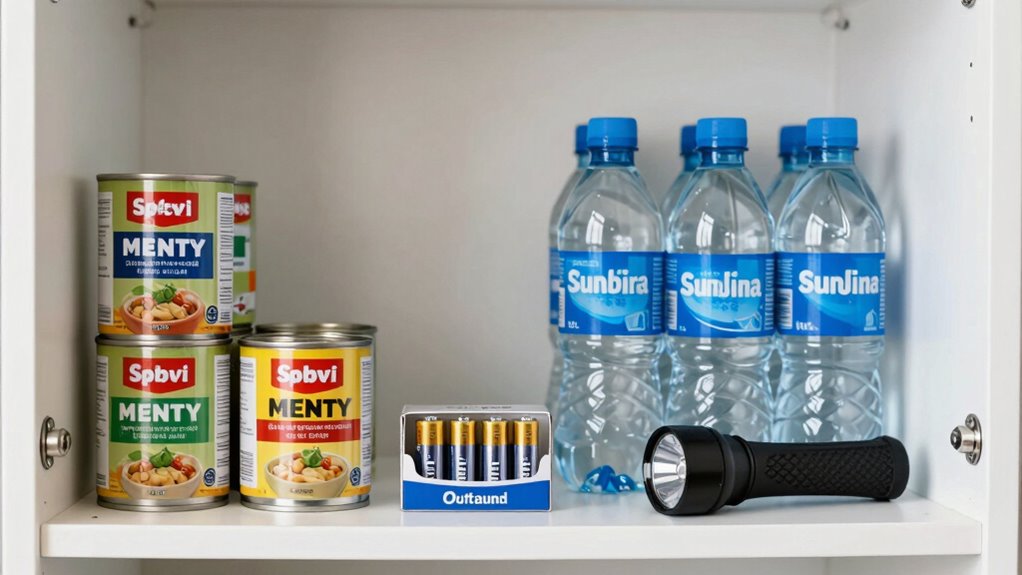
Short outages can happen unexpectedly, but preparing for them doesn’t mean you need to stockpile every gadget on the market. Instead, focus on practical, essential steps to stay safe and connected during brief disruptions. One of the most important aspects is guaranteeing you have reliable emergency communication methods. Keep a portable charger or power bank charged and ready, so your phone stays operational even if the power goes out. Consider investing in a battery-powered or hand-crank radio. These devices don’t rely on electricity and can keep you informed about weather alerts or emergency updates. Having a simple, accessible communication plan with family members is equally critical. Make certain everyone knows how to reach each other, whether through text, calls, or designated meeting points. This way, you reduce confusion and stay connected when it matters most.
Food storage strategies also play a key role in short outages. You don’t need a fully stocked pantry, but having essentials on hand can make a big difference. Opt for non-perishable foods that require minimal preparation—canned goods, dried fruits, nuts, and granola bars are excellent options. Store them in a cool, dry place where they’re easy to access. To maximize space, consider using clear containers or baskets to organize your supplies. Remember to keep a manual can opener nearby if your canned goods don’t have pull tabs. Having a few bottles of water stored for each family member is equally essential. Aim for at least a gallon per person per day, and rotate your stock regularly to ensure freshness. Additionally, understanding the importance of emergency preparedness can help you stay calm and organized when a short outage occurs. Incorporating some basic emergency supplies into your routine can also boost your confidence during unexpected disruptions. Being familiar with your local weather alerts and knowing how to interpret them can further enhance your readiness.
In addition to emergency communication and food storage, think about simple ways to prepare without overbuying. For instance, keep a small flashlight or headlamp in easily reachable spots and guarantee batteries are fresh. Stock up on basic toiletries and hygiene supplies as part of your minimal preparation. Remember, the goal isn’t to create a fortress of gadgets but to guarantee that you can handle short outages comfortably and safely with what you already have. Regularly review and update your supplies, and practice your emergency plan so everyone knows what to do. With a little thoughtful planning, you can navigate short outages confidently without cluttering your home with unnecessary gear.
As an affiliate, we earn on qualifying purchases.
Frequently Asked Questions
How Do I Determine the Right Amount of Supplies for Short Outages?
To determine the right amount of supplies, assess your household’s needs and the typical outage duration. Include essentials like an emergency kit with food, water, and medications, plus a power backup device. Consider your family size and any special needs. Keep enough supplies to last a few days, but avoid overstocking. Regularly update your kit and check power backup devices to make sure they’re ready when needed.
What Are the Most Essential Items to Have on Hand?
You need an emergency kit, power backup, and essential supplies. Keep a well-stocked emergency kit with water, non-perishable food, first aid, and flashlights. Make sure you have a reliable power backup like a portable charger or generator to keep devices running. Include batteries, candles, and warm clothing to stay safe and comfortable. Prioritize these essentials to handle short outages confidently and avoid unnecessary overbuying.
How Often Should I Check and Update My Emergency Supplies?
You should check and update your emergency supplies at least every six months. During these reviews, participate in community drills to test your readiness and identify gaps. Also, review your insurance coverage to guarantee it’s adequate for potential emergencies. Regular updates help you stay prepared, avoid overbuying, and ensure your supplies remain functional and relevant. Staying proactive keeps you ready for short outages without unnecessary expenses.
Are There Budget-Friendly Ways to Prepare Without Overspending?
Think of prepping as planting seeds—you don’t need a forest overnight. You can find cost-effective solutions through budget shopping, comparing prices, and choosing versatile gear. Look for sales, use coupons, and buy in bulk when possible. Prioritize essential items first, then gradually build your supplies. This way, you stay prepared without overspending, creating a resilient setup that fits your budget like a glove.
How Can I Store Emergency Gear to Maximize Space and Accessibility?
You can maximize space and accessibility by choosing smart storage solutions like stackable bins and wall-mounted shelves. Use clear containers so you can see your gear easily, and label everything for quick access. Store frequently used items in easily reachable spots, while less-needed gear can go higher or further back. Accessibility tips include creating a dedicated emergency kit area, keeping essentials close, and regularly checking your supplies to stay prepared.
portable power bank for emergencies
As an affiliate, we earn on qualifying purchases.
As an affiliate, we earn on qualifying purchases.
Conclusion
Stay calm and stay prepared, like a gardener tending to your own backyard. You don’t need a storm cellar full of supplies—just enough to weather a brief lull. Think of your gear as a well-tuned instrument, ready to play when the power dims. With a little planning, you’ll dance through short outages smoothly, knowing you’ve got just what you need without the weight of excess. Ready to face the dark, confident and light on your feet.
non-perishable food storage containers
As an affiliate, we earn on qualifying purchases.
As an affiliate, we earn on qualifying purchases.
As an affiliate, we earn on qualifying purchases.
Fall Picks
fall essentials
As an affiliate, we earn on qualifying purchases.