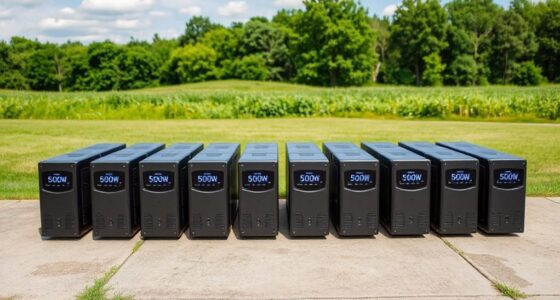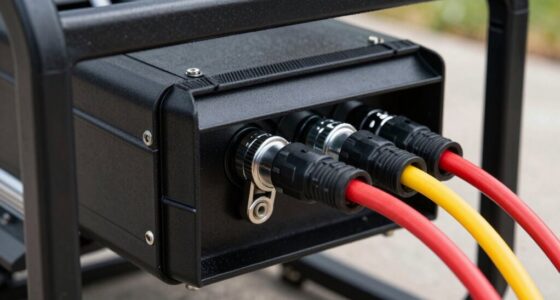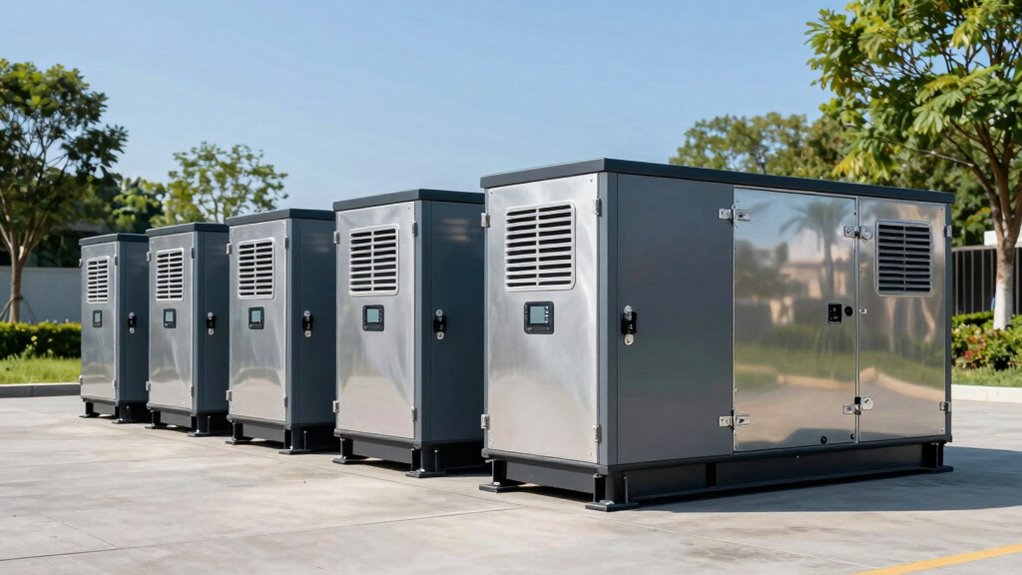

If you’re searching for a standby generator powered by natural gas, you’re likely prioritizing reliability and convenience. The Generac Guardian 26kW stands out as the best overall choice for its robust power and smart features. Meanwhile, the Honeywell 18kW Whole Home Generator offers weather resistance ideal for harsh climates, and the WEN 14,500-Watt Tri-Fuel Generator provides versatile fuel options for backup flexibility. Every option involves tradeoffs: higher capacity models often come with higher costs, while portable options may lack seamless integration or automatic transfer. Continue reading for a detailed breakdown to help you pick the best standby generator for your needs.

Get backup power and energy gear delivered free with Prime
- Fast, free delivery on millions of items
- Prime Video, Amazon Music and more included
- Member-only deals all year
Complete the kit


Key Takeaways
- The top models balance capacity with features like WiFi connectivity and automatic transfer switches.
- Portable tri-fuel generators excel in versatility but often lack automatic operation features of full-home standby units.
- Weather-resistant enclosures are essential for outdoor installations in harsh environments.
- Natural gas models tend to be more reliable and lower maintenance than liquid propane counterparts.
- Higher wattage ratings generally mean higher costs, but they provide more power for larger homes or critical systems.


More Details on Our Top Picks
Westinghouse 13500 Peak Watt Tri-Fuel Portable Generator with Remote Electric Start
The Westinghouse WGen10500TFc stands out for its ability to run on gasoline, propane, or natural gas, offering flexibility that surpasses most single-fuel models like the Honeywell 18kW. Its remote electric start adds convenience, especially during emergencies when quick power restoration is critical. While its 19-hour runtime and multiple outlets make it suitable for both backup and job site use, the unit’s weight and complexity might challenge users unfamiliar with portable generators. Compared to the Kohler 20kW standby, this portable model sacrifices some automatic features but offers unmatched fuel flexibility. The tradeoff involves handling a bulky, heavier unit that demands some setup effort, but its versatility makes it a strong choice for users needing adaptable power options.
Pros:- Versatile tri-fuel operation (gasoline, propane, natural gas)
- Remote electric start with key fob for convenience
- Long runtime of up to 19 hours on a full tank
- Multiple outlets including transfer switch ready options
Cons:- Heavy and bulky, may require assistance for transport
- Complex setup for first-time users
- Higher price point compared to single-fuel generators
Best for: Homeowners needing portable, flexible power sources for outages or outdoor activities
Not ideal for: Individuals seeking a compact, lightweight backup that stays put during outages
Our verdict“This generator suits users who need portable, multi-fuel power with remote start, accepting some setup complexity and weight.”
Honeywell 18kW Whole Home Standby Generator with Weather-Resistant Enclosure
The Honeywell 18kW standby generator is designed for seamless, automatic protection during power outages, making it ideal for those who want a set-it-and-forget-it solution. Its weather-resistant aluminum enclosure and dual fuel capability add durability and flexibility, competing with the Kohler 20kW in terms of reliability. Unlike portable options like the Westinghouse tri-fuel units, this model is permanently installed and automatically activates, ensuring your entire home remains powered without manual intervention. Its installation may require professional help, and its size can be a challenge for tight spaces, but once set up, it provides peace of mind with minimal ongoing maintenance. This pick is best for homeowners prioritizing automatic, reliable backup power over portability.
Pros:- Reliable automatic startup during outages
- Dual fuel flexibility (natural gas and propane)
- Durable weather-resistant enclosure
- Easy monitoring via LCD panel
Cons:- Installation requires professional setup
- Large size may limit placement options
- Higher initial cost
Best for: Homeowners seeking a permanent, automatic backup system for whole-house power
Not ideal for: Renters or those needing portable power for outdoor or job site use
Our verdict“This generator is perfect for homeowners wanting a dependable, automatic backup system that requires minimal intervention.”
Generac 14kW Whole Home Generator with Cellular Capability
The Generac 14kW unit offers automatic whole-home backup with the advantage of cellular and WiFi monitoring, providing a modern, connected solution that is more advanced than traditional standby models like the Honeywell 18kW. Its fuel efficiency and compatibility with smart home systems make it attractive for tech-savvy homeowners who want to keep tabs on their generator remotely. However, the need for a subscription to access the full cellular features introduces ongoing costs, and the installation can be complex for those unfamiliar with integrating smart systems. Compared to the Kohler 20kW, this model balances cost and modern connectivity, trading off some power capacity for remote control and efficiency. It’s ideal for users comfortable with digital monitoring and seeking a cost-effective, connected backup option.
Pros:- Automatic backup for entire home
- Cellular and WiFi remote monitoring
- Fuel-efficient with lower emissions
- Compatibility with smart thermostats and storage systems
Cons:- Requires subscription for full cellular features
- Installation may be complex and technical
- Dependent on cellular network for remote access
Best for: Homeowners interested in smart home integration and remote generator management
Not ideal for: Users preferring a fully manual or straightforward backup without ongoing subscriptions
Our verdict“This generator suits owners who want modern remote management features and are comfortable with ongoing costs for smart monitoring.”
Westinghouse 14500 Peak Watt Tri-Fuel Portable Generator with Remote Electric Start
This Westinghouse model provides a robust 14,500 peak watts with tri-fuel flexibility, making it ideal for outdoor work and emergency backup alike. Its 550cc engine ensures ample power, with a long runtime of up to 19 hours on gasoline, and low total harmonic distortion (THD) protects sensitive electronics—an advantage over smaller or less advanced models like the Honeywell 18kW. Despite its power and features, the unit’s weight and size pose transportation challenges, and its higher price reflects its heavy-duty capabilities. Compared to the smaller Generac 14kW, this generator offers greater power and fuel options but demands more space and effort to handle. It’s best for users who need serious portable power with electronics protection and don’t mind the heft.
Pros:- Tri-fuel capability (gasoline, propane, natural gas)
- Long runtime, up to 19 hours
- Low THD safe for sensitive electronics
- Remote electric start for convenience
Cons:- Heavy and difficult to transport
- Residual fuel or oil odor possible
- Higher price point
Best for: Outdoor enthusiasts and contractors needing high power and tri-fuel versatility
Not ideal for: Individuals seeking a lightweight, portable solution for occasional use
Our verdict“This generator is suited for heavy-duty outdoor use where power, fuel flexibility, and electronics safety matter most.”
20kW Standby Generator with 200amp Transfer Switch
The Kohler 20kW standby generator offers a substantial 20kW output with automatic transfer within 10 seconds, making it a strong choice for large homes or small businesses. Its Kohler Command PRO engine is built for durability, and the 200-amp transfer switch ensures seamless power transfer during outages. This unit’s installation is complex, requiring professional setup and significant space, but once operational, it provides reliable, automatic backup that outperforms portable models like the Westinghouse tri-fuel options in convenience. The higher initial investment reflects its commercial-grade quality, though it limits portability. This model is best for owners prioritizing automatic, high-capacity backup with minimal manual intervention.
Pros:- Automatic power restoration within 10 seconds
- High 20kW capacity for large homes
- Reliable Kohler engine designed for durability
- Includes a 200-amp transfer switch
Cons:- Complex, costly installation process
- Higher upfront cost
- Requires professional maintenance
Best for: Large households or small commercial properties needing automatic, high-capacity backup
Not ideal for: Renters or those unable to accommodate permanent installation
Our verdict“This generator is ideal for large homes or small businesses seeking automatic, high-capacity backup without portability concerns.”
Generac Guardian 26kW Home Standby Generator with 200 Amp Transfer Switch, WiFi Enabled, Natural Gas or Liquid Propane
This model stands out for its robust 26kW capacity, making it ideal for large homes with high energy demands. Compared with the 14kW option, the Guardian 26kW offers a significant boost in power, ensuring that heavy appliances and multiple systems stay operational during outages. Its 200 Amp transfer switch facilitates seamless whole-house backup, while WiFi connectivity allows remote monitoring, reducing the need for constant on-site checks. The durable aluminum enclosure and G-Force Engine contribute to long-term performance, though the higher upfront cost and requirement for certified installation may deter budget-conscious buyers. Overall, this generator delivers comprehensive home backup with advanced features, making it suitable for those prioritizing capacity and convenience.
Pros:- High 26kW power output suitable for whole-house needs
- WiFi monitoring for remote system management
- Seamless 200 Amp transfer switch for full home protection
- Weather-resistant, durable aluminum enclosure
Cons:- High initial investment compared to smaller units
- Installation requires a certified electrician, adding to total cost
Best for: Large households or properties with high power loads seeking reliable, long-term backup with remote management.
Not ideal for: Small homes or budget-conscious buyers who need a more affordable, lower-capacity solution or are willing to handle manual monitoring.
- Power:26,000 watts
- Transfer Switch:200 Amp
- Fuel Type:Natural Gas or Liquid Propane
- Warranty:5-Year Limited
- Enclosure:Aluminum outdoor-rated
- Engine:G-Force Engine
Our verdict“This generator is best suited for large homes needing dependable, high-capacity backup with remote oversight, accepting higher upfront costs.”
Generac Guardian 14kW Home Standby Generator with 100 Amp Transfer Switch, WiFi Enabled, Natural Gas or Liquid Propane
This 14kW generator offers a balanced mix of power and affordability, making it a solid choice for smaller homes or moderate power needs. Compared to the 26kW model, it provides enough capacity for essential appliances and systems, with the advantage of a more accessible price point. Its 100 Amp transfer switch is sufficient for typical household loads, and WiFi connectivity enables remote monitoring to ensure readiness. Like the larger unit, it features a durable outdoor aluminum enclosure and the reliable G-Force Engine, but its lower capacity may leave some high-demand appliances unpowered during outages. This pick makes the most sense for homeowners needing reliable backup without requiring the highest capacity.
Pros:- Affordable compared to higher-capacity units
- WiFi monitoring for remote status updates
- Strong 5-year warranty and weather-resistant enclosure
- Easy to install with a certified electrician
Cons:- Limited capacity for very high power loads
- Potentially insufficient for large or energy-intensive households
Best for: Medium-sized homes or property owners seeking reliable backup with a lower budget and moderate power demands.
Not ideal for: Large homes with high energy loads or those needing backup for heavy equipment, as the 14kW may be insufficient.
- Power Output:14,000 watts
- Transfer Switch:100 Amp
- Fuel Type:Natural Gas or Liquid Propane
- Connectivity:WiFi Enabled
- Warranty:5-Year Limited
- Enclosure:Aluminum, outdoor rated
Our verdict“This generator is ideal for small to medium homes prioritizing reliable, affordable backup power with remote management capabilities.”
Generac Guardian 22kW Home Standby Generator with 200 Amp Transfer Switch, WiFi Enabled, Natural Gas or Liquid Propane
This 22kW model hits a sweet spot for mid-sized homes, offering substantial backup capacity without the size and cost of the 26kW option. It compares favorably to the 14kW generator by handling more substantial loads, such as larger appliances or multiple systems, while maintaining the convenience of WiFi monitoring. Its 200 Amp transfer switch supports whole-house backup, and the durable NEMA 3R enclosure ensures weather resistance. The engine is designed for low maintenance, but installation still requires a certified electrician, and the higher price reflects its enhanced capabilities. This generator makes the most sense for those needing more power than a 14kW but not the maximum capacity of larger units.
Pros:- Reliable 22kW power suitable for larger households
- WiFi connectivity for remote alerts and monitoring
- Durable outdoor-rated enclosure and components
- Engine designed for low maintenance
Cons:- Installation cost can be significant due to size and complexity
- Dependent on fuel supply and proper installation for optimal operation
Best for: Medium to large homes needing dependable backup power with a focus on reliability and remote management.
Not ideal for: Very small homes or users on a tight budget, as the higher cost may outweigh the capacity benefits.
- Power Output:22kW
- Transfer Switch:200 Amp
- Fuel Type:Natural Gas or Liquid Propane
- Warranty:5-Year Limited
- Enclosure:NEMA 3R outdoor rated
- Engine:G-Force Engine
Our verdict“This generator suits homeowners wanting a balanced combination of power, remote management, and durability, with an understanding of higher upfront costs.”
WEN 14,500-Watt Tri-Fuel Generator with Electric Start and CO Watchdog
This 14,500-watt tri-fuel generator offers the flexibility to operate on gasoline, propane, or natural gas, making it ideal for varied backup scenarios. Compared with standby models like the Honeywell 14kW, the WEN provides portable power with the added safety of a CO Watchdog sensor, which detects dangerous carbon monoxide levels. Its electric start simplifies operation, and the long runtime of up to 12 hours on half load supports extended outages. However, its portability means it lacks the seamless automatic transfer features of standby units, and its weight and noise levels may be challenging for some users. This generator makes sense for those who want multi-fuel options and safety features in a portable format.
Pros:- Multi-fuel capability for flexible fuel choices
- Electric start for easy operation
- CO Watchdog sensor enhances safety
- Long runtime supports extended outages
Cons:- Heavy and bulky, difficult to move without the wheel kit
- No automatic transfer or connection to home wiring
Best for: Homeowners or campers needing portable backup with fuel versatility and safety features, not fixed whole-house solutions.
Not ideal for: Large homes or those seeking automatic, mains-connected backup power, as portability and manual operation are limitations.
- Surge Watts (Gasoline):14500
- Running Watts (Gasoline):11500
- Surge Watts (Natural Gas):10500
- Runtime at Half Load:12 hours
- Fuel Capacity:8.2 gallons
- Engine:500cc 4-stroke OHV
Our verdict“This generator suits users needing portable, versatile backup with integrated safety, accepting manual operation and limited automation.”
Honeywell 14kW Home Standby Generator
This Honeywell 14kW standby generator emphasizes clean power output, making it suitable for homes with sensitive electronics. Compared with the Generac 14kW, Honeywell’s model offers quieter operation thanks to its advanced technology and quiet-test self-test mode, reducing noise during regular testing. Its corrosion-resistant aluminum enclosure ensures durability against the elements. While it provides reliable backup power, the higher cost associated with its advanced features may deter budget-conscious buyers. Its user-friendly LCD display simplifies monitoring, but the lack of detailed remote management features means it’s less ideal for those wanting full automation or smartphone alerts. This generator works well for users prioritizing quiet, clean power with straightforward operation.
Pros:- Provides clean, stable power suitable for electronics
- Quiet operation during running and self-test cycles
- Corrosion-resistant aluminum enclosure for durability
- User-friendly LCD display for easy monitoring
Cons:- Higher price point relative to simpler models
- Limited remote management features
Best for: Homeowners with sensitive electronics and a need for quiet, reliable backup power, especially in noise-sensitive environments.
Not ideal for: Large households or those seeking advanced remote management or automation features, due to limited connectivity options.
- Power Output:14kW
- Engine:Generac G-Force Engine
- Technology:PrecisionPower
- Enclosure:All-Aluminum with RhinoCoat finish
- Features:Quiet-Test Self-Test Mode, multilingual LCD display
Our verdict“This generator is best suited for users wanting quiet, clean power for sensitive devices with straightforward operation and durability, accepting some higher cost.”

How We Picked
These products were evaluated based on performance, build quality, ease of installation, and features like automatic transfer switches and connectivity. Price-to-value ratio was also a key factor, ensuring that each model offers features worth its cost. We prioritized models that are designed specifically for natural gas, as this fuel type provides consistent, clean power ideal for home backup. Our rankings reflect a balance between capacity, reliability, ease of use, and long-term value, with a focus on models suited to different homeowner needs and budgets.Factors to Consider When Choosing Standby Generator For Natural Gas
Choosing the right standby generator for natural gas involves several important considerations. Beyond just wattage, factors like transfer switch capabilities, installation complexity, and fuel efficiency can significantly impact your satisfaction and the system’s reliability. Understanding key features and common pitfalls will help you avoid overspending or ending up with insufficient power during outages. Here are the main factors to keep in mind:Power Capacity and Home Needs
Assess your home’s total power requirements, including essential appliances and systems. Larger homes or those with high-energy demands need generators with higher wattage ratings—often 20kW or more. Oversizing can lead to unnecessary costs, while undersizing might leave critical systems unpowered. It’s wise to include a buffer of 20-25% above your calculated needs for future expansion and unexpected surges.
Automatic Transfer Switches and Connectivity
An automatic transfer switch ensures your generator kicks in immediately when the power goes out, providing seamless backup without manual intervention. Connectivity features like WiFi enable remote monitoring, which can preempt issues and simplify maintenance. Skipping these features can save money upfront but might lead to inconvenient outages or harder troubleshooting.
Fuel Type and Efficiency
Natural gas offers a stable, clean fuel source that typically requires less maintenance and provides more consistent performance than liquid propane. However, check fuel supply reliability and connection quality. Some models are more efficient, offering longer run times on the same amount of fuel, which reduces operational costs over time.
Installation and Maintenance
Proper installation is vital for safety and performance, especially for standby units connected directly to your home’s gas line. Consider the complexity and cost of installation—some models need professional setup, which can add to your initial investment. Regular maintenance is also key to reliability, so choose a model with accessible components and clear service guidelines.
Durability and Weather Resistance
If your generator will be installed outdoors, a weather-resistant enclosure protects against elements like rain, snow, and dust. This feature extends the lifespan and reduces maintenance needs. For indoor or sheltered installations, this may be less critical but still worth considering for added durability.
Frequently Asked Questions
Can I run my entire home on a natural gas standby generator?
Most natural gas standby generators are capable of powering essential circuits and systems in a home, but not necessarily every appliance or device at once. The key is selecting a generator with enough wattage to support your critical loads, such as heating, refrigeration, and lighting. For larger homes or full-power needs, choosing a higher capacity unit ensures your entire home remains operational during outages.
How long can a natural gas generator run continuously?
The runtime depends on the generator’s fuel supply capacity and load size. Natural gas offers the advantage of a nearly unlimited supply if your connection remains active, but the generator’s fuel consumption rate determines how long it can operate before requiring maintenance or checks. Generally, standby generators are designed for extended operation during outages, but regular testing and maintenance are recommended for optimal reliability.
Is a natural gas generator safe to install outside?
Yes, most natural gas generators are built with weather-resistant enclosures that make outdoor installation safe and durable. Proper placement away from windows and vents, and following local codes, minimizes risks. Ensure your installation includes adequate ventilation and safety features, such as automatic shutoff in case of gas leaks or carbon monoxide detection, to maintain safe operation.
What maintenance is required for a natural gas standby generator?
Regular maintenance includes checking and replacing oil, inspecting filters, and testing the automatic transfer switch. Since natural gas is cleaner than other fuels, these generators tend to require less frequent servicing, but periodic professional inspections ensure the system remains in peak condition. Keep an eye on battery life and perform load testing annually to verify readiness.
How much does installation typically cost?
Installation costs vary widely depending on the generator size, complexity of connection, and local labor rates. For a typical standby generator connected to a natural gas line, expect costs between $3,000 and $7,000, including permits and potential upgrades to your gas line or electrical system. Getting multiple quotes from qualified installers helps ensure you receive a fair price and proper setup.
Conclusion
For homeowners seeking a reliable, high-capacity backup, the Generac Guardian 26kW makes the best overall choice thanks to its robust features and smart connectivity. If you prioritize value and weather resilience, the Honeywell 18kW Whole Home Generator offers solid performance at a more accessible price. Beginners or those installing outdoors in harsh climates should consider models with weather-resistant enclosures, like the Honeywell or WEN options. For larger properties or critical systems, investing in a higher wattage model ensures peace of mind and long-term reliability. Ultimately, your decision should align with your home’s size, backup needs, and budget.
As an affiliate, we earn on qualifying purchases.Halloween Picks
halloween