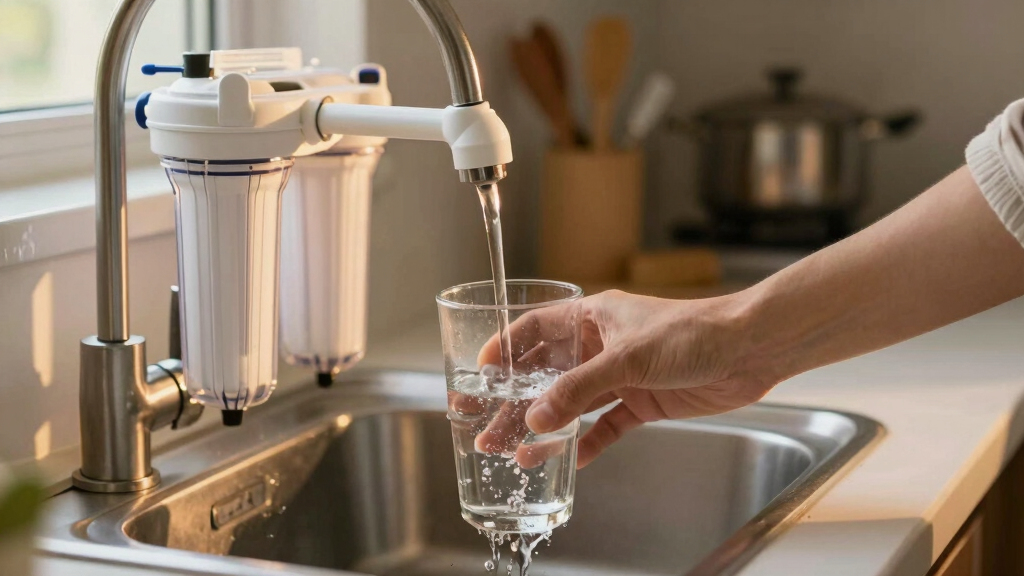

Choosing the best reverse osmosis system for home use involves balancing water quality, installation complexity, and ongoing maintenance. The APEC Water 5-Stage Under Sink Reverse Osmosis stands out as the overall top pick for its proven filtration performance and durability. The Waterdrop X12 offers a high flow rate and mineralization, making it ideal for larger households. Meanwhile, the Portable Countertop RO provides a convenient, no-installation solution for renters or those with limited space. Tradeoffs often include higher upfront costs for premium features or ongoing filter replacement expenses. Continue reading to see how these options compare and find the best fit for your home.

Get backup power and energy gear delivered free with Prime
- Fast, free delivery on millions of items
- Prime Video, Amazon Music and more included
- Member-only deals all year
Key Takeaways
- Performance consistency across different water qualities was a key factor in top rankings.
- Tankless systems like Waterdrop G3P800 offer space savings but often come at a higher price point.
- Ease of installation and maintenance significantly influence long-term satisfaction.
- Filtering capacity and flow rate are critical for larger households or high water demand.
- Price often correlates with feature set, but the most expensive options are not always the best value.


More Details on Our Top Picks
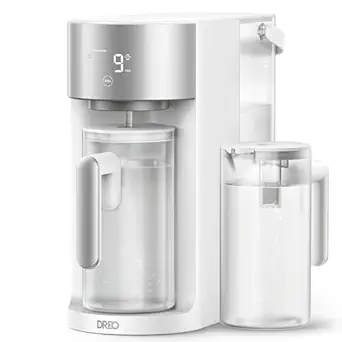
DREO Reverse Osmosis Water Filter Countertop with Auto-Fill and Self-Cleaning System
The DREO countertop RO filter stands out for its convenience and impressive impurity removal, making it a strong choice for those who want clean water without plumbing hassles. Unlike the under-sink systems like the APEC ROES-50, this model requires no installation, which simplifies setup for renters or those hesitant about plumbing work. Its self-cleaning and auto-fill features reduce ongoing maintenance, but the tradeoff is a smaller capacity and potentially higher filter replacement costs over time. While it’s ideal for small households or secondary water sources, it’s less suited for high-demand families needing larger volumes daily. This makes it a smart pick for anyone prioritizing ease and portability over maximum capacity.
Pros:- Removes over 1000 impurities for healthier drinking water
- Real-time TDS monitoring and filter change alerts
- Auto-fill pitchers and self-cleaning for minimal maintenance
Cons:- Filter replacement costs can add up over time
- Limited capacity may not meet large household needs
Best for: Small households or individuals seeking a compact, no-installation solution with real-time monitoring
Not ideal for: Large families or homes with high water demand, due to limited capacity
- Filtration System:Reverse Osmosis (7-in-1)
- Pure to Drain Ratio:3:1
- Filter Life:6 to 12 months
- Tank Capacity:5L
- Pitcher Capacity:2 x 1.1L
- Dimensions:14.51″ L × 6.73″ W × 13.35″ H
Bottom line: This model is perfect for those wanting simple, portable purification without complex plumbing.
APEC Water 5-Stage Under Sink Reverse Osmosis Water Filter System, ROES-50 Essence Series, WQA Certified, 50 GPD
The APEC ROES-50 offers a proven 5-stage filtration process capable of removing over 99.99% of contaminants, including heavy metals and microplastics. Compared with the portable B0FY2JT7PF, its under-sink setup provides a more constant supply of purified water, making it ideal for daily household use. Its WQA certification and high flow rate of 50 GPD ensure both quality and convenience, though the setup requires some plumbing skills and regular filter changes every 6-24 months. It’s best suited for homeowners who want a reliable, long-term solution with minimal ongoing effort once installed. For those seeking a straightforward, high-capacity system, this pick clearly earns its place as the most dependable choice.
Pros:- Removes over 99.99% of contaminants for pure drinking water
- Easy DIY installation with quick connection fittings
- Includes all necessary components and replacement filters
Cons:- Initial setup may be complex for novices
- Regular filter replacements required, which can be somewhat costly
Best for: Homeowners seeking a durable, high-capacity system with proven certification and comprehensive filtration
Not ideal for: Renters or those uncomfortable with DIY plumbing installation, due to its under-sink setup
- Flow Rate:50 GPD
- Filtration Stages:5
- Certifications:WQA Certified
- Filter Replacement Interval:6-24 months
- Included Components:Filter set, brushed nickel faucet, water tank, installation kit
Bottom line: This system is best for homeowners wanting a reliable, long-lasting under-sink RO with minimal compromise on water purity.
Portable Countertop Reverse Osmosis Water Filter with UV and 5-Stage Filtration
This compact RO system with UV light stands out for its portability and multi-location use, from home to RV or outdoor settings. Its 5-stage filtration and UV sterilization effectively remove heavy metals, chlorine, and bacteria, comparable to the more stationary systems like the Waterdrop X12 but with a focus on ease of use anywhere. Unlike the under-sink models, it requires no installation, but this also means limited capacity and a need for genuine replacement filters to maintain performance. Its compact size makes it ideal for those who need clean water on the go, though it’s less suitable for high-volume household needs. The UV feature adds extra assurance for bacteria, making it a versatile choice for various environments.
Pros:- No installation needed, ready to use out of the box
- Effective 5-stage RO with UV for bacterial safety
- Compact and portable, suitable for multiple locations
Cons:- Limited capacity for large households
- Requires genuine replacement filters for optimal performance
Best for: Outdoor enthusiasts, RV travelers, or anyone needing portable clean water solutions
Not ideal for: Large households or continuous high-demand use, due to capacity constraints
- Capacity:5L raw, 2L purified
- Filtration:5-stage RO with UV
- Pure to Drain Ratio:5:1
- Dimensions:16.1″ tall (closed), 21.7″ with lid
- Water Production:529 gallons
- TDS Range:Less than 500 ppm
Bottom line: This system suits those needing flexible, portable purification with advanced contaminant removal, not high-volume household use.
Waterdrop X12 Alkaline Mineral pH+ Reverse Osmosis System, NSF/ANSI Certified, 1200 GPD, 11-Stage Tankless RO Water Filter, BPA Free
The Waterdrop X12 stands out as the best overall choice for families seeking both high capacity and mineralized, alkaline water. Its impressive 1200 GPD flow ensures instant access to clean water without waiting, surpassing most tankless systems like the Waterdrop G3P800, which offers a slightly lower 800 GPD. The 11-stage filtration with mineral infusion promotes healthier hydration, though it may slightly elevate TDS levels compared to systems without mineralization. The smart digital faucet provides real-time water quality updates and filter life reminders, making maintenance straightforward. However, installation might challenge DIY novices, and filters need replacement every 24 months, which could be a consideration for cost-conscious users. This model suits large households or health-conscious consumers craving fast, mineral-rich water.
Pros:- High-capacity 1200 GPD flow for instant water supply
- 11-stage filtration with mineral infusion for healthy, alkaline water
- Smart digital faucet with real-time water quality and filter life display
Cons:- May cause a slight increase in TDS due to alkaline minerals
- Installation may require some technical skill
- Filter replacement every 24 months
Best for: Families needing high-capacity, mineralized, alkaline water with smart monitoring features.
Not ideal for: Small kitchens or users with limited technical skills, due to complex installation and filter replacement requirements.
- Certification:NSF/ANSI 42, 58, 372
- Flow Rate:1200 GPD
- Filtration Stages:11
- pH Level:7.5±
- Filter Life:24 months
- Material:BPA Free
Bottom line: This system is perfect for large households or health-focused users who prioritize high capacity and mineralized water.
Waterdrop G3P800 Reverse Osmosis System, 800 GPD Fast Flow, NSF/ANSI Certified, Tankless Under Sink RO Water Filter System with Smart Faucet and LED Indicator
The Waterdrop G3P800 offers a compelling option for large households that need quick, reliable purified water with minimal footprint. Its 800 GPD capacity rivals larger systems like the Waterdrop X12, but with a space-saving, tankless design that ensures no bulky storage tank is needed. The 10-stage filtration system efficiently reduces common contaminants, and the smart faucet with LED indicators makes monitoring water quality simple. Compared to the iSpring RCC7AK, which emphasizes remineralization, the G3P800 focuses on speed and space efficiency, though it requires electrical power and drilling two holes for installation. Its weight of around 800 grams seems off, but the unit’s compact size makes it easier to integrate into tight spaces. This pick is ideal for tech-savvy households wanting a sleek, high-capacity, and space-efficient system.
Pros:- High capacity of 800 GPD for large household needs
- Tankless design saves space and prevents stagnation
- Smart faucet with LED display provides real-time water info
Cons:- Installation requires drilling two holes under sink
- Electrical power needed for operation
- Weight of 800 grams may be a typo, but the unit is still bulky
Best for: Large households seeking fast, space-efficient, and reliable filtered water with smart features.
Not ideal for: Users uncomfortable with installing electrical components or drilling under sink, or those with very limited space.
- Product Type:Water Purification Unit
- Certification:NSF/ANSI 42, 53, 58, 372
- Capacity:800 GPD
- Filtration Stages:10
- Flow Rate:3028 liters per day
- Dimensions:18.12″ L x 5.67″ W x 17.72″ H
Bottom line: This model suits tech-oriented households that prioritize high flow and space-saving design without sacrificing performance.
iSpring RCC7AK 6-Stage Reverse Osmosis Water Filter System with Mineral Remineralization
The iSpring RCC7AK makes this list as a balanced, user-friendly system for those who want mineralized, healthier water combined with straightforward DIY setup. Its 6-stage design includes a remineralization stage that boosts natural minerals, resulting in water with a more balanced pH compared to systems like the Waterdrop X12, which emphasizes alkaline mineral infusion. The top-mounted, transparent housing allows for easy monitoring and quick filter changes, though installation might challenge beginners unfamiliar with plumbing. Filter costs are higher over time, and replacement intervals vary, making ongoing maintenance a consideration. Compared to the Waterdrop G3P800, this offers a more traditional setup with a focus on balanced pH rather than high capacity. This system is best suited for those seeking simple installation and balanced mineral content.
Pros:- Easy top-mounted installation from above
- Mineral boost for healthier, balanced pH water
- Transparent filter housing simplifies monitoring
Cons:- Installation may require basic plumbing skills
- Filters can be costly over time
- Requires regular filter replacements for optimal performance
Best for: DIY enthusiasts or users seeking a reliable, balanced pH filtered water with easy installation.
Not ideal for: Large households needing very high flow rates or users who prefer mineralized alkaline water without remineralization features.
- Flow Rate:75 GPD
- Certification:NSF/ANSI 58
- Number of Stages:6
- Remineralization:Yes
- Installation:Top-mounted, easy DIY setup
- Filter Lifespan:6 months to 3 years depending on filter
Bottom line: This system is ideal for homeowners wanting straightforward installation and mineral-enhanced, balanced water.
How We Picked
I evaluated these reverse osmosis systems based on multiple criteria that matter most for home users. Performance in water filtration, including removal of contaminants and mineral retention, was a primary factor. Ease of installation and user-friendliness, especially for DIY setups, played a significant role. Build quality and durability were assessed to ensure longevity. I also considered maintenance costs, including filter replacement frequency and affordability. Finally, value for money and features like tankless operation or smart connectivity helped me rank these options, aiming to match different household needs and budgets.Factors to Consider When Choosing Best Reverse Osmosis System For Home Use
When selecting a reverse osmosis system for your home, several factors should influence your decision. Understanding water quality and daily usage needs helps narrow down the right capacity and features. Installation complexity varies, so consider whether you prefer a plug-and-play countertop model or a more permanent under-sink setup. Maintenance requirements, including filter replacement frequency and costs, can impact long-term satisfaction. Price ranges from budget-friendly to premium, so balancing features against your budget is key. Lastly, additional features like mineralization or smart monitoring can improve your drinking water experience.Water Quality and Filtration Capabilities
It’s essential to consider what contaminants your water contains. Some systems excel at removing chlorine, lead, and arsenic, while others also retain beneficial minerals or add mineralization for taste. Testing your tap water can guide you toward a system that targets your specific needs. Higher filtration capacity often correlates with better contaminant removal, but ensure the system is certified by reputable standards like NSF/ANSI. Avoid overly complex systems if your water is already relatively clean—sometimes, a simpler model suffices and saves money.
Installation and Space Requirements
Deciding between countertop and under-sink models depends on your space and willingness to perform installation. Countertop units are portable and require minimal setup, ideal for renters or those wary of plumbing work. Under-sink systems demand more effort but provide a cleaner look and higher capacity. Tankless models save space but can be more expensive and sometimes have slower flow rates. Measure your available space carefully and consider whether you prefer a discreet installation or a portable solution.
Maintenance and Filter Replacement Costs
Regular maintenance is unavoidable with reverse osmosis systems, but costs and effort vary. Some models have long-lasting filters that need replacement only once a year, while others require more frequent changes. Consider the cost of replacement filters and whether they are readily available or proprietary. Systems with built-in self-cleaning or auto-flush features can extend filter life and reduce maintenance headaches. Budgeting for ongoing expenses is crucial to prevent surprises and ensure your system stays effective.
Flow Rate and Capacity
If your household consumes large amounts of water daily, pay attention to the system’s flow rate and capacity. Higher GPD (gallons per day) ratings mean faster filtration and less waiting time. Tankless models, like the Waterdrop G3P800, provide continuous flow but may come with a premium price. Conversely, systems with lower capacities might be suitable for small households or occasional use but could be frustrating for heavy users. Match your household’s water demand with the system’s specifications to avoid inconvenience.
Additional Features and Value
Features like mineralization, smart monitoring, and tankless design add convenience and enhance water quality. Mineralization reintroduces beneficial minerals, improving taste and health benefits. Smart systems with app connectivity can alert you when filters need replacing, saving guesswork. Tankless models save space and reduce bacterial buildup but often cost more upfront. Balance these extras with your budget and whether they address your specific needs or simply add luxury.
Frequently Asked Questions
How often do I need to replace filters in a reverse osmosis system?
Most reverse osmosis systems require filter replacements every 6 to 12 months, depending on usage and water quality. Pre-filters and sediment filters typically need more frequent changes, while the RO membrane lasts longer—often 2-3 years with proper maintenance. Regular replacement ensures optimal filtration performance and prevents bacterial buildup. Some systems include indicator lights or smart alerts to notify you when filters need changing, simplifying upkeep and avoiding performance drops.
Is a tankless reverse osmosis system worth the extra cost?
Tankless reverse osmosis systems offer the advantage of saving space and providing continuous water flow, which is beneficial for high-demand households. However, they generally come at a higher purchase price and may have slightly slower flow rates compared to traditional tank-based models. If space is limited or you value instant access to filtered water, the investment could be justified. For smaller households or budget-conscious buyers, a traditional system with a tank might be more practical and cost-effective.
Can I install a reverse osmosis system myself?
Many reverse osmosis systems are designed for DIY installation, especially countertop and some under-sink models. Basic plumbing skills, a few tools, and following manufacturer instructions typically suffice. However, more complex, tankless, or multi-stage systems may require professional plumbing help to ensure proper setup and avoid leaks. Carefully review the installation process and consider your comfort level before purchasing. Proper installation is key to maximizing system performance and longevity.
Are all reverse osmosis systems NSF certified?
Not all systems carry NSF certification, which verifies that the product meets specific safety and performance standards. Choosing a certified system ensures effective removal of contaminants and safe materials. Look for certifications like NSF/ANSI Standard 58 for RO systems and Standard 42 or 53 for effective filtration of specific contaminants. Certification provides peace of mind about water quality and system reliability, especially for long-term use.
How does mineralization improve my drinking water?
Mineralization adds beneficial minerals like calcium and magnesium back into the water after filtration, enhancing taste and potentially providing health benefits. Pure reverse osmosis water can taste flat or bland, and mineralization helps restore a more natural, balanced flavor. Some systems include mineral cartridges or re-mineralization stages designed to optimize water pH and overall quality. If you prefer water that tastes closer to natural spring water, a system with mineralization features may be worth considering.
Conclusion
For most households, the APEC Water 5-Stage Under Sink Reverse Osmosis remains the best overall choice due to its proven performance and reliability. If you seek high flow and mineralization, the Waterdrop X12 offers excellent value and advanced features. Budget-conscious buyers or renters will appreciate the Portable Countertop RO for its simplicity and portability. For those prioritizing space-saving, the Waterdrop G3P800 tankless model fits well, while beginners should consider systems with straightforward installation and maintenance. Ultimately, your decision should align with your household’s water demand, budget, and space constraints. As an affiliate, we earn on qualifying purchases.Columbus Day / Indigenous Peoples' Day Picks
long weekend sales