If your neighborhood loses power but your home stays lit, first check if neighbors also have outages to determine if it’s local or wider. Inspect your circuit breaker or fuse box for issues and reset any tripped breakers. Contact your utility provider for updates and report the situation if needed. Stay cautious, unplug sensitive electronics, and avoid potential hazards like downed lines. You’ll find helpful steps to stay safe and manage the situation as you explore further.
Key Takeaways
- Confirm neighbors are also affected to determine if the outage is neighborhood-wide or localized.
- Check your circuit breaker and reset any tripped switches or replace blown fuses.
- Report the outage to your utility provider with your location details for updates.
- Use a flashlight instead of candles and unplug sensitive devices to prevent hazards.
- Stay informed through official channels and wait patiently for power restoration.

Lichamp LED Camping Lantern, 4 Pack Battery Powered Flashlight for Power Outages, Portable Collapsible Hanging Light Essential for Home, Outdoor, Emergency Lamp Survival Kit Gear for Hurricane, Gray
ULTRA BRIGHT & SAFE: Designed with 30 energy-efficient LED for 360 degree lighting (97 sq.ft coverage), the latest…
As an affiliate, we earn on qualifying purchases.
As an affiliate, we earn on qualifying purchases.
Confirm Your Home’s Power Status
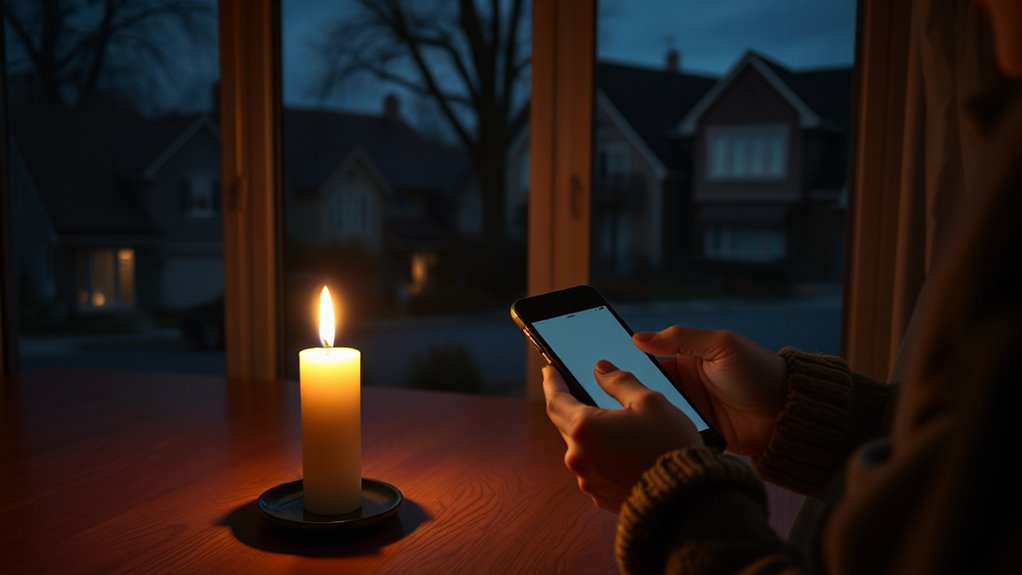
To confirm your home’s power status, start by checking your circuit breaker panel. Look for any switches that are in the “off” position or appear tripped. If a breaker has flipped, switch it fully off, then back on to restore power. Next, inspect GFCI outlets, especially in kitchens and bathrooms; press the reset button to see if power returns. If only part of your house is dark, it could indicate a specific circuit issue. For older homes, check fuses—replace any blown ones with the correct amperage. Also, test outlets and switches in affected areas; faulty wiring or damaged cords can cause trips. Confirming your home’s power status helps determine whether the issue is internal or related to the neighborhood outage. Additionally, consulting your home’s electrical system can help identify underlying problems that might not be immediately visible. Regularly inspecting your electrical wiring and home electrical issues can prevent future outages and ensure safety. Properly maintaining your electrical system can prevent outages and extend the lifespan of your components. Performing a comprehensive electrical inspection periodically can further safeguard your home’s electrical health.

ELEGRP G1215CM2 G20CMR Patented Auto-Monitoring GFCI Replacement Plug Inline Assembly, Manual Reset 15 Amp Non-Grounded 2 Wires 2-Prongs for Power Tools, Lawn Equipment etc, UL Listed, 1 Pack, Black
✅【Patented Auto-Monitor Every 5 Seconds】 This is the newer model of our original GFCI plug of G1215CM2. This…
As an affiliate, we earn on qualifying purchases.
As an affiliate, we earn on qualifying purchases.
Investigate Common Home Power Issues
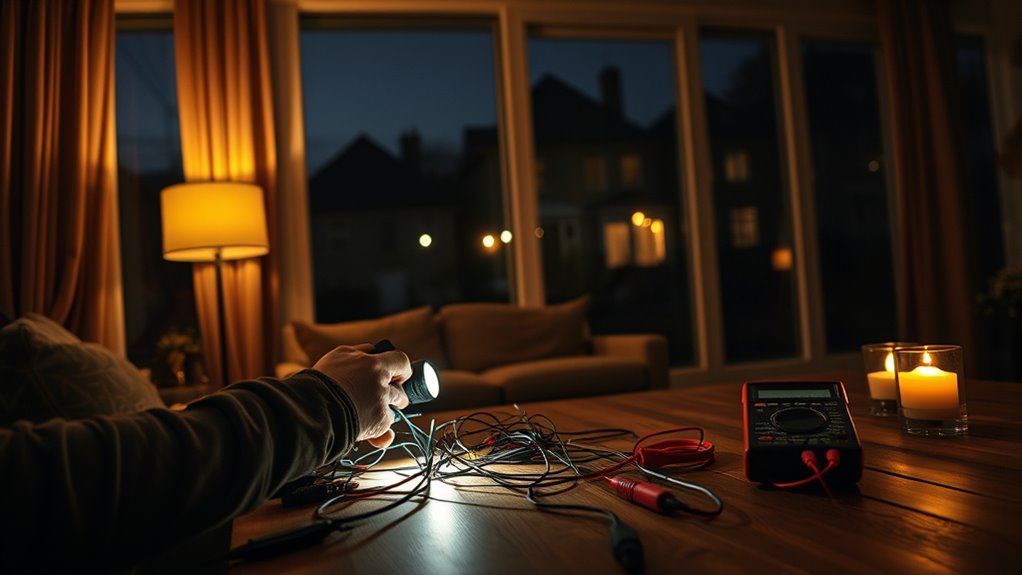
Many common home power issues stem from faulty wiring, overloaded circuits, or damaged outlets, which can cause intermittent outages or tripped breakers. First, check your circuit breaker panel for any switches that have flipped to the off position. Reset them by turning off and then back on. Inspect GFCI outlets in kitchens and bathrooms; press the reset button if they trip. Look for blown fuses in older homes and replace them with the correct amperage. Test outlets and switches to see if they’re functioning properly, and replace faulty components if needed. Unplug appliances with damaged cords that may be drawing excess current. If problems persist after these steps, consider calling an electrician to inspect your wiring. Addressing these common issues can help restore consistent power to your home. Additionally, regularly maintaining your electrical system can prevent future outages and ensure safety. Being aware of GFCI outlet functionality and proper usage can also help avoid safety hazards and power interruptions. Staying informed about electrical safety practices and proper circuit loading is essential for preventing potential hazards. Moreover, understanding the role of circuit breakers can help you identify and prevent overloads more effectively.

Klein Tools ET310KIT AC Circuit Breaker Finder Kit, Electric Tester, GFCI Tester, Leads, Adapters and Case
ACCURATE CIRCUIT BREAKER IDENTIFICATION: Quickly locate the correct breaker with precision using the transmitter and receiver of the…
As an affiliate, we earn on qualifying purchases.
As an affiliate, we earn on qualifying purchases.
Contact Your Utility Provider

When power outages occur, contacting your utility provider promptly is essential for reporting the issue and getting updates on restoration efforts. Use the online portal or call their dedicated outage line, providing your zip code or account number to help them locate the problem quickly. Be sure to note whether your neighbors have power, as this can indicate if the outage is local to your home or affects a larger area. Utility crews prioritize widespread outages, so they may not immediately address individual issues. If your power remains out after the outage is reported, don’t hesitate to follow up for updates. Also, report any visible damage like downed lines or damaged transformers, which can help speed up repairs. Security system effectiveness can be affected during outages, so consider alternative safety measures. Staying informed through official updates ensures you receive accurate information and can respond appropriately. Clear communication ensures you stay informed and your issue gets addressed efficiently. Additionally, considering backup power options such as generators can help maintain your security systems and essential devices during extended outages. Being aware of power outage durations can help you plan accordingly and prepare for longer periods without electricity. It’s also helpful to familiarize yourself with local outage procedures, so you know what steps to take if the situation persists.

Power Strip Surge Protector – One Beat 6 Widely Outlets with 4 USB Ports (2 USB C), 5 Ft Extension Cord Flat Plug, Wall Mount Outlet Extender Small Power Strip for Travel Home Office College Dorm Room
【10-IN-1 Desktop Power Strip with USB C Fast Charge】— With 6 AC outlets, 2 USB ports and 2…
As an affiliate, we earn on qualifying purchases.
As an affiliate, we earn on qualifying purchases.
Prepare for Possible Delays in Restoration
Power outages often take longer to resolve than expected, especially during severe weather or widespread events. You should prepare for potential delays by understanding that utility crews may face obstacles like downed trees, blocked roads, or flooded areas. These conditions slow access to damaged lines and equipment, extending repair times. Scattered outages in different neighborhoods require multiple crews and longer coordination, further delaying restoration. Wildlife damage, such as squirrel or bird interference, can also prolong localized fixes. Stay patient and keep in mind that utility companies prioritize large-scale outages first. Regularly check updates from your provider, and avoid unnecessary travel to allow crews to work efficiently. Being aware of possible delays helps you better manage expectations and stay prepared during extended power outages. Energy-efficient infrastructure can also play a role in faster restoration and more resilient power systems. Additionally, understanding neighborhood-specific challenges can help you better anticipate delays based on local conditions, especially in areas with difficult terrain or infrastructure damage. Recognizing the importance of proper maintenance and upgrades can contribute to reducing the duration and impact of outages in the future. Staying informed about utility response strategies can further improve how quickly your neighborhood recovers.
Ensure Safety and Seek Professional Assistance
If you’re experiencing ongoing or complex electrical issues after a neighborhood outage, it’s important to prioritize safety before attempting any fixes. Never try to repair wiring or electrical components yourself, as this can lead to electric shock or fire hazards. Instead, unplug damaged appliances and cords to prevent further issues. If you notice signs of damage, like sparking outlets or burning smells, leave the area immediately and call a licensed electrician. For persistent or unexplained problems, seek professional help to inspect your wiring and electrical system. Also, report any utility-side issues, such as damaged transformers or downed lines, to your provider. Taking these precautions ensures your safety and helps resolve electrical problems efficiently. Advances in nanotechnology are increasingly being used to develop safer and more reliable electrical components, which can help prevent such issues in the future. Understanding electrical safety standards and how they incorporate technological advancements is crucial for maintaining a safe home environment. Additionally, regular electrical maintenance can help identify potential hazards before they cause outages or accidents. Being aware of proper electrical maintenance can also help prevent future outages and hazards.
Frequently Asked Questions
Why Is My Neighbor’s Power Out but Mine Is Still On?
Your neighbor’s power might be out while yours stays on because different circuits serve each home. Utility crews often isolate outages to specific areas or homes, especially if a problem affects only certain lines or equipment. It could also be a localized issue like a blown fuse or tripped circuit breaker in your neighbor’s home. Check your breaker panel and GFCI outlets to confirm everything’s functioning, and report the outage if needed.
Can a Tripped Breaker Cause Only Part of My Home to Lose Power?
Imagine flickering lights in one room, like a candle struggling against a draft. A tripped breaker can cause only part of your home to lose power by disconnecting specific circuits. You’ll notice some outlets or lights are dead while others work fine. Check your breaker panel for switches in the off position. Reset any tripped breakers to restore power to the affected areas, bringing your home’s brightness back to life.
How Do I Differentiate Between a Utility Outage and a Home Wiring Problem?
To tell if it’s a utility outage or your wiring, first check if your neighbors have power. If they do, the problem’s likely inside your home. Reset your circuit breaker and GFCI outlets to see if power returns. If only a specific area is out, inspect wiring or blown fuses. If neighbors are also affected, report the outage to your utility provider and wait for their repair crew.
What Should I Do if My GFCI Outlet Keeps Tripping Repeatedly?
When your GFCI outlet keeps tripping repeatedly, first unplug all devices connected to it, then press the reset button firmly. If it trips again immediately, test the outlet with a different device or appliance to rule out a faulty plug. If the problem persists, the outlet may be damaged or have wiring issues. In that case, stop using it, and call a qualified electrician to inspect and replace the outlet safely.
How Long Can Localized Outages Typically Last Before Restoration?
Localized outages usually last anywhere from a few minutes to several hours, depending on the cause and repair complexity. If a tree has fallen on power lines, crews might need more time to clear debris and fix damage. Wildlife damage or equipment issues may be resolved faster, but severe weather can extend restoration times. Keep an eye on your utility’s updates for the latest estimates and stay safe during outages.
Conclusion
So, while your neighborhood’s lights are out and your Wi-Fi remains blissfully active, remember: you’re the lucky one. Maybe you’ll finally start that neglected book or enjoy some peace away from the chaos. Or, you know, you could just revel in the irony that you’re the only one still connected, living in the glow of your own power. Either way, cherish this rare moment of independence—until your turn comes, of course.