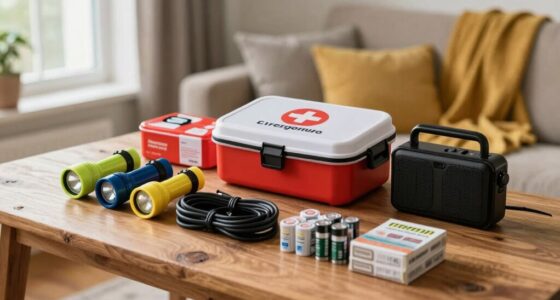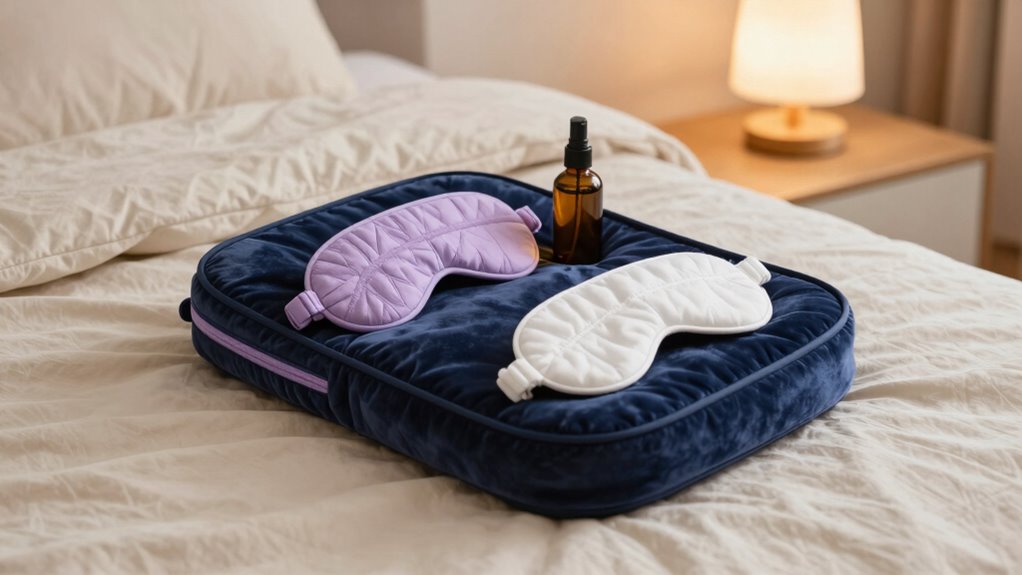

To make sleep possible during an overnight outage, focus on creating warmth, reducing noise and light, and managing your environment with layered blankets, thermal clothing, and blackout coverings. Use earplugs, white noise, or sleep masks to block disturbances. Keep essential devices powered with portable batteries or solar chargers, and choose insulating mats or sleeping bags rated for cold temperatures. If you stay tuned, you’ll discover more ways to stay comfortable and rested through the night.

Get backup power and energy gear delivered free with Prime
- Fast, free delivery on millions of items
- Prime Video, Amazon Music and more included
- Member-only deals all year
Key Takeaways
- Proper insulation and sealing of windows and doors prevent heat loss, maintaining a comfortable sleeping environment.
- Layered clothing, thermal blankets, and insulated sleeping gear keep body heat consistent despite power outages.
- White noise machines and earplugs mask external noise, aiding relaxation and sleep quality.
- Portable power sources ensure critical devices like lights and sleep aids remain operational overnight.
- Alternative heating methods, such as portable heaters or natural heat sources, sustain warmth during outages.
portable battery pack for power outages
As an affiliate, we earn on qualifying purchases.
As an affiliate, we earn on qualifying purchases.
Ensuring Adequate Warmth With Clothing and Blankets

To stay warm during a power outage, layering your clothing and using blankets effectively is essential. Start by wearing multiple lightweight, breathable layers that trap body heat, such as thermal shirts, sweaters, and insulated jackets. Add a hat, socks, and gloves if temperatures drop further. Use blankets generously, opting for thick wool or fleece to boost warmth. Emergency Mylar blankets are excellent for retaining heat in a compact form, especially if you need to move or evacuate. Combine these with sleeping bags rated for cold weather for overnight comfort. Seal gaps around windows and doors with towels or draft stoppers to prevent heat loss. Incorporating proper insulation techniques can help reduce overall heat loss and keep your living space warmer for longer. Additionally, using insulated curtains or window covers can further minimize heat escape through windows. Ensuring your sleeping area is well-insulated by adding extra insulation is also a key step to maintaining core warmth and increasing your chances of restful sleep during extended outages. Employing thermal mass strategies, such as placing containers of water near heat sources, can also help maintain consistent warmth in your space.
thermal sleeping bags for cold weather
As an affiliate, we earn on qualifying purchases.
As an affiliate, we earn on qualifying purchases.
Creating a Comfortable Sleep Environment

Creating a comfortable sleep environment during a power outage requires intentional preparation to block out light, reduce noise, and maintain body temperature. Use blackout curtains or thick blankets over windows to eliminate light, and consider earplugs or a white noise machine to drown out external sounds. Keep your body warm with layered blankets, sleeping bags, or thermal clothing. Position pillows or rolled clothing to support your neck and back, reducing discomfort. Use a headlamp or lantern with a red filter to see without disturbing others. Place glow sticks or reflective tape along pathways for safe navigation. Minimize disturbances by establishing a calming pre-sleep routine, such as gentle stretching or reading. Additionally, portable power sources can help run essential devices and create a more comfortable environment. Being aware of emergency preparedness strategies can further enhance your ability to sleep comfortably during outages. Regularly checking your home safety equipment ensures it functions properly when needed. Incorporating air quality considerations and using air purifiers where possible can also contribute to a healthier sleep environment. Planning ahead for power outages by having backup lighting and thermal supplies can significantly improve sleep quality during unexpected disruptions. These steps help create an environment conducive to restful sleep despite limited power.
As an affiliate, we earn on qualifying purchases.
Managing Light and Noise for Restful Sleep
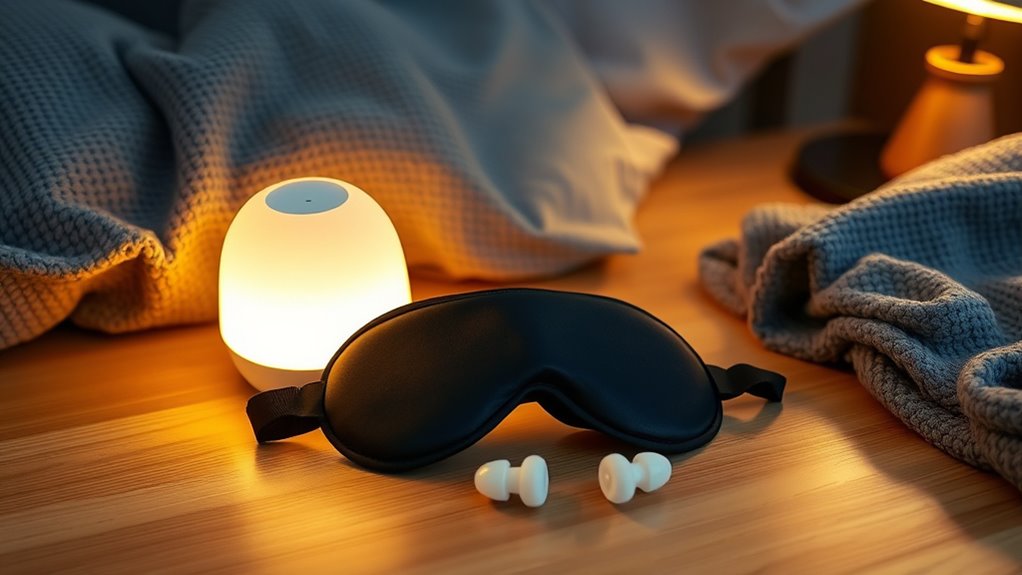
Managing light and noise during a power outage is essential for maintaining restful sleep. To block out unwanted light, use battery-powered lanterns, flashlights, or glow sticks, and consider glow-in-the-dark tape for marking pathways. Sleep masks can help eliminate ambient light from flashlights or other devices. For added convenience, portable blackout solutions such as collapsible window covers can further reduce light infiltration. Additionally, using light-blocking curtains made from heavy fabrics can help improve sleep quality during extended outages. Noise control is equally important; earplugs are effective at reducing disruptive sounds, while a fan or white noise machine powered by a battery or solar source can mask external disturbances. Keep flashlights and lanterns handy but turn them off once you’re settled, to prevent light from disturbing your rest. Creating a dark, quiet environment minimizes sleep disruptions, helping you conserve energy and stay rested during an outage. Prioritize simple, portable solutions to maintain a calm, sleep-friendly space. Utilizing soundproofing techniques can further enhance your sleep environment during extended outages. Additionally, incorporating water-based calming methods such as a warm bath or soothing aquatic sounds can promote relaxation and better sleep quality.
As an affiliate, we earn on qualifying purchases.
Selecting the Right Sleep Gear and Positioning
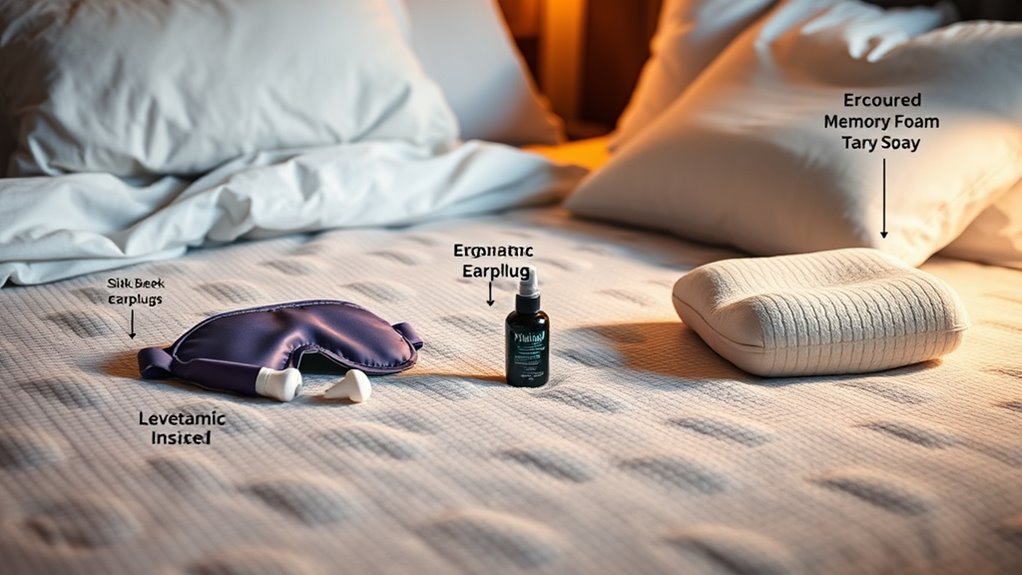
Choosing the right sleep gear and positioning can make a big difference in your rest during an outage. Use a sleeping bag rated for the expected temperatures to stay warm and avoid discomfort. Adding an insulated pad keeps you off cold floors and enhances sleep quality. Adjust your position to reduce strain—try side or fetal positions for better comfort. Pillows or rolled clothing support your neck and back, preventing aches. Consider earplugs and sleep masks to block noise and light, helping your circadian rhythm. Proper gear and positioning create a more restful environment, even in challenging conditions. Additionally, understanding sleep posture can optimize comfort and spinal alignment during sleep. Paying attention to sleep environment factors like temperature and noise levels can further improve your rest during outages. Maintaining a consistent sleep routine can also help your body adapt to these temporary conditions. Being mindful of body positioning during sleep can reduce discomfort and improve overall rest quality. Incorporating sound therapy or calming noises can also promote relaxation and better sleep in disruptive settings.
Maintaining Body Temperature Throughout the Night
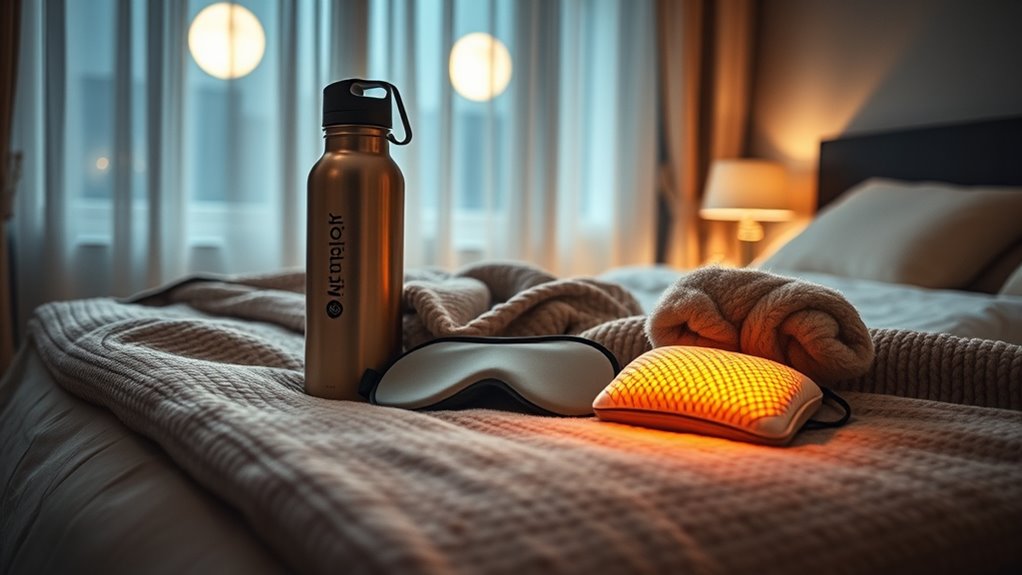
To stay warm throughout the night during an outage, you need to focus on insulating your body from cold environments and conserving your heat. Start by layering blankets, sleeping bags, and warm clothing to trap body heat effectively. Emergency Mylar blankets are compact and high in heat retention, making them ideal for short-term use or emergencies. Seal windows and doors to minimize heat loss, and close off unused rooms to concentrate warmth where you sleep. Use insulated sleeping pads or mats to create a barrier from cold floors, and choose sleeping bags rated for the expected temperatures. Wearing a hat or thermal hat during sleep can also help retain heat. These strategies work together to keep your core temperature stable throughout the night. Additionally, understanding the importance of reliable backup power can ensure that heating devices remain operational during an outage, further enhancing your comfort and safety. Knowing how to manage energy sources effectively can make a significant difference in maintaining warmth when traditional utilities are unavailable. Incorporating connected home technology like smart thermostats or battery-powered heating solutions can also provide more consistent warmth and peace of mind during extended outages. Furthermore, having a comprehensive emergency preparedness plan can help you respond quickly and effectively to prolonged power interruptions, ensuring sustained warmth and safety. Being aware of alternative heat sources such as portable heaters or fire pits can offer additional options if your primary heating system fails.
Using Portable Power for Essential Sleep Devices
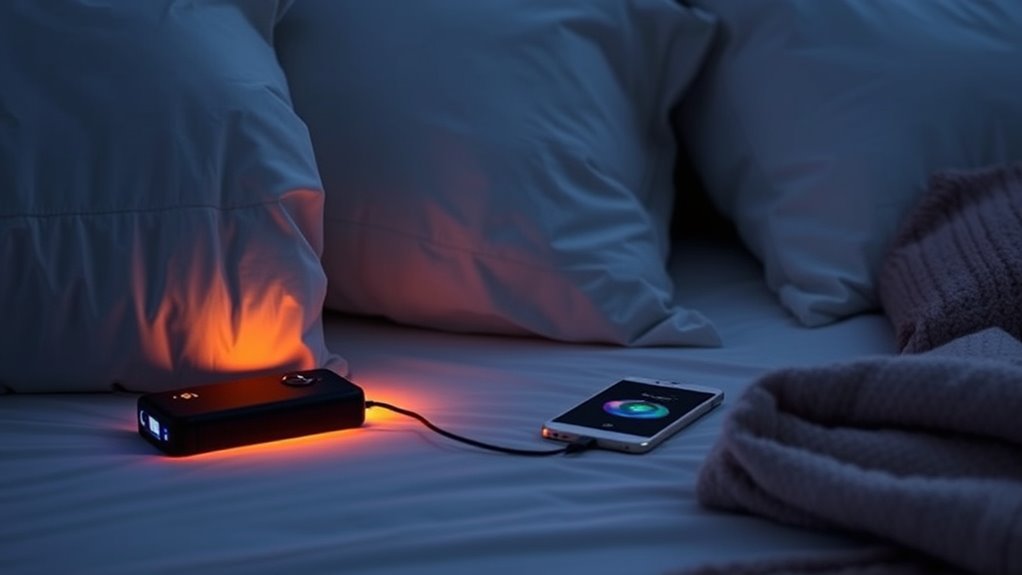
To make the most of your portable power, start by identifying which sleep devices are essential, like your phone or a white noise machine. Then, develop a charging plan that prioritizes these critical items first, so they stay operational throughout the night. By managing your power wisely, you can guarantee your key devices remain functional when you need them most. Additionally, understanding the power requirements of your devices helps ensure your portable power source can handle everything you need without interruptions.
Prioritize Critical Devices
During a power outage, prioritizing your critical devices guarantees you get restful sleep and stay connected. Focus on essential electronics like your phone, medical devices, and emergency radios. Use portable power banks or solar chargers to keep these devices operational longer. Limit use to conserve battery life, switching to airplane mode and turning off non-essential features. Identify which devices are vital for safety and comfort, such as CPAP machines or health monitors, and ensure they remain powered. Keep spare batteries for backup and store chargers in a convenient, accessible location. Managing power wisely prevents device failure at crucial moments, helping you maintain communication, monitor health, and access vital information throughout the outage. Prioritization ensures your most important devices stay functional overnight.
Optimize Charging Strategies
Maximizing your portable power resources guarantees that essential sleep devices stay operational throughout an outage. To do this, develop a recharge plan for your batteries, power banks, and solar chargers. Prioritize devices like your phone, medical equipment, and LED lights, ensuring they’re charged when power is available. Use energy-efficient settings and limit device use to conserve battery life. Rotate device usage to extend availability over multiple nights. Keep spare batteries and portable chargers accessible. Use the table below to organize your charging priorities and methods:
| Device | Power Source | Charging Strategy |
|---|---|---|
| Smartphone | Power bank, solar | Fully charge before outage, reuse |
| Medical devices | Backup batteries | Keep charged, rotate usage |
| LED lights | Rechargeable batteries | Recharge daily, conserve power |
| Radios/flashlights | Hand-crank, solar | Use sparingly, recharge regularly |
Preparing for Safe and Restorative Sleep in Cold Conditions

To stay warm and get restful sleep, you need to focus on insulation and proper bedding. Layer blankets, use sleeping bags rated for cold temperatures, and add foam pads or inflatable mattresses to block cold floors. Managing your body temperature with these strategies helps guarantee you wake up refreshed and safe.
Insulation and Bedding Strategies
When facing cold conditions during an outage, insulating your sleeping area and choosing the right bedding are essential for safe, restful sleep. Start by sealing drafts around windows and doors with blankets or towels to prevent heat loss. Use thick, layered blankets or sleeping bags rated for low temperatures to trap heat close to your body. An insulated sleeping pad or foam mat creates a barrier between you and cold floors, improving warmth and comfort. For added insulation, tuck blankets around the sides of your sleeping area or use extra layers over your sleeping bag. Pillows or rolled clothing support your head and neck, reducing discomfort. Combining these strategies helps you retain body heat and promotes a more restful sleep despite the cold.
Managing Body Temperature
Keeping your body temperature stable during a cold outage is essential for safe, restful sleep. When it’s chilly, your body loses heat quickly, risking hypothermia and sleep disruption. To stay warm, focus on insulation and effective layering. Use these strategies:
- Wrap yourself in multiple blankets or sleep in a warm sleeping bag.
- Wear layered clothing, including thermal underwear and insulated socks.
- Use emergency Mylar blankets for extra heat retention around your core.
- Seal windows and doors to prevent drafts and heat loss.
- Place insulated mats or foam pads beneath your sleeping area to block cold floors.
These steps help maintain your core temperature, keeping you comfortable and safe through cold nights. Proper thermal management guarantees you get the rest your body needs to recover and stay healthy during an outage.
Practical Tips for a Peaceful Night During Power Outages
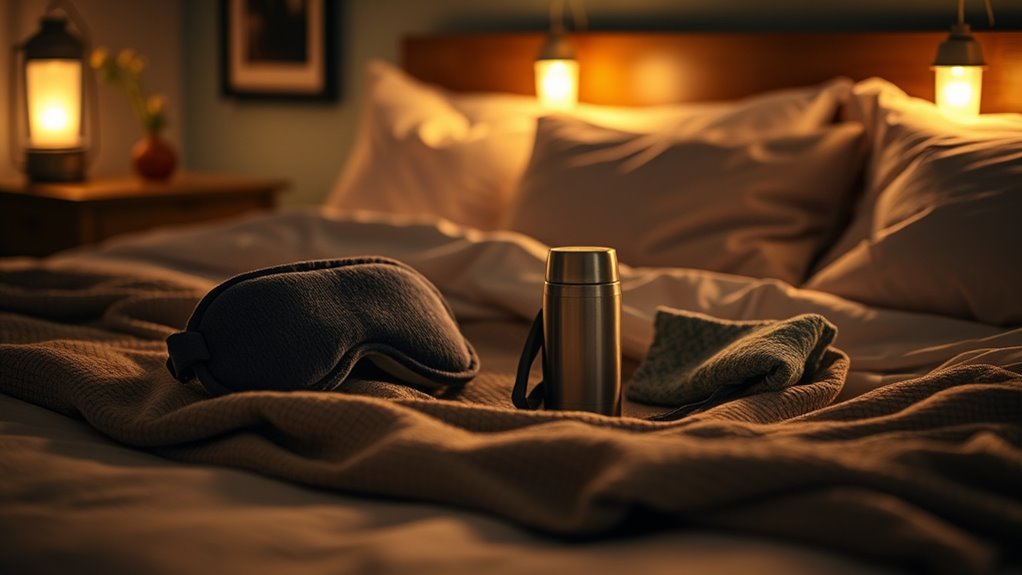
A power outage doesn’t have to disturb your sleep if you prepare ahead of time with simple strategies. First, use battery-powered flashlights, lanterns, or glow sticks for consistent lighting without draining batteries. Keep spare batteries handy and consider headlamps for hands-free navigation. To stay warm, layer blankets, use space blankets, and close off unused rooms to conserve heat. Elevate your head with pillows or rolled clothing to improve comfort and reduce congestion. Practice a calming pre-sleep routine—drink water, do light stretching, or read with low light. Manage device use wisely by charging essential electronics with power banks and turning devices to airplane mode to prolong battery life. These small steps help create a peaceful environment, even when the power’s out.
Frequently Asked Questions
How Can I Prevent Hypothermia During a Long Outage?
To prevent hypothermia during a long outage, you should layer your clothing with warm, moisture-wicking fabrics and use emergency blankets or sleeping bags rated for cold temperatures. Keep your head, neck, and extremities covered, and insulate yourself from the cold ground with foam or inflatable pads. Stay active when possible, avoid sweating, and seek shelter in the warmest part of your home, sealing drafts and blocking wind.
What’s the Best Way to Block Out Noise While Sleeping?
You can block out noise while sleeping by using earplugs or a sleep mask to create a quiet, dark environment. Additionally, placing pillows or rolled clothing around your head can help absorb sound. If possible, choose a secluded or insulated spot to reduce external noise. Using a white noise machine or fan can also mask disruptive sounds, helping you relax and get restful sleep despite the noise.
Which Sleep Gear Is Safest in Cold, Power Outage Conditions?
Imagine wrapping yourself in a cozy, insulated cocoon—your safest sleep gear in cold outages. Use a high-rated sleeping bag paired with an insulated pad to block the chill from the ground. Layer with thermal blankets and wear warm clothing, like a protective shield. These elements work together to keep your body heat in, making your sleep safe, restful, and shielded from the cold’s harsh grip.
How Do I Keep My Devices Charged Overnight Safely?
To keep your devices charged overnight safely, use portable power banks or solar chargers, ensuring they’re fully charged beforehand. Prioritize essential devices like your phone and medical equipment, and avoid overloading outlets or using damaged cords. If you need to power multiple items, consider a small inverter or solar generator, but always follow safety instructions. Disconnect devices when not in use to prevent overheating and reduce fire risks.
What Are Quick Tips to Fall Asleep Fast in Cold Darkness?
To fall asleep quickly in cold darkness, keep warm with layered blankets or a thermal sleeping bag. Use earplugs and a sleep mask to block out noise and light. Maintain a consistent bedtime routine—hydrate, have a light snack, and stay calm. Find a comfortable position on an insulated sleeping pad or bed. Focus on deep, slow breathing to relax your body and mind, helping you drift off faster.
Conclusion
With the right preparation, you can turn even the darkest night into a peaceful retreat. Think of your outage kit as a beacon of comfort, guiding you through the silence and cold. By managing your environment and gear wisely, you’re not just surviving—you’re reclaiming restful sleep. Remember, in the stillness of the night, your comfort is your strongest anchor. Embrace these tips and let your resilience be the light that never fades.
Fall Picks
fall essentials
As an affiliate, we earn on qualifying purchases.