To make power outage prep feel normal, incorporate safety routines into your everyday activities, like checking your emergency supplies during weekly chores. Use alternative lighting sources regularly to build confidence and familiarity. Practice your communication plan with loved ones and power drills with household members, all as part of routine household management. View preparedness as proactive rather than stressful. By making small, consistent steps part of your daily life, you’ll gradually feel more resilient—if you keep exploring, you’ll find even more ways to stay prepared.

Get backup power and energy gear delivered free — and shop member deals
- Fast, free delivery on millions of items
- Access to Prime Big Deal Days deals on October 6–7
- Prime Video, Amazon Music and more included
Key Takeaways
- Integrate safety checks and lighting routines into everyday household activities to foster familiarity.
- View emergency preparedness as part of regular household management, not a separate or extreme task.
- Practice communication and lighting drills periodically to build confidence and reduce anxiety.
- Keep preparedness supplies accessible and use them regularly to normalize their presence.
- Cultivate a proactive safety mindset to see preparedness as a natural, responsible habit rather than an emergency reaction.

Power outages can be unpredictable and disruptive, but preparing for them doesn’t have to feel stressful or out of the ordinary. The key is to incorporate simple habits into your routine so that prepping becomes second nature. Instead of viewing it as an emergency, see it as just another part of maintaining your household. Start by establishing a basic emergency communication plan. Decide on a few reliable ways to stay connected if power goes out, like a charged cell phone, a portable charger, or a battery-powered radio. Knowing how to reach loved ones or get updates from local authorities should feel straightforward, not overwhelming. Keep these communication tools accessible and regularly check that they’re functioning properly.
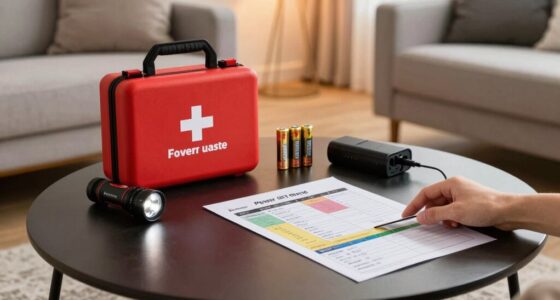
Next, focus on alternative lighting. Instead of scrambling for flashlights or candles in the dark, make this part of your routine. Keep a dedicated kit with battery-powered lights, lanterns, or glow sticks in an easy-to-reach spot. Use them periodically so you’re comfortable turning them on when needed. This not only ensures safety but also normalizes the experience, making it less intimidating. Incorporate these items into your weekly or monthly routines—perhaps during a household check-up or safety drill—so they become familiar fixtures. When you treat these preparations as routine, they feel less like emergency measures and more like smart household management. Familiarity with preparedness routines can also boost your confidence during actual outages.
Another way to normalize power outage prep is to integrate it into your daily life without making it feel like a big deal. For example, when you’re charging your devices, check your emergency supplies and replace or restock items as needed. Practice switching to alternative lighting sources during a quick power blip, so it becomes second nature. You can even set a recurring reminder to review your emergency communication plan, ensuring everyone in your household knows what to do. Developing a power outage preparedness mindset helps make these steps feel natural and routine, reducing anxiety and increasing household resilience. Regularly practicing and updating your emergency preparedness plan ensures everyone remains informed and confident. Incorporating awareness of biodiversity and sustainable practices into your routine can also make your household more resilient and environmentally conscious. Additionally, fostering a mindset of proactive household safety can help you stay calm and prepared in unexpected situations. By doing these small, consistent steps, you help demystify the process, making it a familiar part of your household routines.
As an affiliate, we earn on qualifying purchases.
Frequently Asked Questions
How Long Should I Prepare for a Power Outage?
You should prepare for at least 72 hours of power outages, but planning for a week or more is wise. Keep battery backups charged and ready, and schedule regular generator maintenance to guarantee reliability. Stock enough food, water, and supplies to last that duration. Being proactive with these preparations helps you stay calm and confident, making power outages feel less overwhelming and more manageable.
What Are the Best Non-Electrical Entertainment Options?
During a power outage, you can enjoy simple, non-electrical entertainment like board games or reading a book. For example, imagine a family gathering around a candlelit table, playing Monopoly or reading stories aloud. These activities keep you engaged without relying on electricity, making outages feel less disruptive. You’ll find that board games and book reading foster connection and relaxation, helping you stay calm and entertained until power is restored.
How Can I Keep My Pets Safe During Outages?
To keep your pets safe during outages, guarantee pet safety by providing a secure, comfortable space away from hazards. Have emergency feeding supplies ready, like canned food and bottled water, to keep them nourished. Keep their ID tags updated and have a leash nearby for quick outings if needed. Monitor their behavior for stress or illness, and stay calm to help them feel secure during the power outage.
What Are Affordable Ways to Store Emergency Supplies?
You can use affordable storage options like plastic bins, stackable containers, or repurposed boxes to organize your emergency supplies. Label each container clearly to guarantee easy access and quick identification during emergencies. Focus on creating an efficient emergency organization system that keeps essentials like water, non-perishable food, and first aid supplies in one accessible spot. This approach helps you stay prepared without breaking the bank.
How Do I Communicate During a Blackout?
During a blackout, you can maintain emergency communication by using a charged cell phone with messaging apps or calling someone you trust. Keep a battery-powered or hand-crank radio for updates. For alternative signaling, consider using a flashlight, reflective surfaces, or signal mirrors to attract attention. Keep a whistle handy to alert others, and establish a communication plan with family members beforehand to coordinate efforts safely and effectively.
portable phone charger power bank
As an affiliate, we earn on qualifying purchases.
As an affiliate, we earn on qualifying purchases.
Conclusion
Now, imagine the soft glow of lanterns flickering as the night settles in, turning an outage into a cozy pause. By embracing your prep routine, you’ll find comfort in the quiet hum of preparedness—like a familiar song played softly in the background. With each step, power outage prep becomes part of your rhythm, a natural rhythm that keeps you steady and confident, even when the lights go out.
As an affiliate, we earn on qualifying purchases.
emergency radio with NOAA weather alerts
As an affiliate, we earn on qualifying purchases.
As an affiliate, we earn on qualifying purchases.
Fall Picks
fall essentials
As an affiliate, we earn on qualifying purchases.