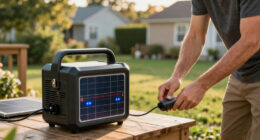
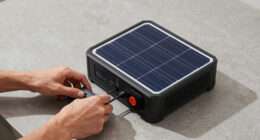
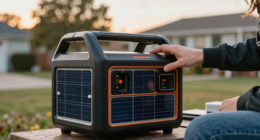
During a power outage, help neighbors by setting clear expectations about what you can provide and for how long. Prioritize safety by keeping distance from downed lines and using insulated tools. Offer practical support like water or a short ride, but avoid overcommitting yourself. Coordinate with community resources and communicate openly to prevent misunderstandings. If you continue, you’ll discover effective ways to assist while protecting your limits and ensuring safety.
Key Takeaways
- Communicate clearly about your help limits, duration, and boundaries to prevent overcommitment.
- Pool community resources and coordinate efforts to avoid duplicate assistance.
- Prioritize safety by maintaining distance from hazards and using proper equipment.
- Offer practical support like essential supplies within manageable timeframes, avoiding risky tasks.
- Prepare in advance with supplies, contact lists, and contingency plans to respond effectively without overextending.

Emergency Zone Power Outage Emergency Kit – Premium | Power Outage Essentials w/Emergency Light for Hurricane Prep, Tornado Emergency Kit, Etc | Power-Loss Ready Emergency Supplies for The Dark
✅【Kit Includes】: 1x Durable Nylon Pouch, 6x Candles, 4x Light Sticks, 2x Pocket CREE Mini LED Flashlight, 2x…
As an affiliate, we earn on qualifying purchases.
As an affiliate, we earn on qualifying purchases.
Set Clear Expectations for Your Assistance

To make certain your help is effective and respectful of everyone’s needs, it’s essential to establish clear expectations from the outset. Be transparent about what you can realistically provide—whether it’s a temporary power bank, a ride to a shelter, or a few hours of checking on neighbors. Clearly state the duration and scope of your assistance, so neighbors know what to expect and can plan accordingly. Avoid overpromising; instead, communicate your limits upfront. Use brief, factual updates via text or group messages to share safety information and available support. Keeping records of borrowed items and establishing specific return times help prevent misunderstandings. Additionally, understanding projector specifications can help tailor your offering to match neighbors’ needs more precisely. Recognizing cloud server capabilities can further improve coordination and resource sharing during outages. Familiarity with emergency communication protocols can also enhance the clarity and effectiveness of your support efforts. Building trust through honest communication and community resource awareness can make your assistance more impactful and appreciated. Being aware of wellness technology tools can help identify additional resources that may benefit neighbors during outages. By setting boundaries early, you foster trust and ensure your aid remains helpful without creating additional stress or liability.
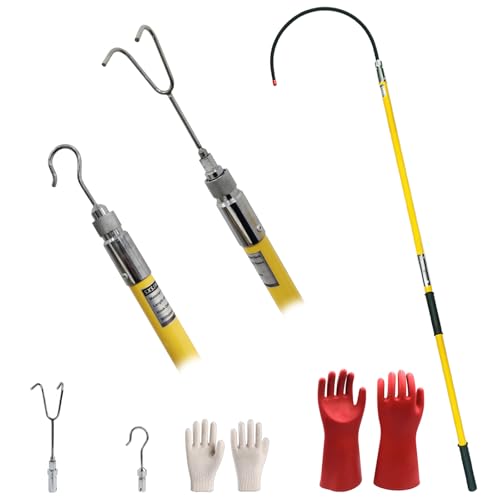
High Voltage Insulated Rescue Hook Withstands 66KV,6 FT Fiberglass Rescue Pole with 3 Style Hooks,Hotstick Rescue Hook with Storage Bag & 10kv Insulated Gloves for Electrical Safety
Fire Rescue Tools: Insulated rescue hook is the main safety tool to protect workers in power work, and…
As an affiliate, we earn on qualifying purchases.
As an affiliate, we earn on qualifying purchases.
Prioritize Safety When Helping Neighbors

When helping neighbors, always keep a safe distance from downed power lines and energized equipment to prevent injury. Use proper tools and follow safety guidelines to avoid creating hazards or risking electrocution. Remember, safety comes first—never rush into a situation that could put you or others at risk. Additionally, being aware of outage etiquette can help ensure your assistance is effective without overcommitting or jeopardizing your own safety. Recognizing the importance of natural pool safety measures can further protect everyone involved in outdoor activities. Staying informed about power outage safety tips can also help you respond appropriately during emergencies. Incorporating nanotechnology advancements in safety equipment can further enhance protection during such incidents.
Maintain Safe Distance
Maintaining a safe distance is essential whenever you’re assisting neighbors during an outage. Keep at least 30 to 50 feet away from downed power lines or damaged equipment to avoid electrical hazards. Never attempt to move or fix energized lines; call emergency services or the utility company instead. When offering help, avoid close contact with individuals who might be exposed to live electrical sources. Use tools with insulated handles if necessary, and stay aware of your surroundings.
| Hazard | Safe Distance | Action |
|---|---|---|
| Downed power lines | 30–50 feet | Call authorities immediately |
| Gas leaks | Evacuate area | Report to emergency services |
| Flooded electrical areas | Keep away | Avoid entering until cleared |
Use Proper Equipment
Using proper equipment is essential to guarantee your safety and that of others while assisting neighbors during an outage. Always wear insulated gloves when handling electrical devices or cords to prevent shocks. Use only certified, outdoor-rated extension cords and generators designed for safety. Never operate a generator indoors or in enclosed spaces; carbon monoxide buildup can be deadly. Keep flashlights and battery-powered radios handy—avoid open flames or candles to prevent fires. When moving or installing equipment, ensure power is turned off and unplugged to prevent surges. Use tools with insulated handles and follow manufacturer instructions closely. Additionally, understanding modern safety standards can help you stay protected during power outages. Proper air purifier maintenance can also be beneficial in maintaining indoor air quality when power is restored. Being aware of piercing care and hygiene practices can prevent additional health issues during extended outages, especially if you or your neighbors have recent piercings or wounds. Familiarizing yourself with emergency response procedures can further enhance your safety and effectiveness during outages. By equipping yourself with the right gear, you reduce risks and help your neighbors effectively without putting yourself in harm’s way.
Avoid Power Hazards
To stay safe during power outages, it’s crucial to avoid contact with downed power lines or exposed electrical equipment. Always keep at least 30–50 feet away from fallen wires and call emergency services or the utility company immediately.
- Never operate or move portable generators indoors or in enclosed spaces—carbon monoxide poisoning is a real risk.
- Keep flashlights and battery-powered radios handy; avoid open flames like candles to prevent fires.
- If someone touches energized equipment, don’t touch them—call 911 and the utility for rescue.

MARBERO Portable Power Station 88Wh Camping Lithium Battery Solar Generator Fast Charging with AC Outlet 120W Peak Power Bank(Solar Panel Optional) for Home Backup Outdoor Emergency RV Van Hunting
EFFICIENT CHARGING: Use the adapter included in the package to charge the power station from 0 to 80%…
As an affiliate, we earn on qualifying purchases.
As an affiliate, we earn on qualifying purchases.
Focus on Practical and Limited Support

Focusing on practical and limited support during an outage guarantees that help remains manageable and effective. You should offer resources like bottled water, nonperishable food, and basic tools such as a manual can opener, limiting assistance to a 48–72 hour window. Sharing portable power banks or solar chargers can provide short-term relief but requires documented arrangements to prevent overcommitment. Providing flashlights, batteries, and radios helps neighbors stay informed without creating long-term dependencies. If needed, help with temporary heating or cooling by offering safe space in a vehicle or a single-room generator hookup—always following safety guidelines. Proper backup power safety measures should be followed to prevent accidents and ensure everyone’s well-being. Regularly reviewing emergency preparedness plans with neighbors can improve community resilience and response. Instead of taking on extensive responsibilities, coordinate short rides to medical facilities or shelters, focusing on immediate, achievable support rather than overextending yourself. Ensuring proper safety precautions when using backup power sources is essential to prevent accidents and maintain everyone’s well-being. Being familiar with outdoor safety practices can also help neighbors better prepare and respond during emergencies. Additionally, understanding how to effectively manage limited resources ensures that aid is both sustainable and helpful during prolonged outages.

waterBOB Bathtub Emergency Water Storage Bladder Up To 100 Gallon Capacity – Food Grade Liner with Hand Pump for Hurricane and Disaster Preparedness – BPA Free Drinking Water Container
Space-Saving Up To 100-Gallon Emergency Water Storage: Transform your existing bathtub into a clean, safe water storage system…
As an affiliate, we earn on qualifying purchases.
As an affiliate, we earn on qualifying purchases.
Coordinate With Community Resources Effectively

You can improve outage response by sharing official outage information and connecting neighbors to local resources. Organizing community efforts helps prevent duplication and guarantees everyone gets the help they need. By pooling resources and communicating clearly, you make the response more efficient and reduce individual burdens. Implementing local automation tools can further streamline coordination during outages. Additionally, understanding home systems can help neighbors troubleshoot minor issues safely and effectively. Being aware of emergency communication protocols can also enhance overall community resilience during outages. Familiarity with trusted local businesses and resources can provide additional support and reassurance during extended outages.
Share Official Outage Info
Sharing official outage information is essential for coordinating community efforts effectively. It prevents confusion, guarantees everyone stays informed, and helps prioritize assistance. To do this well:
- Distribute utility outage numbers, local emergency contacts, and shelter locations to neighbors quickly via group chats or flyers.
- Share official updates from utility companies, emergency agencies, and government sources to maintain accurate information flow.
- Encourage neighbors to monitor reliable sources like utility websites, social media, and emergency management apps for real-time updates.
Pool Community Resources
Coordinating community resources requires proactive planning and clear communication with local agencies and neighbors. You should compile essential contact info, like utility outage numbers, emergency services, and nearby shelters, and share it widely. Organize a neighborhood roster of neighbors with medical needs, mobility issues, or critical equipment, using it only for urgent responses. Establish short volunteer shifts—2 to 4 hours—to prevent burnout and ensure ongoing help. Link neighbors to official resources such as outage maps, FEMA, and local emergency management instead of promising quick fixes. Facilitate pooled services like ice or fuel through a trusted coordinator to reduce individual risks. Clearly communicate help limits upfront, keep records of borrowed items, and decline requests that pose legal or safety risks, always prioritizing safety and efficiency. Effective resource management is essential for maintaining community resilience during outages. Additionally, understanding community resilience helps neighbors better prepare and adapt to ongoing challenges.
Maintain Clear Communication and Boundaries

Maintaining clear communication during an outage is essential to guarantee safety and manage expectations effectively. When you communicate openly, you prevent misunderstandings and ensure neighbors know what help is available without overcommitting. To do this effectively:
- Clearly state what assistance you can provide and for how long, like “I can share my power bank for 24 hours.”
- Use brief updates via text or group messages about safety, supplies, and check-ins instead of open-ended offers.
- Keep records of borrowed items, including owner names and return times, to avoid disputes.
Prepare in Advance to Minimize Response Time

Preparing in advance is essential to responding quickly and effectively during an outage. Start by assembling a basic outage kit with enough water, nonperishable food, a flashlight, batteries, a power bank, and cash. Map out nearby public resources like community centers and cooling or warming stations, and share access procedures with neighbors. Encourage households to develop contingency plans for critical medical equipment and refrigeration, including backup batteries and cooling packs. Create a neighborhood contact list and simple emergency checklist to enable fast, low-effort aid. Stockpile essential supplies and keep them accessible. Establish relationships with local vendors for bulk purchases of ice or fuel, and identify trusted volunteers for short shifts. Being prepared minimizes your response time and helps neighbors efficiently without overextending yourself.
Respect Personal Limits and Avoid Overcommitting

Recognizing your personal limits is essential during an outage to prevent burnout and guarantee you can provide effective help. Knowing when to step back keeps you safe and ensures your support remains sustainable.
To avoid overcommitting, consider these tips:
- Set clear boundaries—state what help you can realistically offer and for how long.
- Prioritize your safety—don’t operate unsafe equipment or take on risky tasks.
- Limit your availability—use short shifts or designated times to help, avoiding long, unmanageable commitments.
Frequently Asked Questions
How Do I Determine Which Neighbors Need Immediate Help Safely?
You determine which neighbors need immediate help by checking their medical dependencies first, like oxygen or refrigerated meds. Verify who still has power and assess hazards safely from a distance, avoiding contact with downed lines or dangerous situations. Use communication tools like battery-powered radios or phone banks to gather info, and prioritize those with critical needs. Always stay safe, report hazards, and coordinate assistance without overextending yourself or risking your safety.
What Are the Best Ways to Communicate Boundaries Without Offending Neighbors?
Set clear, kind boundaries by being honest, respectful, and consistent. Explain what help you can offer, how long you’re available, and what you’re unable to do. Use simple language, avoid overpromising, and listen carefully to their concerns. Keep your tone friendly, stay firm yet compassionate, and prioritize open communication. By establishing these boundaries upfront, you help prevent misunderstandings while fostering mutual respect and trust.
How Can I Avoid Burnout While Volunteering During Outages?
To avoid burnout while volunteering during outages, set clear boundaries from the start. Limit your availability to short shifts, like 2-4 hours, and communicate your time limits honestly. Prioritize your own safety and well-being, and don’t hesitate to say no to requests that exceed your capacity. Rotate responsibilities with others to share the load, and take breaks when needed to recharge physically and emotionally.
What Safety Precautions Should I Follow When Assisting With Generator Use?
When helping with generator use, always follow safety guidelines. Keep generators outdoors and away from windows to prevent carbon monoxide buildup. Never operate them inside or in enclosed spaces. Use heavy-duty extension cords rated for outdoor use, and verify proper grounding. Turn off the generator before refueling to avoid fires. Keep children and pets away, and never connect generators directly to home wiring unless a transfer switch is installed by a professional.
How Do I Handle Requests for Long-Term Shelter or Ongoing Support?
You should set clear boundaries by explaining your available help and time limits upfront. Offer short-term assistance like a night’s shelter or a few hours of power, and communicate your expectations. Avoid long-term commitments to prevent burnout. Keep records of what you lend or agree to, and politely decline requests that could pose safety or legal risks. Encourage neighbors to use community resources and emergency services for ongoing needs.
Conclusion
By setting clear boundaries and communicating openly, you can be a reliable neighbor without overextending yourself. Think of it like tending a delicate garden—nurturing without overwhelming. Prioritize safety, focus on practical help, and coordinate with community resources to make a meaningful impact. Remember, your support is valuable, but respecting your limits guarantees you can continue to be helpful when your neighbors need you most. Balance is the key to effective outage etiquette.