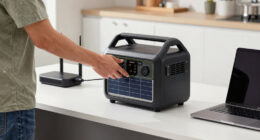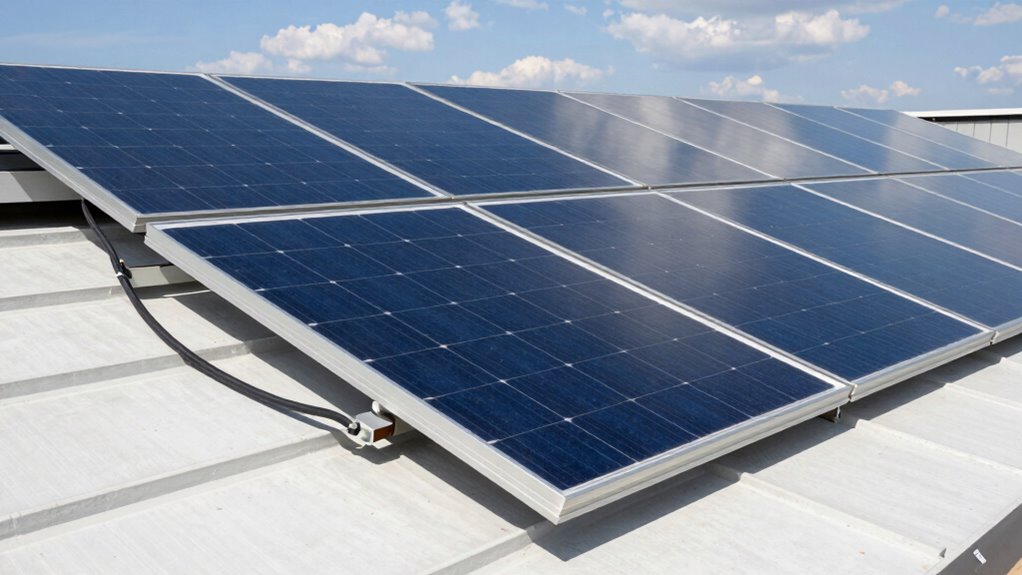

To store solar panels safely, gently coil cables with wide loops following the natural bend radius, avoiding sharp bends or twists. Keep the environment dry, cool, and protected from UV exposure to prevent damage to cables and connectors. Cover panels with breathable material and disconnect all connections, insulating and securing cables properly. Regularly inspect and clean connectors with isopropyl alcohol. For more tips on keeping your system intact, learn how proper storage techniques can make a difference.
Key Takeaways
- Coil cables loosely with gentle bends, securing them without overtightening to prevent internal conductor damage.
- Store panels upright or flat in a dry, cool, and shaded area to avoid warping and UV damage.
- Disconnect and insulate cables, using Velcro straps or cable ties to keep bundles organized and prevent strain.
- Clean connectors with isopropyl alcohol and cover unused ends to prevent corrosion before storage.
- Use weather-resistant containers and elevate storage to protect cables and connectors from moisture, pests, and environmental hazards.
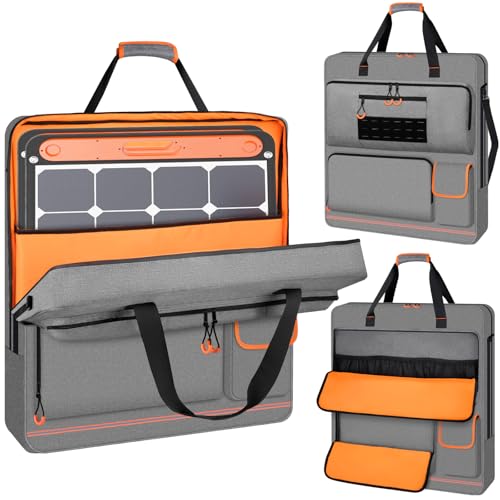
Wigojoy Solar Panel Storage Bag with Orange Lining, Deepened Opening, Zipper with Pull and Multi-Accessory Space Solar Panel Travel Carrying Case Fit for Jackery SolarSaga 100W 100X 200W, Gray
Large Capacity: Solar panel case size is 23 x 4.5 x 26.5 inches, main compartment double layer design,…
As an affiliate, we earn on qualifying purchases.
As an affiliate, we earn on qualifying purchases.
Proper Cable Coiling and Securing Techniques
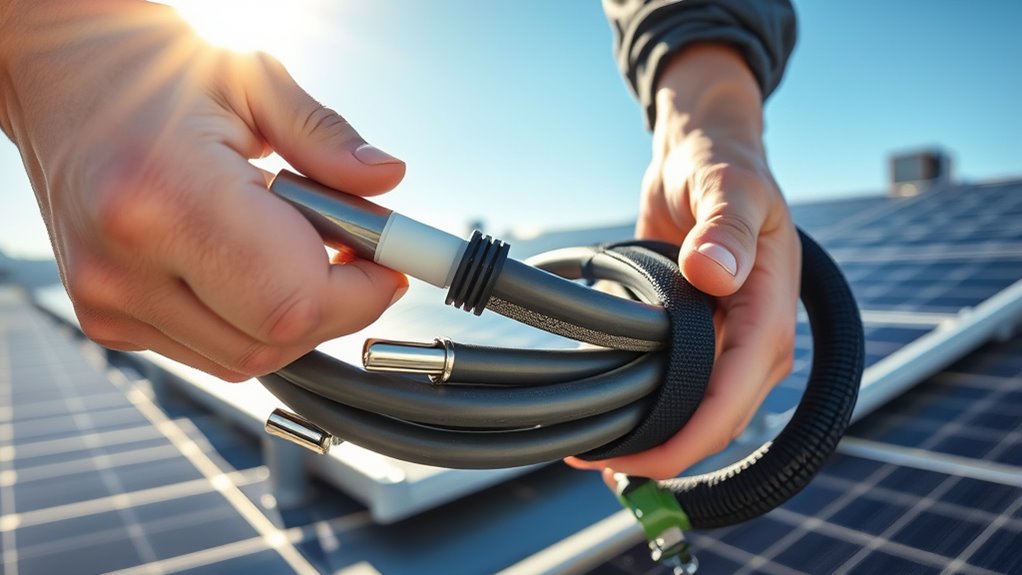
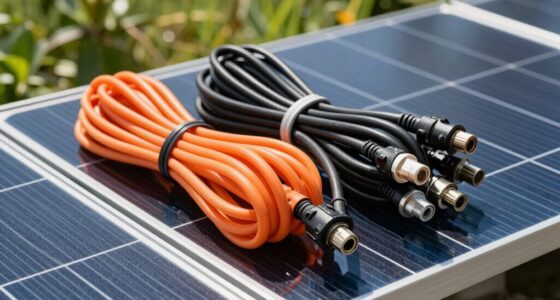
To prevent damage and guarantee easy reconnection, you should coil solar panel cables loosely. Tight coils can cause kinks, stress connectors, and damage insulation. Use your hands to form gentle, wide loops that follow the cable’s natural bend radius. Avoid sharp bends or twists that could harm the internal conductors. Secure the coils with cable ties or Velcro straps, but don’t overtighten—this could crush insulation or connectors. Keep the cables organized and prevent tangling by bundling similar cables together neatly. Label positive and negative cables to streamline reconnection later. Store the coils in a dry, cool place, away from direct sunlight. Proper coiling and securing protect your cables from physical stress, extending their cable lifespan and ensuring reliable performance when you need to reconnect your solar panels. Additionally, understanding the importance of cable insulation quality can help prevent future damage. Proper storage practices also contribute to maintaining cable longevity and performance over time, especially when considering environmental factors that may affect the cables’ durability.

Briliantwerk Solar Panel Cleaning Brush with 20 ft Extension Pole – Water Fed Pole Brush with Soap Dispenser for Solar Panels, Windows & Siding – Heavy Duty, Streak-Free Solar Cleaning Kit
SOLAR PANEL CLEANING BRUSH: Solar panel cleaning brush removes dirt and debris. Works as solar panel cleaner, solar…
As an affiliate, we earn on qualifying purchases.
As an affiliate, we earn on qualifying purchases.
Optimal Environmental Conditions for Storage
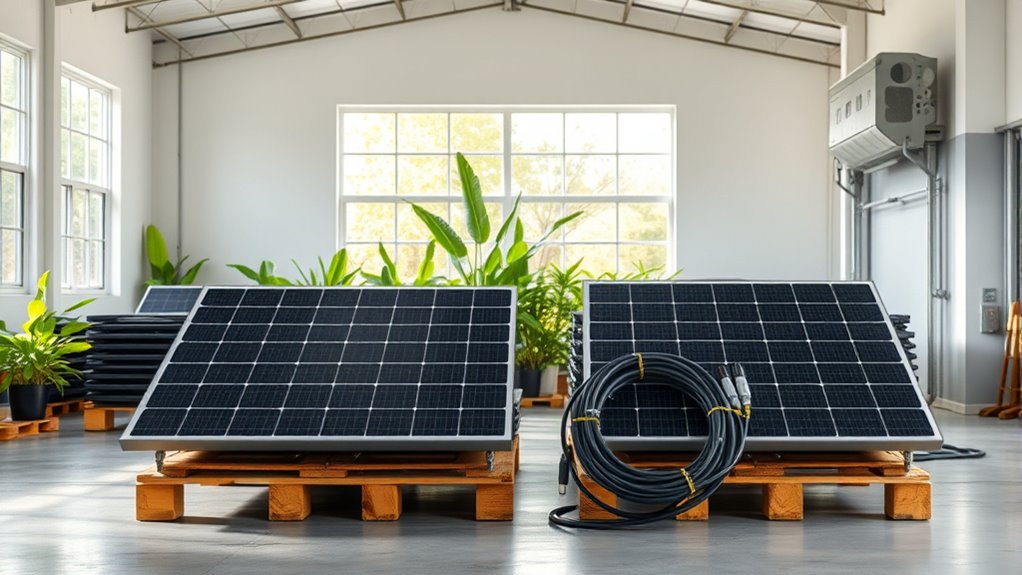
Maintaining the right environmental conditions during storage helps protect your solar cables and connectors from damage over time. To guarantee their longevity, focus on these key factors:
- Keep the storage area dry to prevent moisture buildup, which can cause corrosion.
- Maintain temperatures between 32°F and 104°F to avoid material degradation.
- Shield cables from direct sunlight, reducing UV exposure that can weaken insulation.
Additionally, using protective storage methods can further enhance the preservation of your components by minimizing exposure to harmful elements. Use desiccants or silica gel packs to absorb humidity, and elevate stored cables off the ground to prevent flood or pest damage. Proper airflow and stable temperatures help preserve the integrity of connectors and cables, ensuring they remain functional when you need them. Incorporating climate control techniques can help maintain consistent environmental conditions over time. Moreover, selecting durable materials for storage containers can extend the lifespan of stored components by resisting environmental wear. Choosing containers made from weather-resistant materials can further protect your equipment from environmental wear and tear. Avoid extreme conditions that accelerate wear and compromise your solar system’s performance. Material durability is essential for maintaining the effectiveness of your solar components over time.

Loenel Solar Panel Storage Bag, Solar Panel Carrying Case for 100W 200W 400W RV Solar Panels, Waterproof Portable Protective Case – Black – 50" L X 5.1" W X 29" H
Compatiable Models: This RV solar panel storage bag measures 50"L X 5.1" WX 29"H. It’s suitable for Renogy…
As an affiliate, we earn on qualifying purchases.
As an affiliate, we earn on qualifying purchases.
Care and Maintenance of MC4 Connectors
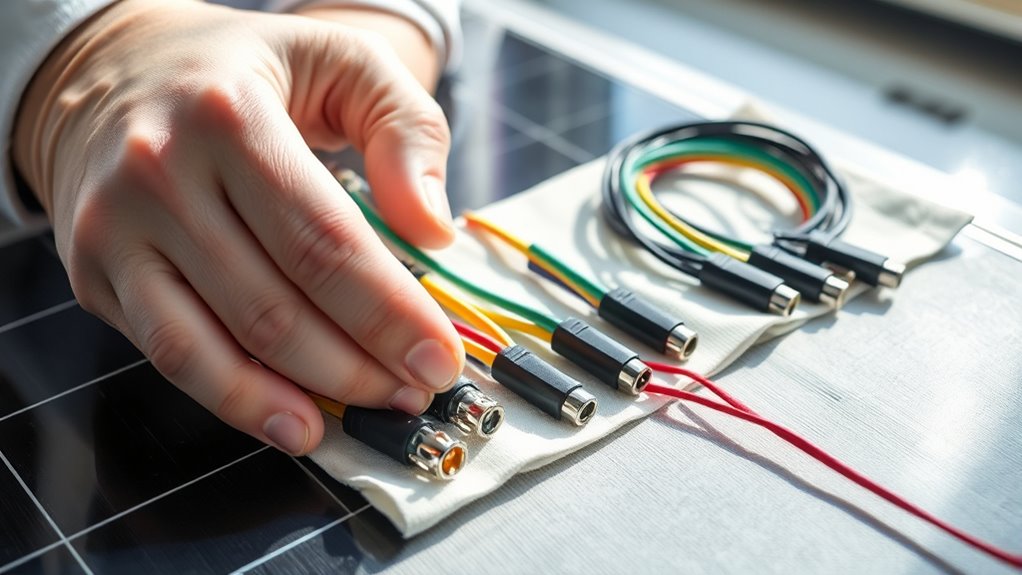
Proper care and maintenance of MC4 connectors are essential to guarantee their reliable performance over time. Always disconnect panels first by covering them with an opaque material to ensure zero voltage. Clean connectors with isopropyl alcohol to remove dirt and debris that can cause corrosion or poor contact. Inspect for cracks, bent pins, or signs of wear, replacing damaged connectors promptly. Use protective covers on unused MC4 ends to keep out dirt, moisture, and contaminants. Avoid relying solely on shrink sleeves; instead, use proper crimping tools for secure, weather-resistant connections. Store connectors in a dry, cool place, protected from direct sunlight. Regularly check the condition of connectors during storage to prevent issues that could compromise system performance later on. Additionally, understanding the importance of proper connection techniques can significantly extend the lifespan and efficiency of your solar power system. Ensuring proper connection integrity is vital for maintaining optimal energy output and system durability over time. Maintaining clean and well-connected MC4 connectors also helps prevent corrosion and degradation, ensuring long-term system reliability. Incorporating routine inspections into your maintenance routine can help identify potential issues early, avoiding costly repairs or system failures. Remember that consistent maintenance practices are key to maximizing the lifespan of your solar setup and preventing unforeseen problems.

Snap Wrap | Pro Silicone Magnetic Cable Organizer 6-Pack | Easy One-Hand Operation Cable Management Bands for Home, Office, and Travel | Tidy Cable and Wire Storage
New: Unique patented design available for purchase for the first time ever, beginning 11/14/2024.
As an affiliate, we earn on qualifying purchases.
As an affiliate, we earn on qualifying purchases.
Best Practices for Long-Term Panel Storage
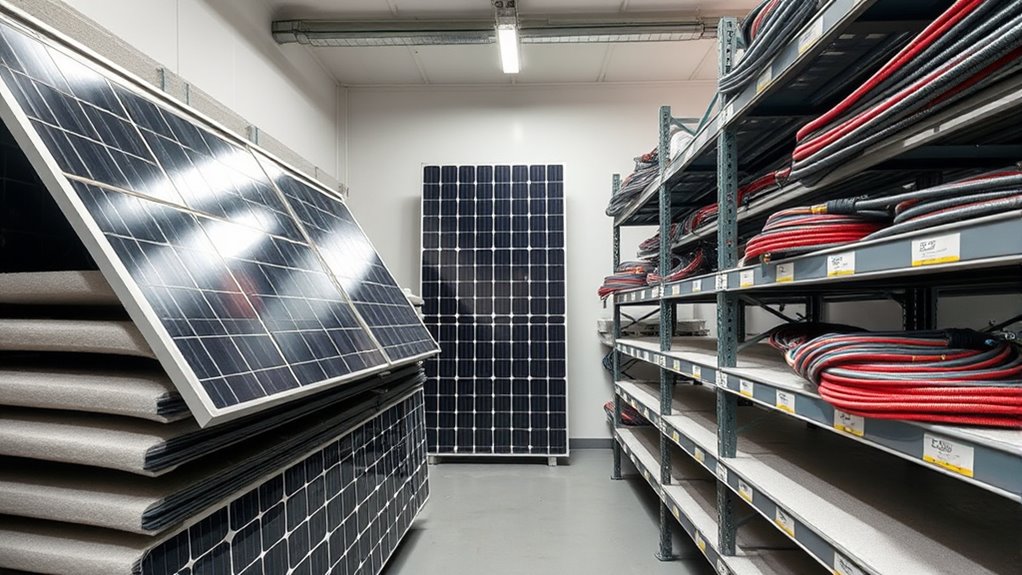
When storing solar panels for the long term, you need to take steps that protect both the panels and their components from environmental damage. First, choose a dry, cool location away from direct sunlight and temperature fluctuations. Second, ensure panels are stored flat or upright with adequate support to prevent warping or stress on connectors. Third, take these precautions:
Proper long-term solar panel storage involves protecting them from environmental damage and ensuring safe handling.
- Cover panels with breathable material to shield from dust and UV exposure.
- Disconnect and insulate cables, securing them neatly with Velcro straps.
- Inspect panels regularly for cracks or damage, and clean connectors with isopropyl alcohol before storage. Additionally, consider smart monitoring systems to keep track of panel performance during storage and ensure optimal operation when reinstalled. Proper cable management and regular checks help extend the lifespan of your solar equipment. Incorporating environmental protection methods can further safeguard your panels from humidity and corrosion during storage. Implementing proper storage techniques is essential to maintaining the integrity and efficiency of your solar panels over time. Utilizing appropriate storage practices that account for environmental factors can significantly enhance the longevity of your panels and connectors.
Identifying and Avoiding Common Storage Hazards
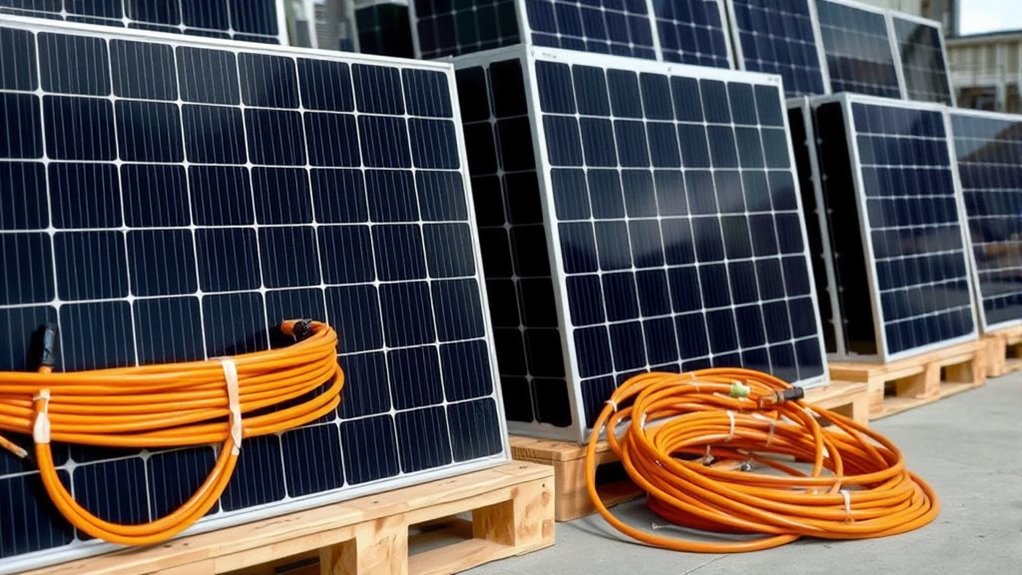
Identifying and avoiding common storage hazards is essential to protecting your solar panels and their components from damage. First, watch out for sharp bends in cables, which can strain connectors and cause failures. Loosely coil cables and secure bundles with ties or Velcro, avoiding overtightening. Keep storage areas dry and elevated to prevent moisture and pest damage, and shield panels from direct sunlight to avoid UV degradation. Be cautious with high voltage lingering in disconnected panels, as it can cause minor heating. Avoid storing panels near debris or shading objects that can increase exposure to dirt or moisture. Properly fuse panels to prevent overloads, and ensure grounding systems are correctly installed to avoid static buildup. Regular inspections and careful handling are your best defenses against these hazards. Additionally, understanding safe electrical practices can further reduce the risk of accidents and prolong the lifespan of your solar equipment. To further enhance safety, always disconnect and discharge panels before handling or storage, following recommended electrical safety procedures. Incorporating proper storage techniques can make a significant difference in maintaining the longevity of your solar investments. Being aware of storage environment considerations can also help prevent unintended damage caused by environmental factors.
Innovative Solutions for Safe and Efficient Panel Storage
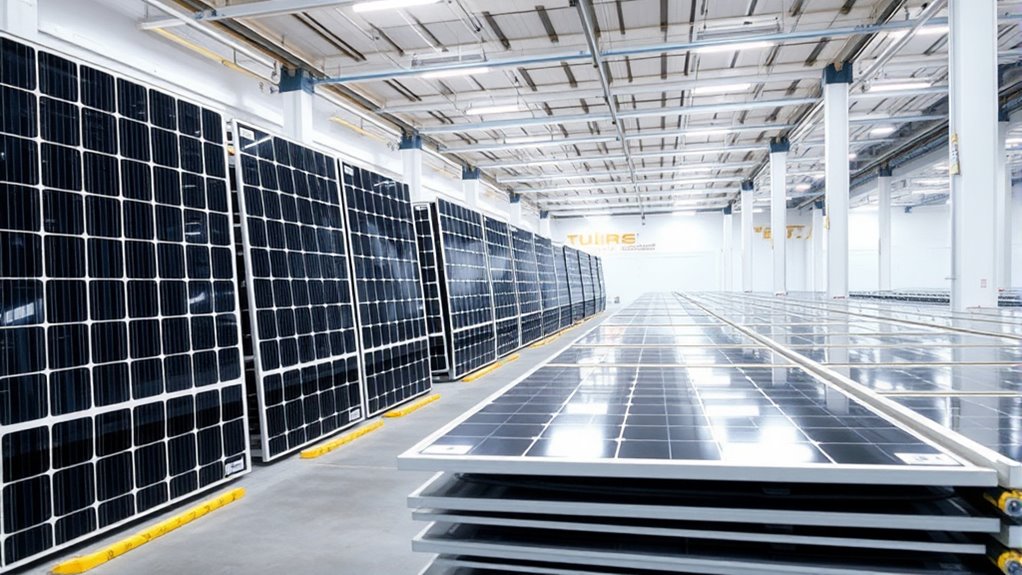
Innovative solutions are transforming how you store solar panels, making the process safer and more efficient. These advancements minimize cable damage and simplify organization. First, consider using wireless connectors that transmit power without physical cables, reducing clutter and wear. Second, pre-bundled kits with organized cabling help you quickly deploy and store panels, preventing tangles and strain. Third, microinverters lower the need for extensive wiring, decreasing risk during storage. Additionally, universal fit objects securely hold panels without excess wiring, and concrete-encased ground rods provide durable protection during off-grid storage. Proper cable management techniques, such as cable organization methods, can further prevent damage and ensure longevity, especially when dealing with connectors and wiring in consumer tech setups. Embracing these innovations lets you maintain your solar system with less hassle and greater confidence.
Frequently Asked Questions
How Do I Safely Disconnect Panels Without Damaging Cables or Connectors?
To safely disconnect panels, first cover the panels with an opaque material to block voltage. Then, gently disconnect MC4 connectors using proper crimping tools, avoiding force that could damage pins. Clean connectors with isopropyl alcohol before storage, and cap unused ends with protective covers. Always inspect for cracks or bent pins, and disconnect panels one at a time, ensuring no residual voltage remains, to prevent damage to cables and connectors.
What Are the Signs of Cable or Connector Deterioration Over Time?
You’ll notice cracks, frayed insulation, or discoloration on your cables, indicating deterioration. Bent or cracked MC4 connectors or loose connections suggest wear. If you experience increased resistance or voltage drops, that’s a sign of internal damage. Also, inspect for corrosion or moisture in connectors. Regularly checking for these signs helps you catch issues early, ensuring your system stays safe and efficient over time.
Can Stored Panels Be Reinstalled Without Professional Help?
Yes, you can reinstall stored panels without professional help if you’ve stored them properly. Carefully inspect the panels, cables, and connectors for damage or corrosion. Clean connectors with isopropyl alcohol, check for cracks, and make certain all connections are intact. Use protective covers on unused connectors, and follow safety precautions by disconnecting panels from the system before handling. With patience and proper procedures, you can safely reinstall your panels yourself.
How Should I Handle Cable Extensions During Storage?
When handling cable extensions during storage, you should extend wires with PV wire and new MC4 connectors for future use. Keep extensions organized by bundling them securely with Velcro straps or cable ties, avoiding tight loops that cause stress. Store the extended cables in a dry, cool place, protected from UV damage and moisture. Label each extension clearly for easy reconnection later, and inspect connectors regularly for cracks or corrosion.
Are There Specific Storage Containers Recommended for Outdoor Panel Protection?
A well-chosen container makes all the difference. You should opt for weatherproof, UV-resistant boxes or protective tubes designed for outdoor use, ensuring they’re sturdy and ventilated. These containers shield your panels from moisture, debris, and UV damage while allowing airflow to prevent mold. Make sure to label and organize cables inside, and elevate containers off the ground to avoid flood damage. Proper storage keeps your panels safe and ready for future use.
Conclusion
By mastering these storage tips, you’re set to keep your solar panels in top shape. But what if a hidden hazard lurks, waiting to cause damage? Don’t let your efforts go to waste—stay vigilant and explore the innovative solutions that could transform your storage routine forever. The secret to long-lasting, fully functional panels might just be one smart step away. Are you ready to discover what’s next?