
To find the best spot in your yard, start by observing how shadows move at different times of day and seasons. Use tools like light meters or apps to measure sunlight exposure and identify areas with minimal shade. Avoid obstructions like trees and buildings that cast extensive shade, especially during peak sunlight hours. Planning your garden and solar panel setup around these insights guarantees maximum sunlight. Keep exploring to discover more ways to optimize your yard’s sunlight access.
Key Takeaways
- Assess sunlight patterns throughout the day and year to identify areas with maximum direct sunlight exposure.
- Map shade sources like trees and buildings using solar path diagrams or sun tracking tools.
- Measure sunlight duration and intensity with light meters or smartphone apps to find optimal spots.
- Observe how shadows shift seasonally and at different times to plan for consistent sun access.
- Position solar panels and garden beds away from tall objects and dense foliage to minimize shading effects.

Jackery Portable Power Station Explorer 300, 293Wh Backup Lithium Battery, Solar Generator for Outdoors Camping Travel Hunting Blackout (Solar Panel Optional)
SPEED UP YOUR RECHARGEABILITY: It takes only 2 hours to recharge 80% battery of the power station through...
As an affiliate, we earn on qualifying purchases.
Understanding How Shade Affects Sunlight Exposure
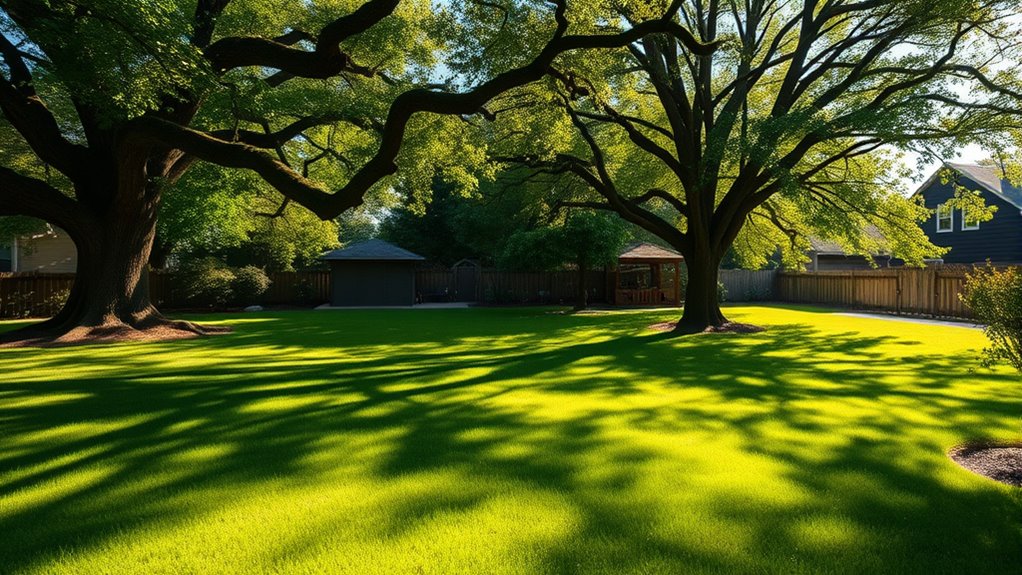
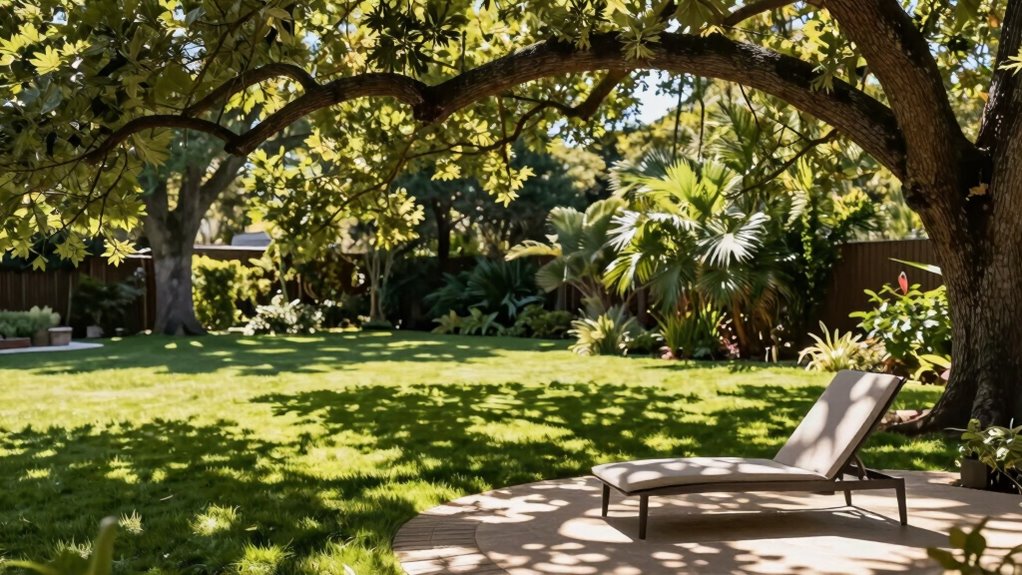
Shade can considerably reduce the amount of sunlight that reaches a surface, affecting plant growth and energy production. Sunlight duration plays a key role; less direct sunlight means plants photosynthesize less, hindering growth. Shade density determines how much light is blocked—thicker shade means less sunlight passes through. If your yard has high shade density, expect shorter periods of direct sunlight each day. Conversely, areas with lighter shade or sparse foliage allow more sunlight for longer periods. Understanding these factors helps you identify how shade influences your yard’s sunlight exposure. Recognizing the relationship between shade density and sunlight duration is essential for planning ideal spots for gardening, outdoor activities, or solar energy collection. This knowledge allows you to maximize sunlight access where it’s needed most. Understanding shade density can also inform decisions about European cloud servers and other energy-efficient solutions that depend on optimal sunlight exposure.]
49 Min UltraFast Recharging: With upgraded HyperFlash tech, fully recharge at 1,600W—for outage prepping, camping trips, or tailgating... As an affiliate, we earn on qualifying purchases.
Anker SOLIX C1000 Gen 2 Portable Power Station, 2,000W (Peak 3,000W) Solar Generator, Full Charge in 49 Min, 1,024Wh LiFePO4 Battery for Home Backup, Power Outages, and Camping (Optional Solar Panel)
Identifying Common Sources of Shade in Your Yard
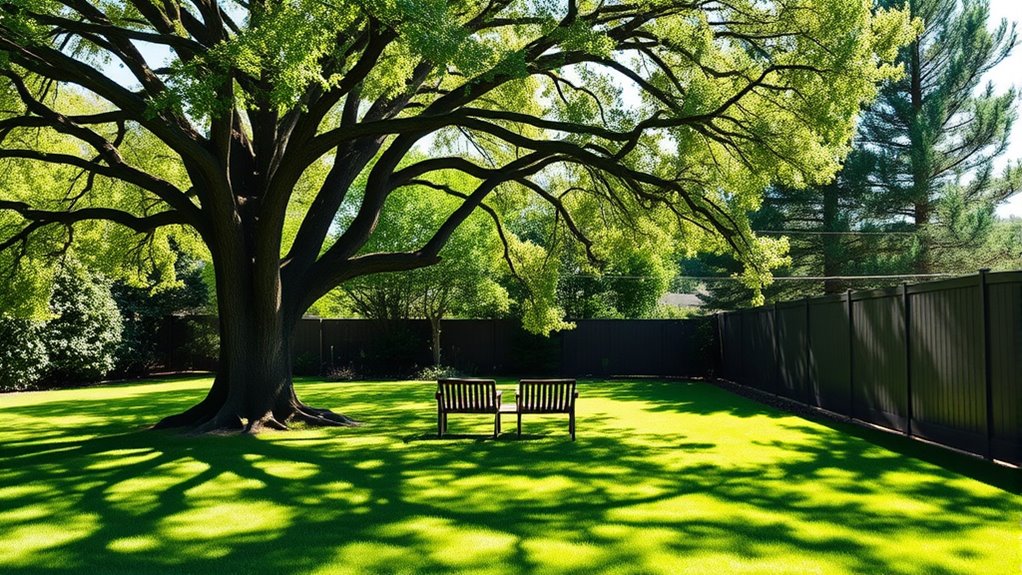
To effectively manage sunlight in your yard, you need to identify the common sources that cast shade. Tree shadows are a primary factor; large or densely foliaged trees can block significant sunlight, especially during peak hours. Pay attention to how these shadows shift throughout the day and seasons to understand their impact on different areas. Building overhangs also create shaded zones, often casting long shadows that limit sun exposure on patios, windows, or garden beds. These overhangs can be permanent fixtures or seasonal features, so observe their coverage over time. Recognizing these sources helps you plan your yard layout better, ensuring you select the sunniest spots for gardens, solar panels, or outdoor living spaces. Being aware of tree shadows and building overhangs allows you to optimize your yard’s sunlight exposure effectively. Additionally, understanding the impact of seasonal changes on shade patterns can help you better anticipate how sunlight will vary throughout the year. For a comprehensive approach, consider shade mapping techniques to visualize how shadows move across your yard during different times of day and seasons. Using smart home automation devices can further assist in monitoring and adjusting for optimal sunlight exposure. Incorporating tools like solar path diagrams can also help you plan for maximum sun exposure in your outdoor spaces.

Jackery Solar Generator 1000 v2 with 200W Solar Panel,1070Wh Portable Power Station LiFePO4 Battery,1500W AC/100W USB-C Output, 1Hr Fast Charge for Outdoor,Off-Grid Living,RV,Emergency
Powerful yet Compact: Boasting a 1,500W AC output and a 3,000W surge peak, the Solar Generator 1000 V2...
As an affiliate, we earn on qualifying purchases.
Tools and Techniques for Measuring Sunlight
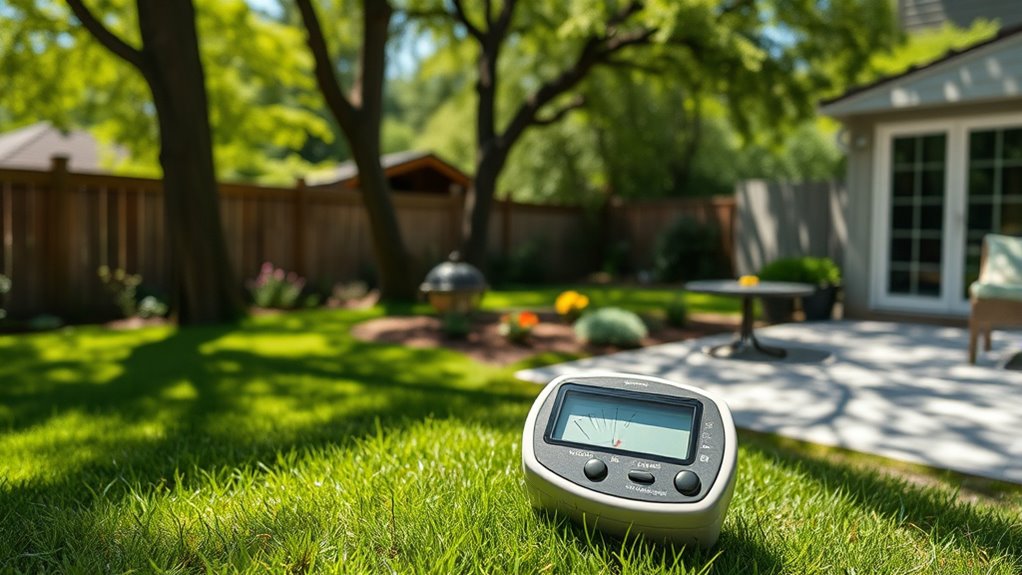
Measuring sunlight accurately requires the right tools and techniques, so you can determine which areas receive the most or least sun throughout the day. A light meter is essential for precise measurements, helping you assess sunlight duration and intensity in different spots. Alternatively, a smartphone app with a light sensor can give quick estimates, though they may be less accurate. Observing plant growth patterns over time also provides clues—plants thriving in sunny areas indicate ample sunlight, while sparse growth suggests shade. Record your observations at various times to understand sun exposure patterns. This information guides you in selecting ideal spots for planting, ensuring your garden gets the right amount of sunlight to promote healthy plant growth. Sunlight exposure is a key factor in garden success. Accurate measurement is key to creating a thriving, sun-optimized yard. Additionally, understanding natural sun patterns can help you predict how sunlight shifts during different seasons, aiding in year-round garden planning. Recognizing seasonal variations in sunlight can further enhance your landscape design and plant placement decisions, especially when considering how solar angles change throughout the year.

BLUETTI Elite 30 V2 Portable Power Station 600W (Power Lifting 1500W), 288Wh LiFePO4 Battery with 10ms UPS, Emergency Backup Power for Home Blackout/Winter Storm, Solar Generator for Camping/Road Trip
[288Wh On-the-Go Power] - Only 9.4 lbs lightweight, carry it anywhere during storms! 288Wh capacity meets daily &...
As an affiliate, we earn on qualifying purchases.
Best Times of Day to Assess Sun Patterns
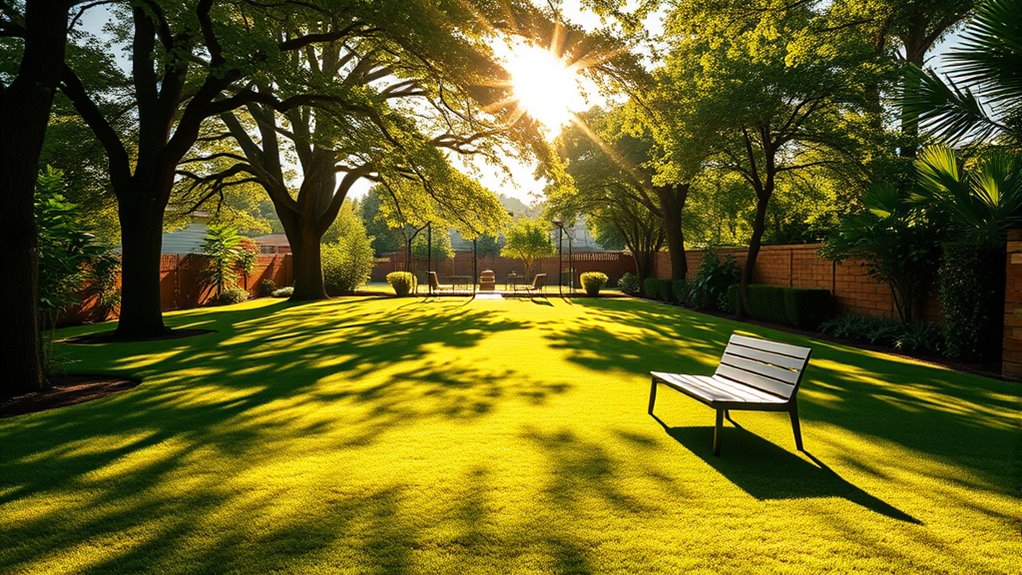
The best times of day to assess sun patterns are during the morning and late afternoon when sunlight is less intense and shadows are more pronounced. During these times, you’ll better see how the sun’s angle changes and where shade falls. Solar noon, typically around midday, provides the highest sun angle, creating minimal shadows and making it harder to identify shady spots. Understanding the influence of celestial bodies can also help you predict how sun exposure varies throughout the year. Additionally, observing these patterns can assist in planning shade placement for comfort and protection. Monitoring how piercing jewelry reacts to sun exposure can also be useful in choosing optimal shaded areas. Leveraging a world clock can help you keep track of the best times to observe sun movement, especially when coordinating with different seasons.
Spotting Ideal Locations for Sun-Intensive Plants
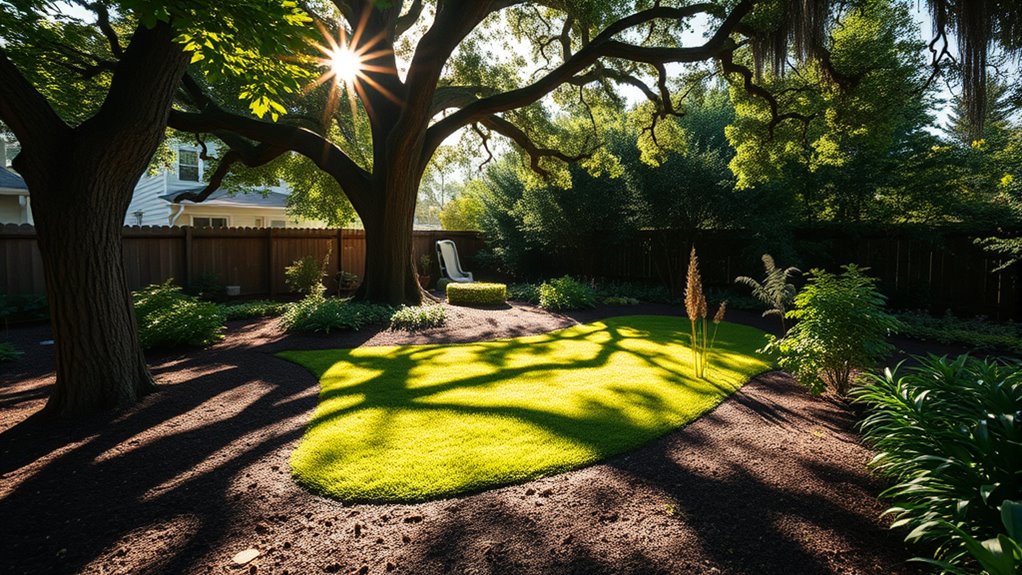
By understanding how shadows move during different times of the day, you can identify areas that receive the most sunlight. Sun-loving plants thrive in spots with consistent, direct light, which boosts plant growth and maintains soil moisture levels. To find the best location, consider these tips:
- Observe areas during peak sunlight hours to see where shadows are shortest, indicating maximum sun exposure.
- Check soil moisture regularly; sunlit spots tend to dry out faster, so select areas with well-draining soil.
- Look for open spaces with minimal shade from trees or structures, ensuring your sun-intensive plants get ample sunlight throughout the day.
- Incorporate knowledge of auditory processing and light patterns to better understand how environmental factors influence plant health and growth. Additionally, understanding light reflection can help you identify spots where sunlight may be intensified by nearby surfaces, further optimizing plant placement. Recognizing environmental factors such as wind and temperature can also impact plant success in chosen spots. Being aware of solar cycles can help you predict how sunlight exposure varies seasonally, aiding in more precise placement. Moreover, considering light quality can influence how well plants adapt to their environment and flourish.
Maximizing Solar Panel Efficiency With Proper Placement

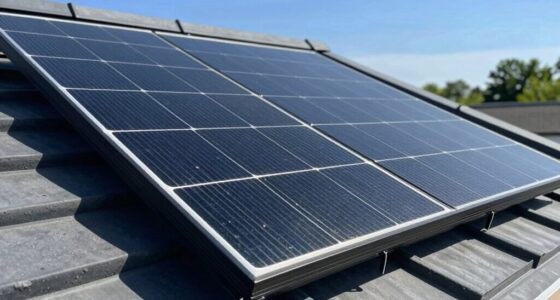
Maximizing solar panel efficiency hinges on proper placement, ensuring they receive the most sunlight possible throughout the day. Choose a spot with well-drained soil to prevent pooling and root issues, which can affect stability. Also, assess soil quality to support the panel mounts securely. Avoid shady areas caused by trees or structures that cast shadows during peak sunlight hours. Visualize this placement with the table below:
| Sunlight Exposure | Soil Quality | Water Drainage |
|---|---|---|
| Direct sunlight | High nutrient level | Good drainage prevents pooling |
| Minimal shade | Stable ground | No standing water |
| Peak hours | Firm, stable base | Ensures longevity |
| Unobstructed view | Suitable for mounting | Prevents erosion |
Prioritize open, sunny spots with supportive soil and proper water drainage for maximum efficiency. Additionally, consider shading issues that can significantly reduce energy output if not properly managed. Proper planning can help you avoid shadows cast by trees, which are a common source of efficiency loss. Being aware of seasonal changes in sunlight can also help optimize placement over time. Regular site assessments can further ensure your solar setup remains optimal as conditions change, allowing you to adjust for emerging shade or soil shifts.
Strategies to Minimize Unwanted Shade and Optimize Sunlight
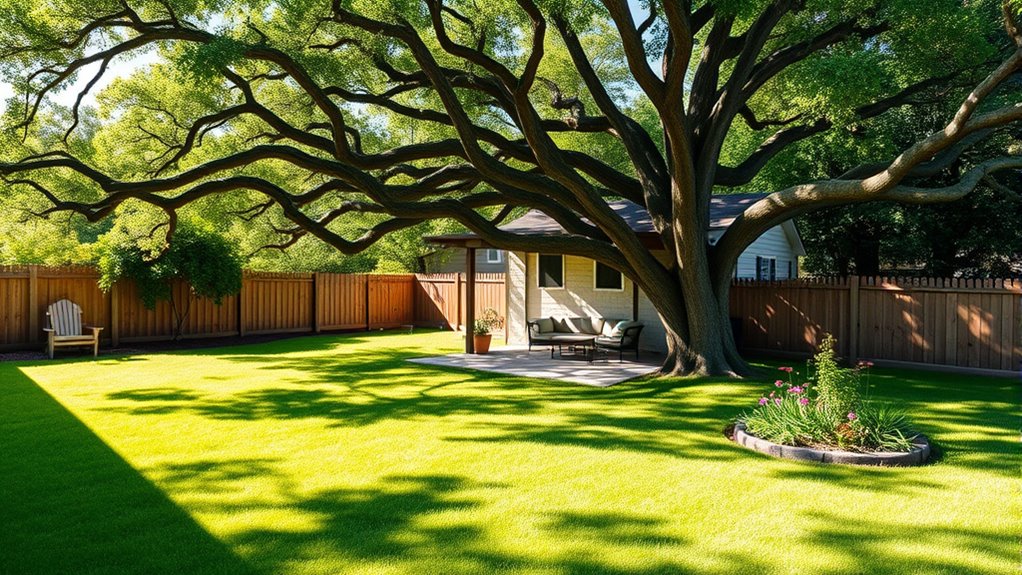
Unwanted shade can substantially reduce your solar panel’s efficiency, so it’s essential to proactively manage and minimize it. To do this, consider these strategies:
- Select plants with low shade tolerance or slow-growing species to avoid casting long shadows on panels.
- Regularly trim or prune trees and shrubs that are near your solar setup to prevent excessive shade during peak sunlight hours.
- Plan plant placement based on their growth patterns, ensuring taller plants or structures don’t block sunlight over time.
- Incorporate sustainable landscaping practices that prioritize sun exposure and minimize unnecessary shading.
- Understanding solar panel installation principles can help you optimize your setup for maximum sunlight and efficiency.
- Being aware of lease agreements for nearby properties can also help you anticipate future shading issues that might arise from new structures or plantings.
- Consulting with a landscape professional can provide tailored advice on maintaining an optimal sun exposure zone for your panels.
Planning Your Yard Layout for Maximum Sunlight Access

Start by evaluating the sun’s path across your yard to identify the best spots for sunlight exposure. Keep an eye out for trees, buildings, and other obstructions that could cast unwanted shade. Planning with these factors in mind helps you create a layout that maximizes sunlight access for your needs.
Assess Sun Path
Understanding your yard’s sun path is essential for optimizing sunlight exposure. By studying the solar orientation and sun trajectory, you can identify the best areas for planting or placing solar equipment. To assess sun movement effectively:
- Observe how the sun moves across your yard at different times of day and seasons.
- Note which areas receive direct sunlight during peak hours and which remain shaded.
- Use tools like sun path charts or apps to map the sun’s trajectory throughout the year.
This information helps you position your garden or solar panels in spots that maximize sunlight, ensuring you get the most energy and growth potential. Knowing the sun’s pattern allows you to plan your yard layout with precision, reducing shade and improving overall sunlight access.
Consider Obstructions
To maximize sunlight access in your yard, you need to identify and plan around any physical obstructions that could cast shade during key hours. Obstruction types include trees, buildings, fences, and even large shrubs. These objects create shade patterns that change throughout the day and seasons, affecting how much sunlight reaches your desired spots. By observing how these obstructions cast shade at different times, you can determine the best areas for solar panels or garden beds. Keep in mind that tall or dense objects produce more extensive shade, so positioning away from these will help ensure maximum sun exposure. Considering obstructions now helps you design a yard layout that minimizes shading, boosting your solar efficiency and garden productivity.
Frequently Asked Questions
How Does Seasonal Change Affect Shade Patterns in My Yard?
Seasonal sunlight causes significant shade variation in your yard. In summer, the sun’s higher position creates shorter shadows, while in winter, lower angles lengthen shadows and increase shade areas. You’ll notice trees and structures cast different shadows throughout the year, affecting where sunlight hits. To maximize your space, observe these patterns seasonally, and alter your plant placement or outdoor setup accordingly to guarantee your yard gets the right amount of sunlight year-round.
Can Artificial Structures Impact Sunlight Distribution Over Time?
Artificial structures definitely impact sunlight distribution over time, so you should think about their effect on solar access and shade management. Even small buildings or fences can cast shadows that reduce sunlight, especially as the seasons change. To optimize your yard’s sunlight, regularly assess how these structures influence shade patterns and adjust plant placement or shade solutions accordingly. Staying proactive guarantees your garden receives consistent sunlight and thrives year-round.
What Plants Are Most Tolerant of Partial Shade Conditions?
You’ll find that drought-tolerant plants and native shade plants thrive best in partial shade conditions. These plants are adaptable, requiring less direct sunlight and water, making them perfect for shaded spots. Look for options like ferns, hostas, and certain woodland natives, which tolerate lower light levels. By choosing these resilient plants, you guarantee a lush, healthy garden even in areas with limited sun exposure.
How Can I Prevent Shade From Trees Blocking Sunlight?
You can prevent shade from trees blocking sunlight by performing regular tree pruning to remove excess branches that cast heavy shade. Conduct a shade analysis to identify how sunlight moves across your yard throughout the day. This helps you decide where to prune or plant sun-loving plants. Proper pruning and thoughtful planning ensure more sunlight reaches your desired spots, maximizing your yard’s potential for solar energy and healthy plant growth.
Are There Tools to Simulate Sunlight Exposure Throughout the Year?
Yes, you can use tools like sun tracking apps and solar exposure simulators to plan your yard. These tools help you visualize sunlight throughout the year, showing how shade and sun move. By inputting your location, you’ll see which spots get the most consistent sunlight, aiding your decision for ideal placement. Sun tracking technology makes it easy to identify the best areas with maximum solar exposure for your needs.
Conclusion
By paying close attention to shade patterns and timing, you might just stumble upon the perfect spot in your yard without even trying. Sometimes, a simple observation or a quick measurement reveals the sunlight you’ve been missing. When you understand how shade influences your space, you can effortlessly maximize your garden’s potential and boost your solar setup—all while enjoying the unexpected discovery of that sunny nook you never noticed. The sun’s always been hiding in plain sight.