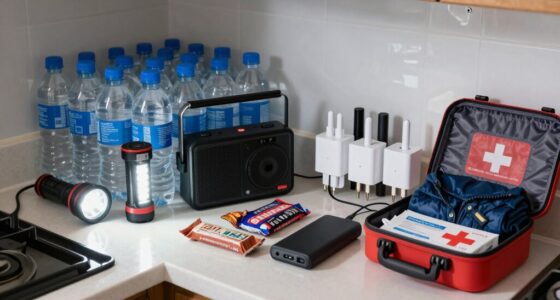
Once flooding starts, utility pumps can quickly begin removing water from affected areas, helping you reduce damage and avoid mold growth or structural issues. You should inspect the pump’s condition, verify it’s connected to a grounded outlet, and clear debris from intake and discharge areas. Keep monitoring the water level and pump temperature during operation. Regular maintenance after floods helps keep your pump ready for future emergencies—learn how to maximize its lifespan and effectiveness.
Listen free for 30 days with Audible
Thousands of audiobooks and originals — cancel anytime.
As an affiliate, we earn on qualifying purchases.
Key Takeaways
- Initiate water removal promptly to prevent further flooding and property damage.
- Monitor pump operation closely to ensure efficient and continuous dewatering.
- Adjust pump placement as water levels change to maximize effectiveness.
- Check for blockages or debris that may hinder pump performance.
- Perform quick post-operation checks to identify wear or damage for maintenance.
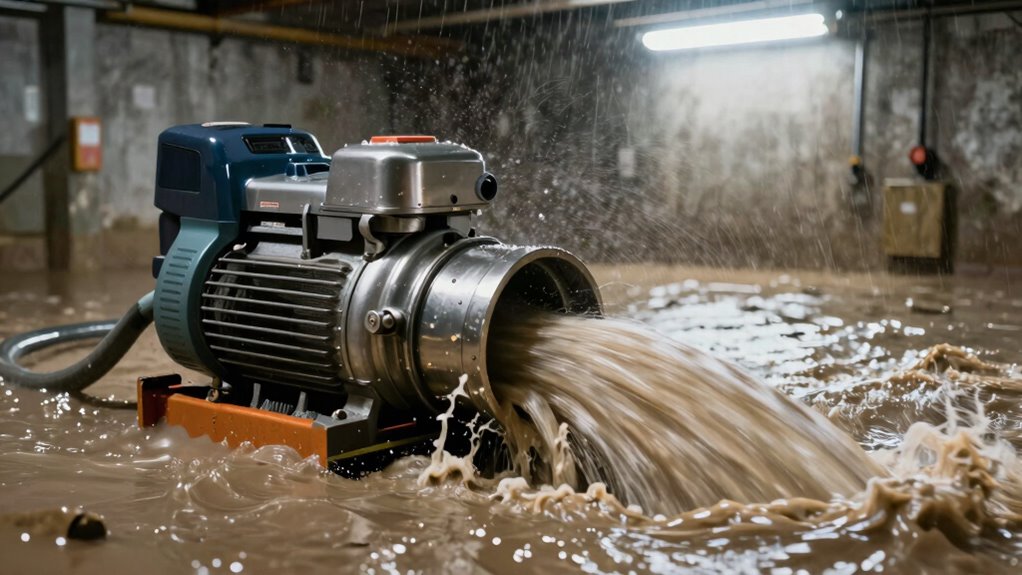
Have you ever wondered how to quickly restore your property after a flood? When water inundates your space, utility pumps become your best allies in the effort to manage the situation. These pumps are designed to move large volumes of water efficiently, helping to expedite the water removal process and minimize damage. Using a utility pump during a flood allows you to drain standing water from basements, garages, or other affected areas, reducing the risk of mold growth, structural damage, and further deterioration. The key to successful water removal is not just having a pump but also understanding how to operate and maintain it properly.
Utility pumps are essential for quickly removing water and minimizing flood damage.
Once you start the water removal process, you’ll need to guarantee that your utility pump is functioning effectively. Regular pump maintenance is essential to keep it ready for emergencies like floods. Check the power cord for damage and verify the outlet is grounded and capable of handling the pump’s electrical load. Before using the pump, clear any debris or obstructions from the intake and discharge areas. This prevents clogging and ensures continuous operation during critical moments. Make sure the pump’s filter is clean, as a clogged filter can reduce efficiency or cause overheating. Proper pump operation is crucial to prevent unnecessary delays or damage.
When you’re actively pumping water, monitor the operation closely. Keep an eye on the water level and the pump’s temperature, if applicable. If the pump starts to overheat, turn it off temporarily to prevent damage. During use, avoid running the pump dry, as this can cause internal damage and reduce its lifespan. Proper pump maintenance also involves inspecting electrical components and ensuring the pump’s seals are intact, which can prevent leaks and prolong its service life. Additionally, understanding the importance of routine inspections can help you identify potential issues before they become serious problems. Performing regular inspections can also extend the overall lifespan of the pump and ensure it’s always ready when needed.
After completing the water removal, turn off the pump and disconnect it from the power source. Drain any residual water from the pump itself, especially if it’s going to be stored for a while, to prevent corrosion or mold growth. Ensuring that your pump is thoroughly dried and stored properly can also help prevent corrosion and mold buildup. Routine pump maintenance after a flood isn’t just about immediate use; it’s about guaranteeing longevity and readiness for future emergencies. Inspect the pump for signs of wear or damage, clean all components thoroughly, and store it in a dry, secure place. If you notice any issues during operation, such as strange noises, reduced flow, or overheating, address these problems promptly. Repair or replace parts as needed to keep the pump in prime condition. Proper water removal combined with diligent pump maintenance is essential in minimizing flood damage and protecting your property’s integrity. With the right approach, you’ll be better prepared to handle floods quickly and effectively.
As an affiliate, we earn on qualifying purchases.
Frequently Asked Questions
Can Utility Pumps Operate Underwater Continuously During Flooding?
Utility pumps can operate underwater continuously during flooding if they’re designed for underwater operation. These pumps are built to withstand submerged conditions and handle continuous pumping without overheating or damage. Make certain to select a pump rated for continuous use and waterproofed for underwater operation. Always follow manufacturer instructions to ensure safe and effective operation. Properly maintained, these pumps can help manage floodwaters effectively during ongoing flooding situations.
What Safety Precautions Should I Take When Using a Utility Pump?
When using a utility pump during flooding, prioritize electrical safety by unplugging the pump before inspecting or adjusting it. Always position the pump on a dry, stable surface, and keep electrical connections above water level to prevent shocks. Use Ground Fault Circuit Interrupters (GFCIs) for added safety. Never operate the pump with wet hands or in standing water around electrical cords, and regularly check for damage to cords and plugs.
How Long Does It Take for a Utility Pump to Drain a Flooded Area?
Time is of the essence, so don’t sit on your hands. Typically, a utility pump can drain a flooded area in a few hours, depending on its pump capacity and the extent of flooding. Smaller models might take longer, while high-capacity pumps can speed up drainage. Expect drainage time to vary, but staying proactive guarantees you get the water out quickly before it causes more damage.
Are There Specific Maintenance Tips for Utility Pumps After Flooding?
After flooding, you should perform pump maintenance by cleaning filters and removing debris to guarantee efficient operation. Check for leaks or damage, and lubricate moving parts if needed. Regular maintenance helps prevent future issues and enhances flood prevention. Inspect hoses and seals, replacing worn components promptly. Proper upkeep after a flood keeps your utility pump working reliably, reducing the risk of further water damage and ensuring you’re prepared for any future flooding events.
Can Utility Pumps Handle Debris or Mud in Floodwaters?
Utility pumps aren’t designed to handle heavy debris or mud in floodwaters. You should use debris filtration to prevent large particles from clogging the pump, but for thick mud and substantial debris, it’s best to remove them manually before pumping. Mud removal often requires specialized equipment to avoid damaging your utility pump. Always check your pump’s specifications to understand its debris handling capabilities and avoid potential damage.
As an affiliate, we earn on qualifying purchases.
Conclusion
In the chaos of flooding, your utility pump becomes a powerful partner, preventing problems and protecting property. By promptly pumping out water, you can minimize damage, maintain moisture levels, and master the mess. Remember, quick action with your trusty tool can turn turmoil into triumph. So, seize the situation, stay swift, and let your utility pump showcase its strength—saving your space from the splashes and spills that flood frustrations.
As an affiliate, we earn on qualifying purchases.
As an affiliate, we earn on qualifying purchases.
Flea & tick season Picks
flea and tick prevention
As an affiliate, we earn on qualifying purchases.