To build a winter storm outage plan focused on warmth and food, start by insulating your home with drafts sealed around windows and doors. Stockpile warm clothing, blankets, and heat sources like small space heaters, but never run generators indoors. Gather enough non-perishable food and bottled water for several days, and include manual can openers and outdoor cooking options. To guarantee confidence during outages, develop clear procedures and keep emergency supplies organized—you’ll find more helpful tips if you continue.
Listen free for 30 days with Audible
Thousands of audiobooks and originals — cancel anytime.
As an affiliate, we earn on qualifying purchases.
Key Takeaways
- Stockpile sufficient non-perishable food and bottled water to last several days, considering potential supply disruptions.
- Prepare alternative heating sources like fireplaces, wood stoves, or small space heaters with safety precautions.
- Insulate your home by sealing drafts and layering clothing, blankets, and hot packs for added warmth.
- Develop a clear emergency plan that includes communication methods, power backup locations, and safety procedures.
- Regularly practice the plan to ensure everyone knows how to stay warm, fed, and connected during a power outage.
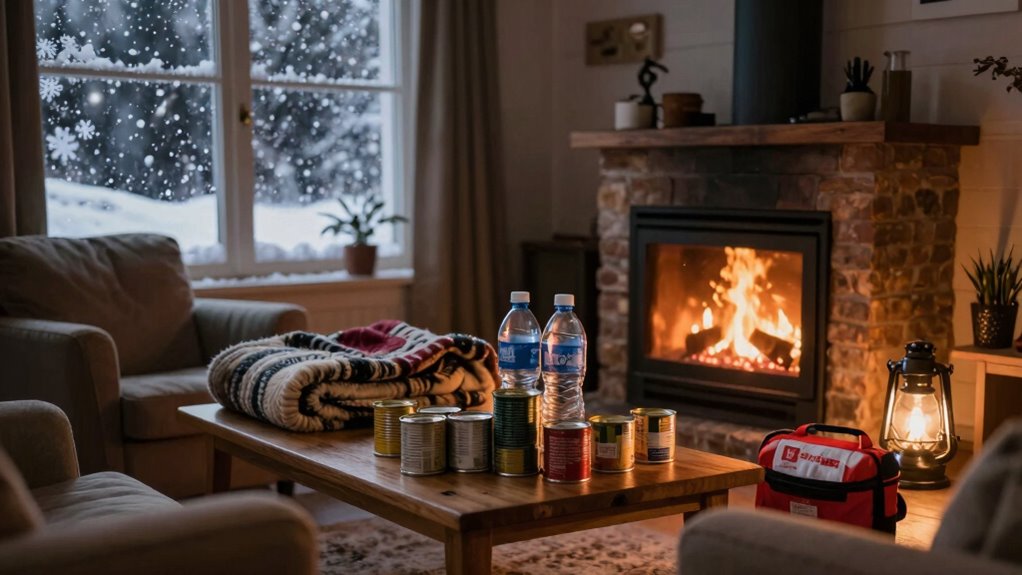
Are you prepared for a winter storm outage? When the power goes out unexpectedly, your immediate concern is staying warm and ensuring you have enough food to last through the storm. Building a solid plan means thinking ahead about how to maintain communication and keep your home powered safely. Emergency communication becomes essential during outages, especially if you need to call for help or update loved ones about your situation. Make sure your cell phones are fully charged before the storm hits and consider investing in a portable charger or backup power source. A backup power system, like a generator, can keep critical devices running, allowing you to stay connected with emergency services and loved ones. Remember, reliable communication ensures you’re not isolated, and you can coordinate assistance if needed.
Charge your phones and have backup power ready to stay connected during winter storms.
Next, focus on maintaining warmth. Insulate your home properly by sealing drafts around windows and doors, and layer clothing to conserve body heat. Stockpile enough warm blankets, thermal clothing, and hot packs to keep everyone comfortable. Your backup power source can also run small space heaters, but always prioritize safety—never run a generator indoors or near open windows, as carbon monoxide poisoning is a real risk. It’s also wise to have a supply of firewood or other heat sources if you rely on a fireplace or wood stove. Keeping your home warm is crucial not only for comfort but also to prevent health issues caused by cold exposure. Additionally, consider using portable electronic devices to monitor weather updates and emergency alerts even if your main communication channels are disrupted. Being aware of your surroundings can help you respond more effectively to changing conditions.
Food storage is equally important. Gather non-perishable foods that require minimal preparation, such as canned goods, dried fruits, nuts, and energy bars. Store enough for at least a few days, considering that grocery stores may be closed or inaccessible during severe storms. It’s also helpful to have a manual can opener on hand. When cooking, use a camp stove or grill outdoors if you need to prepare warm meals, and never operate these appliances inside your home due to fire and carbon monoxide hazards. Maintain a supply of bottled water, as the storm might disrupt your tap water supply or make it unsafe to drink. Planning for emergency supplies can ensure you are ready to handle extended outages without significant hardship.
Finally, develop a clear plan that includes how to access emergency communication channels, where to find your backup power sources, and how to keep your family safe and warm. Practice your plan regularly so everyone knows what to do if the power goes out. When you’re prepared, you can face winter storms with confidence, knowing you’ve taken steps to stay warm, fed, and connected.
As an affiliate, we earn on qualifying purchases.
Frequently Asked Questions
How Much Emergency Food Should I Store per Person?
You should store at least a three-day supply of emergency food per person, but aim for a week if possible. Emergency food quantities typically include non-perishable items like canned goods, grains, and snacks. Use meal planning tips to diversify your options and guarantee proper nutrition. Remember to include water, snacks, and easy-to-prepare meals, so everyone stays nourished and comfortable during a winter storm outage.
What Are the Best Portable Heating Options During Outages?
You turn to portable heaters like propane or kerosene models, which serve as your reliable flames of safety. These fuel sources symbolize warmth and resilience, but you must prioritize indoor safety by ensuring proper ventilation and avoiding carbon monoxide risks. Electric space heaters are safer but rely on backup power. Whichever you choose, keep safety top of mind, and always have a carbon monoxide detector nearby to safeguard your home.
How Do I Prevent Pipes From Freezing in Winter?
To prevent pipes from freezing, you should keep your home’s temperature steady and use heating techniques like insulating pipes and opening cabinet doors to let warm air circulate. Prepare an emergency kit with essentials in case of outages. During extreme cold, consider running a slow drip from faucets and letting warm air reach vulnerable pipes. These steps help maintain a safe, warm environment and prevent costly pipe damage.
Are There Specific Foods That Retain Heat Longer?
Think of some foods as tiny heaters, keeping warmth longer through food preservation and heat retention. Foods high in fats and protein, like nuts, cheese, and hard-boiled eggs, hold their heat better and stay satisfying longer. Warm soups, stews, and casseroles also act like portable heaters, providing both nourishment and comfort. Incorporate these into your winter plan to maximize heat retention, helping you stay warmer during power outages.
What Safety Precautions Should I Take With Alternative Heat Sources?
You should always prioritize fire safety when using alternative heat sources. Keep indoor ventilation clear to prevent carbon monoxide buildup, and never leave heaters unattended. Use space heaters on stable, heat-resistant surfaces, and keep flammable items away. Install carbon monoxide detectors, and guarantee proper maintenance of all devices. Regularly check vents and chimneys for blockages. Taking these precautions helps keep you safe during winter outages.
non-perishable food storage containers
As an affiliate, we earn on qualifying purchases.
As an affiliate, we earn on qualifying purchases.
Conclusion
Having a solid winter storm outage plan centered on warmth and food keeps you prepared and resilient. By stocking essentials, staying informed, and creating a safe heating strategy, you’re better equipped to handle the unexpected. Remember, isn’t it worth the effort to guarantee your family’s safety and comfort during harsh weather? Stay proactive, plan ahead, and you’ll weather any storm with confidence and peace of mind.
indoor space heater with safety features
As an affiliate, we earn on qualifying purchases.
As an affiliate, we earn on qualifying purchases.
As an affiliate, we earn on qualifying purchases.
Back to school Picks
back to school
As an affiliate, we earn on qualifying purchases.