
To build a two-day power plan, make sure you have fully charged communication devices, portable power banks, and solar chargers ready to keep your phones and radios powered. Stock enough non-perishable food, water, and essential medications, and keep them in an accessible spot. Know your shelter and evacuation routes in advance. Regularly test your devices and review your plan. If you keep these steps in mind, you’ll be better prepared to handle power outages and stay safe during recovery.

Get backup power and energy gear delivered free — and shop member deals
- Fast, free delivery on millions of items
- Access to Prime Big Deal Days deals on October 6–7
- Prime Video, Amazon Music and more included
Key Takeaways
- Fully charge and test portable power banks and solar chargers beforehand to ensure reliable energy sources.
- Identify and store essential devices and backup batteries in an accessible location.
- Prioritize powering critical devices like communication tools, medical equipment, and flashlights.
- Keep emergency supplies and backup power sources in a designated, easy-to-reach area.
- Develop a schedule to rotate and monitor power usage to maximize battery life during recovery.

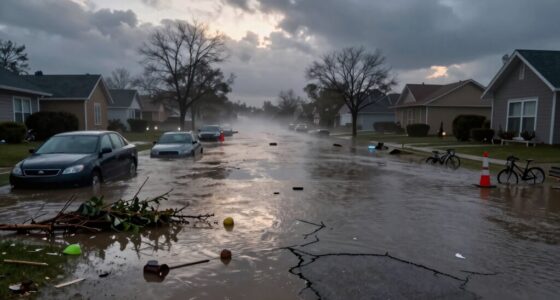
Are you prepared to restore power quickly after a hurricane hits? Having a solid two-day power plan can make all the difference in your recovery process. First, you need to think about where you’ll seek emergency shelter if your home becomes unsafe. Identify a nearby shelter that’s accessible and equipped to support you during emergencies. Knowing the location beforehand helps you avoid last-minute confusion and ensures you’re ready to move quickly if evacuation becomes necessary. Once you’re at your emergency shelter, it’s crucial to stay connected. Make sure your communication devices—like smartphones, portable chargers, or battery-powered radios—are fully charged and easily accessible. These devices are vital for receiving weather updates, emergency alerts, and for staying in touch with loved ones or emergency services.
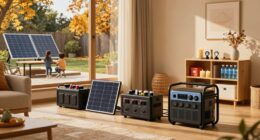
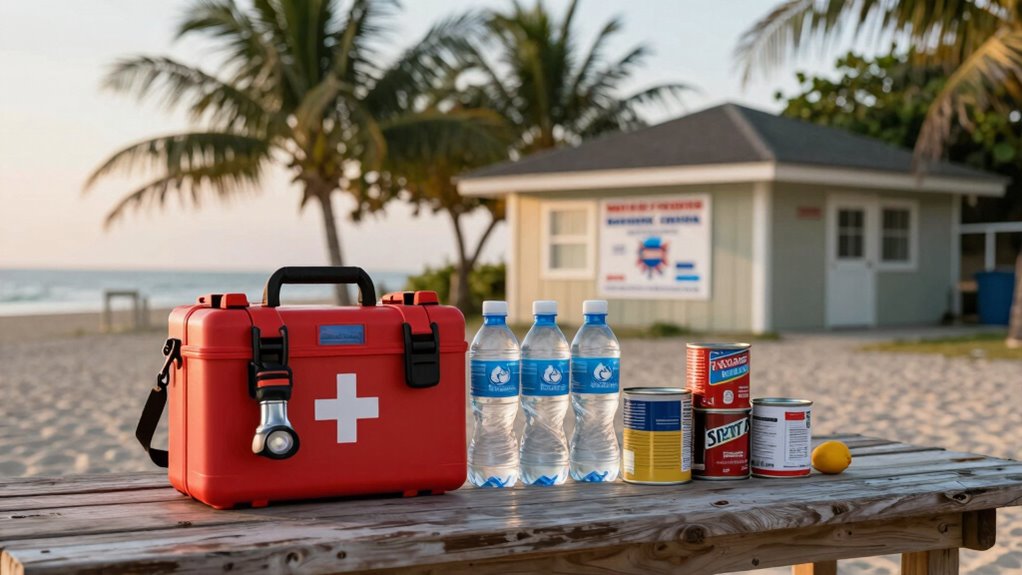
Preparing for power loss also means gathering essential supplies. Stock up on non-perishable food, bottled water, and basic medications to last at least two days. Additionally, keep flashlights, extra batteries, and a first aid kit on hand. These items can help you stay safe and comfortable while the power is out. Consider investing in a portable power bank or solar charger for your devices, so you’re not left disconnected. This ensures your communication devices stay operational, which is critical for both safety and coordination with emergency responders.
Having a plan for your communication devices is just as important as planning for shelter and supplies. Test your devices regularly to ensure they work properly, and keep a list of emergency contacts handy. It’s wise to program local emergency numbers into your phone, along with the contact info for nearby shelters. During the storm and the immediate aftermath, cell towers may be down or overloaded, so having a battery-powered radio can keep you informed of the latest updates. Writing down important information, like the location of your emergency shelter and emergency contacts, helps you stay organized when communications become disrupted. Additionally, understanding the importance of emergency preparedness can help you better navigate the challenges during a storm. Incorporating community resources into your planning can further enhance your ability to respond effectively and access assistance when needed. Developing a comprehensive emergency plan that includes power restoration strategies can further improve your readiness and response.
Finally, practice your two-day power plan with your family so everyone knows what to do in case of a hurricane. Review your shelter locations, check your communication devices, and ensure all supplies are ready to go. Being proactive and prepared helps you respond swiftly, reducing stress and risk during a storm. By planning ahead, you’re setting yourself up for a safer, smoother recovery, with the ability to restore power and stay connected during those critical first 48 hours after a hurricane.
portable power bank for emergency
As an affiliate, we earn on qualifying purchases.
As an affiliate, we earn on qualifying purchases.
Frequently Asked Questions
What Essential Tools Are Needed for Emergency Power Setup?
For emergency power setup, you need essential tools like backup batteries and solar chargers. Backup batteries store energy for use during outages, ensuring your devices stay powered. Solar chargers are portable and eco-friendly, allowing you to recharge batteries or directly power small devices using sunlight. Together, these tools provide reliable, sustainable power sources that keep your communication devices, lights, and essential gadgets functioning during hurricane recovery.
How Can I Prioritize Critical Devices During Power Outages?
Ever wondered which devices matter most during a power outage? You should prioritize essential devices like your refrigerator, medical equipment, and communication tools. Keep your emergency contact information handy and stay updated with storm tracking apps to anticipate outages. By focusing on these vital items first, you guarantee safety and communication. Do you have a plan to protect your critical devices and stay informed during the next storm?
What Safety Precautions Should I Follow When Using Generators?
When using generators, prioritize generator safety by never running it indoors or in enclosed spaces to prevent carbon monoxide poisoning. Follow emergency precautions by keeping the generator outside, away from windows and vents, and verify proper grounding. Always inspect for damage before use, connect appliances carefully, and use heavy-duty extension cords. Stay attentive to weather conditions, and turn off the generator before refueling to avoid accidents and guarantee safe operation during power outages.
How Do I Manage Power Needs for Medical Devices?
To manage power needs for medical devices, prioritize medical safety by keeping backup power sources ready, such as battery packs or generators. Guarantee device maintenance is up-to-date, and regularly check batteries and connections. Store extra batteries and supplies in a safe, accessible location. Always follow manufacturer instructions and coordinate with healthcare providers for specific device requirements. This way, you maintain essential device functionality and ensure safety during power outages.
What Are the Best Ways to Conserve Energy During Outages?
Did you realize conserving energy during outages can align perfectly with renewable sources and boost energy efficiency? To do this, you should unplug unused devices, switch to energy-efficient appliances, and prioritize essential needs. Using renewable sources like solar chargers or portable panels helps reduce reliance on the grid. These simple steps not only conserve power but also promote sustainability, ensuring you stay safe and powered during outages.
As an affiliate, we earn on qualifying purchases.
Conclusion
So, there you have it—your foolproof two-day power plan for hurricane recovery. Who knew that a little planning and a dash of duct tape could turn you into a storm-ready superhero? Just remember, when life gives you hurricanes, make sure your generator’s fueled, your flashlights work, and your neighbor’s not a total stranger. After all, surviving these storms is just a matter of staying one step ahead—preferably with a fully charged phone and plenty of snacks.
battery-powered radio for emergencies
As an affiliate, we earn on qualifying purchases.
As an affiliate, we earn on qualifying purchases.
As an affiliate, we earn on qualifying purchases.
Fall Picks
fall essentials
As an affiliate, we earn on qualifying purchases.