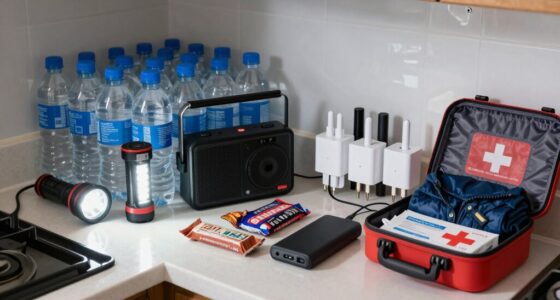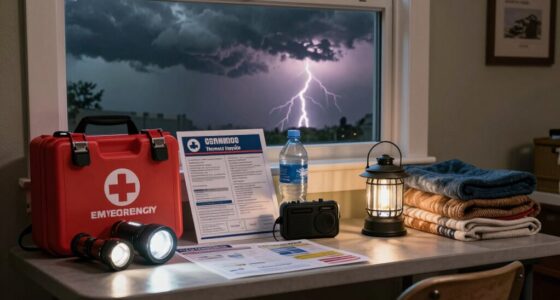
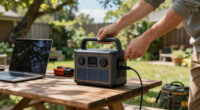
Without a fan plan, summer blackouts feel much harder because you lose a key way to stay cool during hot days. Fans help circulate air, reduce indoor heat, and make you feel more comfortable, especially when the power is out. Without this strategy, you can experience more discomfort, dehydration, and stress. Managing heat without a plan increases risks and makes blackouts more overwhelming. Keep going to discover simple ways to stay safe and cool when power outages strike.
Prime for Young Adults — start your free trial
Fast free delivery, streaming and member deals for eligible 18–24 year olds.
As an affiliate, we earn on qualifying purchases.
Key Takeaways
- Without a fan plan, heat levels can become overwhelming, increasing discomfort and health risks during blackouts.
- Lack of cooling strategies leads to higher stress and anxiety amid power outages in hot weather.
- Absence of preparedness items like batteries and portable fans hampers effective heat management.
- Unplanned energy use during blackouts can cause further strain on the electrical grid.
- Without a plan, residents miss opportunities to naturally cool spaces, making blackouts feel more oppressive.
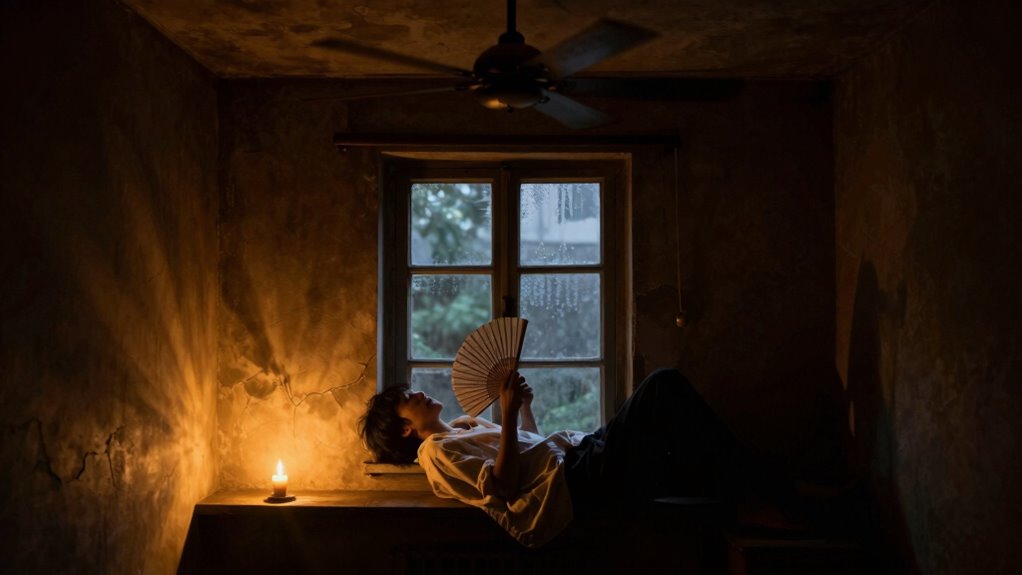
Are you prepared for the possibility of summer blackouts without a fan plan in place? If not, the experience can become overwhelming quickly. When the power goes out during the hottest months, your comfort and safety depend on how well you’ve prepared beforehand. Without a plan, you might find yourself struggling to stay cool, and that stress can make the situation feel even worse. Developing a fan plan is more than just about staying comfortable; it’s an essential part of your emergency preparedness. It helps you manage energy conservation and reduce the strain on the electrical grid, which can be critical during peak summer demand. When everyone uses fans excessively, it can contribute to blackouts, leaving everyone in the dark and unbearably hot. By conserving energy with strategic fan use, you not only help prevent outages but also guarantee you maintain a level of comfort if the power does go out.
Understanding how to conserve energy effectively is key. Instead of running multiple fans all day, you can limit their use to when it’s absolutely necessary, especially during the hottest parts of the day. Using fans strategically—placing them near windows at night to draw in cooler air or positioning them to circulate air efficiently—can help you stay cooler with less electricity. Keeping blinds or curtains closed during the day also reduces indoor heat, decreasing your reliance on fans and energy consumption overall. This proactive approach supports emergency preparedness, making it easier to cope if the power suddenly drops. It’s about creating a backup plan that minimizes discomfort and keeps you in control. Additionally, understanding the importance of energy conservation can help you make smarter choices during peak times. Being aware of energy demand can also guide you in timing your use of appliances and fans to avoid contributing to peak load. Recognizing the significance of biodiversity in local ecosystems can further motivate sustainable practices that benefit the environment and community resilience.
Furthermore, knowing how to manage heat effectively can make a significant difference in maintaining comfort during blackouts. Without a fan plan, blackouts can feel more intense because you’re unprepared to deal with the heat and lack of airflow. The discomfort can lead to dehydration, fatigue, or worse, especially if you’re vulnerable or have health issues. Properly understanding heat management strategies can empower you to stay cooler naturally and reduce your reliance on electrical devices. Knowing how to conserve energy and having a plan to stay cool can ease anxiety and help you respond calmly. It’s wise to stock up on batteries, portable fans, or cooling towels that don’t rely on electricity. Plus, staying informed about local outage updates and heat advisories prepares you to act swiftly. When you combine energy conservation techniques with emergency preparedness, you’re less likely to feel helpless during a blackout. You’ll be better equipped to handle hot days and power outages, making the experience less intimidating and more manageable. Ultimately, planning ahead ensures you stay safe, comfortable, and resilient, no matter how high the temperatures soar or how long the blackout lasts.
As an affiliate, we earn on qualifying purchases.
Frequently Asked Questions
How Can I Stay Cool During a Blackout Without a Fan?
During a blackout, you can stay cool by using portable coolers filled with ice packs to lower your body temperature. Keep these coolers close and use damp cloths or cool compresses to your forehead and wrists. Stay in the shade, wear lightweight, breathable clothing, and avoid strenuous activity. Drinking plenty of water also helps prevent dehydration, making it easier to stay comfortable without a fan.
Are There Any Safety Tips for Cooking Without Electricity?
Cooking without electricity is like steering a ship in rough waters—stay alert and prioritize safety. During a blackout, follow emergency preparedness tips by using a portable stove outdoors, ensuring proper ventilation, and never leaving cooking appliances unattended. Keep a fire extinguisher nearby, and avoid open flames near flammable materials. These steps make cooking safer during emergencies, helping you stay prepared and avoid accidents while managing your cooking safety during a blackout.
What Alternative Cooling Methods Are Effective During Summer Blackouts?
During summer blackouts, you can use evaporative cooling by placing a damp cloth or sponge in front of a fan for a invigorating breeze. Additionally, apply ice packs or frozen bottles of water to your wrists, neck, or forehead to cool your blood quickly. These methods help lower your body temperature naturally, providing relief when traditional fans or air conditioning aren’t available.
How Long Do Summer Blackouts Typically Last?
Summer blackouts usually last anywhere from a few hours to several days, depending on the severity of the power outage and your location. During an emergency preparedness situation, it’s essential to stay informed and have supplies ready. Power outages can be unpredictable, so plan for extended disruptions. Keep your phone charged, use alternative cooling methods, and stay cool until power is restored to prevent heat-related health issues.
Can Blackout Conditions Damage My Electronic Devices?
Yes, blackout conditions can damage your electronic devices. Power surges often occur when power is restored after an outage, and these surges can lead to device damage. To protect your electronics, use surge protectors and unplug devices during blackouts. Without proper precautions, your devices are vulnerable to power surges that can cause costly damage, so it’s wise to take proactive steps to safeguard your electronics during outages.
As an affiliate, we earn on qualifying purchases.
Conclusion
Without a fan plan, summer blackouts feel like you’re trapped in a blazing furnace with no escape. Your sweat-soaked clothes cling to your skin, and every second feels like an eternity in an oven. The heat becomes a relentless beast, gnawing at your patience and sanity. Don’t let your summer turn into a nightmare. Prepare your fan plan now, or suffer through an inferno that’ll make you wish for winter’s coldest days. Stay cool, stay prepared!
energy-efficient oscillating fan
As an affiliate, we earn on qualifying purchases.
As an affiliate, we earn on qualifying purchases.
As an affiliate, we earn on qualifying purchases.
NFL season / tailgating Picks
team gear
As an affiliate, we earn on qualifying purchases.