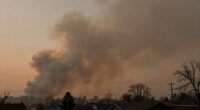
To stay calm during PSPS days, prepare ahead by creating an emergency kit with essentials like water, nonperishable food, and backup power sources. Sign up for alerts and keep devices charged to stay informed. Know how to manage critical services and have backup plans in place. Building resilience through community efforts and infrastructure upgrades also helps ease the impact. If you want practical tips to navigate power shutoffs smoothly, more helpful strategies are waiting for you.
Key Takeaways
- Prepare an emergency kit with essentials like water, nonperishables, batteries, and a radio before PSPS events.
- Stay informed through utility alerts, outage maps, and local news, and keep devices charged.
- Identify and secure critical services and infrastructure with backup power solutions such as generators or UPS.
- Develop and practice a family communication plan, including registration for vulnerable individuals and emergency contacts.
- Advocate for long-term resilience measures like grid hardening, microgrids, and improved communication networks.

MARBERO Portable Power Station 88Wh Camping Lithium Battery Solar Generator Fast Charging with AC Outlet 120W Peak Power Bank(Solar Panel Optional) for Home Backup Outdoor Emergency RV Van Hunting
EFFICIENT CHARGING: Use the adapter included in the package to charge the power station from 0 to 80%…
As an affiliate, we earn on qualifying purchases.
As an affiliate, we earn on qualifying purchases.
Understanding the Purpose and Scope of PSPS Events
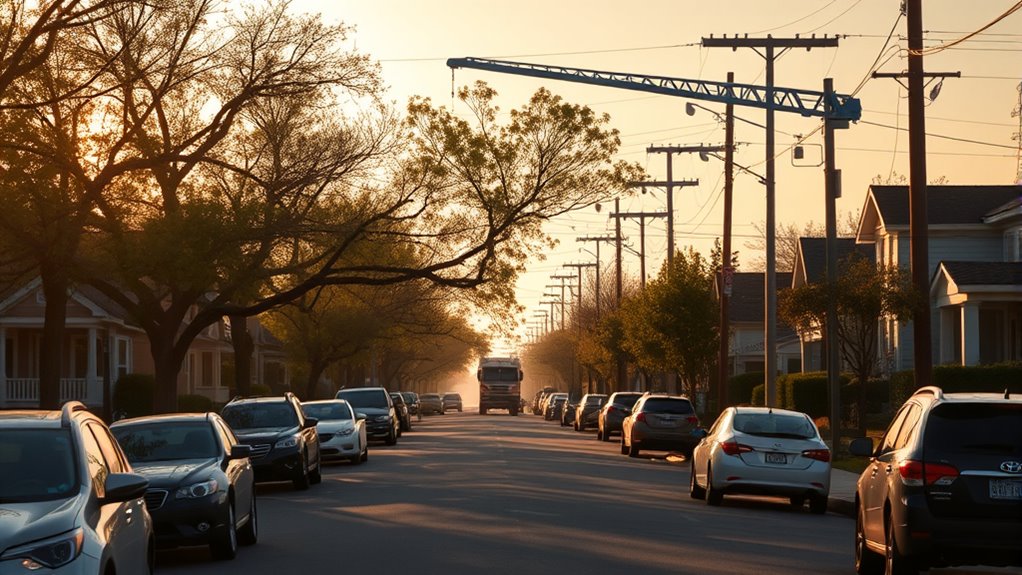
Public Safety Power Shutoffs (PSPS) are deliberate de-energizations of specific power lines aimed at reducing the risk of wildfires caused by electrical equipment. These events are initiated when weather conditions, like strong winds, low humidity, or high temperatures, create a high wildfire threat. Utilities target high fire-risk zones, especially lines crossing designated Tier 2 and Tier 3 areas, to prevent sparks from electrical faults. The scope varies from a single neighborhood to entire regions, affecting thousands of customers. PSPS events typically last around two days but can extend longer during severe weather or safety inspections. The decision to shut off power is based on real-time weather data, vegetation contact risk, and field assessments, all coordinated with state agencies to guarantee public safety. Additionally, power grid resilience strategies are being explored to minimize the duration and impact of such outages while maintaining safety. Incorporating advanced weather forecasting techniques can help utilities better anticipate wildfire risks and optimize outage planning to protect communities, ultimately reducing outage durations and improving community preparedness.
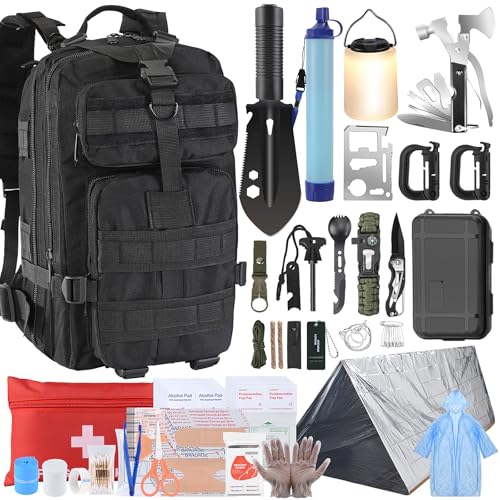
Survival Kit, Survival Gear and Equipment 258 PCS with Water Filter, Emergency Tent, LED Lantern, First Aid Kit Supplies, 25L Backpack for Family, Outdoor Camping, Hiking Gifts for Men Christmas
【Professional Camping Survival Kit】Our 258-in-1 survival kit is the ultimate professional-grade companion for all outdoor scenarios. Perfectly engineered…
As an affiliate, we earn on qualifying purchases.
As an affiliate, we earn on qualifying purchases.
Preparing Your Household and Business for Power Shutoffs
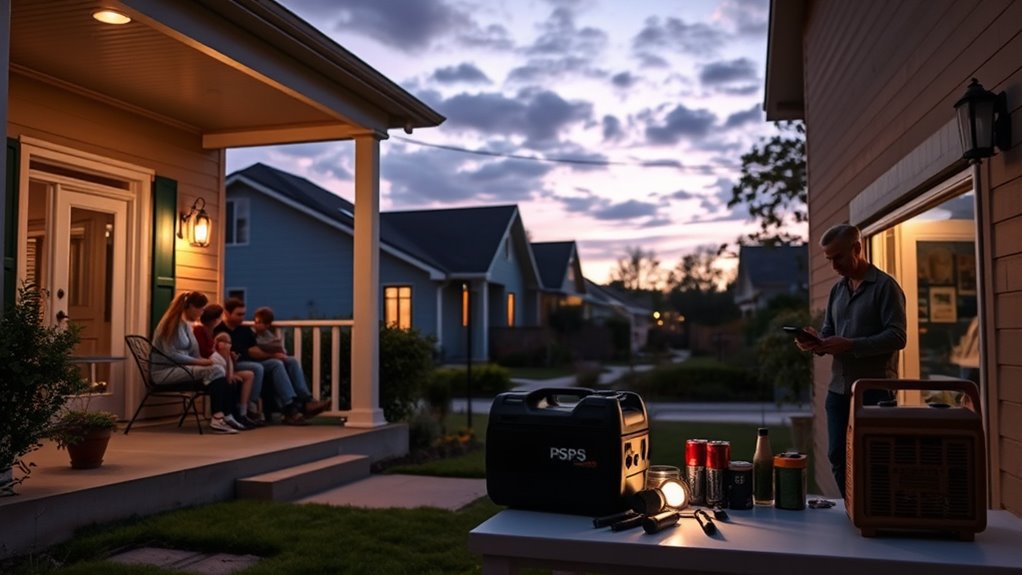
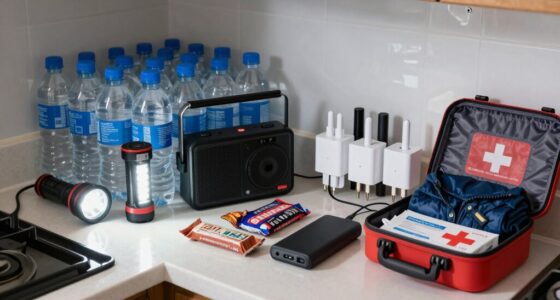
Preparing your household and business for power shutoffs helps guarantee safety and minimize disruptions when a PSPS event occurs. Start by assembling a multi-day emergency kit with water, nonperishable food, batteries, flashlights, and a battery-powered radio. Keep mobile devices charged and consider portable power banks or generators. Develop a communication plan with emergency contacts, meeting spots, and ways to receive alerts, like texts or local notifications. Document medical equipment needs and register vulnerable people with utility or emergency services. For businesses, use uninterruptible power supplies (UPS) for critical electronics and plan safe shutdown procedures. Being aware of power outage preparedness strategies can further improve your readiness. Additionally, understanding modern kitchen technology can help you manage food safety and cooking during extended outages.

FosPower NOAA Emergency Weather Radio A1 7400mWh Portable Power Bank, AM/FM, USB/Solar/Hand Crank Charging, Battery Operated, SOS Alarm & Flashlight for Indoor/Outdoor Emergency – Orange
[7400mWh (2000mAh) POWER BANK WILL KEEP DEVICES POWERED] The FosPower FOSPWB-2376 emergency radio incorporates a 7400mWh (2000mAh) power…
As an affiliate, we earn on qualifying purchases.
As an affiliate, we earn on qualifying purchases.
Staying Informed: Notifications and Communication Strategies

How can you stay effectively informed during a Power Shutoff event? The key is to rely on multiple communication channels. Sign up for utility alerts via text, email, or phone calls—these are often the first to notify you of outages and updates. Check the utility’s website regularly for real-time outage maps and status reports. Follow local news stations and social media accounts for community-specific information. Keep your mobile device charged and consider portable chargers or backup batteries to stay connected. Enroll in registries for vulnerable household members if available. Establish a family communication plan with emergency contacts and meeting points. Staying proactive guarantees you receive timely updates, helping you prepare and respond calmly during PSPS days. Utilizing public safety alert systems can further enhance your awareness during these events. Understanding Rhythm Failure and related themes can also provide community reassurance and morale during challenging times, especially when coordinated with reliable emergency communication protocols. Additionally, staying informed about essential emergency preparedness steps can help you better manage the situation and reduce stress.
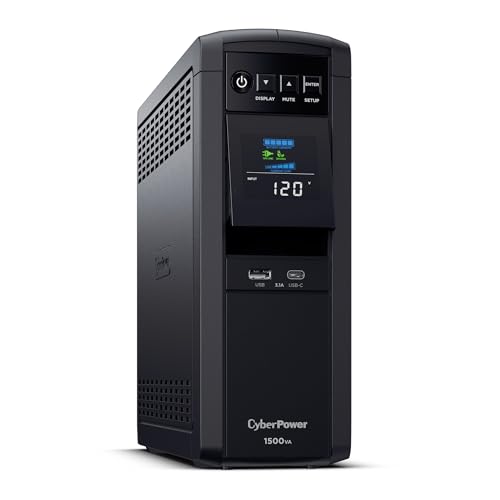
CyberPower CP1500PFCLCD PFC Sinewave UPS Battery Backup and Surge Protector, 1500VA/1000W, 12 Outlets, AVR, Mini Tower, UL Certified
1500VA/1000W PFC Sine Wave Battery Backup Uninterruptible Power Supply (UPS) System designed to support active PFC and conventional…
As an affiliate, we earn on qualifying purchases.
As an affiliate, we earn on qualifying purchases.
Managing Critical Services and Infrastructure During Outages
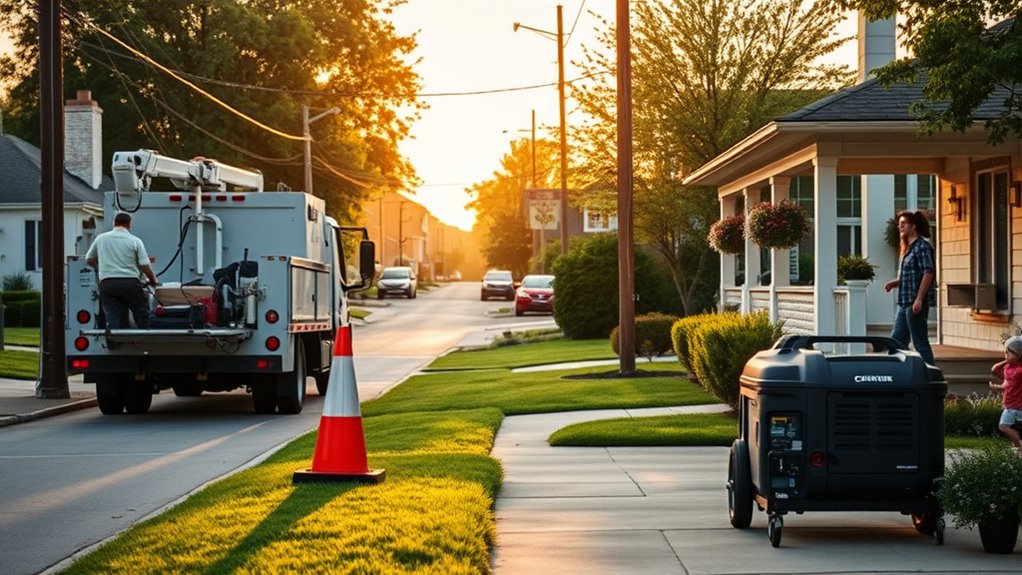
Managing critical services and infrastructure during a power shutoff requires proactive planning and quick action. You need to identify essential facilities, such as hospitals, water systems, and emergency services, and ensure they’re prepared. Develop backup power strategies like generators or uninterruptible power supplies (UPS). Coordinate with local agencies to keep critical infrastructure operational and communicate with staff and stakeholders. Consider the following:
| Critical Service | Preparedness Strategy |
|---|---|
| Hospitals | Backup generators, priority re-energization |
| Water Systems | Battery backups, manual operation |
| Emergency Services | Pre-planned response, portable power |
Additionally, evaluating cost-effectiveness helps balance safety measures with budget constraints, ensuring sustainable preparedness. Stay informed about outage scope and duration, and regularly test your plans. Being prepared minimizes disruptions and safeguards community well-being. Incorporating total-cost clarity into your planning helps ensure that your response strategies are sustainable and effective, especially when considering the durable and easy-to-maintain dog gear that can be part of emergency preparedness. Utilizing water safety measures such as water storage and filtration can further protect community health during outages.
Building Long-Term Resilience Through Community and Infrastructure Enhancements
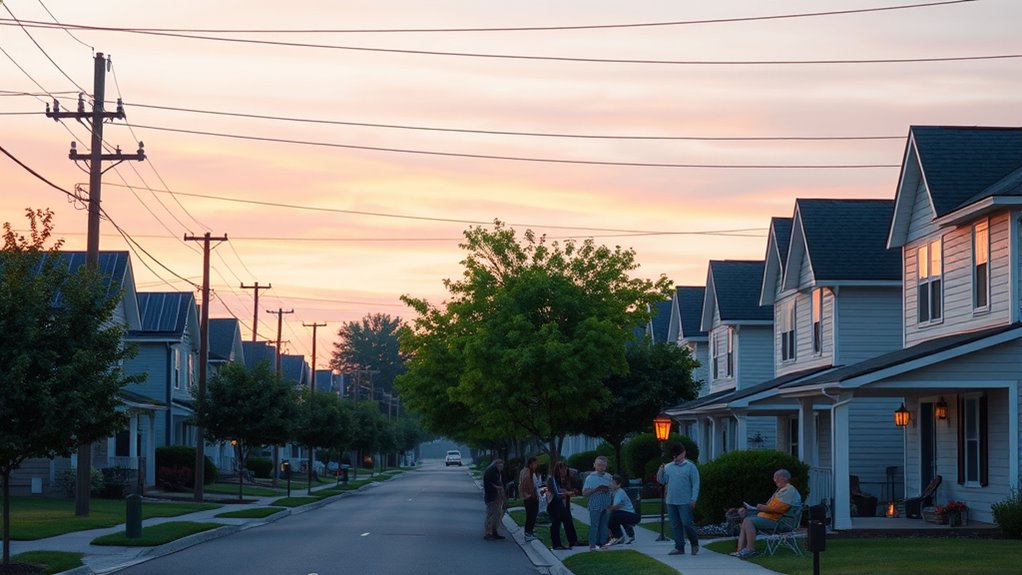
Building long-term resilience to power shutoffs requires proactive investments in community infrastructure and collaborative efforts. You can support this by advocating for grid hardening measures like vegetation management, undergrounding lines, and installing sectionalization devices to reduce outage scope. Community-based solutions such as microgrids and local energy storage help maintain critical services during PSPS events. Strengthening communication networks ensures timely alerts and coordination, especially for vulnerable populations. Encouraging local governments and utilities to partner on resilience projects fosters shared responsibility. Additionally, investing in emergency preparedness education empowers residents to respond effectively. By prioritizing these infrastructure upgrades and fostering community collaboration, you create a more resilient system that minimizes disruption, protects public safety, and accelerates recovery during future PSPS events. Implementing grid hardening strategies enhances the overall stability and reliability of the power system, reducing the frequency and impact of outages. Furthermore, integrating community engagement initiatives helps ensure that vulnerable groups are informed and supported during these events.
Frequently Asked Questions
How Do Utilities Decide Which Lines to Shut off First?
You should know that utilities decide which lines to shut off first based on a risk assessment considering weather, vegetation contact, and fire threat levels. They prioritize circuits crossing high fire-threat zones (Tier 2 and Tier 3) with high wind or low humidity. Real-time field inspections and weather models help identify the most vulnerable lines, ensuring safety while minimizing unnecessary outages. Their goal is to protect communities effectively while limiting disruptions.
What Are the Specific Criteria Triggering a PSPS Event?
You’ll know a PSPS event is triggered when weather conditions threaten wildfire safety, such as strong winds, low humidity, and high temperatures. Utilities assess real-time weather data, vegetation contact risks, and field inspections to decide. If forecasts predict extreme weather in high fire-threat zones, they may de-energize specific lines. This proactive step aims to reduce wildfire ignition risks during hazardous conditions.
How Long Does It Typically Take to Re-Energize Affected Lines?
Re-energizing affected lines typically takes about one to two days after weather conditions improve and safety inspections are completed. You should expect some events to extend beyond six days, especially if weather remains hazardous or inspections are delayed. Keep in mind that utilities coordinate closely with agencies to ensure all safety measures are met before restoring power. Staying informed through alerts and updates helps you prepare for the timeline.
Are There Plans to Reduce PSPS Frequency in High-Risk Areas?
You’re right to wonder about reducing PSPS frequency. Currently, utilities and regulators are investing heavily in grid hardening projects—like undergrounding wires and vegetation management—that have already cut PSPS events by nearly 30% in some areas. They’re also exploring microgrids and targeted solutions to keep power on during extreme weather. It’s an ongoing effort to balance wildfire safety with reliable electricity, aiming to protect communities and reduce disruptions.
How Can Vulnerable Populations Best Prepare for Extended Outages?
You can best prepare for extended outages by registering with utility programs for access and needs, ensuring medical equipment is fully charged and has backup power, and creating a detailed emergency plan. Stock up on essentials like water, nonperishable food, batteries, and a portable charger. Keep important contacts handy, identify nearby community resource centers, and have a plan for communication and evacuation if needed. Regularly review and update your emergency preparedness plan.
Conclusion
By staying informed and prepared, you can navigate PSPS days confidently. For example, imagine a neighborhood that coordinated backup generators and shared resources, ensuring everyone’s safety and comfort. Your proactive planning—like assembling emergency kits or establishing communication plans—can make a real difference. Remember, a calm, organized approach not only protects your household but also strengthens your community’s resilience. Together, you can face PSPS events with confidence and peace of mind.