
Pipe heating cables and insulation boost your winter readiness by preventing pipes from freezing and bursting, which can cause costly repairs. Heating cables target vulnerable pipes and keep water flowing even in extreme cold, while insulation acts as a barrier to retain heat and reduce energy costs. When combined, they provide thorough protection, especially in unheated areas like basements or garages. If you want to discover more ways to secure your plumbing in winter, keep going.
Prime for Young Adults — start your free trial
Fast free delivery, streaming and member deals for eligible 18–24 year olds.
As an affiliate, we earn on qualifying purchases.
Key Takeaways
- Combine heating cables and insulation to effectively prevent pipe freezing in cold weather.
- They enhance energy efficiency by focusing heat and reducing overall heating costs.
- Proper installation protects vulnerable pipes in unheated areas like basements and garages.
- Using adjustable thermostats allows for temperature control and optimal protection.
- This combination prolongs pipe lifespan and ensures continuous water flow during winter.

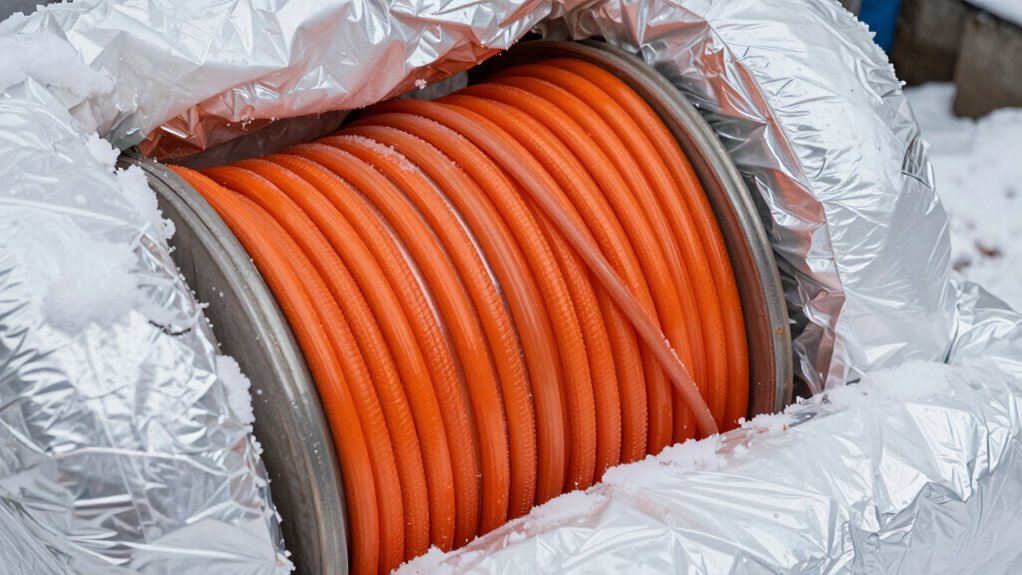
When winter temperatures drop, ensuring your pipes stay warm becomes essential to prevent freezing and costly damage. Pipe heating cables and insulation are practical solutions that considerably boost your winter readiness. These tools work together to provide frost prevention, which is vital because frozen pipes can burst, leading to expensive repairs and water damage. Installing heating cables along vulnerable pipes keeps the water flowing, even in the coldest weather, giving you peace of mind during harsh winter months.
Keeping pipes warm with heating cables prevents freezing and costly winter damage.
Using pipe heating cables also enhances energy efficiency. Rather than heating your entire home or relying solely on insulation, these cables target the pipes directly. This focused approach reduces energy waste and lowers heating costs. When you choose high-quality cables with adjustable thermostats, you can set them to operate only when needed, conserving power without sacrificing protection. This not only saves money but also minimizes your environmental impact, making your winter preparations more sustainable.
Insulation complements heating cables by providing a physical barrier against the cold. Properly insulated pipes retain heat longer, reducing the workload on your heating cables and further improving energy efficiency. Foam pipe insulators, for example, are easy to install and can be wrapped around exposed pipes in unheated areas like basements, attics, or garages. Combining insulation with heating cables creates an effective shield against frost, helping your pipes withstand even the most frigid conditions. Proper pipe insulation also prolongs the lifespan of your plumbing system by preventing damage caused by repeated freezing and thawing cycles. Additionally, selecting the right insulation materials can significantly improve overall effectiveness and durability. Proper installation techniques are essential to maximize the benefits of these protective measures and ensure long-term reliability. Incorporating biodiversity in your planning, such as choosing environmentally friendly materials, can further contribute to sustainable winter protection solutions. Using eco-friendly insulation options can lessen environmental impact while maintaining performance.
pipe heating cables with adjustable thermostat
As an affiliate, we earn on qualifying purchases.
As an affiliate, we earn on qualifying purchases.
Frequently Asked Questions
How Do I Choose the Right Wattage for Pipe Heating Cables?
To choose the right wattage for pipe heating cables, start with a wattage calculation based on your pipe’s length, diameter, and local climate. Typically, 3-5 watts per linear foot work well for most applications. Consider the power requirements to prevent freezing and guarantee energy efficiency. Measure your pipe’s specifics carefully, and select a cable with sufficient wattage to maintain a safe, consistent temperature during cold weather.
What Safety Precautions Should I Take When Installing Heating Cables?
When installing heating cables, prioritize electrical safety by turning off power before starting. Follow the installation guidelines carefully to prevent damage or hazards. Use proper tools, avoid overlapping cables, and secure them firmly to prevent movement. Inspect cords and connections for damage before powering on. If unsure, consult a professional. These precautions help guarantee a safe, effective installation, reducing risks of electrical faults or fire hazards.
How Long Do Insulation Materials Typically Last?
Think of insulation materials as the sturdy armor protecting your pipes through winter’s relentless assault. Typically, insulation durability spans 10 to 20 years, but this depends on the material’s lifespan and environmental exposure. High-quality insulations like foam or fiberglass tend to last longer, while cheaper options wear down faster. Regular inspections guarantee your insulation continues to shield effectively, acting as a barrier between your pipes and harsh winter conditions.
Can Insulation Prevent All Types of Pipe Freezing?
Insulation alone can’t prevent all types of pipe freezing because pipe material and temperature control are essential factors. For example, metal pipes heat up faster but also lose heat quickly, while plastic pipes are less conductive. Proper insulation helps maintain a stable temperature, but in extremely cold conditions, pipe heating cables are needed for effective prevention. So, combining insulation with temperature control methods offers the best winter protection.
Are There Eco-Friendly Options for Pipe Insulation and Heating Cables?
You can absolutely find eco-friendly materials for pipe insulation and heating cables! These sustainable options often use recycled or biodegradable components, making a huge difference for the environment. By choosing eco-friendly options, you’re not just protecting your pipes but also helping reduce your carbon footprint. It’s like giving your winter preparations a green upgrade—saving energy and supporting sustainability at the same time!
As an affiliate, we earn on qualifying purchases.
Conclusion
By adding pipe heating cables and insulation, you’re actively protecting your home from winter’s worst. Don’t let fear of installation or cost hold you back; these solutions are easier and more affordable than you might think. With just a little effort, you’ll prevent costly burst pipes and keep your water flowing smoothly all season long. Embrace these simple upgrades—you’ll enjoy peace of mind knowing your home is prepared for whatever winter throws your way.
As an affiliate, we earn on qualifying purchases.
As an affiliate, we earn on qualifying purchases.
Fall yard work Picks
leaf blowers
As an affiliate, we earn on qualifying purchases.