To prepare for storm season without turning your house into storage, focus on essential items like food, water, and safety gear kept in designated spots. Regularly clean gutters and trim exterior trees to prevent damage. Secure outdoor furniture and reinforce windows and doors, but avoid cluttering your living space with unnecessary supplies. Keep emergency plans and important documents nearby for quick access. Want to discover more tips on balancing preparedness with organization? Keep exploring for practical solutions.

Get backup power and energy gear delivered free with Prime
- Fast, free delivery on millions of items
- Prime Video, Amazon Music and more included
- Member-only deals all year
Key Takeaways
- Organize and store seasonal items in designated storage areas away from primary living spaces.
- Use vertical and wall-mounted storage solutions to maximize space without cluttering rooms.
- Regularly declutter to prevent unnecessary items from accumulating and creating obstacles.
- Keep essential supplies and emergency kits accessible, not stored deep in storage areas.
- Implement a home layout that prioritizes clear pathways and reduces hazards during storms.
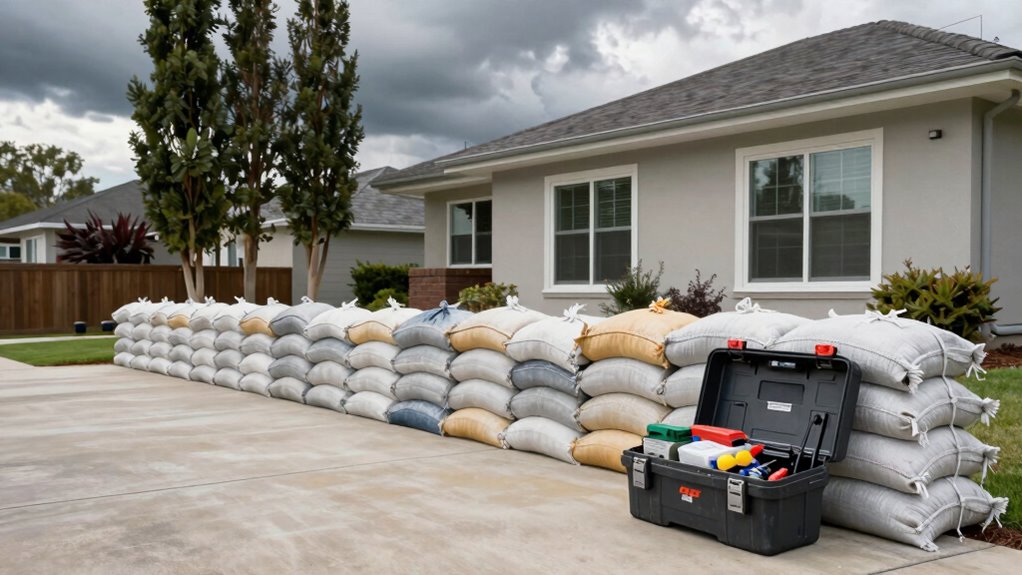
Storm season can arrive unexpectedly, but with proper preparation, you can protect yourself and your property. The key is to be ready without turning your house into a storage warehouse for supplies and equipment. Start by reviewing your flood insurance policy. Many homeowners overlook this essential coverage, believing their standard insurance protects against flooding, but that’s often not the case. Flood insurance can be a lifesaver if rising waters threaten your property. It covers damages caused by floods, helping you recover faster and avoid significant financial setbacks. Make sure your policy is up-to-date and provides enough coverage for your home and belongings. Keep a record of your policy details handy, and consider increasing coverage if you live in a flood-prone area.
Review and update your flood insurance to ensure adequate protection before storm season begins.
Beyond insurance, having an emergency kit is crucial. You don’t need a closet full of supplies; instead, focus on assembling a compact, well-stocked kit that’s easy to access. Your kit should include essentials like bottled water, non-perishable food, a flashlight, batteries, a first aid kit, and any necessary medications. Include a portable phone charger and copies of important documents such as IDs, insurance policies, and medical information. Store your emergency kit in a designated spot known to all family members, so it’s quick to grab when needed. Regularly check and update your supplies to ensure everything remains functional and current. Additionally, using appropriate cleaning tools can help maintain your home’s resilience and cleanliness, reducing potential hazards during storms. Staying aware of flood risk assessment updates can help you better understand your vulnerability and prepare accordingly. Conducting regular home maintenance checks can also prevent minor issues from escalating during severe weather events. Incorporating systems thinking into your planning can help you identify interconnected vulnerabilities and develop more effective strategies for storm preparedness. Being aware of local emergency services and their response protocols can further enhance your safety planning.
Preparing your home is equally important. Clear gutters and downspouts to prevent water from pooling and causing internal flooding. Trim trees and shrubs near your house to avoid damage from falling branches during storms. Install sump pumps with battery backups if flooding is a persistent concern. These small steps can make a big difference in reducing potential water damage without cluttering your living space with unnecessary equipment. Additionally, secure outdoor furniture and loose objects that could become projectiles during high winds, and reinforce garage doors and windows if needed.
The goal isn’t to turn your house into a storage unit but to create a streamlined, effective plan that protects your loved ones and property. By investing in flood insurance and preparing a practical emergency kit, you’re taking essential steps toward resilience. Combined with simple home maintenance, these actions help you face storm season confidently—ready to respond quickly and minimize damage. Staying informed through weather alerts and having a clear evacuation plan further enhances your readiness, keeping you safe without sacrificing your home’s comfort or organization.
emergency kit supplies for storm preparedness
As an affiliate, we earn on qualifying purchases.
As an affiliate, we earn on qualifying purchases.
Frequently Asked Questions
How Can I Protect My Garden During Storms?
To protect your garden during storms, you should plant rain-resistant plants that can withstand heavy rain and wind. Improve your garden drainage by adding organic matter or creating slopes to prevent waterlogging. Mulch your soil to reduce erosion and protect roots. Secure loose items and stakes to prevent damage. These steps help your garden endure storms, keeping your plants healthy and your outdoor space safe.
What Are Affordable Ways to Reinforce Windows?
Think of your windows as the eyes of your home—protect them without breaking the bank. You can affordably reinforce your windows with sturdy storm shutters or apply window film that acts like a clear armor, shielding against flying debris. Storm shutters slide into place quickly and offer robust protection, while window film is a cost-effective way to strengthen glass, providing peace of mind without turning your house into a storage unit.
How Do I Create an Emergency Kit on a Budget?
You can create an emergency kit on a budget by using cost-effective supplies like bottled water, canned foods, and basic first aid items. Plan your budget carefully, prioritizing essential items first. Look for sales or discounts at local stores or online, and consider repurposing household items for added preparedness. With some smart budget planning, you’ll assemble a reliable kit without overspending, ensuring you’re ready for any storm season.
What Should I Do if I Lose Power During a Storm?
If you lose power during a storm, prioritize safety by unplugging sensitive electronics and using flashlights rather than candles. Stay informed through battery-powered radios to monitor updates. Follow your power outage preparedness plan, including having extra batteries and essentials on hand. Keep emergency communication plans ready, so you can contact loved ones or emergency services if needed. Stay calm, conserve your resources, and avoid opening refrigerators or freezers to preserve cold air.
How Can I Safeguard Important Documents Effectively?
To safeguard important documents, you should use secure document storage by keeping physical copies in a waterproof, fireproof safe. Additionally, create digital backups of all essential documents and store them securely online or on an external drive. Regularly update these backups, and consider encrypting digital files for extra security. This way, your crucial information stays protected and accessible, even if a storm damages your physical copies.
wall-mounted storage solutions for home organization
As an affiliate, we earn on qualifying purchases.
As an affiliate, we earn on qualifying purchases.
Conclusion
As storm season approaches, remember that proper preparation can save you time and stress. Using smart storage solutions and staying informed keeps your home safe without turning it into a cluttered storage space. Did you know that houses with well-maintained storm preparedness plans are 50% less likely to suffer severe damage? Staying proactive guarantees you’re ready for anything, so take these steps now—your future self will thank you for it.
As an affiliate, we earn on qualifying purchases.
As an affiliate, we earn on qualifying purchases.
Halloween Picks
halloween
As an affiliate, we earn on qualifying purchases.