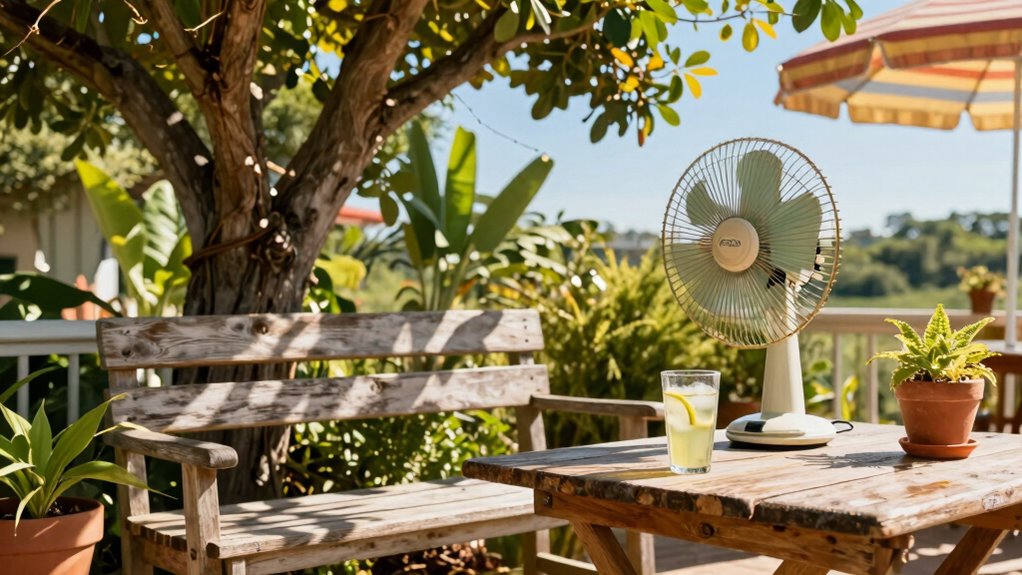

During hot and humid summer outages, you can stay cool by using natural ventilation at night, opening windows when outdoor air is cooler, and creating cross-breezes. Apply damp sheets or clothing to boost evaporative cooling, and wear lightweight, breathable fabrics. Use battery-powered fans to increase airflow and reduce discomfort. Block sunlight with shades or reflective curtains during the day to keep indoor temperatures lower. For more tips on staying comfortable, explore these strategies further.
Key Takeaways
- Use battery-powered fans and natural ventilation to increase airflow and promote sweat evaporation.
- Apply cold compresses to pulse points and wear lightweight, breathable fabrics for quick cooling.
- Block solar heat with blinds, reflective curtains, and outdoor shading; open windows at night for cooler air.
- Keep vulnerable populations hydrated, in shaded areas, and monitor for signs of heat illness.
- Seal gaps, insulate, and utilize passive cooling strategies to reduce indoor heat gain during outages.

GOLDENMATE 1000VA/800W Lithium UPS Battery Backup and Surge Protector, Backup Battery Power Supply with LiFePO4 Batteries(230.4 Wh), Sinewave UPS System, 10 Years Lifespan, 8 Outlets, LCD Display
[LiFePO4 Battery, Ultra-long Endurance]: This lithium UPS is equipped with a state-of-the-art Lithium Iron Phosphate Battery Pack, delivering...
As an affiliate, we earn on qualifying purchases.
Immediate Personal Cooling Techniques

During a summer outage without air conditioning, quick and effective personal cooling methods can help you stay comfortable. Use battery-powered or USB fans to increase air movement; moving air can feel up to 8°F cooler by boosting sweat evaporation. Apply cold compresses to high-flow areas like your neck, wrists, and groin to lower perceived body temperature quickly. Sleep low and ventilate at night by opening lower-level windows and creating cross-breezes when outdoor air is cooler than indoor air. Wear lightweight, breathable fabrics such as loose cotton or moisture-wicking synthetics to improve evaporative cooling, especially in high humidity. When humidity allows, damp sheets or clothing can aid cooling; stop if humidity is very high, as effectiveness drops with increased ambient vapor. Additionally, understanding safer riding habits can help prevent heat-related fatigue and ensure your safety during outdoor activities. Maintaining proper air circulation indoors can also enhance personal comfort during power outages. Incorporating proper ventilation techniques can further improve indoor airflow and cooling efficiency during hot, humid conditions. Being aware of humidity levels can help you choose the most effective cooling strategies and avoid methods that may be less effective in very humid environments. Staying informed about weather forecasts can help you plan ahead and take preventive measures before outages occur.

APC UPS Back-UPS Pro 1500VA UPS, 900W Battery Backup & Surge Protector, AVR, 10 Outlets (NEMA 5-15R), LCD, BX1500M Uninterruptible Power Supply for Computers, Wi-Fi Routers, Home Office Electronics
1500VA / 900W RELIABLE BACKUP POWER: The highest VA capacity available for home use; delivers short‑term battery power...
As an affiliate, we earn on qualifying purchases.
Managing Indoor Heat During Power Outages
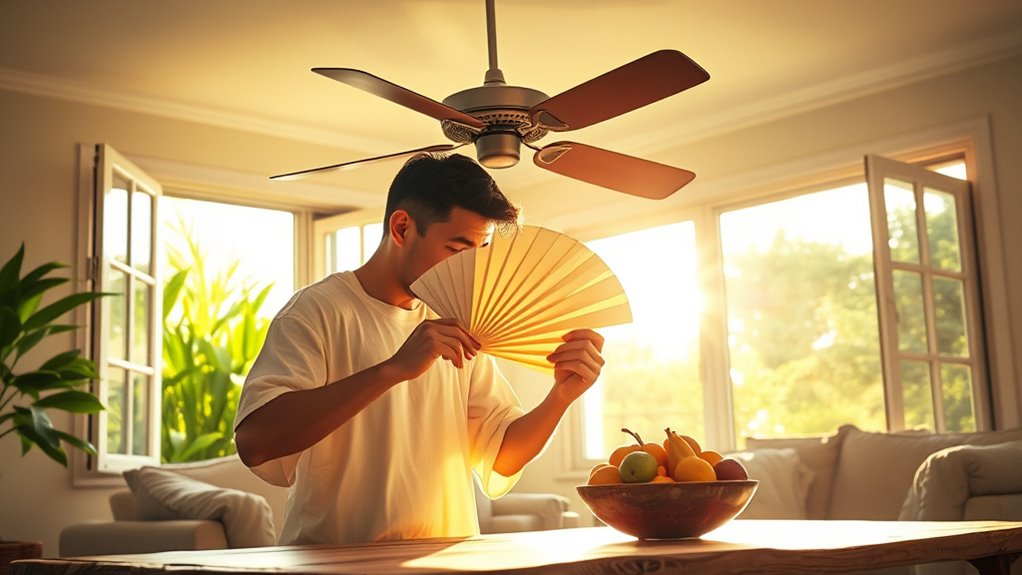
To keep indoor temperatures manageable during a power outage, start by blocking out solar heat with blinds or reflective curtains during the day. Then, improve airflow by creating layered ventilation strategies—opening windows at night and sealing them during the heat of the day. You can also use evaporative cooling methods, like damp sheets or clothing, to help lower the perceived indoor temperature when humidity levels are low. Incorporating timeless style principles, such as wearing loose, breathable fabrics, can further enhance comfort in hot and humid conditions. Additionally, using air purifiers with appropriate filters can help improve indoor air quality during power outages, especially in polluted urban environments. Understanding and managing indoor air quality can make a significant difference in overall comfort and health during extreme weather events. Ensuring proper ventilation strategies are in place helps reduce indoor heat buildup, and incorporating natural cooling techniques can further support a cooler indoor environment during outages.
Block Solar Gains
Blocking solar gains is essential for keeping indoor temperatures manageable during power outages. By preventing sunlight from entering, you can markedly reduce indoor heat buildup. Here are three effective strategies:
- Close blinds, shades, or reflective curtains during the day to block direct sunlight.
- Use external shading like temporary awnings or reflective films on windows to reflect solar energy before it enters.
- Seal gaps around windows and doors with weatherstripping or draft stoppers to prevent heat from sneaking in through leaks.
- Incorporate outdoor shading options such as pergolas or umbrellas to extend shade coverage and further reduce heat entry.
- Additionally, implementing passive cooling techniques such as natural ventilation by opening windows during cooler parts of the day can further help dissipate accumulated heat.
- Ensuring your home’s insulation is adequate can also help slow heat transfer into your living space during hot days and prevent unnecessary heat gain.
- Regularly maintaining and inspecting your home’s building envelope helps ensure that these measures remain effective over time.
These steps help keep your home cooler by minimizing heat transfer from the outside. They’re simple, low-cost measures that markedly reduce indoor temperatures during extended outages, making your space more comfortable without relying on electricity.
Enhance Ventilation Strategies
Effective ventilation is key to managing indoor heat when power is out. You want to maximize airflow during cooler parts of the day, like early morning and evening. Open lower-level windows to create cross-breezes that draw in cooler outdoor air and push out warm indoor air. Use fans powered by batteries or USB ports to enhance air movement, making the space feel several degrees cooler through increased sweat evaporation. At night, ventilate by opening windows when outdoor air is cooler than inside, then close them during the day to trap cooler air. Seal leaks around doors and windows to prevent heat from entering. Concentrate occupants in cooler rooms, like lower floors or north-facing spaces, to reduce heat exposure. Additionally, understanding the physics behind ventilation strategies can help optimize airflow and maintain a more consistent indoor temperature. Being aware of indoor odor sources can also help you identify potential issues like mold or bacteria that may affect air quality during extended outages. Properly managing airflow patterns can significantly improve comfort and reduce indoor heat buildup during power outages. Incorporating natural ventilation techniques can further enhance cooling efficiency when power is unavailable. Learning about airflow dynamics can help you design more effective ventilation setups, ensuring better indoor comfort during outages. These strategies help keep your indoor environment more comfortable during power outages.
Use Evaporative Cooling
During power outages, evaporative cooling can provide significant relief by lowering indoor temperatures naturally. You can use several simple methods to maximize this effect.
- Hang damp sheets or clothing in open windows to promote evaporation, which cools the air as moisture evaporates.
- Place cold compresses on high-flow areas like your neck, wrists, or groin to reduce your perceived body temperature quickly.
- Keep windows on the cooler side of your home open at night to create cross-breezes, then seal them during the day to trap the cooler air inside.
These strategies rely on evaporation and airflow to keep your living space more comfortable during outages, helping you beat the heat without electricity.
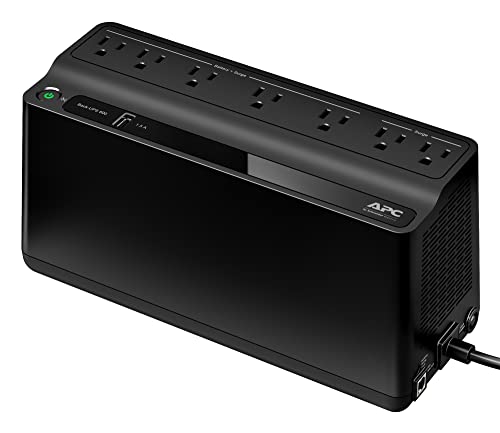
APC UPS 600VA / 330W UPS Battery Backup & Surge Protector, 7 Outlets (NEMA 5-15R), USB Charging Port, BE600M1 Uninterruptible Power Supply for Computers, Wi-Fi Routers, and Home Office Electronics
KEEP YOUR COMPUTER, WI-FI AND ROUTER RUNNING THROUGH POWER OUTAGES: Supplies short‑term battery power during outages to maintain...
As an affiliate, we earn on qualifying purchases.
Keeping Food and Water Safe Without Electricity
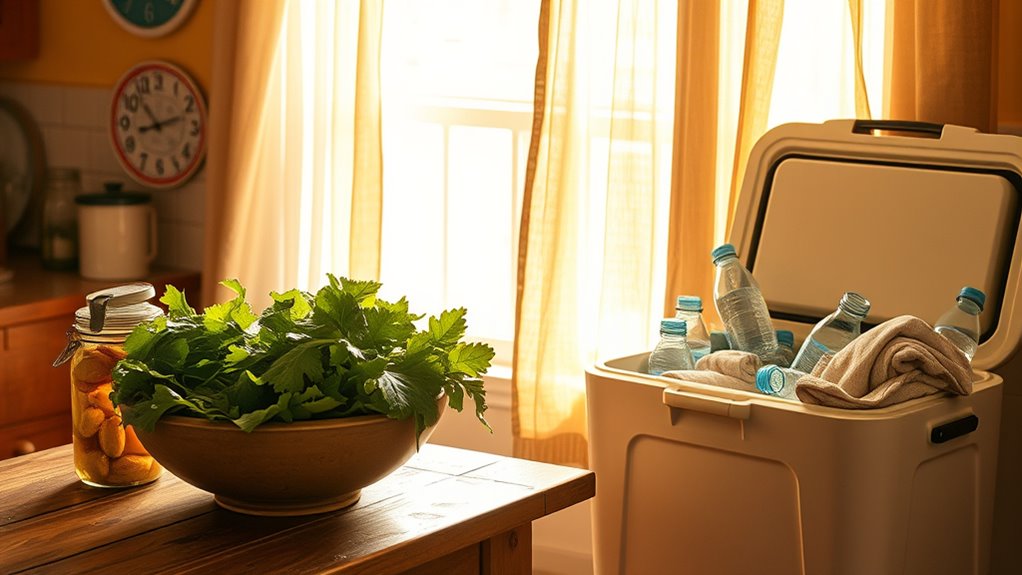
Keeping your food and water safe without electricity requires prompt action and careful handling. First, keep refrigerator and freezer doors closed as much as possible to maintain cold temperatures. A full freezer can keep food frozen for about 48 hours; if half-full, expect around 24 hours. Transfer perishable items to a cooler with ice if the outage lasts longer, and check food with a thermometer—discard anything above 40°F after two hours. Store at least one gallon of drinking water per person per day, and rotate supplies every 6–12 months. Use non-perishable, ready-to-eat foods like canned goods or dried fruits to avoid cooking in heat. Never use indoor gas stoves or grills indoors; only operate outdoor appliances with proper ventilation. Regularly monitoring device vulnerabilities can help prevent security breaches that may disrupt essential services during outages. Additionally, having an emergency preparedness plan in place can improve response times and safety during prolonged outages. Being aware of wave and wind conditions can also help you better protect your home and supplies from storm-related damage. Incorporating modern kitchen technology such as smart sensors can assist in monitoring food storage conditions remotely.

CyberPower ST425 Standby UPS Battery Backup and Surge Protector, 425VA/260W, 8 Outlets, Compact, UL Certified
425VA/260W Standby Battery Backup Uninterruptible Power Supply (UPS) System uses simulated sine wave output to safeguard home office...
As an affiliate, we earn on qualifying purchases.
Protecting Vulnerable Populations in Hot Weather

You need to keep an eye on vulnerable populations like infants, the elderly, and those with chronic illnesses during hot weather, as they’re more at risk for heat-related illnesses. Recognize early signs such as dizziness, heavy sweating, or confusion, and act quickly to cool and hydrate them. Establish support networks or check-in systems to make certain they get the care and assistance they need during outages or extreme heat.
Recognize Heat Illness Signs
Recognizing the signs of heat illness is essential, especially for vulnerable populations like the elderly, infants, and individuals with chronic health conditions. Being alert helps you act quickly and prevent serious health issues. Here are key signs to watch for:
- Muscle cramps, heavy sweating, and weakness, indicating dehydration or heat exhaustion.
- Dizziness, nausea, or headaches, signaling the need to cool down immediately.
- Rapid heartbeat, confusion, or loss of consciousness, which are symptoms of heat stroke and require urgent medical attention.
If you notice these signs, move the person to a cooler place, offer water if they’re alert, and seek medical help right away. Acting fast can prevent severe health complications.
Maintain Hydration and Care
During hot weather, guaranteeing adequate hydration is essential, especially for vulnerable populations such as the elderly, infants, and individuals with chronic illnesses. You should encourage these at-risk groups to drink plenty of fluids throughout the day, aiming for at least one gallon per person daily, and to avoid caffeine or alcohol, which can dehydrate. Keep water easily accessible, and remind them to sip regularly rather than gulp large amounts at once. Watch for signs of dehydration, like dry mouth, dizziness, or weakness. For infants and elderly, monitor closely, as they’re more susceptible to heat-related issues. Additionally, protect them from heat exhaustion by keeping them in cool, shaded areas, and ensure they’re dressed in lightweight, breathable clothing. Proper hydration and care can markedly reduce heat-related health risks. Recognizing heat-related health risks can help in taking timely preventive measures. Self-awareness about individual health conditions can help tailor hydration strategies effectively.
Establish Support Networks
Establishing support networks is essential for safeguarding vulnerable populations during hot weather, especially when power outages limit access to cooling resources. You need to guarantee at-risk individuals receive timely help and hydration. Here are key steps:
- Create a community check-in system: Regularly contact neighbors, especially seniors, pregnant individuals, or those with chronic illnesses, to monitor their well-being and offer assistance with cooling or hydration needs.
- Coordinate transportation: Arrange rides to cooling centers or clinics for those unable to travel on their own, ensuring they stay safe and cool.
- Share resources: Pool supplies like fans, cold packs, or bottled water within your community to support those without adequate cooling or hydration options.
These actions create a safety net during extreme heat and outages.
Preparing Your Home for Extended Outages
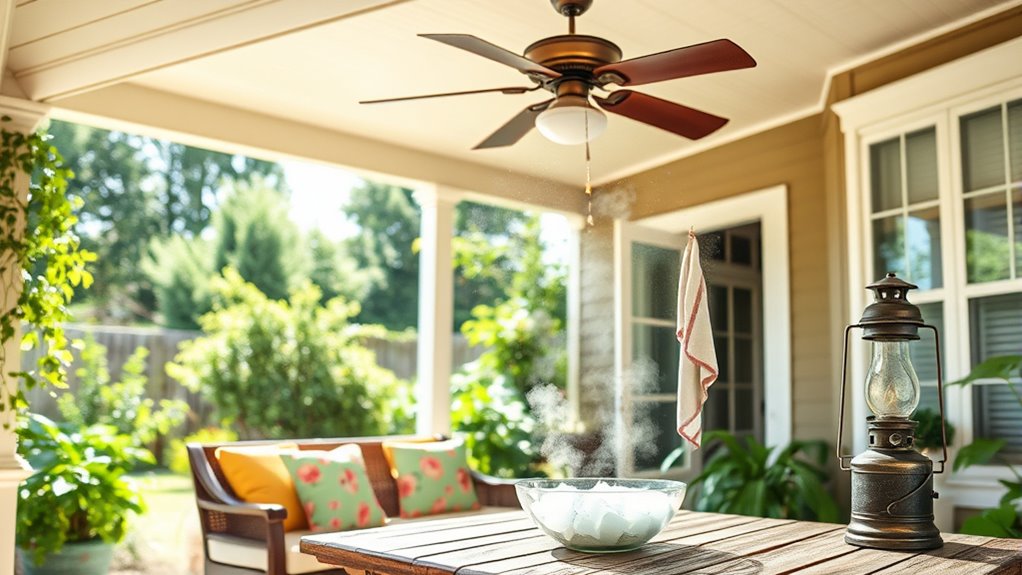
Preparing your home for extended outages involves proactive steps to reduce heat gain, improve insulation, and make certain essential supplies are on hand. Start by sealing gaps around windows and doors with weatherstripping or caulk to prevent warm air from entering. Block solar gain during the day by closing blinds or shades, especially on south- and west-facing windows. Use reflective film or temporary awnings to shield exterior walls and windows. Insulate attic hatches, pipes, and walls to slow heat transfer. Keep a well-stocked supply of water, non-perishable foods, batteries, and medical essentials nearby. Consider portable fans or battery-powered ventilation devices to increase airflow. These measures help keep your home cooler longer and ensure you’re prepared for prolonged outages.
Community Strategies and Resources for Heat Events
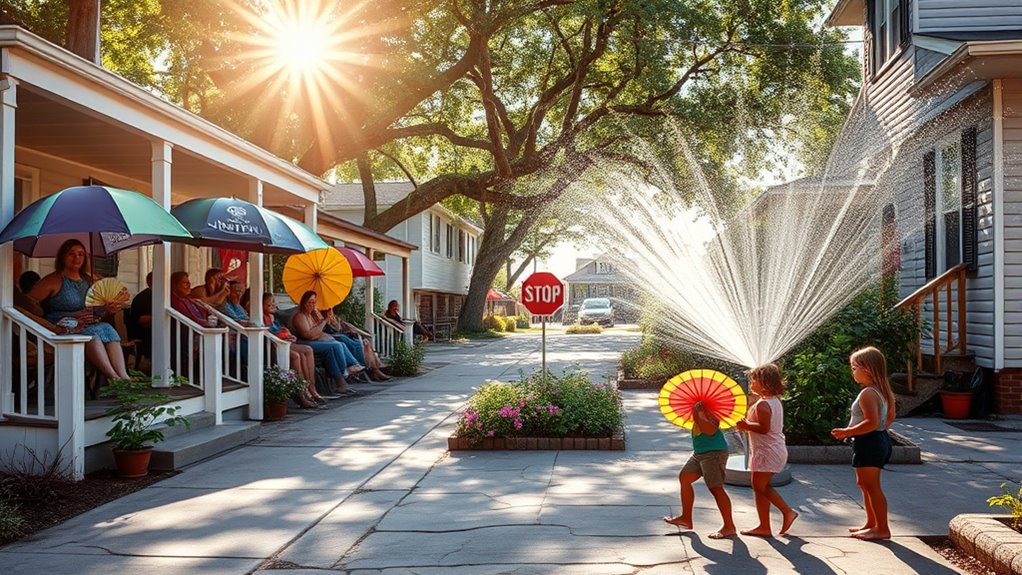
Community strategies and resources play a vital role in managing heat events and protecting vulnerable populations. Your local government often opens cooling centers, providing a safe place to escape the heat. Staying connected through neighborhood check-ins helps guarantee at-risk individuals receive support. Additionally, community programs may distribute supplies like fans, water, or cool packs. Here are some ways to get involved or access resources:
- Use local cooling centers during heatwaves, especially if you’re vulnerable.
- Participate in neighborhood buddy systems to check on neighbors who need assistance.
- Access community resource programs for cooling supplies, water, or transportation assistance.
Long-Term Steps to Increase Resilience and Reduce Outage Risks
To effectively reduce outage risks and build long-term resilience, investing in infrastructure upgrades and modern grid technologies is essential. You should advocate for undergrounding more distribution lines, as studies show this can cut outage hours considerably. Supporting grid hardening measures like vegetation management, upgraded poles, and transformers enhances reliability. Expanding demand-response programs and community battery storage helps balance peak loads during heatwaves. Encouraging energy efficiency improvements—such as insulation, shading, and cool roofs—reduces indoor heat and peak demand. Monitoring changing risk drivers, like increased electrification and retiring dispatchable plants, allows you to prepare for potential stress events. By prioritizing these investments and policies, you contribute to a more resilient grid, minimizing outages and keeping your community better protected during increasingly intense summer heat events.
Frequently Asked Questions
How Can I Effectively Cool My Home Without Any Electricity?
You can effectively cool your home without electricity by blocking out solar heat with reflective curtains or shades during the day. Open windows at night to create cross-breezes and let cooler air in, then close them during the day. Use damp cloths or sheets on windows or furniture for evaporative cooling, and concentrate your activities in the coolest parts of your home, like lower floors or north-facing rooms.
What Are the Best Ways to Hydrate During a Prolonged Outage?
Imagine your body as a thirsty plant, craving steady watering. During a prolonged outage, prioritize drinking at least a gallon of water per person daily, like filling a reservoir. Keep water cool in bottles or coolers, and rotate supplies to prevent spoilage. Avoid sugary or caffeinated drinks, which dehydrate. Use moisture-wicking fabrics and eat hydrating foods like fruits and vegetables to help you stay refreshed and resilient.
How Do I Safely Store Medications Without Refrigeration?
You can safely store medications without refrigeration by keeping them in a cool, dry place away from direct sunlight and heat sources. Use a dedicated cabinet or container in a frequently shaded area, ideally between 59°F and 77°F. Avoid bathroom cabinets near the sink, where humidity is high. Consider using insulated bags or coolers during heatwaves, but only for short periods, and monitor temperatures regularly to guarantee medication efficacy.
What Signs Indicate a Heat-Related Emergency in Vulnerable People?
You’ll notice signs like heavy sweating, muscle cramps, dizziness, nausea, and a rapid pulse indicating a heat-related emergency. Watch for confusion, weakness, or loss of consciousness, which signal heat stroke. You should act quickly: move them to a cooler place, hydrate with water, and apply cooling methods like damp cloths. Seek medical help immediately if symptoms worsen or if there’s disorientation or unconsciousness.
How Can Community Efforts Help Reduce Outage Impacts During Heatwaves?
Community efforts can greatly reduce outage impacts during heatwaves by organizing resource sharing, like ice and coolers, and establishing rotating schedules for using available cooling devices. Encourage neighbors to check on vulnerable residents and create local cooling centers to provide relief. Collaborative planning ensures everyone stays safe, shares information, and maintains essential supplies, ultimately minimizing health risks and easing the strain on the power grid during extreme heat conditions.
Conclusion
Stay smart, stay safe, and stay cool by taking simple steps to stay comfortable during scorching summer outages. Prepare proactively, protect vulnerable loved ones, and practice practical strategies to prevent panic and prolong comfort. By building buffers and boosting resilience, you’ll beat the heat and bask in better, brighter days ahead. Remember, with a little planning and positivity, you can weather the warmest weather without worry. Stay cool, stay confident, and keep caring!