During a blizzard outage, stay warm by using safe options like electric heaters in well-ventilated areas and bundling up with blankets. Never run generators indoors or too close to your home, and always direct exhaust outside on a stable surface. Keep carbon monoxide detectors working and understand the signs of poisoning. If you’re cautious and follow safety tips, you’ll learn how to keep your family warm without risking CO exposure, and more guidance awaits.
Key Takeaways
- Use electric space heaters in well-ventilated areas instead of fuel-burning devices to prevent CO buildup.
- Always operate generators outdoors, at least 20 feet from the house, with exhaust directed away from living spaces.
- Insulate your home with blankets and seal gaps to retain heat without risking indoor CO accumulation.
- Install and test CO detectors regularly to alert you of dangerous gas levels during power outages.
- Avoid using charcoal grills, gas lanterns, or outdoor heaters indoors or in enclosed spaces to prevent CO poisoning.

DREO Space Heater, Portable Electric Heaters for Indoor Use with Thermostat and Remote, 2024 Upgraded, Digital Display, 12H Timer, 5 Mode, 1500W PTC Ceramic Fast Safety Heat for Office Bedroom Home
Powerful heat that fits everywhere: DREO space heaters for indoor combines Hyperamics 1500W advanced PTC system with a…
As an affiliate, we earn on qualifying purchases.
As an affiliate, we earn on qualifying purchases.
Understanding the Risks of Carbon Monoxide During Power Outages
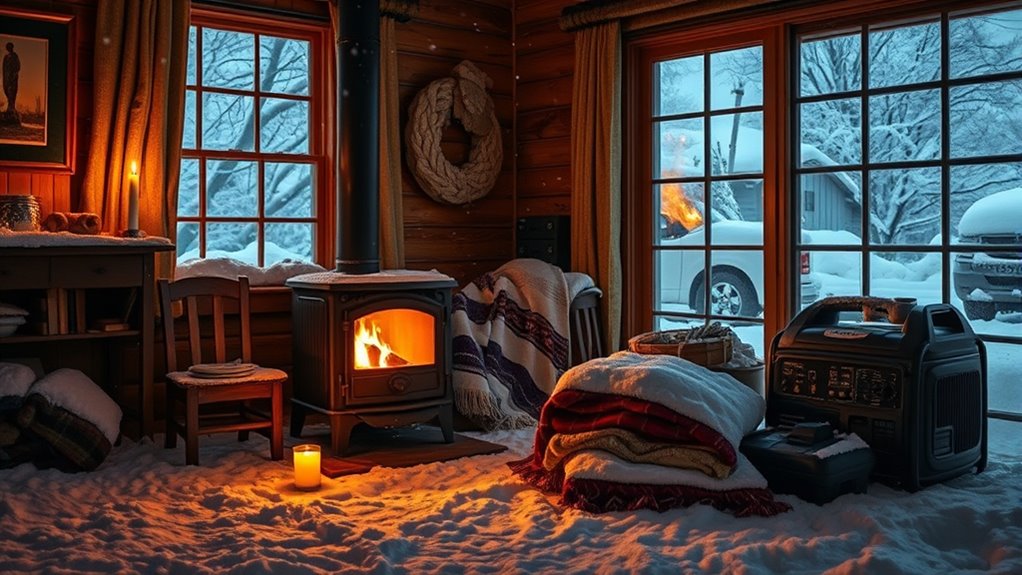
During power outages caused by severe weather or grid failures, the risk of carbon monoxide poisoning rises considerably. When the power goes out, you might turn to generators, space heaters, or other fuel-burning devices to stay warm. These appliances produce carbon monoxide (CO), a colorless, odorless gas that’s deadly if inhaled in high concentrations. Unlike electricity, CO can build up quickly in enclosed spaces, especially if ventilation is poor. Using a generator indoors or too close to your home can cause dangerous CO levels to accumulate, risking poisoning. It’s essential to understand that even small amounts of CO can cause symptoms like headaches, dizziness, and nausea, or worse. Proper precautions, such as outdoor use and adequate ventilation, are critical to keeping you safe during outages. Proper ventilation helps prevent dangerous CO buildup and protects your household from poisoning. Additionally, installing carbon monoxide detectors in your home can provide early warnings of dangerous levels. Recognizing the symptoms of CO poisoning early can also be lifesaving, as prompt action is essential to prevent severe health consequences. Understanding CO exposure risks and how to mitigate them through proper safety measures can further enhance your safety during emergencies.

Kidde Carbon Monoxide Detector, Plug-In with 9V Battery Backup, Digital Display, 85 dB Alarm, LED Status Light Indicators, 3rd Edition
Easy Installation – simply plug-in to a standard, 120V outlet in your home
As an affiliate, we earn on qualifying purchases.
As an affiliate, we earn on qualifying purchases.
Recognizing Signs of Carbon Monoxide Poisoning
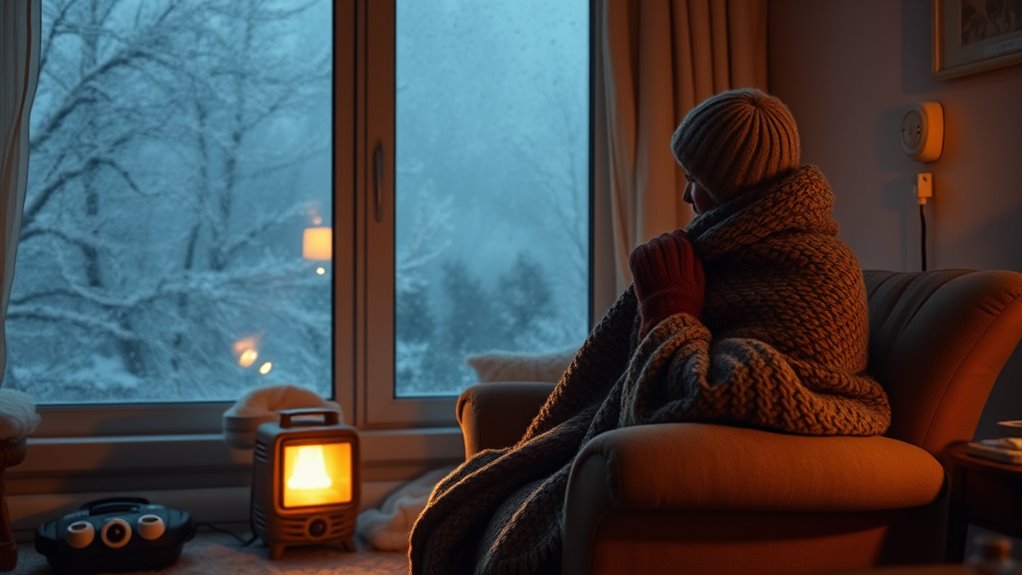
Recognizing the signs of carbon monoxide poisoning can save lives during power outages when fuel-burning devices are in use. Common symptoms include headache, dizziness, weakness, nausea, vomiting, and confusion. You might also notice chest pain or shortness of breath if exposure worsens. Because CO is odorless and colorless, it’s easy to mistake these symptoms for flu or exhaustion. If you or others experience these signs, immediately move to fresh air and seek medical help. Do not ignore early symptoms—they can quickly escalate to unconsciousness or death. Installing carbon monoxide alarms is vital, but knowing how to identify symptoms can help you take quick action and protect yourself and your loved ones during outages. Staying alert is essential for safety. Modern kitchen technology offers connected devices that can even alert you to potential hazards like CO leaks, enhancing your safety during emergencies. Regular maintenance of fuel-burning appliances and proper ventilation are also key to preventing dangerous carbon monoxide buildup. Additionally, understanding the signs and symptoms of poisoning can help you respond promptly and effectively in critical situations.

Westinghouse 12500 Peak Watt Tri-Fuel Home Backup Portable Generator, Remote Electric Start, Transfer Switch Ready, Gas, Propane, and Natural Gas Powered
12500 Peak Watts, 9500 Running Watts (Gasoline); 11200 Peak Watts, 8500 Running Watts (Propane); 9500 Peak Watts, 7500…
As an affiliate, we earn on qualifying purchases.
As an affiliate, we earn on qualifying purchases.
Safe Alternatives for Heating During Outages

When power outages strike, it’s vital to find safe ways to heat your home without risking carbon monoxide poisoning. Use portable space heaters that operate on electricity, which don’t produce harmful gases. If you have a fireplace or wood stove, only burn seasoned, dry wood and ensure proper ventilation. Avoid using charcoal grills, gas lanterns, or outdoor heaters inside your home, as they emit dangerous fumes. Keep a supply of blankets, warm clothing, and thermal wear to stay warm without relying solely on heating devices. Close curtains and seal gaps around doors and windows to retain heat. If you must use alternative heat sources, do so in well-ventilated areas and never leave them unattended. Your safety relies on proper precautions and choosing the right heating methods. proper ventilation is essential to prevent the buildup of dangerous gases and ensure your safety during any heating process. Additionally, understanding whole-house heating solutions can help you plan safer, more reliable heating options for extended outages. Planning ahead with emergency heating options can make a significant difference during extended power failures. Incorporating advanced nanotechnology in heating devices could enhance safety and efficiency in the future. Being informed about emerging heating technologies can also contribute to safer, more effective heating strategies.
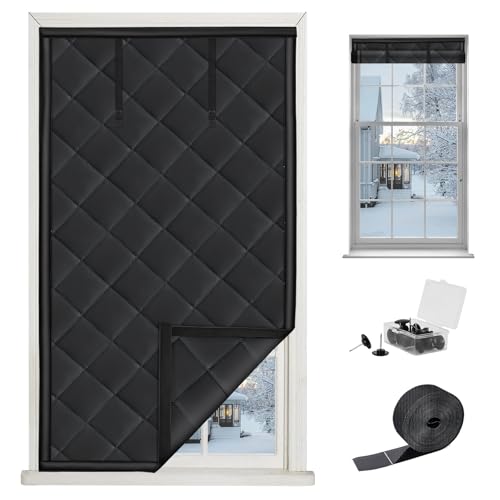
Window Insulation for Winter, Thermal Curtains Insulated Window Blanket Cover to Keep Cold Out, Weatherproofing Insulation Kits for Home (27” x 39“, Black)
Superior Insulation: The thermal window covers for house is specially designed for winter insulation and summer heat preservation,…
As an affiliate, we earn on qualifying purchases.
As an affiliate, we earn on qualifying purchases.
Proper Use of Generators to Prevent CO Poisoning
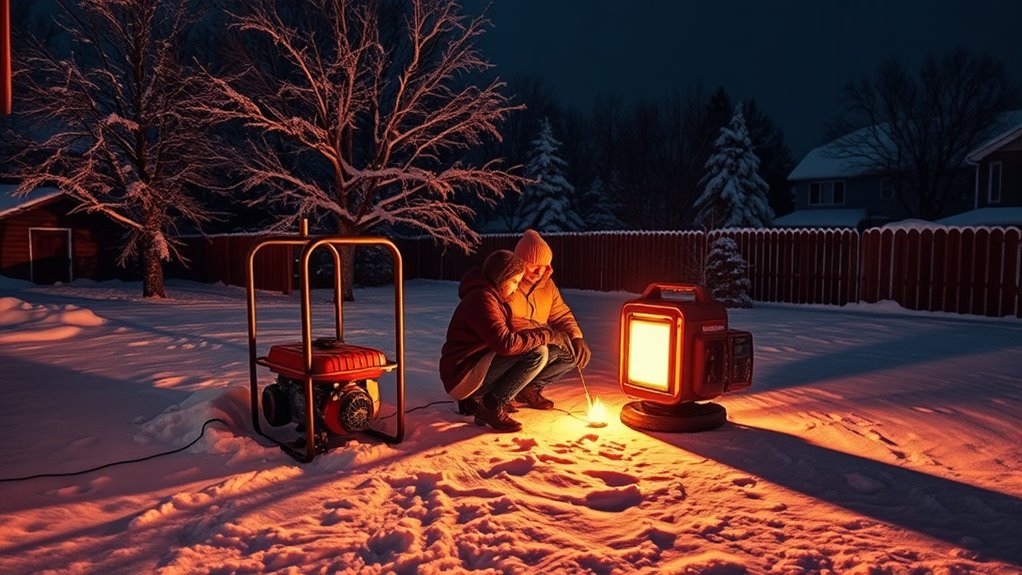
When using a generator during outages, make sure to place it outdoors in a well-ventilated area away from windows and vents. Always keep it on a flat surface and avoid enclosed spaces to prevent dangerous CO buildup. Proper ventilation and safe placement are key to protecting yourself and your family from carbon monoxide poisoning. Additionally, generator safety tips include regularly inspecting your equipment and never operating it indoors or in semi-enclosed spaces. To enhance safety, understanding the thermal behavior of your generator can help prevent overheating and reduce the risk of hazards.
Safe Placement Tips
To prevent dangerous carbon monoxide (CO) buildup, it’s essential to carefully choose where you place your generator. Keep it outdoors and away from windows, vents, and doors to prevent CO from entering your home. Place the generator on a flat, stable surface, ideally on concrete or gravel, to minimize movement and fuel spills. Maintain at least 20 feet of distance between the generator and your house, with the exhaust directed away from windows and air intakes. Avoid enclosed or partially enclosed spaces, such as garages, sheds, or carports, even if doors are open. Never operate the generator in a basement or near vents, as CO can quickly accumulate. Proper placement is key to ensuring safe operation and protecting your household from CO poisoning. Additionally, energy-efficient cloud solutions can help reduce reliance on backup generators by supporting more resilient power infrastructure. Using proper generator maintenance further ensures safe and efficient operation, reducing the risk of CO leaks or malfunctions.
Proper Ventilation Practices
Proper ventilation is essential for safe generator use during power outages. Always operate your generator outdoors in an open, well-ventilated area to prevent dangerous carbon monoxide buildup. Never use a generator inside your home, garage, basement, or any enclosed space, even if doors and windows are open. Keep the generator at least 20 feet away from your house, with the exhaust directed away from windows and vents. Use a carbon monoxide detector nearby to monitor potential leaks. Regularly inspect your generator’s exhaust system for blockages or leaks, and ensure it’s functioning properly. Proper ventilation minimizes CO risks, allowing you to stay warm safely while preventing poisoning. Remember, a small mistake with generator placement can be deadly. Always prioritize good ventilation practices during outages. Proper ventilation is vital for reducing health risks associated with generator use and ensuring your safety during emergencies. Additionally, understanding safe operation practices can further help prevent accidental CO poisoning and keep your household safe.
Ensuring Adequate Ventilation in Enclosed Spaces
Ensuring adequate ventilation in enclosed spaces is essential for maintaining air quality and reducing health risks, especially during power outages or extreme weather events. When using generators, stoves, or burning fuels indoors, proper airflow prevents dangerous buildup of carbon monoxide and other toxins. Always open vents, windows, or doors slightly to allow fresh air to circulate. Avoid sealing rooms completely, and never block vents or exhaust fans. If using a portable heater or generator, position it outdoors or in well-ventilated areas, and keep exhaust fumes away from windows and openings. Regularly check that ventilation pathways are clear and functioning. Incorporating connected equipment such as smart ventilation monitors can help you track air quality in real-time. Proper airflow not only reduces carbon monoxide risks but also helps prevent indoor air stagnation, keeping your space safer during extended outages. Additionally, maintaining adequate airflow is crucial for dispersing indoor pollutants and ensuring a healthier environment overall. Ensuring proper ventilation practices can significantly reduce the risk of carbon monoxide poisoning and improve overall indoor air safety during extended power disruptions.
Preparing Emergency Kits With Necessary Safety Items
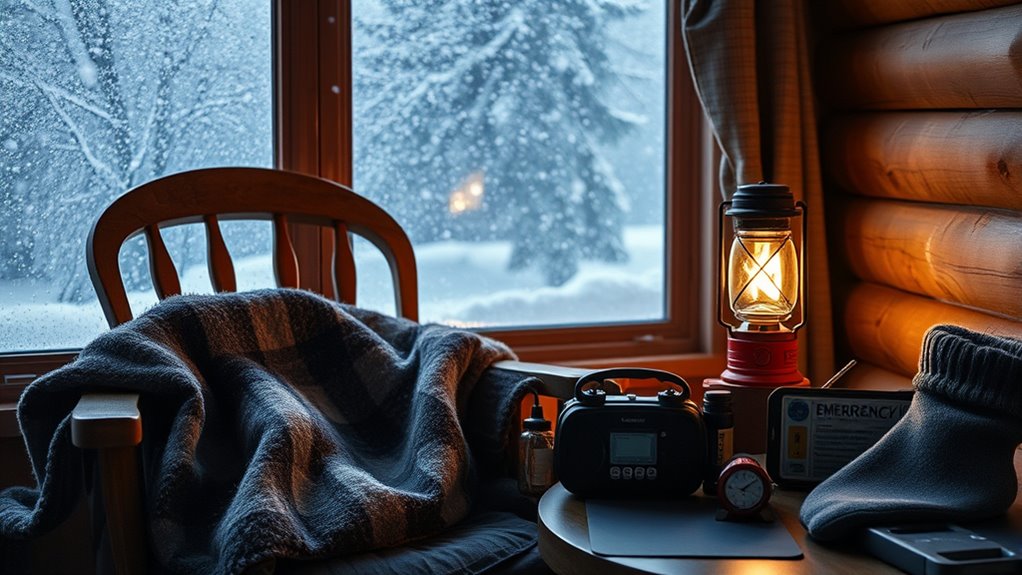
Having an emergency kit stocked with essential safety items is vital for staying prepared during power outages and extreme weather events. It ensures you have what you need to stay safe, warm, and healthy until power is restored. Your kit should include items that help prevent carbon monoxide risks and keep you comfortable. To avoid dangerous buildup of carbon monoxide, ensure your networking hardware is used properly and never operate gas-powered appliances indoors. Here are some crucial items to include: – Portable battery-powered radio to stay updated on weather and outages – Flashlights with extra batteries for reliable lighting – First aid kit for minor injuries – Insulated blankets or sleeping bags to stay warm – Non-perishable food and bottled water for sustenance. Additionally, understanding the luxury fashion of safety gear can help you select high-quality emergency supplies that last longer and perform better in critical moments. Staying informed about essential oils for respiratory health can also aid in maintaining your well-being during such times. Make sure all items are easy to access, and regularly check expiration dates. Being prepared can make a significant difference in navigating harsh conditions safely.
Monitoring Weather Conditions and Power Restoration Updates

Staying informed about current weather conditions and power restoration updates is essential during outages caused by extreme weather events. You should regularly check local weather alerts and updates from utility companies to understand the storm’s progression and expected repair timelines. Many utility providers offer online outage maps and real-time notifications via text or app alerts, helping you stay up-to-date. Listening to weather radios or local news broadcasts can give you immediate information on worsening conditions or emergency advisories. If possible, sign up for outage alerts from your utility. This way, you’ll know when power is restored or if additional outages are expected. Keeping informed allows you to plan for heating needs, avoid unnecessary risks, and ensure your safety during prolonged outages.
Community Resources and Emergency Assistance Options
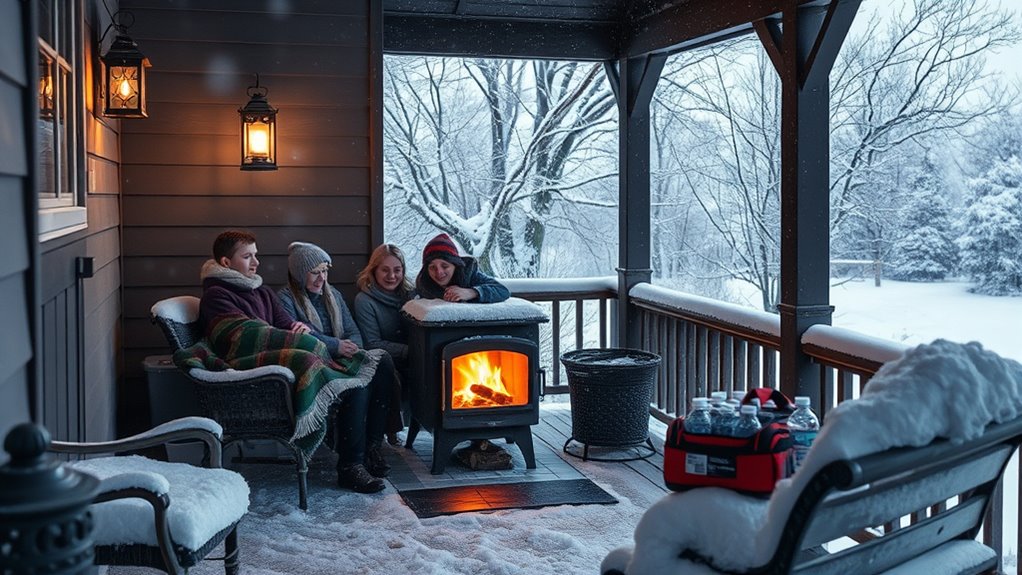
During a blizzard outage, knowing where to find local emergency shelters can keep you safe and warm. Utility assistance programs can help you manage repair costs or restore power faster. It’s essential to stay informed about community resources so you can access support quickly when disaster strikes.
Local Emergency Shelters
When power outages strike, local emergency shelters become essential resources for those affected. These shelters provide a safe place to stay warm, access to food and water, and basic medical aid. Knowing where they are ahead of time can make a big difference in an emergency. Many shelters are set up by community organizations, local government, and nonprofits, ready to assist during severe weather events. Be sure to check the shelter’s hours and policies beforehand. Bring necessary supplies like blankets, warm clothing, and personal medications. Remember, shelters prioritize vulnerable populations like the elderly, children, and those with health issues. Stay informed through local alerts to find nearby shelters quickly. Being prepared means you’ll know where to go when you need help most.
- Know your nearest shelter locations and hours.
- Bring warm clothes, blankets, and essential supplies.
- Check if pets are allowed beforehand.
- Stay updated via local alerts and notifications.
- Follow shelter guidelines for safety and health.
Utility Assistance Programs
If power outages strain your household finances, community utility assistance programs offer essential support to help manage energy costs. These programs can provide bill discounts, arrears assistance, or emergency funds to keep your heat on during winter storms. Many local agencies, nonprofits, and utility companies partner to ensure vulnerable households don’t face disconnection. To access help, contact your utility provider or local social services—many have streamlined application processes. Some programs also offer weatherization services, improving home efficiency and reducing future costs. During outages, these resources can be lifesavers, ensuring you stay warm without resorting to unsafe heating methods. Stay informed about available programs in your area, and don’t hesitate to seek assistance if you’re struggling—help is available to keep you safe and warm.
Tips for Protecting Vulnerable Populations

Protecting vulnerable populations during outages requires proactive planning and swift action. You should stay in close contact with at-risk individuals and ensure they have the resources to stay safe and warm. Prepare emergency kits with blankets, warm clothing, and non-perishable food. Confirm they have backup heat sources like portable propane heaters or wood stoves, and teach safe operation methods. Keep communication devices charged and establish check-in routines. Consider relocating vulnerable neighbors to heated shelters if necessary.
- Check on elderly or disabled neighbors regularly
- Help them gather supplies and set up warm spaces
- Ensure they know how to operate backup heating safely
- Keep a list of local shelters and emergency contacts
- Arrange transportation for urgent medical needs
Post-Outage Safety Checks and When to Seek Medical Help
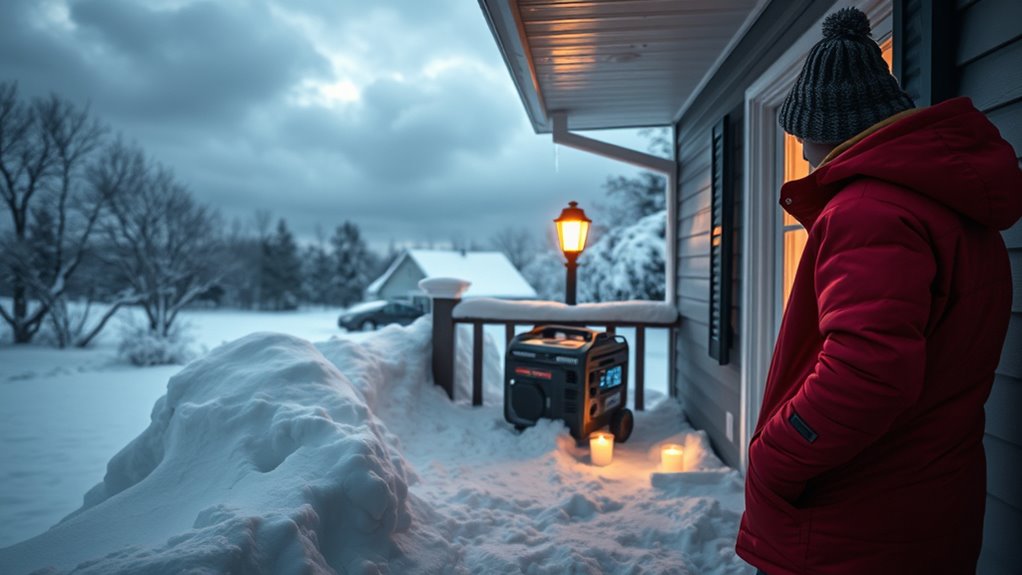
After a power outage during a blizzard, you need to check your home for gas leaks before turning appliances back on. Be alert for signs of carbon monoxide poisoning, such as headaches, dizziness, or nausea. If you suspect CO exposure, seek medical help immediately to prevent serious health risks.
Check for Gas Leaks
Wondering how to stay safe after a power outage? Checking for gas leaks is vital before using any appliances or heating devices. If you smell rotten eggs or sulfur, suspect a leak and leave the area immediately. Don’t turn on lights or switches, as sparks can ignite gas. Ventilate the space by opening windows and doors. Use your phone to call your utility company or emergency services for assistance. Remember, gas leaks can cause fires or explosions, so don’t try to fix the issue yourself.
- Sniff around appliances and pipes for unusual odors
- Avoid using open flames or electrical switches
- Leave the area if you detect a strong smell
- Open windows and doors to air out the space
- Contact professionals promptly for repairs
Recognize CO Poisoning
Recognizing carbon monoxide (CO) poisoning is vital after a power outage, especially when you’re using alternative heating sources or generators. CO is odorless, colorless, and can cause serious health issues. Symptoms include headache, dizziness, nausea, weakness, and confusion. If you or family members experience these signs, get fresh air immediately and seek medical help. Use a CO detector if possible, and keep it operational.
| Symptom | Action | When to Seek Help |
|---|---|---|
| Headache | Move outdoors immediately | If persistent or severe |
| Dizziness/Nausea | Ventilate area, turn off appliances | If symptoms worsen |
| Shortness of breath | Call emergency services right away | When breathing difficulty occurs |
| Loss of consciousness | Seek emergency medical attention | Immediately, as it’s life-threatening |
Frequently Asked Questions
How Long Can a Generator Safely Run Indoors?
You can safely run a generator indoors for no more than 30 minutes to 1 hour if you have proper ventilation. Prolonged use increases the risk of carbon monoxide buildup, which can be deadly. Always operate your generator outside in a well-ventilated area, away from windows and vents. Use carbon monoxide detectors inside your home, and never run a generator indoors or in an enclosed space to prevent poisoning.
What Are the Early Symptoms of Carbon Monoxide Poisoning?
You should recognize early symptoms of carbon monoxide poisoning, which include headache, dizziness, weakness, nausea, vomiting, shortness of breath, and confusion. Notably, according to safety data, about 50% of CO poisoning cases are misdiagnosed initially. If you notice these signs, get fresh air immediately and seek medical help. Prompt action can prevent severe health issues or death, especially during outages when improper heating devices are in use.
Can I Use a Charcoal Grill or Camp Stove Indoors?
You should never use a charcoal grill or camp stove indoors. These devices produce dangerous carbon monoxide fumes that can quickly build up in enclosed spaces, risking poisoning. Even if you think you’re ventilating well, the toxins can still accumulate unnoticed. Instead, use approved indoor heating options or generators kept outside, far from windows and vents, to stay safe during outages.
How Do I Properly Ventilate My Home During a Power Outage?
You should open windows and doors slightly to allow fresh air in, creating a cross-ventilation pathway. Keep vents unblocked and avoid sealing your home tightly, especially if you’re using indoor heating devices or burning fuels. Use a fan to help circulate air, but never operate fuel-burning appliances in enclosed spaces without proper ventilation. Regularly check for signs of poor air quality, and prioritize safety to prevent carbon monoxide buildup.
What Safety Precautions Should Vulnerable Populations Take During Winter Outages?
Imagine you’re steering through a storm like a seasoned sailor. During winter outages, vulnerable populations should stay indoors, dress in layers, and keep a supply of food and water. Use generators safely outside, far from windows and vents, to prevent CO poisoning. Guarantee proper ventilation if using indoor heaters, and check on neighbors. Keep a battery-powered radio for updates, and avoid overexertion to conserve energy and stay safe.
Conclusion
Stay vigilant during blizzard outages to keep your family safe from carbon monoxide dangers. Always follow safety tips, use heating devices properly, and guarantee good ventilation. Remember, an ounce of prevention is worth a pound of cure—don’t let a moment of comfort turn into a tragedy. By staying informed and prepared, you can weather the storm and come out the other side unscathed. Safety first keeps everyone warm and well, no matter how fierce the weather.